Business Best in category 2 results Construction Management AI Tool

Popular AI tools in the Construction Management field of Business include inBuild、BuildKeeper, etc., helping you quickly improve efficiency.

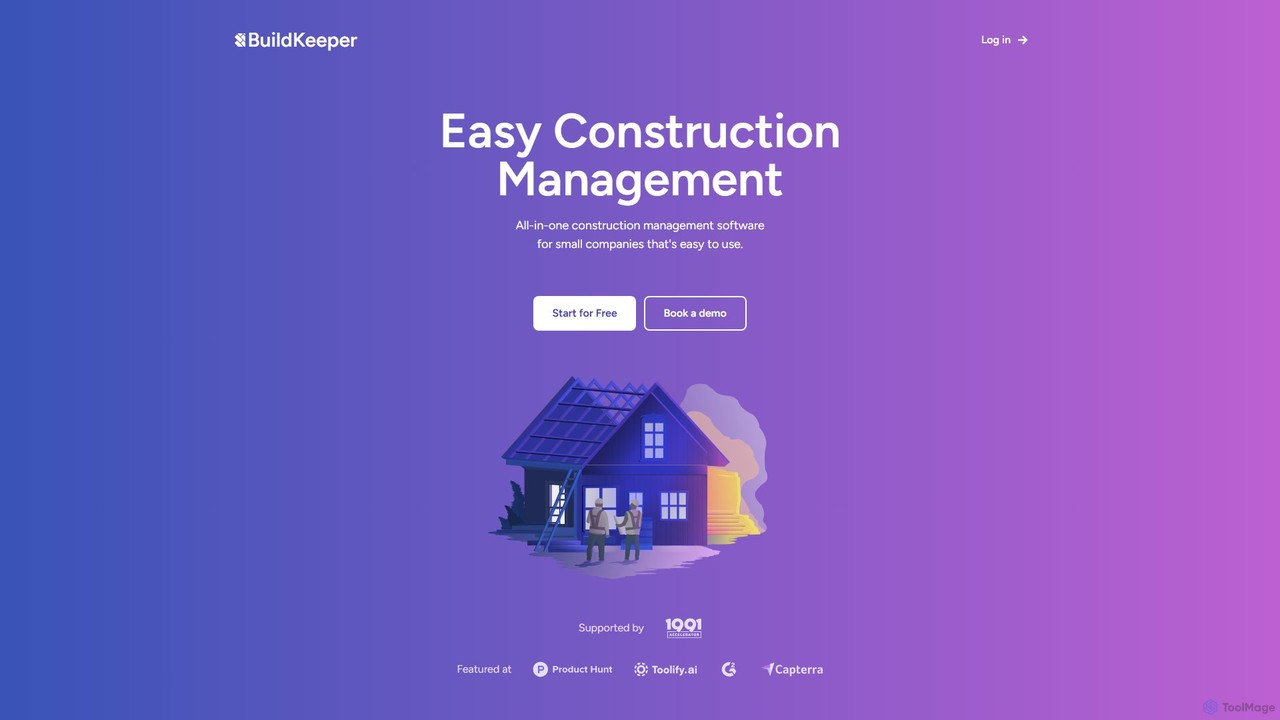
BuildKeeper

BuildKeeper

BuildKeeper is an all-in-one, user-friendly construction management software designed for small to medium-sized companies. It simplifies project workflows …

3.0K
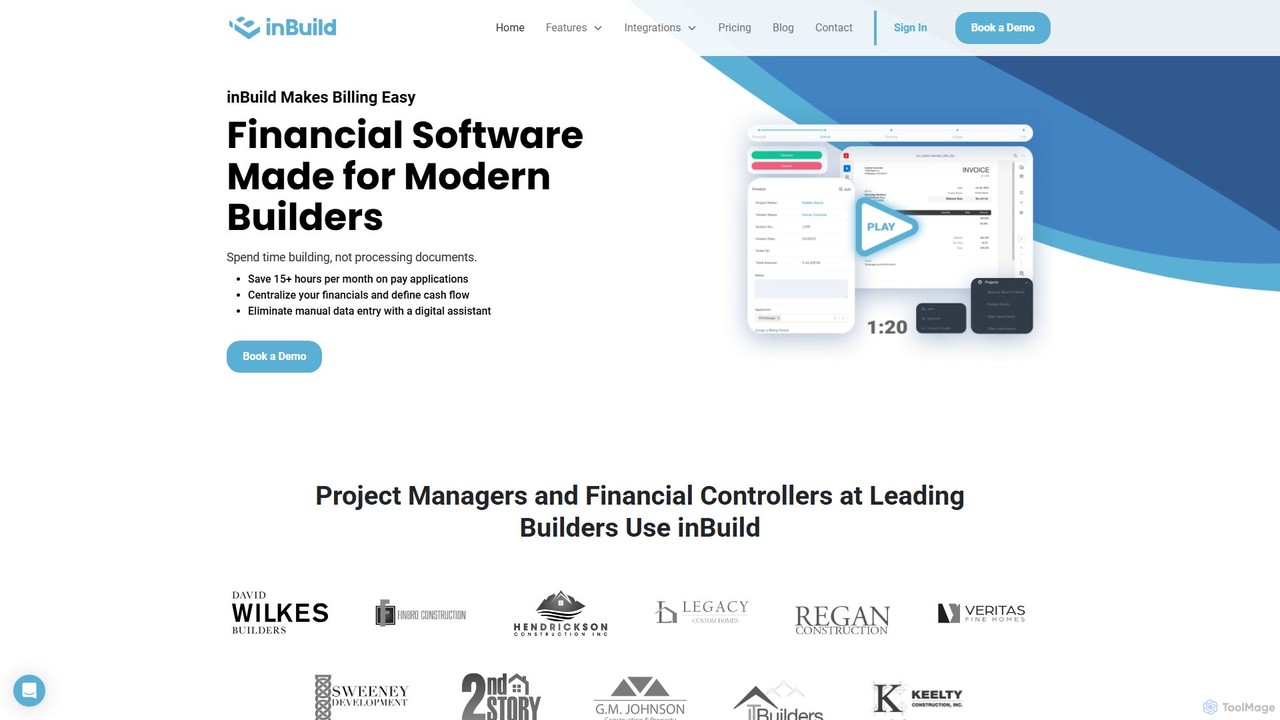
inBuild

inBuild

inBuild is an AI-powered financial management platform designed specifically for the construction industry. It automates accounts payable, job …

9.2K

About Construction Management

AI Construction Management tools are specialized platforms that leverage artificial intelligence to optimize every phase of a construction project. They utilize machine learning, computer vision, and predictive analytics to process vast amounts of project data from sources like BIM models, drones, and IoT sensors. This enables project managers to automate scheduling, mitigate risks, monitor site safety, and control budgets with greater accuracy. Unlike general business project management software, these tools are specifically designed to handle the unique complexities and data types of the construction industry.

Core Features

  • Predictive Scheduling & Risk Analysis: Analyzes historical data and current progress to forecast delays and identify potential risks before they escalate.
  • Automated Site Monitoring: Uses computer vision to analyze drone footage and camera feeds for safety compliance and progress tracking against plans.
  • Intelligent Resource Allocation: Optimizes the deployment of labor, materials, and equipment based on real-time project needs and constraints.
  • AI-Powered Quality Control: Automatically detects construction defects or deviations from BIM models using image and LiDAR data analysis.
  • Automated Reporting: Generates daily progress reports, safety logs, and compliance documentation from on-site data inputs.

Use Cases

These tools are essential for project managers, site supervisors, and construction executives in residential, commercial, and infrastructure projects. They are used for daily progress tracking, ensuring safety compliance (e.g., OSHA standards), managing complex supply chains, and providing stakeholders with accurate, data-driven project forecasts.

How to Choose

When selecting a tool, consider its integration capabilities with your existing systems like BIM or ERP software. Evaluate the specific types of AI analysis offered, such as computer vision for safety or predictive analytics for scheduling. Also, assess its scalability for your project size and the user-friendliness of its mobile application for on-site teams.

Construction ManagementUse Cases

1

Automated Construction Site Safety Monitoring

A site safety officer uses an AI platform to analyze real-time video feeds from cameras across a large construction site. The system's computer vision model automatically detects safety hazards, such as workers not wearing personal protective equipment (PPE) or heavy machinery operating too close to personnel. It sends instant alerts with image evidence to the site supervisor's mobile device, enabling immediate intervention. This proactive approach helps prevent accidents, ensures compliance with safety regulations, and creates a verifiable digital record of safety incidents.

2

Optimizing Project Schedules with Predictive Analytics

A project manager for a high-rise building project inputs their initial schedule, resource plans, and subcontractor data into an AI tool. The AI analyzes this information along with historical data from similar projects and external factors like weather forecasts. It then generates a risk-adjusted timeline, highlighting tasks with a high probability of delay. The manager can use these insights to reallocate resources, adjust dependencies, or negotiate new deadlines with subcontractors, proactively keeping the project on schedule and within budget.

3

Automated Progress Tracking with Drone Data

A construction firm uses drones to capture weekly aerial imagery of a large infrastructure project. This data is uploaded to an AI platform that processes the images, creates a 3D model of the site, and compares it against the Building Information Modeling (BIM) plan. The system automatically calculates the percentage of work completed for different sections, measures volumes of earth moved, and identifies any discrepancies between the as-built state and the design. This provides stakeholders with accurate, visual progress reports without manual site surveys.

4

AI-Powered Quality Assurance and Defect Detection

During the finishing phase of a commercial building, an inspector uses a mobile app connected to an AI system. They take photos of installed components like drywall, electrical outlets, and plumbing fixtures. The AI's computer vision model instantly compares the images against design specifications and quality standards stored in the system. It flags any defects, such as misaligned fixtures or incorrect installations, creating a detailed snag list with locations and photographic evidence for the construction team to address immediately.

5

Automating Daily Construction Reports

A site foreman uses a voice-enabled AI assistant on their smartphone throughout the day. They verbally log completed tasks, material deliveries, subcontractor attendance, and any on-site incidents as they happen. At the end of the day, the AI's Natural Language Processing (NLP) capabilities automatically transcribe, categorize, and compile this information into a structured, professional daily report. This eliminates hours of manual data entry and paperwork, ensuring reports are accurate, timely, and consistently formatted across all projects.

6

Intelligent Allocation of Heavy Equipment

A logistics coordinator for a large construction company manages a fleet of cranes, excavators, and trucks across multiple sites. They use an AI tool that analyzes daily work schedules, equipment maintenance logs, and real-time GPS data. The AI recommends the most efficient deployment plan to minimize equipment idle time, reduce fuel costs, and ensure the right machinery is at the right site at the right time. It can also predict maintenance needs, preventing costly breakdowns during critical project phases.

Construction ManagementFrequently Asked Questions