
ToolMage
Sign in

Best 1 Corporate Wellness AI tools for Business

Popular Corporate Wellness AI tools in Business include PEAR Health Labs, helping you work more efficiently.

PEAR Health Labs
Paid

PEAR Health Labs

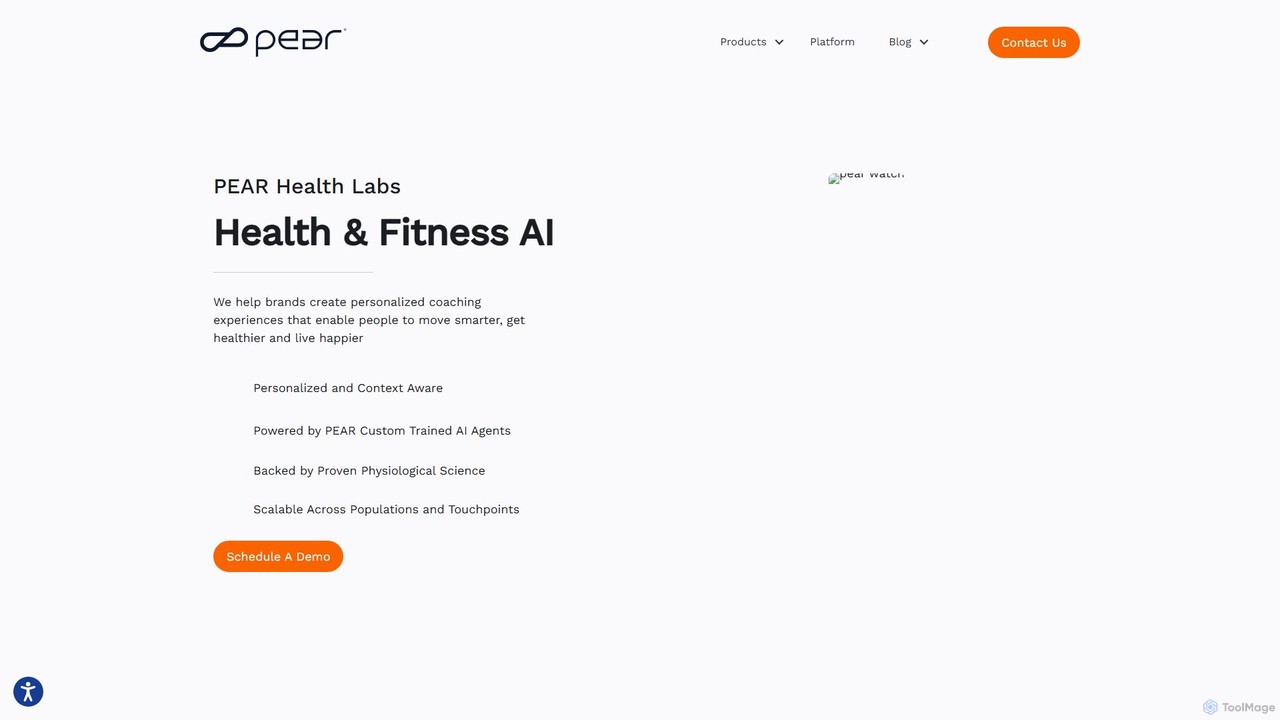
PEAR Health Labs offers a B2B AI-powered health and fitness platform for creating personalized coaching experiences. Leveraging 25 years of physiological science, it provides custom-trained AI agents, data-driven insights, and a suite of tools for businesses, healthcare providers, and government agencies to help people move smarter, get healthier, and live happier.

3D
Visits 9.4KFavorites 110Likes 106

About Corporate Wellness

Corporate Wellness AI tools are designed to enhance employee well-being and productivity within organizations. These platforms leverage artificial intelligence to offer personalized health programs, mental health support, and stress management resources. They aim to create a healthier, more engaged workforce by providing accessible and data-driven wellness solutions. This integration helps businesses foster a positive work environment and reduce health-related costs.

Core Features

  • Personalized Wellness Plans: AI-driven recommendations for fitness, nutrition, and mental health based on individual profiles.
  • Mental Health Support: AI chatbots and guided meditation modules for stress reduction and emotional well-being.
  • Physical Activity Tracking: Integration with wearables and apps to monitor activity levels and encourage healthy habits.
  • Health Risk Assessments: AI-powered analysis to identify potential health risks and suggest preventive measures.
  • Engagement & Gamification: Features like challenges, rewards, and leaderboards to motivate participation.

Use Cases

Organizations utilize Corporate Wellness AI tools to proactively support employee health, reduce absenteeism, and improve overall morale. They are employed in large enterprises to manage diverse employee populations, offering scalable wellness programs that cater to individual needs. Small to medium-sized businesses also benefit by providing cost-effective health resources without extensive HR overhead.

How to Choose

When selecting Corporate Wellness AI tools, consider the breadth of wellness categories offered (physical, mental, financial). Evaluate integration capabilities with existing HR systems and wearable devices. Assess the level of personalization and data privacy features. Finally, review user engagement mechanisms and reporting analytics for program effectiveness.

Corporate Wellness use cases

1

Implementing Personalized Employee Health Programs

HR managers in large corporations use Corporate Wellness AI tools to deploy tailored health initiatives. By analyzing employee health data (anonymously and with consent), the AI suggests personalized fitness routines, dietary advice, and mental well-being exercises. This approach ensures employees receive relevant support, leading to higher participation rates and measurable improvements in health metrics, ultimately reducing healthcare costs and sick leave.

2

Enhancing Mental Health Support for Remote Teams

Companies with distributed workforces leverage AI-powered Corporate Wellness platforms to provide accessible mental health resources. Employees can interact with AI chatbots for immediate stress relief techniques, access guided meditation sessions, or receive recommendations for professional support. This ensures consistent mental well-being support across different time zones and locations, fostering a resilient and productive remote team environment.

3

Boosting Employee Engagement Through Wellness Challenges

Team leaders and HR departments utilize gamified Corporate Wellness AI tools to organize company-wide health challenges. Employees participate in virtual step challenges, healthy eating competitions, or mindfulness streaks, earning points and rewards. The AI tracks progress, sends motivational reminders, and facilitates team leaderboards, significantly increasing employee interaction with wellness programs and fostering a sense of community and healthy competition.

4

Proactive Identification of Employee Burnout Risks

Organizations employ Corporate Wellness AI tools to anonymously monitor aggregated employee well-being data, such as survey responses and engagement patterns, to identify potential burnout trends. The AI can flag departments or teams showing early signs of stress or disengagement, allowing HR to intervene with targeted support, workshops, or workload adjustments. This proactive approach helps prevent widespread burnout and maintains a healthy, sustainable work environment.

5

Streamlining Health Risk Assessments and Preventive Care

Corporate Wellness AI platforms assist employers in conducting comprehensive health risk assessments for their workforce. Employees complete confidential questionnaires, and the AI analyzes responses to identify common health risks within the organization. Based on these insights, the platform recommends preventive care strategies, such as specific health screenings, vaccination drives, or educational workshops, promoting a healthier workforce and reducing long-term health liabilities.

6

Optimizing Onboarding with Wellness Integration

New hires benefit from Corporate Wellness AI tools integrated into the onboarding process. The AI introduces them to available wellness resources, helps set initial health goals, and connects them with company wellness initiatives from day one. This early integration ensures new employees feel supported in their overall well-being, aiding in faster acclimatization, reducing early attrition, and establishing a culture of health from the outset.

Corporate Wellness FAQ

What are Corporate Wellness AI tools?

Corporate Wellness AI tools are software solutions that leverage artificial intelligence to support and enhance employee health and well-being within a company. They typically offer personalized programs for physical fitness, mental health, nutrition, and stress management. These tools aim to improve employee engagement, reduce healthcare costs, and foster a positive work culture by providing accessible, data-driven wellness resources directly to employees.

How do Corporate Wellness AI tools benefit businesses?

Corporate Wellness AI tools offer several key benefits to businesses. They can significantly reduce absenteeism and presenteeism by promoting better employee health, leading to increased productivity. By offering accessible mental health and stress management resources, they improve employee morale and satisfaction, which can boost retention rates. Additionally, these tools can help lower long-term healthcare costs for the company and enhance the employer brand, attracting top talent.

What features should I look for in a Corporate Wellness AI platform?

When choosing a Corporate Wellness AI platform, look for features such as personalized wellness plans tailored to individual needs, comprehensive mental health support (e.g., AI chatbots, meditation guides), and robust physical activity tracking with wearable integration. Strong data analytics and reporting capabilities are crucial for measuring program effectiveness. Also, consider gamification elements for engagement, data privacy compliance, and seamless integration with existing HR systems.

How do Corporate Wellness AI tools differ from traditional HR software?

While traditional HR software focuses on administrative tasks like payroll, recruitment, and performance management, Corporate Wellness AI tools specifically target employee health and well-being. They use AI to offer personalized, proactive, and preventive wellness solutions, whereas HR software might only track basic health benefits. Wellness AI tools are designed to actively engage employees in their health journey, providing resources and insights beyond typical HR functions, though they often integrate with HR systems for a holistic approach.

Can Corporate Wellness AI tools help with employee retention?

Yes, Corporate Wellness AI tools can significantly contribute to employee retention. By demonstrating a genuine commitment to employee well-being, companies can foster a more supportive and appreciative work environment. Employees who feel valued and supported in their health are more likely to be satisfied with their jobs and less likely to seek opportunities elsewhere. These tools help create a culture where employees feel cared for, leading to higher loyalty and reduced turnover rates.