Business Best in category 3 results Customer Experience AI Tool

Popular AI tools in the Customer Experience field of Business include Brainfish、Evolv AI、Genvibe AI, etc., helping you quickly improve efficiency.

Genvibe AI

Genvibe AI

Genvibe AI is an intuitive, AI-powered music solution designed for business spaces. It provides custom-tailored, royalty-free background music …

3.1K
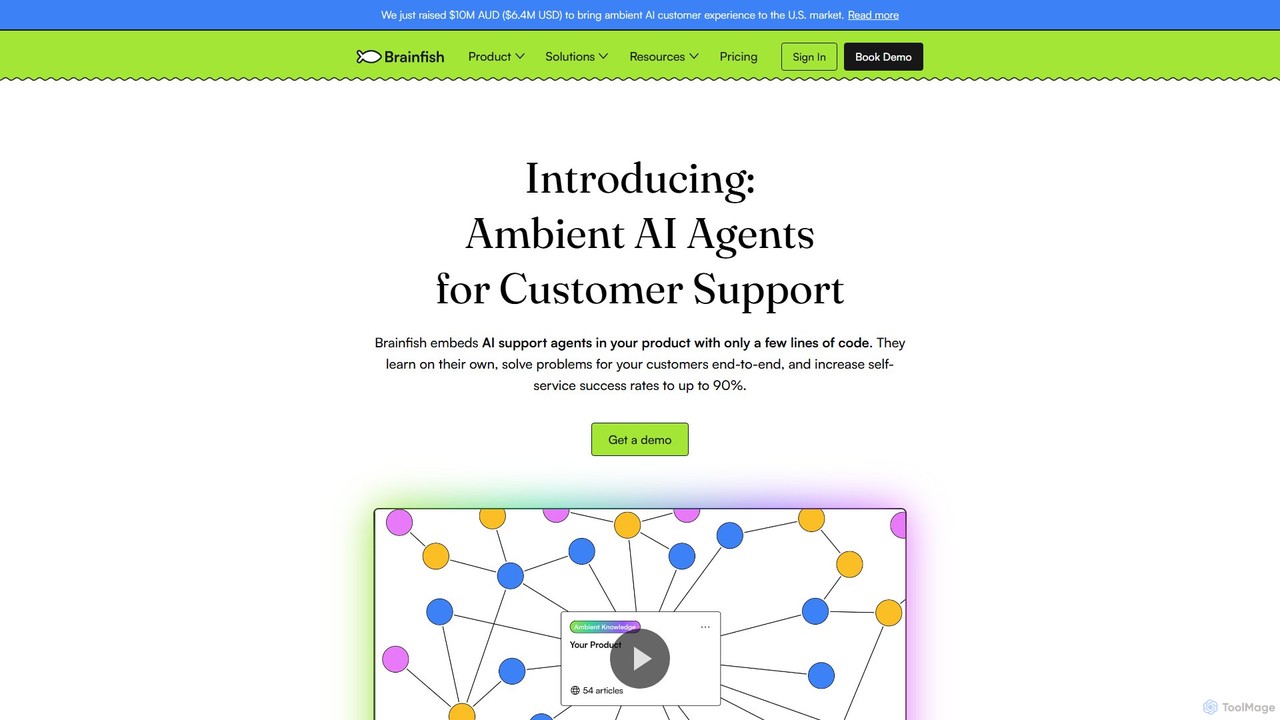
Brainfish

Brainfish

Brainfish is an ambient AI agent for customer support that embeds directly into your product. It autonomously learns …

9.7K
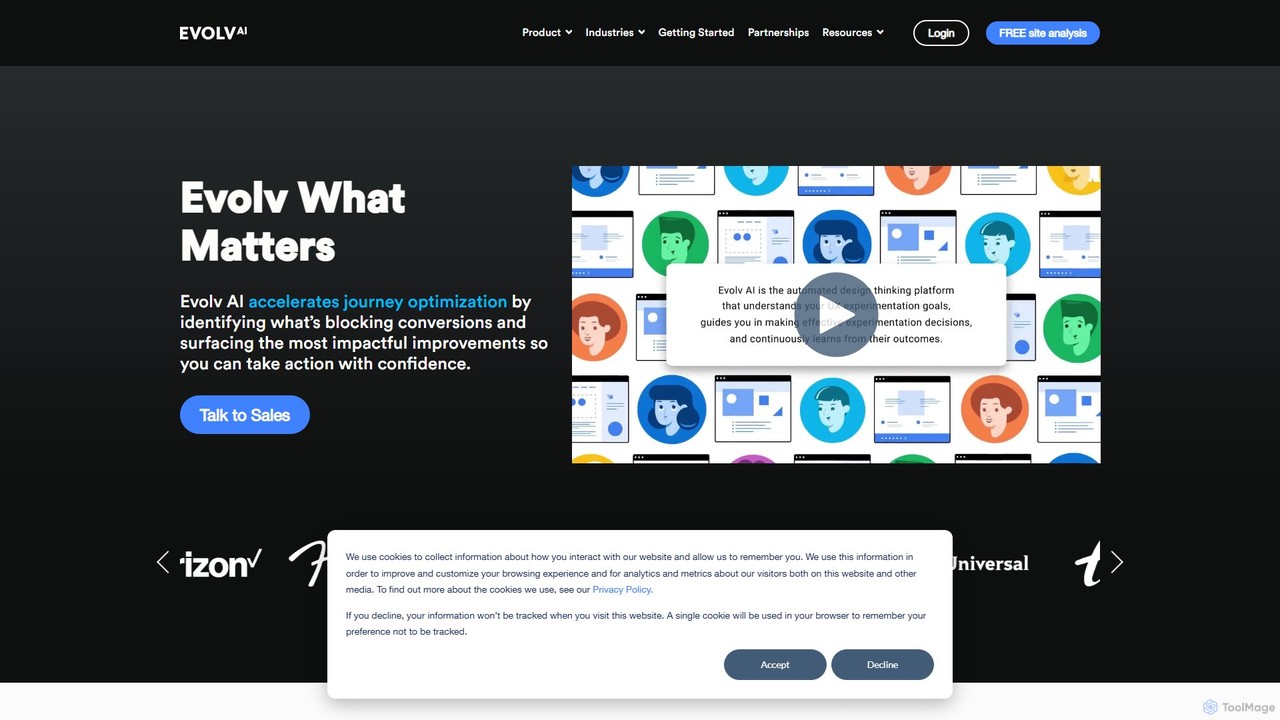
Evolv AI

Evolv AI

Evolv AI is an AI-led experience optimization platform that accelerates digital growth. It uses machine learning and active …

8.9K

About Customer Experience

Customer Experience AI tools are a category of AI-powered solutions designed to enhance every touchpoint of a customer's journey. Leveraging advanced natural language processing, machine learning, and predictive analytics, these tools automate interactions, personalize engagements, and provide actionable insights to improve satisfaction and loyalty. They transform how businesses understand and serve their clientele, moving beyond traditional methods to deliver proactive and highly relevant support.

Core Features

  • Intelligent Chatbots & Virtual Assistants: Provide instant, automated support and answer common queries 24/7.
  • Sentiment Analysis: Analyze customer feedback from various channels to gauge emotions and identify areas for improvement.
  • Personalized Recommendations: Deliver tailored product or service suggestions based on individual customer behavior and preferences.
  • Predictive Customer Service: Anticipate customer needs and potential issues before they arise, enabling proactive support.
  • Automated Feedback Collection & Analysis: Streamline the gathering and interpretation of customer surveys, reviews, and social media comments.

Applicable Scenarios

Customer Experience AI tools are invaluable for businesses across various sectors, from e-commerce and SaaS to finance and healthcare. They are utilized by customer service departments to reduce response times, marketing teams to personalize campaigns, and product development teams to gather actionable insights from user feedback. These tools help create a seamless, efficient, and highly personalized customer journey, fostering stronger relationships and driving business growth.

How to Choose

When selecting Customer Experience AI tools, consider their integration capabilities with existing CRM and support systems, ensuring a unified data view. Evaluate the accuracy and naturalness of their NLP models for chatbots and sentiment analysis. Assess scalability to handle growing customer volumes and the level of customization offered to align with specific brand voice and workflows. Finally, prioritize vendors with strong data privacy and security protocols to protect sensitive customer information.

Customer ExperienceUse Cases

1

Automating First-Level Customer Support

For e-commerce businesses or SaaS providers, AI-powered chatbots handle common customer queries such as order status, product information, or password resets 24/7. This allows human agents to focus on complex issues, significantly reducing response times and improving overall customer satisfaction by providing instant, accurate answers without human intervention.

2

Personalizing Marketing Communications

Marketing teams leverage CX AI tools to analyze vast amounts of customer data, including purchase history, browsing behavior, and demographic information. This enables them to segment audiences precisely and deliver highly personalized email campaigns, product recommendations, and website content, leading to increased engagement rates and higher conversion by presenting relevant offers at optimal times.

3

Analyzing Customer Feedback for Product Improvement

Product development teams use CX AI tools to perform sentiment analysis on customer reviews, social media comments, and support tickets. By automatically identifying recurring themes, pain points, and feature requests, they can prioritize product improvements and new feature development based on actual user needs, leading to more user-centric products and higher customer satisfaction.

4

Proactive Customer Engagement and Retention

Subscription-based businesses or service providers utilize CX AI to predict customer churn risk by analyzing usage patterns, support interactions, and sentiment. This allows them to proactively reach out to at-risk customers with personalized offers, educational content, or direct support, significantly improving retention rates and reducing customer loss before it occurs.

5

Optimizing Call Center Operations

Call centers deploy CX AI to route calls more efficiently based on customer intent and agent expertise, transcribe and analyze conversations in real-time for quality assurance, and provide agents with AI-powered suggestions for responses. This reduces average handling time, improves first-call resolution rates, and enhances agent productivity, leading to a better experience for both customers and employees.

6

Enhancing Self-Service Portals with AI

Companies with extensive knowledge bases or FAQ sections can integrate CX AI to power intelligent self-service portals. AI-driven search and recommendation engines help customers quickly find answers to their questions, troubleshoot issues independently, and access relevant resources without needing human assistance. This empowers customers, reduces support volume, and improves overall efficiency.

Customer ExperienceFrequently Asked Questions