ToolMage
Sign in

Best 1 Customer Loyalty AI tools for Business

Popular Customer Loyalty AI tools in Business include Perks, helping you work more efficiently.

Perks
Paid

Perks

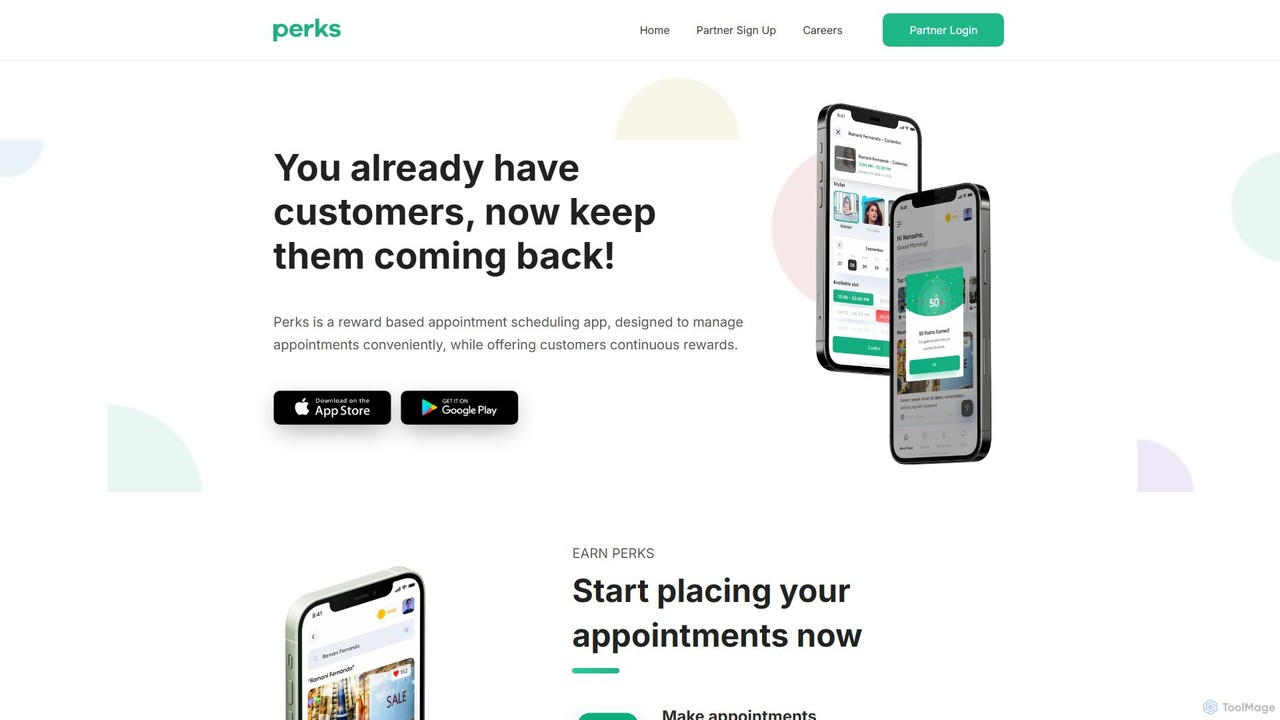
Perks is an all-in-one rewards and appointment scheduling app for service-based businesses. It helps merchants boost customer retention through a loyalty points system, while providing users a seamless way to book appointments, rate services, and earn discounts.

Customer Loyalty
Visits 7.6KFavorites 165Likes 177

About Customer Loyalty

Customer Loyalty tools are AI-powered platforms designed to analyze customer behavior, personalize rewards, and automate engagement to foster long-term relationships. They utilize machine learning to predict churn, identify high-value customers, and recommend proactive retention strategies. This approach moves beyond simple point systems to create dynamic, individualized experiences that increase customer lifetime value and drive repeat business. These tools are a key component of a modern business strategy for sustainable growth.

Core Features

  • Predictive Churn Analysis: Uses AI to identify customers at risk of leaving based on their behavior patterns.
  • Personalized Rewards Engine: Dynamically creates and suggests offers, discounts, and rewards tailored to individual customer preferences.
  • Automated Engagement Campaigns: Triggers personalized communications for milestones like birthdays, anniversaries, or spending thresholds.
  • Customer Segmentation: Automatically groups customers based on purchasing habits, engagement levels, and predicted lifetime value.
  • ROI and Performance Analytics: Provides detailed dashboards to track the effectiveness and financial impact of loyalty programs.

Use Cases

These tools are widely used in sectors with high repeat business potential, such as e-commerce, retail, hospitality, and subscription services. Marketing managers use them to design, manage, and optimize retention programs, while customer success teams leverage them to proactively address customer issues and increase satisfaction.

How to Choose

When selecting a Customer Loyalty tool, consider its integration capabilities with your existing CRM, e-commerce platform, or POS system. Evaluate the depth of its personalization and automation features. Also, assess the quality of its analytics and reporting to ensure you can measure ROI effectively. Finally, consider the platform's scalability to support your business as it grows.

Customer Loyalty use cases

1

Automating Personalized Reward Tiers for E-commerce

An e-commerce manager for an online fashion brand needs to increase repeat purchase rates. They use an AI Customer Loyalty tool to analyze purchase history, browsing behavior, and cart value. The system automatically segments customers into tiers like 'Bronze', 'Silver', and 'Gold'. Based on these tiers, it triggers personalized rewards such as early access to new collections for Gold members or a special discount for Silver members on their birthday. This automated, tiered approach makes customers feel valued and encourages them to spend more to reach the next level, significantly boosting customer lifetime value.

2

Proactively Preventing Subscriber Churn for SaaS

A customer success manager at a SaaS company is tasked with reducing monthly churn. They implement a loyalty tool that monitors user engagement metrics, such as login frequency and feature adoption. The AI model identifies accounts with declining activity, flagging them as 'at-risk'. The system then automatically triggers a pre-defined workflow, such as sending a personalized email from the success manager offering a one-on-one training session or highlighting a new feature relevant to their past usage. This proactive intervention helps re-engage users before they decide to cancel their subscription.

3

Implementing a Smart Digital Punch Card for a Cafe

A local coffee shop owner wants to replace paper punch cards with a modern, digital solution. They use a customer loyalty app that tracks purchases via a QR code scan at the point of sale. The AI backend analyzes visit frequency and popular orders. Instead of a simple 'buy 10, get 1 free', the system can send a personalized offer like, 'We see you love our lattes! Your next one is on us.' It can also send 'we miss you' push notifications with a small discount to customers who haven't visited in a while, encouraging their return and building a stronger community feel.

4

Creating VIP Experiences for High-Value Retail Shoppers

A luxury retail brand aims to strengthen its relationship with its top customers. Using a loyalty platform, the marketing team identifies the top 5% of spenders based on AI-driven Customer Lifetime Value (CLV) predictions. This segment is automatically enrolled in an exclusive 'VIP Club'. The tool then helps manage and communicate exclusive perks for this group, such as invitations to private shopping events, early access to limited-edition products, and personalized styling consultations. This targeted approach ensures the most valuable customers receive exceptional treatment, fostering deep brand loyalty and advocacy.

5

Rewarding Non-Transactional B2B Client Engagement

A B2B marketing agency wants to reward clients for more than just their spending. They use a loyalty platform that integrates with their CRM and social media. The system is configured to award points not only for contract renewals but also for valuable non-transactional activities like providing a testimonial, referring a new client, participating in a case study, or sharing the agency's content on LinkedIn. The AI helps track and validate these activities across different platforms. This comprehensive rewards program encourages deeper partnership and turns satisfied clients into active brand advocates.

6

Driving In-App Engagement with Gamified Rewards

A mobile game developer wants to increase daily active users and long-term player retention. They integrate a customer loyalty SDK into their app. This system introduces gamified loyalty mechanics, such as daily login bonuses, rewards for achieving specific in-game milestones (e.g., 'Defeat 100 enemies'), and exclusive cosmetic items for players who maintain a 'streak' of playing every day for a week. The AI component can personalize challenges based on a player's skill level, ensuring the goals are achievable yet engaging. This turns routine gameplay into a rewarding experience, encouraging players to return daily.

Customer Loyalty FAQ

What are AI Customer Loyalty tools?

AI Customer Loyalty tools are software platforms that use artificial intelligence, particularly machine learning, to help businesses retain customers. Unlike traditional programs that offer the same rewards to everyone, these tools analyze vast amounts of customer data—such as purchase history, browsing behavior, and engagement levels—to create personalized experiences. Key functions include predicting which customers are likely to churn, automating targeted marketing campaigns, and recommending the most effective rewards for each individual, ultimately aiming to increase customer lifetime value and foster genuine brand affinity.

How to choose the right Customer Loyalty tool?

Choosing the right tool depends on your specific business needs. Consider these key factors:

  • Integration: Ensure the tool can seamlessly connect with your existing systems, such as your e-commerce platform (e.g., Shopify, Magento), POS system, and CRM.
  • Personalization Capabilities: Evaluate how deeply the tool can personalize rewards. Does it support simple point-based systems, or can it create complex, tiered programs based on behavior, spending, and customer segments?
  • Automation Features: Look for robust automation to trigger campaigns for events like birthdays, anniversaries, or to re-engage at-risk customers without manual intervention.
  • Analytics and Reporting: The tool should provide clear, actionable insights into your program's performance, including ROI, customer engagement rates, and churn reduction.
What's the difference between a Customer Loyalty tool and a CRM?

A Customer Relationship Management (CRM) system is primarily a database and a system of record. It stores all customer information, interaction history, and sales data. Its main purpose is to manage and organize customer relationships across the entire lifecycle. In contrast, an AI Customer Loyalty tool is a specialized system of engagement. It uses the data (often from a CRM) to proactively build and maintain loyalty. While a CRM tells you *who* your customers are and *what* they did, a loyalty tool uses AI to predict *what they will do next* and automates actions to encourage desirable behaviors like repeat purchases and brand advocacy.

Who benefits most from using Customer Loyalty tools?

Businesses with a model that relies on repeat customers see the most significant benefit. This includes a wide range of industries:

  • E-commerce and Retail: To encourage repeat purchases and increase average order value.
  • Hospitality: For hotels, restaurants, and cafes to build a regular clientele.
  • Subscription Services (SaaS, media): To reduce churn and increase customer lifetime value.
  • Service-based businesses: Such as salons or fitness studios, to incentivize regular visits.

Essentially, any business where retaining an existing customer is more cost-effective than acquiring a new one can leverage these tools to drive sustainable growth.

Can these tools predict which customers will leave?

Yes, this is a core feature of many AI-powered loyalty platforms, often called 'predictive churn analysis'. The AI models analyze historical data and real-time customer behavior, looking for patterns that indicate a customer is losing interest. These signals can include a decrease in purchase frequency, reduced engagement with marketing emails, or a drop in website or app usage. By identifying these 'at-risk' customers early, the system can automatically trigger retention campaigns, such as sending a special offer or a personalized message, to try and win them back before they leave for good.