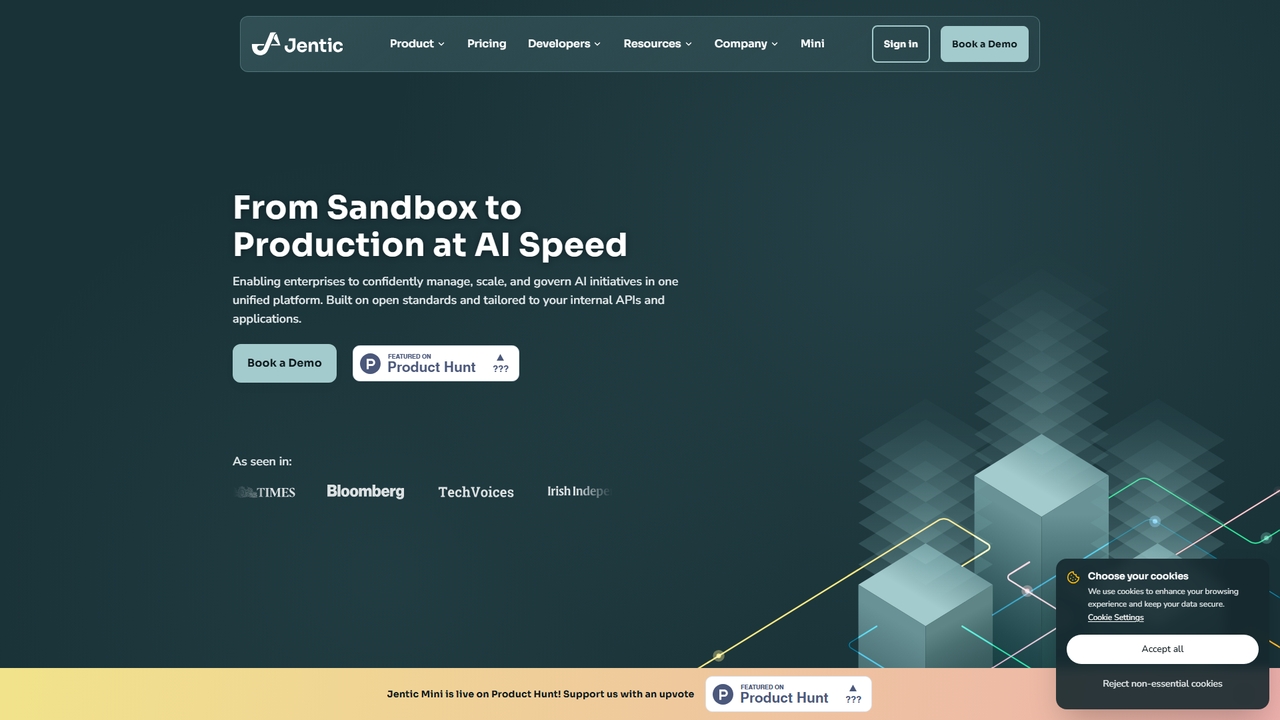
Jentic
Jentic is an enterprise AI automation platform that provides the secure execution layer between AI agents and internal …
Jentic is an enterprise AI automation platform that provides the secure execution layer between AI agents and internal APIs. It enables organizations to safely manage, scale, and govern AI initiatives by unifying API integration, workflow orchestration, and centralized governance within a single, vendor-neutral platform built on open standards like OpenAPI and Arazzo.
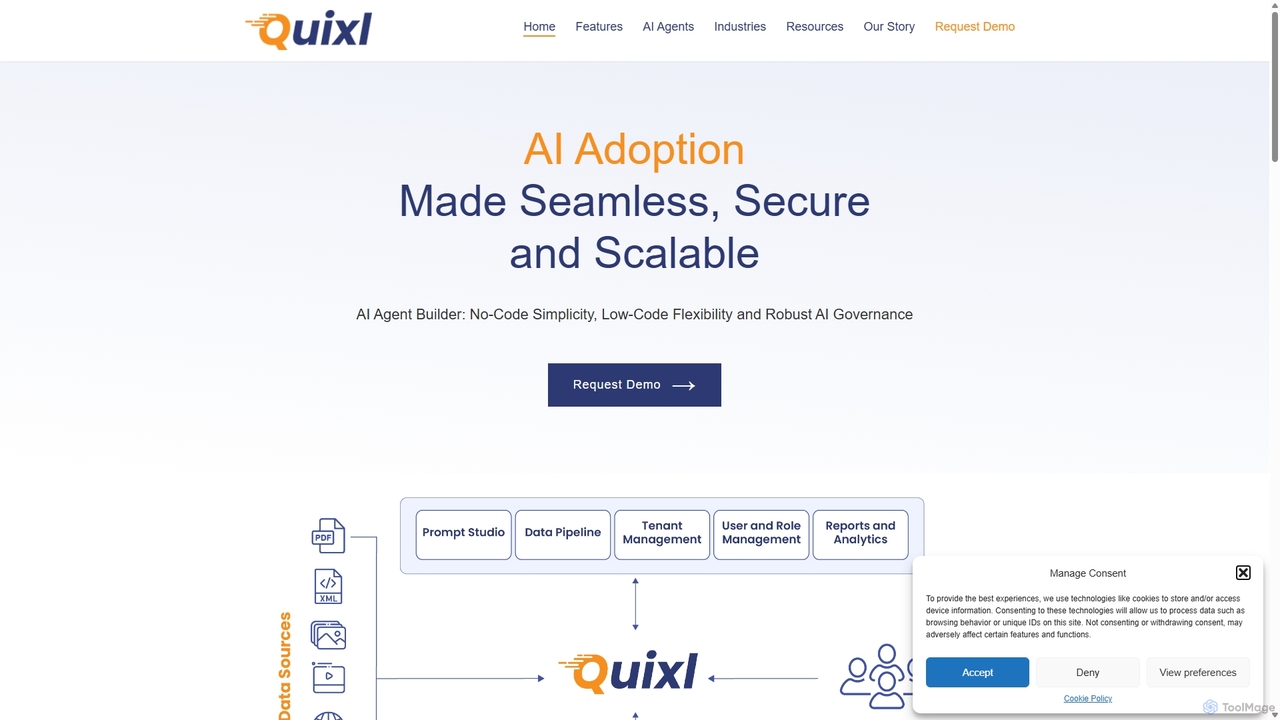
Quixl
Quixl is an enterprise-grade, no-code platform for developing and deploying custom AI agents. It accelerates AI adoption by …
Quixl is an enterprise-grade, no-code platform for developing and deploying custom AI agents. It accelerates AI adoption by enabling businesses to build secure, scalable agents with support for multiple LLMs (OpenAI, Google AI, Anthropic), flexible on-premises or cloud deployment, and advanced features like RAG and prompt chaining.
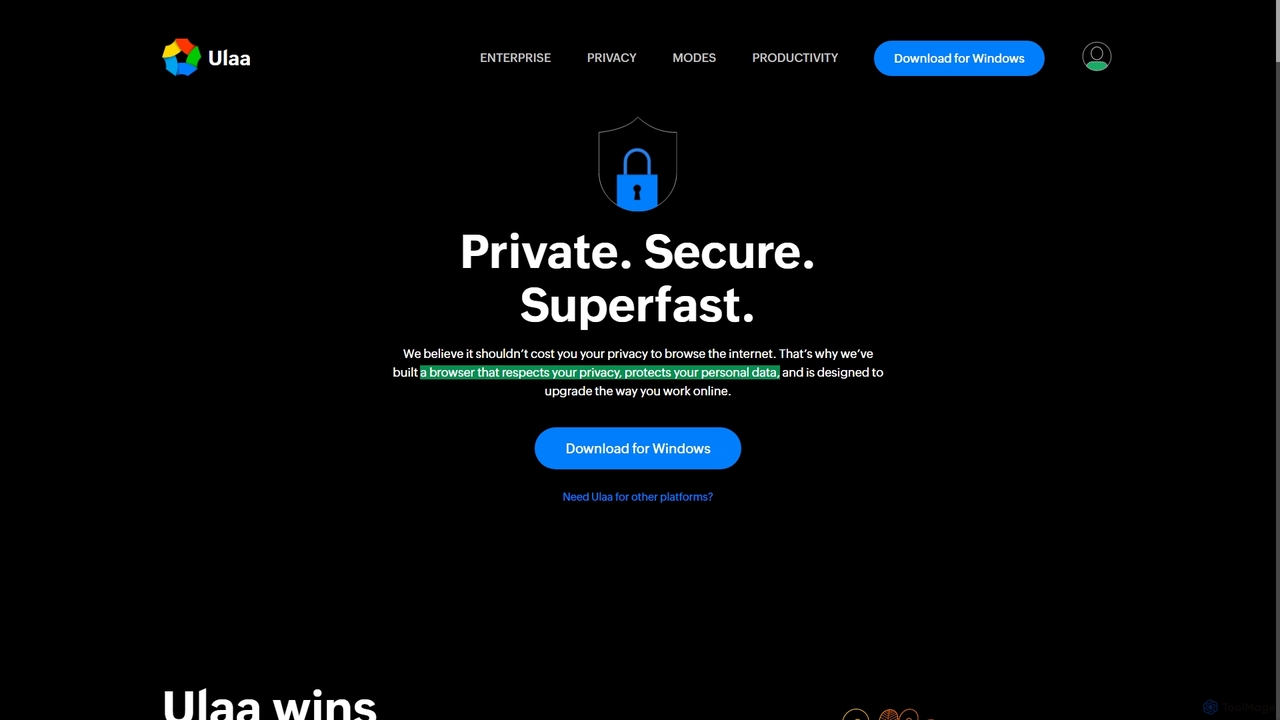
Ulaa Browser
Ulaa Browser, by Zoho, is a privacy-first, Chromium-based web browser designed for individuals and enterprises. It champions security …
Ulaa Browser, by Zoho, is a privacy-first, Chromium-based web browser designed for individuals and enterprises. It champions security with a built-in ad blocker, phishing protection, and unique browsing "Modes" to isolate work, personal, and other contexts. For businesses, Ulaa Enterprise offers advanced data loss prevention, centralized management, and AI-powered intelligence by Zia to create a secure and productive browsing environment.
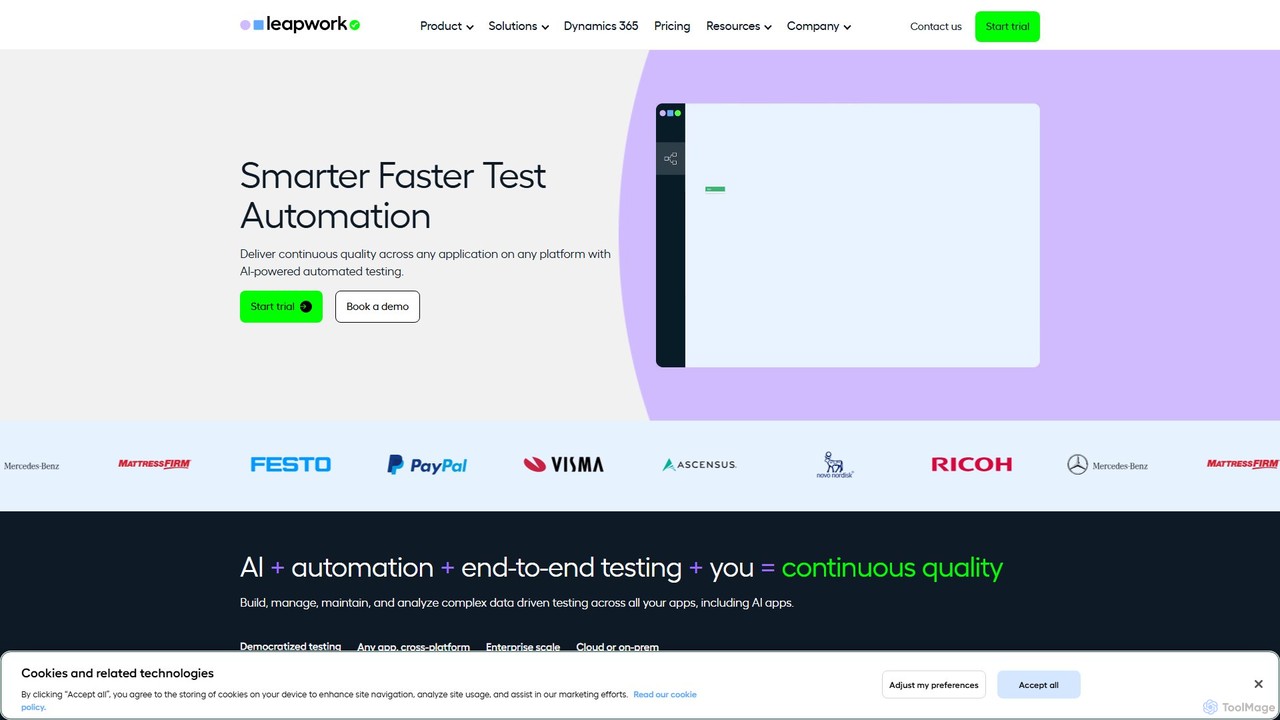
Leapwork
Leapwork is an AI-powered, no-code test automation platform designed to accelerate software testing and ensure continuous quality. It …
Leapwork is an AI-powered, no-code test automation platform designed to accelerate software testing and ensure continuous quality. It enables both technical and non-technical users to build, manage, and maintain complex automated tests across any application, including web, desktop, and AI-powered systems like Microsoft Copilot. With its visual interface, reusable components, and generative AI capabilities, Leapwork democratizes testing, reduces maintenance, and integrates seamlessly into existing DevOps pipelines, helping enterprises achieve faster releases and higher quality software.
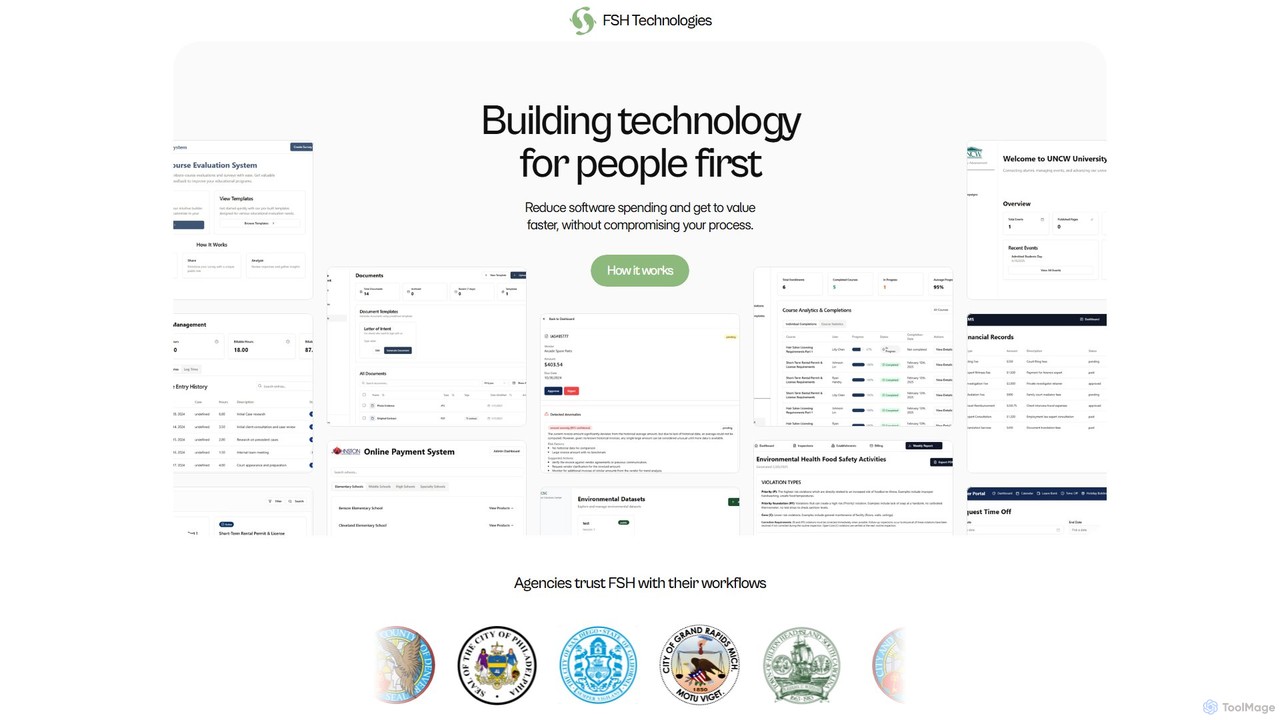
FSH Technologies
FSH Technologies provides custom software and workflow automation solutions for municipalities and public sector organizations. It focuses on …
FSH Technologies provides custom software and workflow automation solutions for municipalities and public sector organizations. It focuses on rapid development, transparent pricing with no hidden fees, and creating tailored applications to streamline complex processes, reduce spending, and increase efficiency.
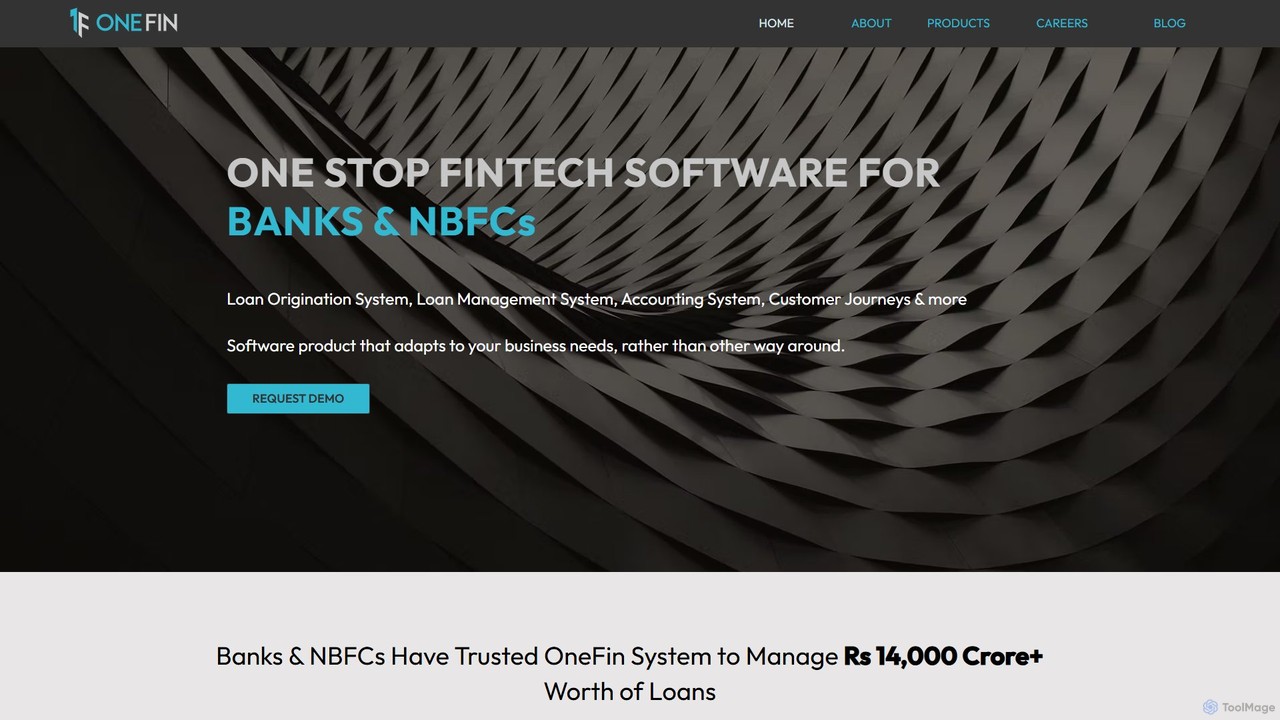
onefin
onefin is an end-to-end, AI-powered loan management platform for banks, NBFCs, and fintechs. It offers a comprehensive suite …
onefin is an end-to-end, AI-powered loan management platform for banks, NBFCs, and fintechs. It offers a comprehensive suite including a Loan Origination System (LOS), Loan Management System (LMS), and collection modules. Built on a low-code architecture, it allows for high customizability, rapid deployment, and seamless integration with over 70 external services, automating the entire lending lifecycle from application to settlement.
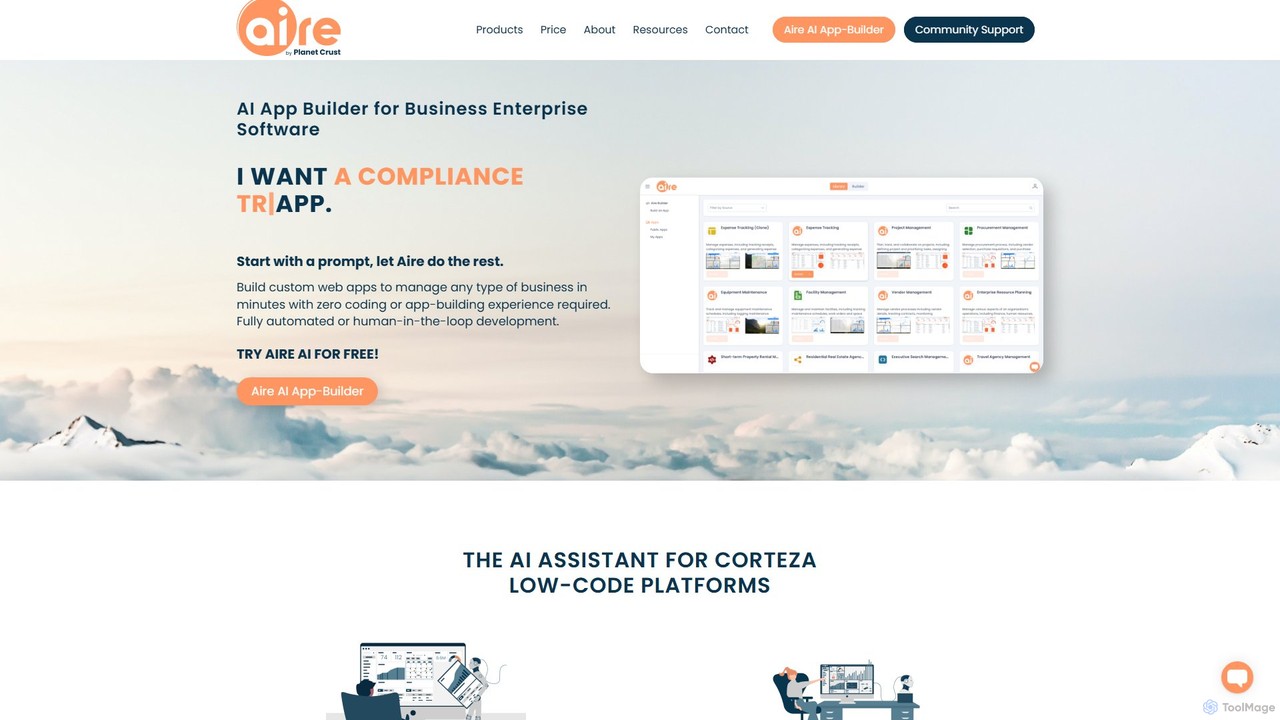
aireapps
aireapps is an AI-powered no-code platform that enables users to build custom enterprise-grade web applications from a single …
aireapps is an AI-powered no-code platform that enables users to build custom enterprise-grade web applications from a single text prompt. It's designed for both non-technical citizen developers and experienced programmers, allowing for rapid app creation, customization with a human-in-the-loop feature, and deployment on the powerful Corteza low-code platform. Build anything from CRMs to incident management tools in minutes.
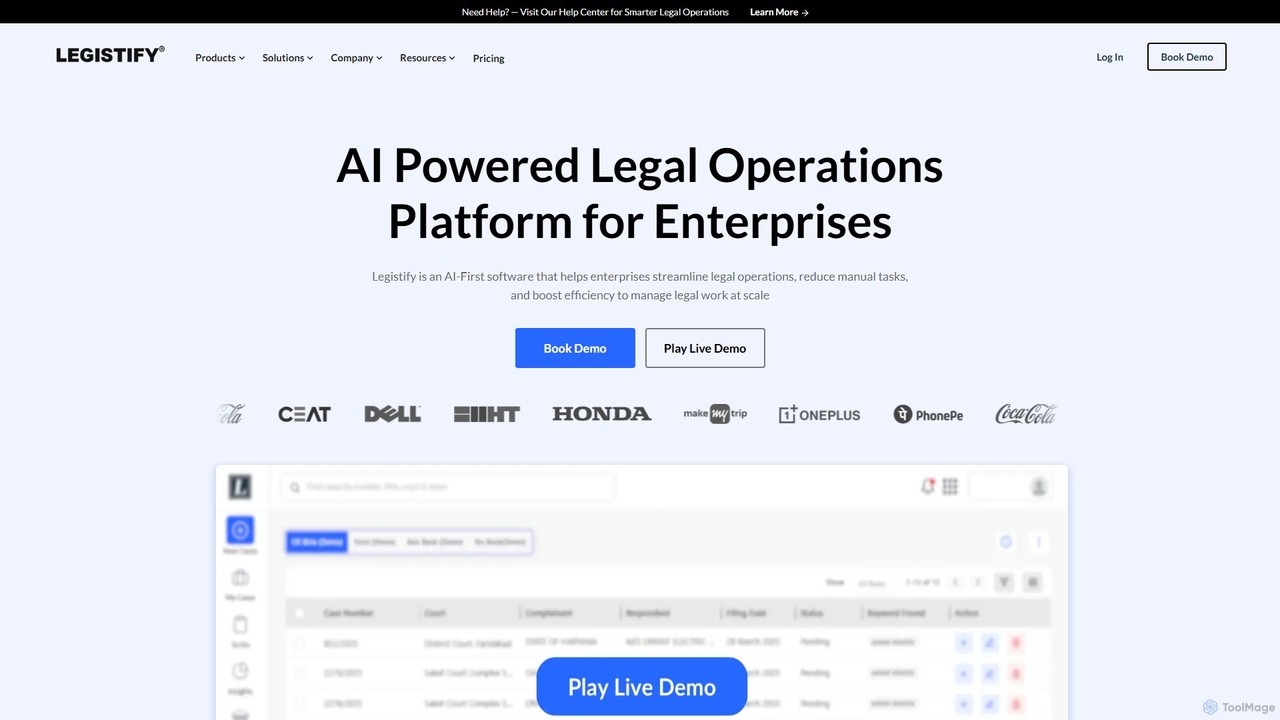
Legistify
Legistify is an AI-powered, end-to-end legal operations software for modern teams. It streamlines contract lifecycle management, litigation, intellectual …
Legistify is an AI-powered, end-to-end legal operations software for modern teams. It streamlines contract lifecycle management, litigation, intellectual property protection, and legal notices through a unified platform called LegisTrak, enhancing efficiency and reducing risk.
About Enterprise Software
Enterprise Software refers to AI-powered solutions specifically designed to meet the complex operational and strategic needs of large organizations. These tools leverage advanced artificial intelligence, machine learning, and data analytics to automate intricate workflows, optimize resource allocation, and enhance data-driven decision-making across various departments. They aim to improve efficiency, scalability, and competitive advantage within a business context.
Core Features
- Advanced Automation: Automates complex, multi-step business processes across departments, from finance to HR and supply chain.
- Intelligent Data Analytics: Provides deep insights from vast datasets, enabling predictive modeling, anomaly detection, and strategic forecasting.
- Scalable Integration: Designed to seamlessly integrate with existing enterprise systems (ERP, CRM, SCM) and scale to handle large volumes of data and users.
- Enhanced Security & Compliance: Incorporates robust security protocols and compliance features to protect sensitive corporate data and adhere to industry regulations.
- Personalized Customer & Employee Experience: Utilizes AI to tailor interactions, support, and training for both external customers and internal employees.
Applicable Scenarios
Enterprise AI software is crucial for organizations seeking to streamline global supply chains, automate large-scale customer service operations, optimize financial forecasting and risk management, or enhance cybersecurity defenses. It supports decision-makers in manufacturing, retail, healthcare, and financial services by providing actionable intelligence and automating repetitive, high-volume tasks.
How to Choose
Selecting the right enterprise AI software requires evaluating its integration capabilities with existing IT infrastructure, assessing its scalability to handle future growth, verifying its security and compliance features, and understanding the vendor's support and implementation services. Consider the total cost of ownership, including customization and training, and ensure it aligns with specific business objectives and industry requirements.
Enterprise SoftwareUse Cases
Automating Large-Scale Customer Support
For global enterprises managing millions of customer interactions daily, AI-powered chatbots and virtual assistants can handle routine inquiries, process service requests, and provide personalized support across multiple channels. This reduces call center load, improves response times, and ensures consistent service quality, freeing human agents for complex issues.
Optimizing Global Supply Chain Logistics
Manufacturing and retail giants use AI enterprise software to predict demand fluctuations, optimize inventory levels across vast networks, and manage complex logistics. AI analyzes real-time data from suppliers, transportation, and sales to identify bottlenecks, mitigate risks, and ensure timely delivery, significantly reducing operational costs and waste.
Enhancing Financial Fraud Detection
Financial institutions deploy AI to analyze billions of transactions in real-time, identifying suspicious patterns and anomalies indicative of fraud. Machine learning algorithms continuously learn from new data, improving detection accuracy and reducing false positives, thereby protecting assets and maintaining customer trust.
Streamlining HR & Talent Management
Large corporations utilize AI for talent acquisition, employee onboarding, and performance management. AI can screen resumes, automate interview scheduling, personalize learning paths, and analyze employee sentiment to improve retention and foster a productive work environment, especially in diverse, geographically dispersed teams.
Predictive Maintenance in Manufacturing
Industrial enterprises leverage AI to monitor the health of machinery and equipment across multiple factories. Sensors collect data which AI analyzes to predict potential failures before they occur, scheduling maintenance proactively. This minimizes downtime, extends equipment lifespan, and optimizes production schedules, leading to significant cost savings.
Personalized Marketing & Sales Automation
E-commerce platforms and B2B companies use AI to analyze customer behavior, segment audiences, and personalize marketing campaigns at scale. AI automates lead scoring, recommends products, and tailors sales communications, leading to higher conversion rates and improved customer lifetime value across a vast customer base.