Array Assistant
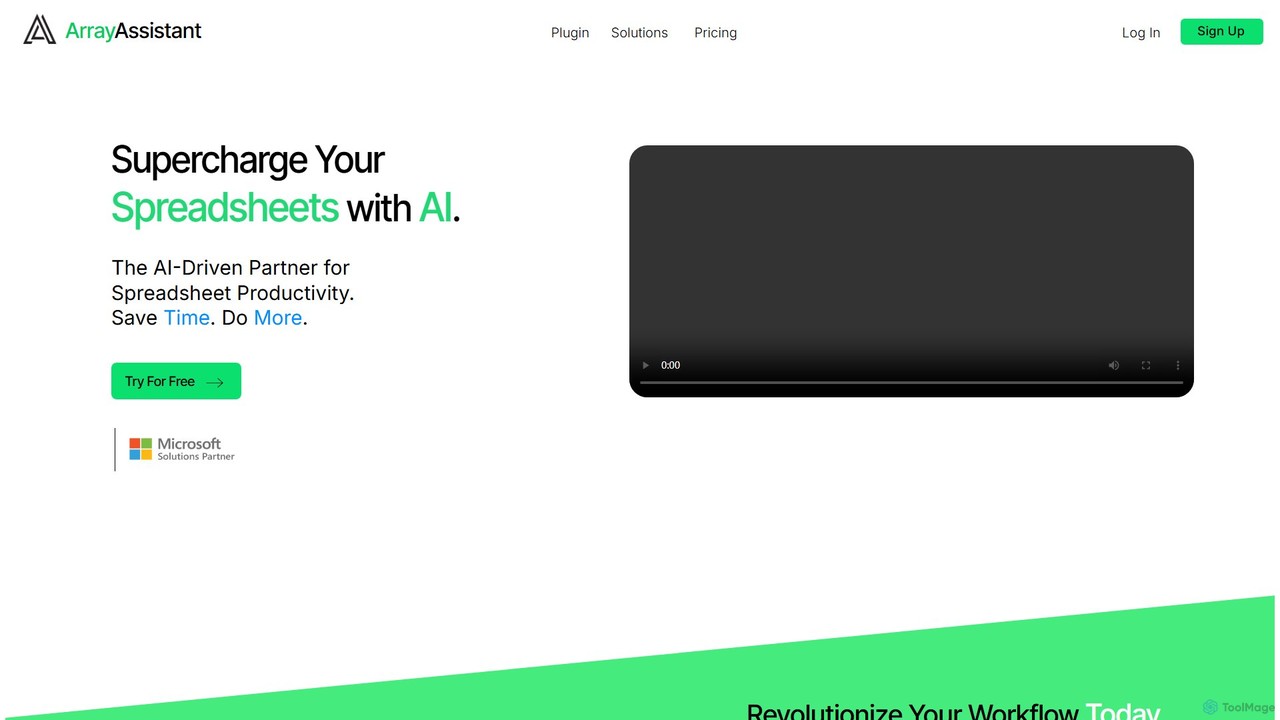
Array Assistant is an AI-powered plugin for spreadsheets that supercharges your productivity. It helps you generate complex formulas, …
Array Assistant is an AI-powered plugin for spreadsheets that supercharges your productivity. It helps you generate complex formulas, clean and organize data, summarize text, explain problems, and design automations, all within your existing workflow. Ideal for professionals, students, and anyone who uses spreadsheets.
SheetSavvy AI
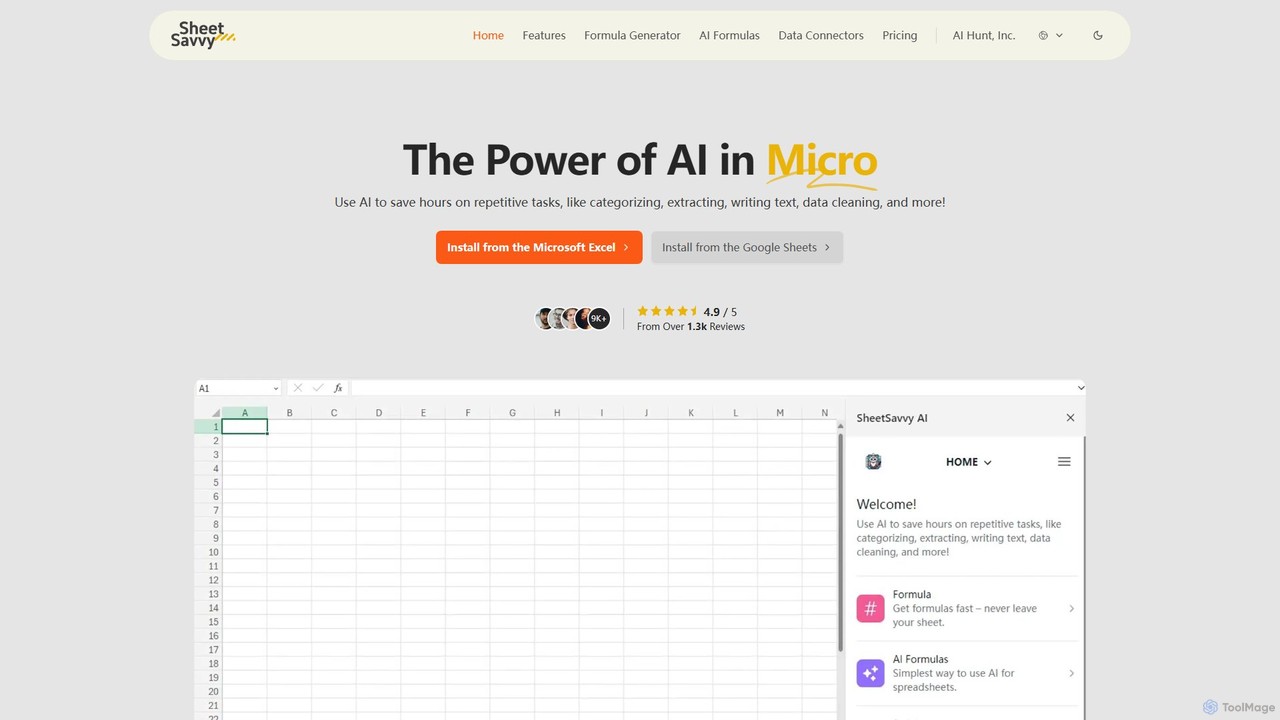
SheetSavvy AI is an AI-powered assistant for Google Sheets and Microsoft Excel, designed to automate repetitive tasks. It …
SheetSavvy AI is an AI-powered assistant for Google Sheets and Microsoft Excel, designed to automate repetitive tasks. It features a formula generator, AI-driven formulas for data cleaning and analysis, and seamless data connectors to import live data, significantly boosting spreadsheet productivity.
About Finance
AI Finance tools are a category of advanced software leveraging artificial intelligence to automate, analyze, and optimize financial processes. These tools utilize machine learning, natural language processing, and predictive analytics to process vast amounts of financial data, identify patterns, and generate actionable insights. They empower individuals and businesses within the broader business landscape to make more informed decisions, manage risks effectively, and enhance operational efficiency across various financial domains.
Core Features
- Automated Data Analysis: Rapidly processes complex financial datasets to uncover trends and anomalies.
- Predictive Modeling: Forecasts market movements, assesses credit risk, and predicts future financial outcomes.
- Fraud Detection: Identifies suspicious transactions and patterns in real-time to prevent financial crime.
- Personalized Financial Advice: Offers tailored investment recommendations and budgeting strategies based on individual profiles.
- Robo-Advisory Services: Provides automated, algorithm-driven investment management with minimal human intervention.
Applicable Scenarios
AI Finance tools are indispensable for investment banks optimizing portfolio performance, retail banks enhancing fraud detection and credit scoring, and individual investors seeking personalized wealth management. They also assist compliance officers in monitoring regulatory adherence and automating reporting processes.
How to Choose
When selecting an AI Finance tool, prioritize accuracy and reliability of its algorithms, robust data security measures compliant with financial regulations (e.g., GDPR, CCPA), and seamless integration capabilities with existing financial systems. Consider the level of customization offered to adapt to specific market conditions or investment strategies, and evaluate the user interface for ease of use and accessibility.
FinanceUse Cases
Automated Investment Portfolio Optimization
Wealth managers and individual investors utilize AI tools to analyze market data, predict asset performance, and automatically rebalance portfolios. This ensures portfolios align with risk tolerance and financial goals, maximizing returns while minimizing manual oversight and emotional biases.
Real-time Fraud Detection in Banking
Financial institutions deploy AI systems to monitor millions of transactions instantly. These systems identify unusual spending patterns, geographic anomalies, or suspicious transaction sequences that indicate potential fraud, alerting security teams before significant losses occur and protecting customer assets.
Personalized Financial Planning and Budgeting
Individuals leverage AI-powered apps to track income and expenses, categorize spending, and receive tailored budgeting advice. The AI learns spending habits to suggest savings opportunities, predict future cash flow, and help users achieve specific financial milestones like debt reduction or retirement planning.
Enhanced Credit Risk Assessment for Loans
Lending institutions use AI to analyze a broader range of applicant data, including traditional credit scores, behavioral patterns, and alternative data sources. This allows for more accurate and inclusive credit risk assessments, leading to faster loan approvals and reduced default rates, especially for underserved populations.
Market Trend Prediction for Traders
Professional traders and hedge funds employ AI to analyze vast amounts of news, social media sentiment, and historical market data. The AI identifies emerging trends, predicts price movements, and helps develop sophisticated algorithmic trading strategies, providing a competitive edge in volatile markets.
Automated Regulatory Compliance Monitoring
Compliance officers in financial firms use AI tools to continuously monitor transactions, communications, and internal processes against complex regulatory requirements. The AI flags potential violations, automates reporting, and ensures adherence to anti-money laundering (AML) and know-your-customer (KYC) regulations, reducing human error and penalties.