Business Best in category 12 results Financial Management AI Tool

Popular AI tools in the Financial Management field of Business include Rocketlane、Digits、gryzzly、Forecastr、Fina、Booke AI、Truewind、Quanta、Corpdaq、Servcy, etc., helping you quickly improve efficiency.

FinancesBox

FinancesBox

FinancesBox is an AI-powered financial assistant designed to provide personalized advice, budget planning, investment strategies, and debt solutions. …

3.2K
Rocketlane

Rocketlane

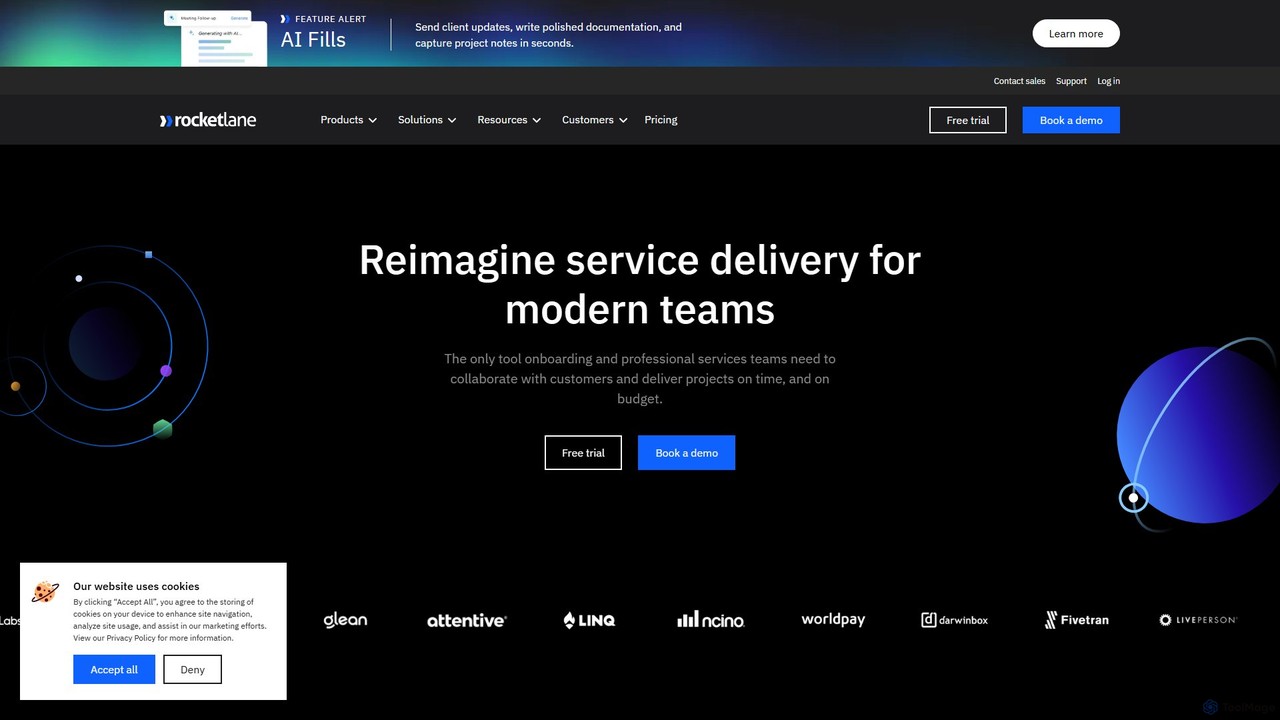
Rocketlane is a unified platform for professional services automation (PSA) and customer onboarding. It combines project management, resource …

169.3K
Booke AI

Booke AI

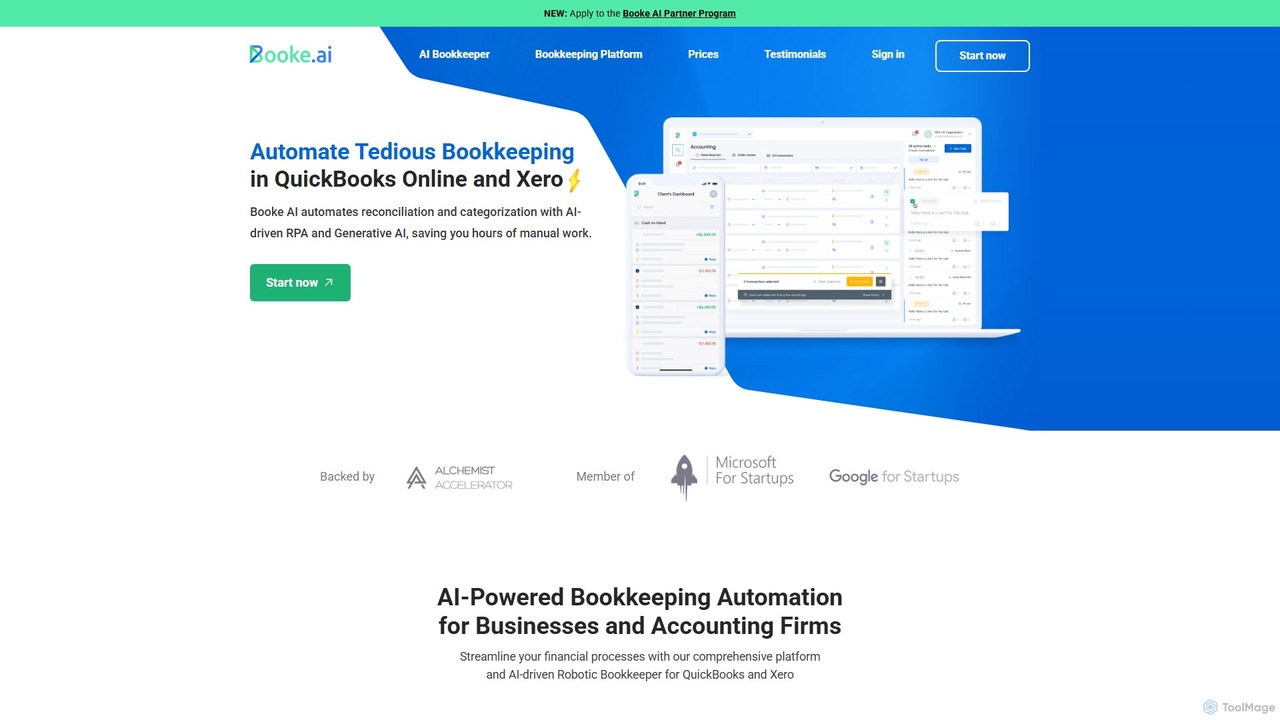
Booke AI is an intelligent bookkeeping automation platform for businesses and accounting firms. It uses AI and RPA …

19.5K
double

double

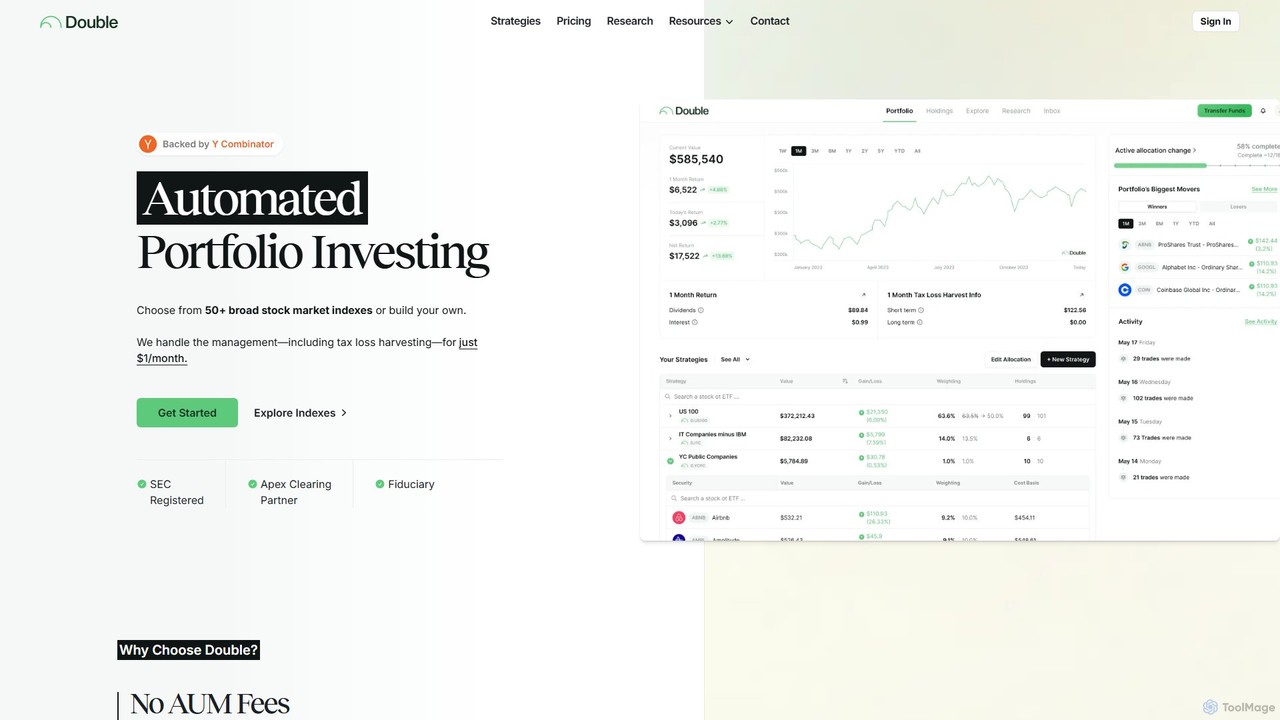
double is an AI-powered financial analyst designed for investment professionals. It uses advanced AI to analyze complex financial …

3.2K
Digits

Digits

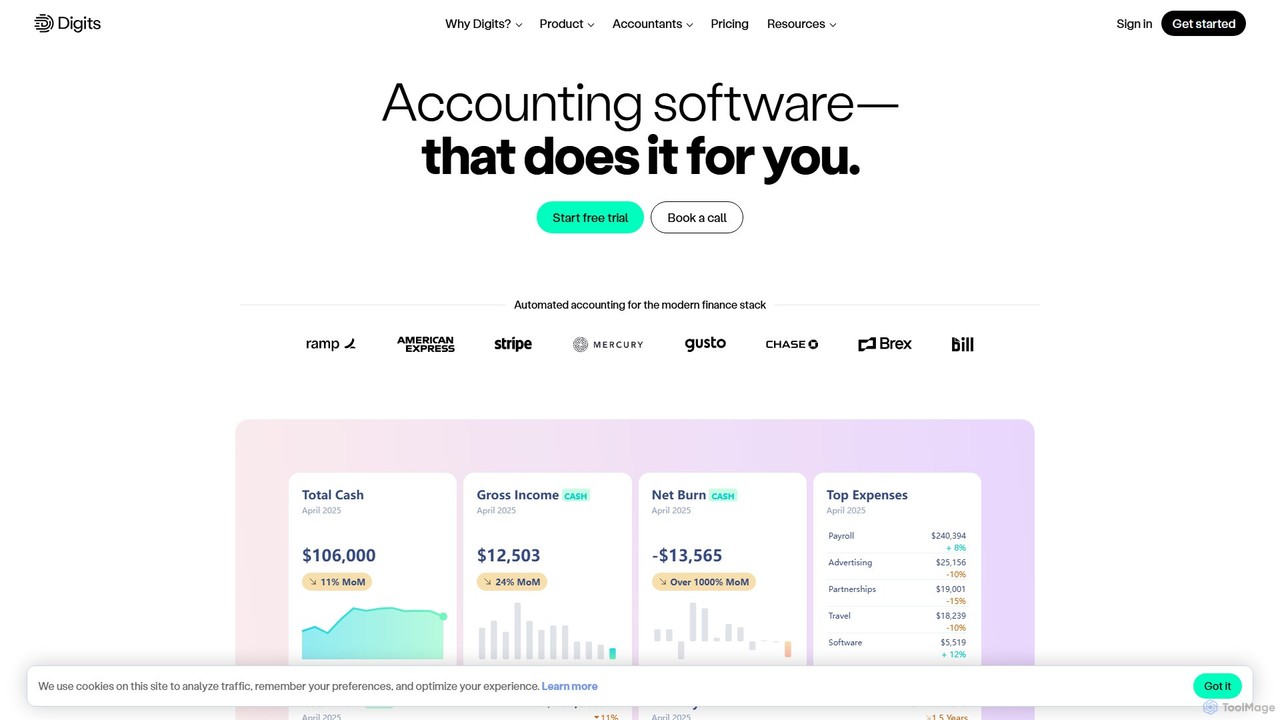
Digits is an AI-native accounting platform that automates bookkeeping, financial reporting, bill pay, and invoicing for startups, small …

88.7K
Forecastr

Forecastr

Forecastr provides a powerful combination of financial forecasting software and expert CFO services. It's designed to help founders …

37.3K
Corpdaq

Corpdaq

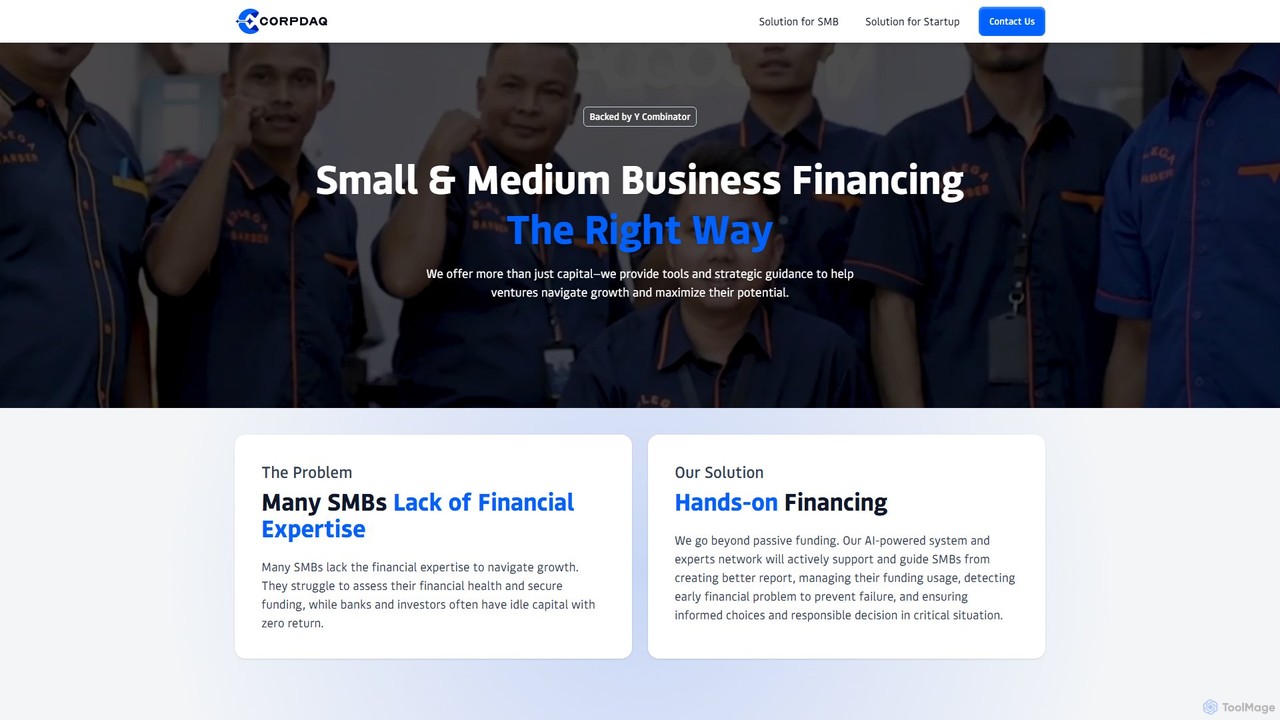
Corpdaq is a Y Combinator-backed, AI-powered financing platform for SMBs. It provides not just capital, but also a …

3.2K
Truewind

Truewind

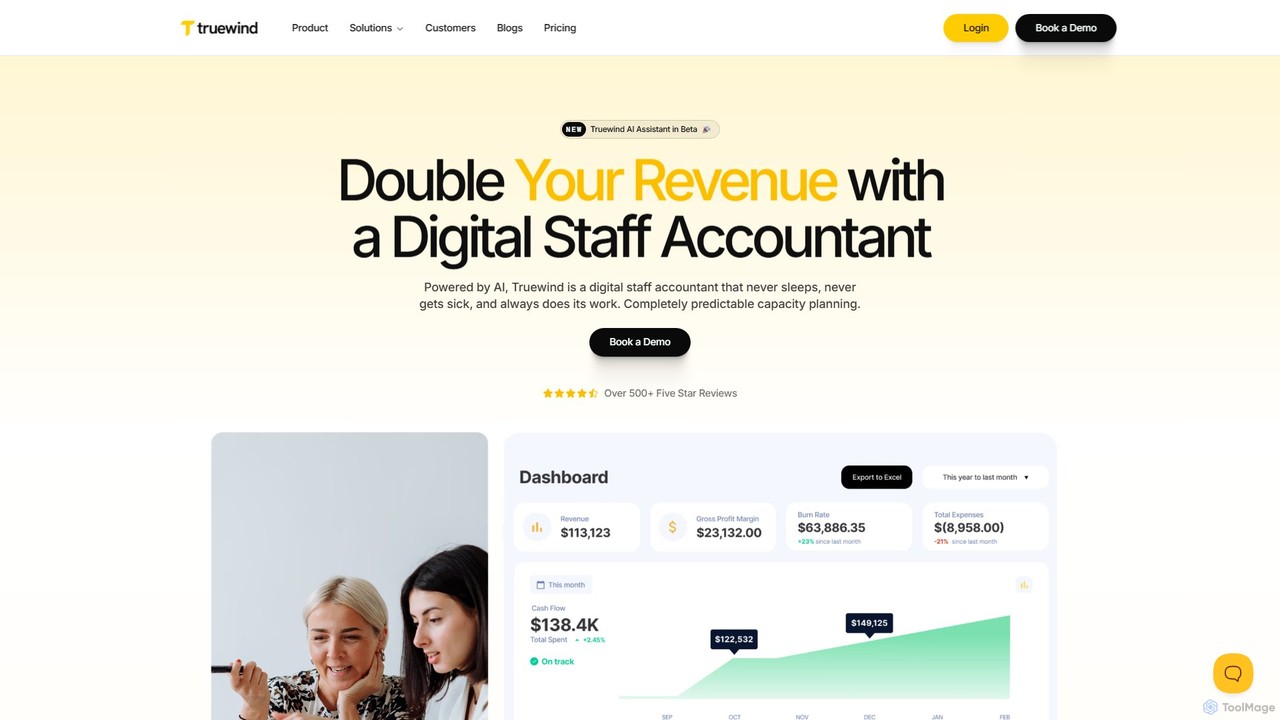
Truewind is an AI-powered digital staff accountant designed to automate and accelerate accounting workflows. It automates tasks like …

9.1K
Fina

Fina

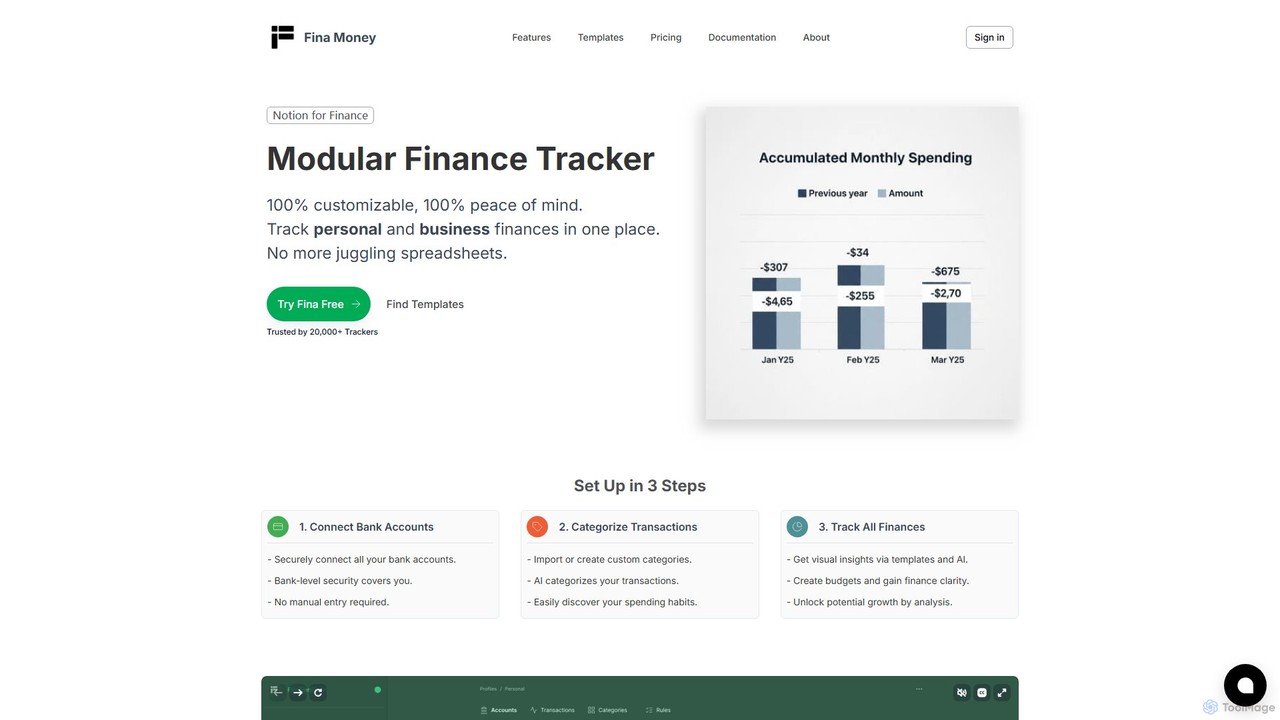
Fina is an AI-powered, modular finance tracker designed for ultimate flexibility. It helps users manage personal and business …

24.8K
Quanta

Quanta

Quanta is an AI-powered, full-service accounting platform designed specifically for software companies. It combines smart technology with expert …

8.7K
Servcy

Servcy

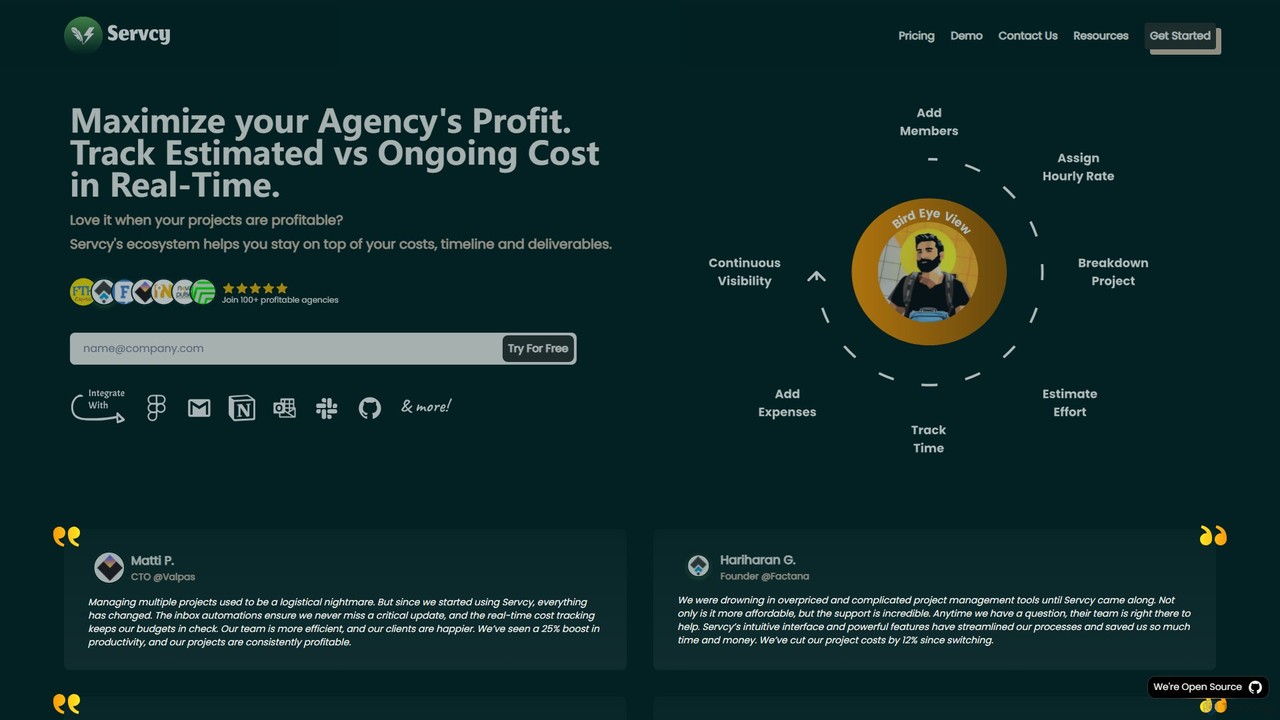
Servcy is a project tracking ecosystem designed for freelance agencies to maximize profitability. It offers real-time tracking of …

3.2K
gryzzly

gryzzly

Gryzzly is an AI-powered time tracking and project management tool that uses a chatbot in Slack and MS …

39.8K

About Financial Management

AI Financial Management tools are a class of software that leverages artificial intelligence to automate and optimize financial operations. These tools utilize machine learning for predictive forecasting, natural language processing (NLP) to analyze invoices, and algorithms to detect anomalies in spending. They empower businesses and individuals to streamline expense tracking, improve budget accuracy, and gain data-driven insights from their financial data. This leads to more informed strategic decisions and enhanced operational efficiency.

Core Features

  • Automated Data Entry & Categorization: Automatically extracts data from receipts and invoices, and categorizes transactions to reduce manual work.
  • Predictive Cash Flow Forecasting: Uses historical data and AI models to project future cash flow, helping to manage liquidity.
  • Intelligent Budgeting: Analyzes past spending to suggest realistic budgets and provides real-time alerts on spending variances.
  • Anomaly & Fraud Detection: Monitors financial activities to identify unusual patterns or potentially fraudulent transactions instantly.
  • Real-time Financial Reporting: Generates dynamic, easy-to-understand reports and dashboards for a clear view of financial health.

Use Cases

These tools are widely used by startups and small to medium-sized enterprises (SMEs) to maintain financial control without a large finance team. Finance departments in larger companies use them to automate accounts payable/receivable and improve forecasting accuracy. Freelancers and consultants also benefit from simplified invoicing and expense management.

How to Choose

When selecting an AI Financial Management tool, consider its integration capabilities with your existing accounting software (e.g., QuickBooks, Xero). Evaluate the tool's security protocols for protecting sensitive financial data. Assess the sophistication of its forecasting and analytics features against your business needs, and consider the user interface's ease of use for non-financial staff.

Financial ManagementUse Cases

1

Automated Expense Report Processing for Teams

A sales manager for a mid-sized company often spends hours each week manually reviewing and approving expense reports from their team. By implementing an AI Financial Management tool, the process becomes automated. Sales team members simply take photos of their receipts, and the AI uses Optical Character Recognition (OCR) to extract data like vendor, date, and amount. The tool automatically categorizes expenses, checks them against company policy, and flags any violations or duplicates. The manager now only needs to review the exceptions, reducing approval time by over 80% and ensuring compliance.

2

Real-time Cash Flow Forecasting for Startups

A startup founder needs to carefully manage their limited cash reserves to ensure they have enough runway. An AI Financial Management tool connects to the company's bank accounts and accounting software. It analyzes incoming payments, recurring subscriptions, payroll, and outstanding invoices to generate a real-time cash flow forecast for the next 30, 60, and 90 days. This allows the founder to anticipate potential shortfalls, make timely decisions about spending or fundraising, and confidently plan for future growth without manually crunching numbers in a spreadsheet.

3

Intelligent Invoice Management for Freelancers

A freelance graphic designer juggles multiple projects and clients, making invoicing and payment tracking a time-consuming administrative task. Using an AI Financial Management tool, they can automate this entire workflow. The tool generates professional invoices from templates, sends them to clients on a schedule, and automatically tracks their status. It uses AI to send intelligent, personalized payment reminders for overdue invoices. By connecting to their bank account, it also automatically reconciles payments, giving the designer a clear, up-to-date view of their accounts receivable and freeing up more time for creative work.

4

Financial Anomaly Detection for Small Businesses

The owner of a small retail business wants to prevent financial leakage and potential fraud but lacks the resources for a dedicated auditor. They use an AI Financial Management tool that continuously monitors all transactions from their point-of-sale system and bank accounts. The AI learns the business's typical spending patterns. It then automatically flags anomalies such as unusually large payments to a new vendor, duplicate invoices, or sudden spikes in a specific expense category. The owner receives an instant alert, allowing them to investigate and address the issue immediately, safeguarding the business's assets.

5

AI-Assisted Budget Creation and Monitoring

A finance officer at a non-profit organization needs to create an annual budget that is both realistic and aligned with strategic goals. Instead of starting from scratch, they use an AI tool that analyzes the last three years of financial data. The AI suggests a baseline budget, identifying trends in donations and expenses. Once the budget is set, the tool provides a real-time dashboard comparing actual spending against the budget for each department. It sends automated weekly reports and alerts the officer if any category is approaching its limit, enabling proactive budget management and ensuring funds are used effectively.

6

Streamlining Tax Preparation for Small Businesses

At the end of the fiscal year, a small e-commerce business owner faces the daunting task of preparing for tax season. By using an AI Financial Management tool throughout the year, the process is greatly simplified. The tool has automatically categorized every transaction, from inventory purchases to marketing spend. It uses AI to identify potentially deductible expenses that might otherwise be missed. When it's time to file, the owner can generate comprehensive reports, such as a profit and loss statement and a summary of categorized expenses, ready to be shared with their accountant or imported directly into tax software, saving days of manual work.

Financial ManagementFrequently Asked Questions