ToolMage
Sign in

Best 10 Forecasting AI tools for Finance

Popular Forecasting AI tools in Finance include Forecastr, bizplanr, 5-Out, BizPlanner.ai, Electe, PI.EXCHANGE, Stadai, pythia, and Dvina, helping you work more efficiently.

5-Out
Paid

5-Out

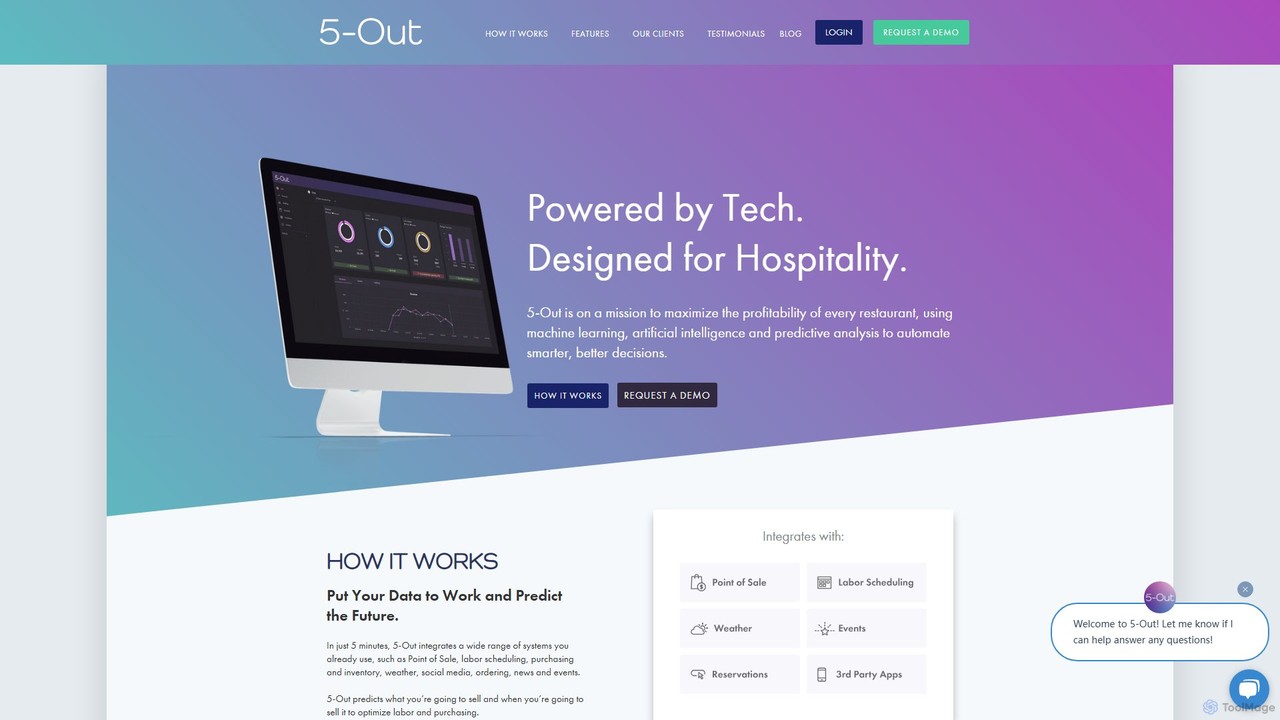
5-Out is an AI-powered forecasting platform designed for the restaurant industry. It integrates with your existing systems like POS, scheduling, and inventory to predict sales with up to 98% accuracy. By analyzing your data alongside external factors like weather and events, 5-Out provides real-time recommendations for optimizing labor and purchasing, helping restaurants increase profitability and reduce waste.

Analytics
Visits 6.3KFavorites 128Likes 141
Electe
Paid

Electe

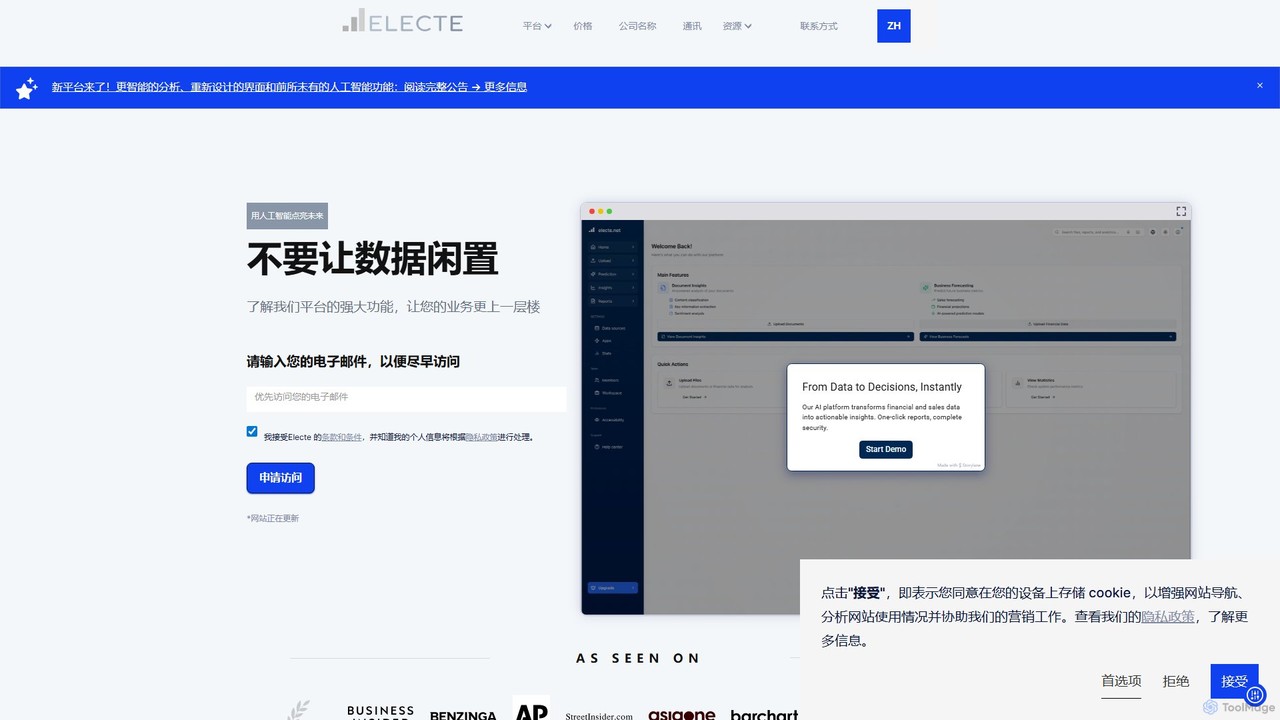
Electe is an AI-powered data analytics platform designed to help businesses of all sizes unlock the potential of their data. It automates data connection, analysis, and reporting, enabling teams to gain valuable insights, forecast sales trends, and make informed decisions without requiring deep technical expertise. The platform aims to enhance efficiency, drive innovation, and boost profitability through accessible and powerful data tools.

Business Intelligence
Visits 4KFavorites 135Likes 136
Forecastr
Paid

Forecastr

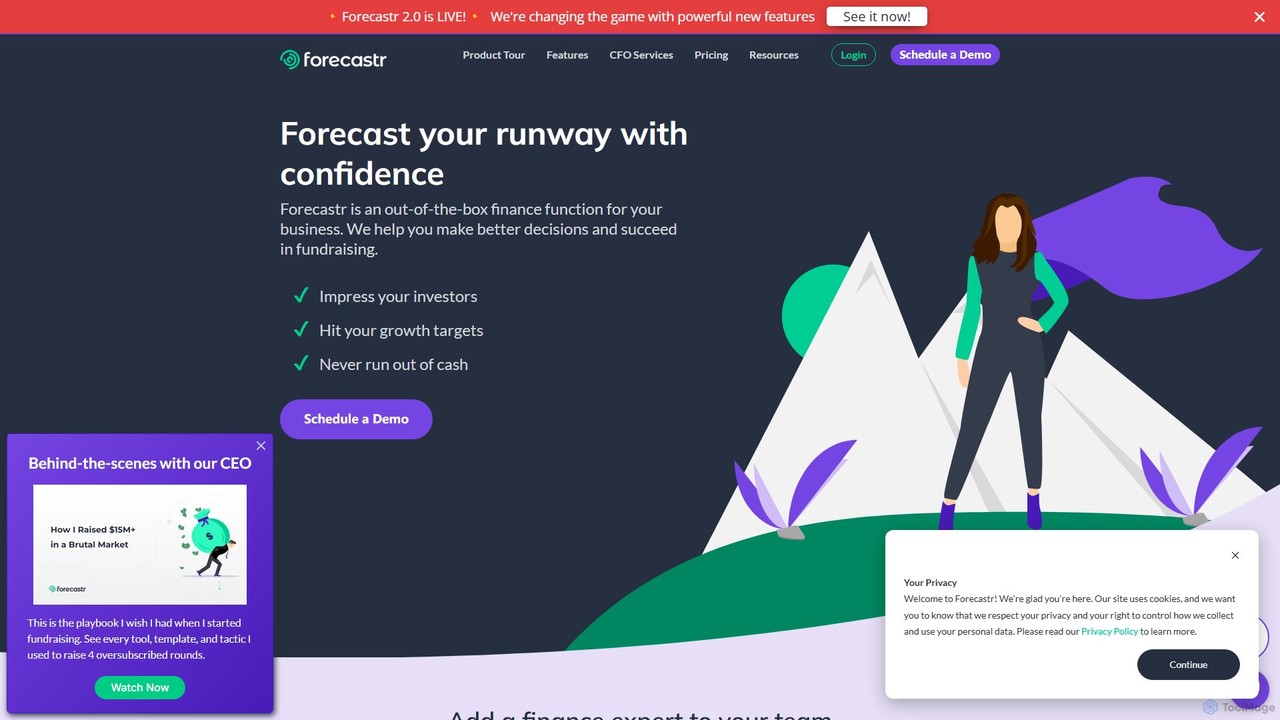
Forecastr provides a powerful combination of financial forecasting software and expert CFO services. It's designed to help founders and businesses build investor-ready financial models, manage cash flow effectively, and make data-driven decisions to achieve growth and secure funding.

Financial Management
Visits 37.7KFavorites 117Likes 132
BizPlanner.ai
Paid

BizPlanner.ai

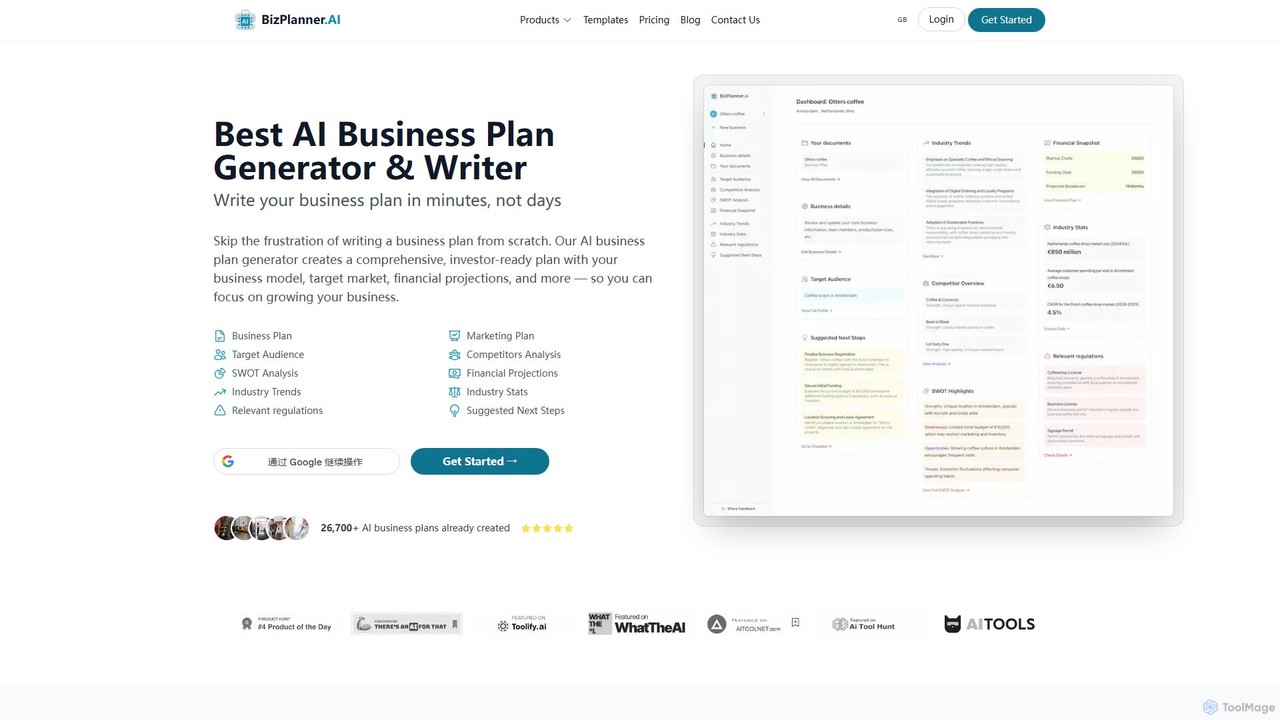
BizPlanner.ai is an AI-powered business plan generator that enables entrepreneurs to create comprehensive, investor-ready business plans in under 15 minutes. By answering a few simple questions, users receive a detailed plan including market analysis, financial projections, SWOT analysis, and more. It offers an intuitive editor, flexible regeneration options, and export to PDF/Word, making professional business planning fast, affordable, and accessible.

Planning
Visits 5.6KFavorites 114Likes 102
Electe
Paid

Electe

Electe is an AI-powered business intelligence platform designed to transform raw data into actionable insights. It automates data connection, analysis, and reporting, enabling teams of all technical levels to make smarter decisions. With features like sales forecasting, AI-driven document analysis, and customizable reports, Electe helps businesses enhance efficiency, drive innovation, and gain a competitive edge.

Business Intelligence
Visits 3.6KFavorites 101Likes 115
PI.EXCHANGE
Paid

PI.EXCHANGE

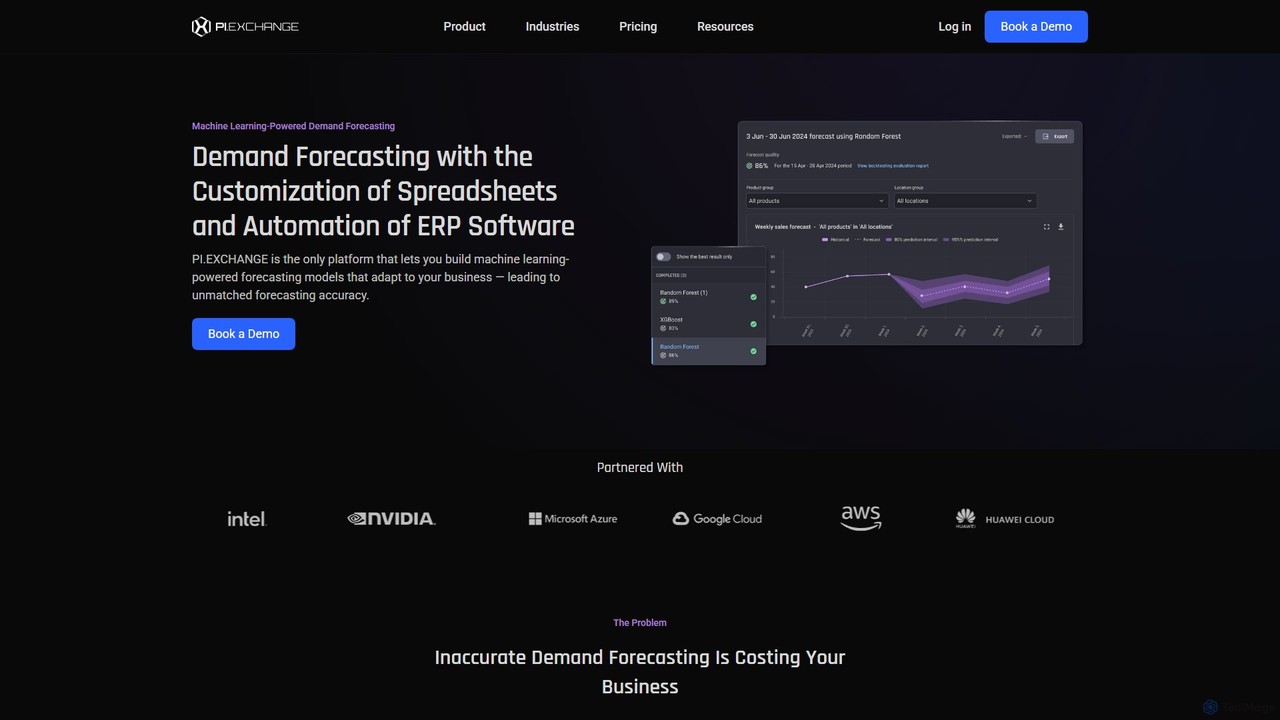
PI.EXCHANGE is an enterprise-grade, no-code machine learning platform designed for businesses. It offers specialized studios for demand forecasting, customer insights, and custom model building, enabling users to create highly accurate predictive models without writing code. The platform automates data pipelines, integrates external factors, and supports collaborative scenario planning to drive data-informed decisions and improve business outcomes.

Predictive Analytics
Visits 3.6KFavorites 109Likes 120
Stadai
Freemium

Stadai

Stadai is an advanced AI-powered platform for data analysis, business intelligence, and predictive modeling. It empowers users to transform complex data into actionable insights, automate reporting, and forecast trends through an intuitive, no-code interface.

Business Intelligence
Visits 3.5KFavorites 122Likes 108
pythia
Freemium

pythia

Pythia is an AI-powered predictive analytics and strategic intelligence platform. It empowers businesses to analyze complex data, forecast future trends, and make data-driven decisions with unparalleled accuracy, acting as a digital oracle for modern enterprises.

Predictive Analytics
Visits 3.4KFavorites 127Likes 121
Dvina
Freemium

Dvina

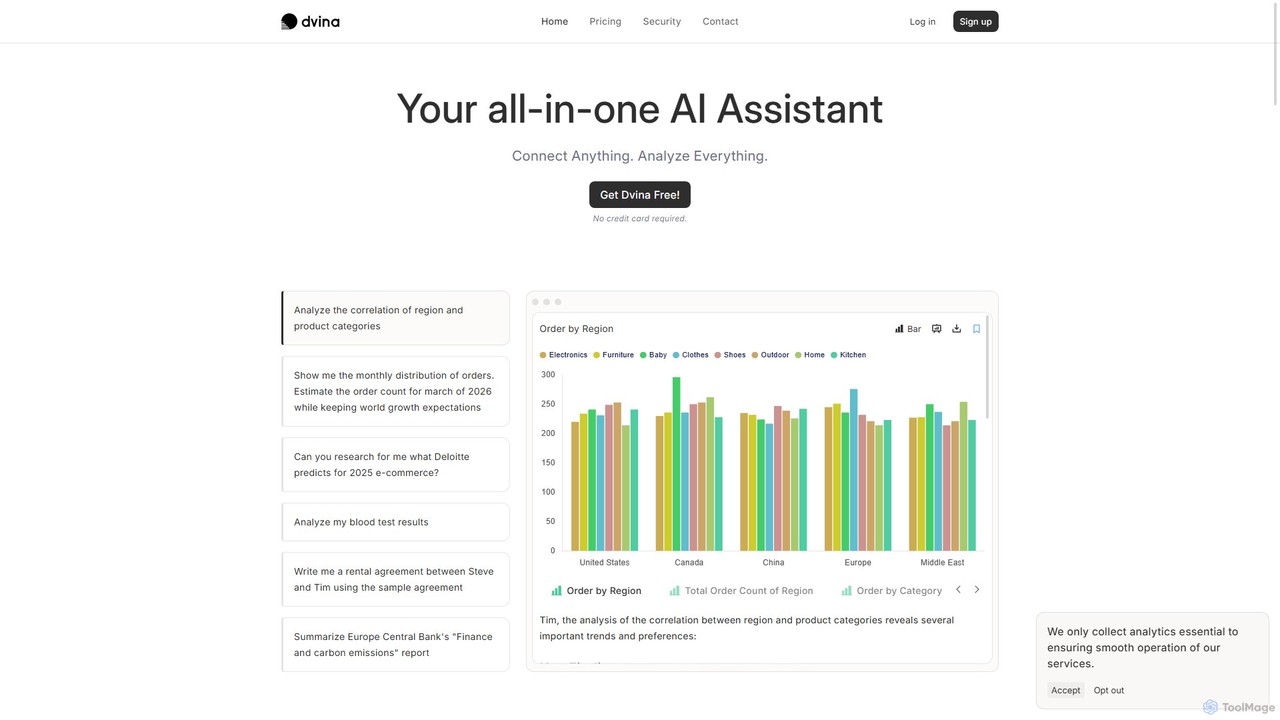
Dvina is an all-in-one AI assistant that transforms how you interact with data. Connect to various sources like files, databases, and apps, and use natural language to perform complex data analysis, generate reports, get forecasts, and automate tasks without writing any code.

Business Intelligence
Visits 3.3KFavorites 127Likes 148
bizplanr
Freemium

bizplanr

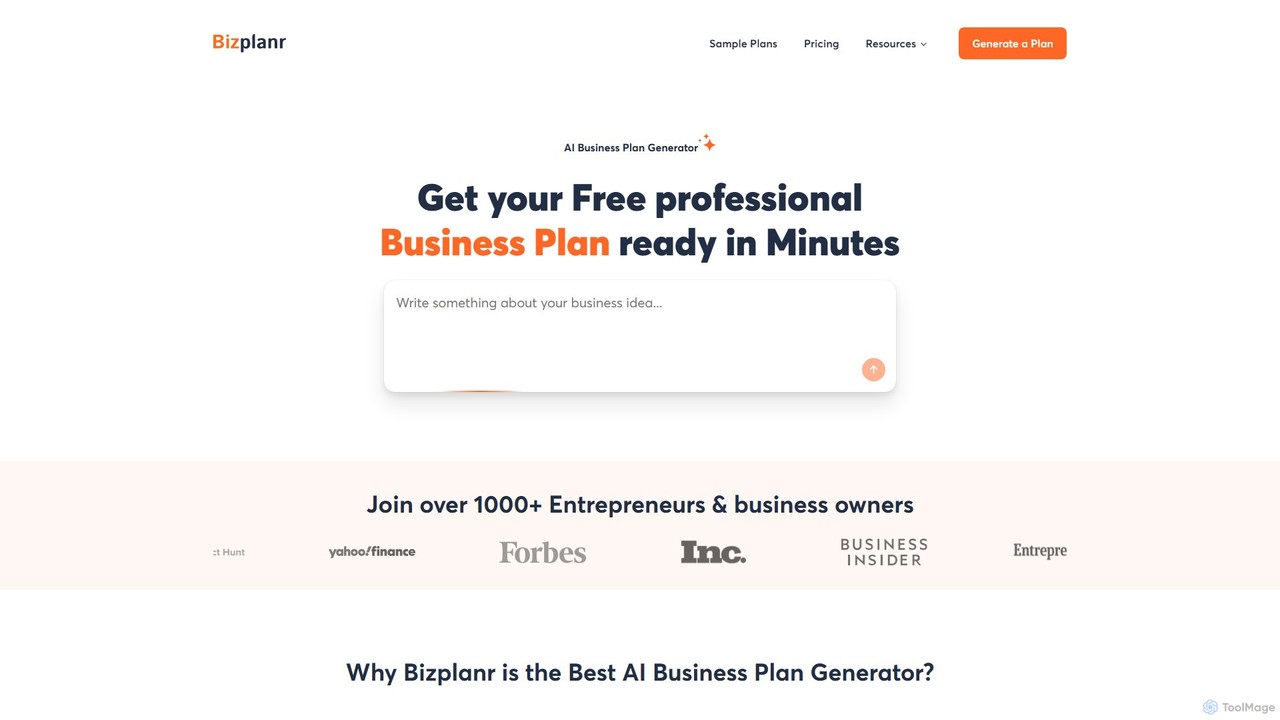
bizplanr is a free AI-powered business plan generator designed for entrepreneurs, startups, and small business owners. By answering a few simple questions, users can generate a professional, comprehensive, and investor-ready business plan in minutes. The tool simplifies the complex process of planning, market analysis, and financial forecasting, making it accessible to everyone, regardless of their business expertise. It is a subsidiary of the renowned business planning company, Upmetrics.

Planning
Visits 25.7KFavorites 132Likes 127

About Forecasting

AI Forecasting tools are a specialized category of financial software that use machine learning algorithms to predict future economic and business outcomes. These tools analyze vast historical time-series data, identify complex patterns, and build predictive models to generate accurate financial projections. They are primarily used by finance professionals to improve strategic planning, manage risk, and optimize resource allocation. Unlike traditional spreadsheet-based methods, AI forecasting provides more dynamic, data-driven insights for complex financial environments.

Core Features

  • Time-Series Analysis: Automatically processes historical data to identify trends, seasonality, and cyclical patterns.
  • Predictive Modeling: Utilizes algorithms like ARIMA, Prophet, and neural networks to generate future value predictions.
  • Scenario Simulation: Allows users to model the impact of different variables, such as interest rate changes, on future forecasts.
  • Automated Data Integration: Connects with ERPs, CRMs, and market data sources to ensure forecasts are based on current information.
  • Anomaly Detection: Identifies unusual data points that could indicate errors, fraud, or significant market shifts.

Use Cases

These tools are essential for corporate finance (FP&A) teams for revenue and cash flow forecasting, investment firms for predicting market trends, and retail businesses for demand planning. They help CFOs, financial analysts, and portfolio managers make informed decisions based on probabilistic outcomes rather than static assumptions.

How to Choose

When selecting a tool, consider the complexity of its models and whether it allows for customization. Evaluate the ease of integration with your existing data systems (e.g., SAP, Oracle) and the level of explainability (XAI) it offers for its predictions. Also, assess its scalability to handle growing data volumes and whether its user interface is suitable for your team's technical skill level.

Featured tool rankings

Forecasting use cases

1

Corporate Revenue and Cash Flow Forecasting

A Financial Planning & Analysis (FP&A) analyst at a mid-sized tech company needs to create the quarterly revenue forecast. Instead of spending days manually consolidating data in spreadsheets, they use an AI forecasting tool. The tool automatically integrates sales data from Salesforce, expense data from SAP, and historical performance records. It then generates a probabilistic forecast with best-case, worst-case, and most-likely scenarios, allowing the analyst to identify key drivers and potential risks. This process reduces forecasting time by over 70% and increases accuracy by accounting for seasonality and market trends.

2

Stock Market Trend Analysis for Investment

An investment analyst at a hedge fund uses an AI forecasting tool to predict the performance of a specific tech stock. The tool ingests real-time market data, historical stock prices, company financial reports, and even sentiment analysis from news articles. By applying a Long Short-Term Memory (LSTM) neural network model, the tool forecasts the stock's price movement for the next 30 days with a confidence interval. This allows the analyst to make a data-backed recommendation to either buy, hold, or sell, moving beyond simple technical indicators to a more holistic predictive model.

3

E-commerce Demand and Inventory Planning

The finance manager for an online retail company needs to optimize inventory levels to avoid stockouts or overstocking, which ties up capital. They use an AI forecasting tool that analyzes past sales data, website traffic, marketing campaign schedules, and even external factors like holidays and competitor promotions. The model predicts product demand for the next quarter at a SKU level. This allows the finance team to work with operations to allocate budget for inventory purchases more effectively, improving cash flow and maximizing return on investment for stocked goods.

4

Credit Risk and Loan Default Prediction

A credit analyst at a financial institution is assessing a portfolio of small business loan applications. Using an AI forecasting tool, they can predict the likelihood of default for each applicant. The model analyzes traditional data like credit scores and financial statements, but also incorporates alternative data such as industry trends and payment histories from suppliers. The tool provides a risk score for each application, enabling the analyst to make faster, more consistent, and more accurate lending decisions, ultimately reducing the institution's exposure to bad debt.

5

Strategic Budgeting and Variance Analysis

A CFO is leading the annual budgeting process for a multinational corporation. They use an AI forecasting platform to generate baseline budget proposals for each department. The AI considers historical spending, projected revenue growth, and macroeconomic indicators like inflation rates. As the year progresses, the tool continuously compares actual spending against the forecast, automatically flagging significant variances. This allows the finance team to proactively investigate deviations and adjust forecasts in real-time, leading to more agile financial management and better resource control.

6

Predicting Supply Chain Cost Fluctuations

A procurement manager in a manufacturing company is responsible for managing costs of raw materials. They use an AI forecasting tool to predict price fluctuations for key commodities like steel and oil. The model analyzes historical price data, geopolitical events, shipping costs, and currency exchange rates. By forecasting a likely price increase in the next quarter, the manager can decide to purchase materials in bulk now to lock in a lower price, saving the company significant costs and preventing production delays due to material shortages.

Forecasting FAQ

What are AI Forecasting tools in a financial context?

AI Forecasting tools are advanced software applications that use machine learning (ML) and artificial intelligence to predict financial outcomes. Unlike traditional methods that rely on simple historical averages, these tools analyze complex, multi-dimensional datasets, including time-series data, market trends, and economic indicators. They build sophisticated models to generate more accurate and dynamic forecasts for revenue, cash flow, stock prices, and other key financial metrics, enabling businesses to make more informed strategic decisions.

How to choose the right AI Forecasting tool for finance?

Choosing the right tool depends on several factors. Consider the following:

  • Data Integration: Ensure the tool can seamlessly connect to your existing data sources, such as ERPs (SAP, Oracle), CRMs (Salesforce), and market data feeds.
  • Model Customization: Determine if you need pre-built models for quick deployment or the flexibility to build and train custom models for specific business needs.
  • Explainability (XAI): For compliance and trust, especially in finance, choose a tool that can explain how it arrived at its forecasts, rather than being a 'black box'.
  • Scalability: The tool should be able to handle your data volume as it grows and perform complex calculations efficiently.
  • User Interface: Select a tool that matches the technical expertise of your team, whether they are data scientists or financial analysts.
What's the difference between AI forecasting and traditional statistical methods?

The primary difference lies in complexity and adaptability. Traditional statistical methods, like moving averages or ARIMA, are often based on linear assumptions and work well with stable, predictable data patterns. AI forecasting, on the other hand, utilizes machine learning models like neural networks, which can identify non-linear relationships and complex patterns in large datasets. AI models can also incorporate a wider range of variables (e.g., news sentiment, weather) and continuously learn and adapt as new data becomes available, often resulting in higher accuracy for volatile and complex scenarios.

What kind of data is needed for accurate financial forecasting?

The quality and type of data are crucial for accurate forecasts. Typically, you need comprehensive historical data, which can include:

  • Internal Data: Sales records, financial statements (income, balance sheet, cash flow), customer transaction history, and operational metrics.
  • External Data: Macroeconomic indicators (GDP, inflation rates), market indices (S&P 500), commodity prices, and competitor performance.
  • Alternative Data: For more advanced models, this could include website traffic, social media sentiment, satellite imagery, or supply chain data.

The data should be clean, consistent, and available over a sufficiently long period to capture trends and seasonality.

Who are the primary users of AI Forecasting tools in a business?

While many roles can benefit, the primary users are typically within the finance and operations departments. This includes:

  • Financial Planning & Analysis (FP&A) Teams: For budgeting, revenue forecasting, and strategic planning.
  • Chief Financial Officers (CFOs): For high-level financial oversight, risk management, and reporting to the board.
  • Investment Analysts & Portfolio Managers: For predicting market trends and asset performance.
  • Supply Chain and Inventory Managers: For demand forecasting to optimize stock levels and reduce costs.
  • Credit and Risk Managers: For assessing loan default probabilities and managing financial risk exposure.