Finance Best in category 5 results Analytics AI Tool

Popular AI tools in the Analytics field of Finance include DeepBetting、BYOB、ClientReports.ai、Billai、Bakersfamouspizza, etc., helping you quickly improve efficiency.

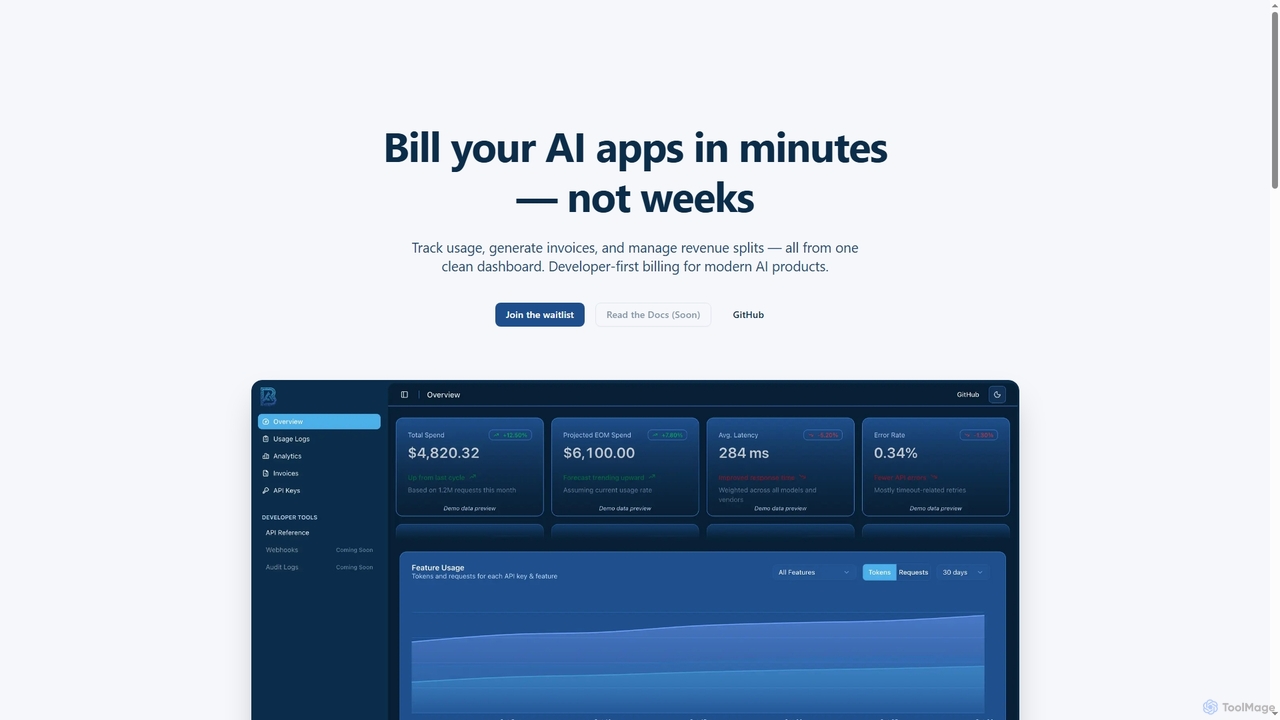
Billai

Billai

Billai is a developer-first billing and analytics platform for AI applications. It enables developers to track usage, automate …

2.1K
ClientReports.ai

ClientReports.ai

ClientReports.ai is an AI-powered platform designed to automate and streamline the creation of client reports. It enables professionals …

3.3K
Bakersfamouspizza

Bakersfamouspizza

An all-in-one AI-powered management platform designed specifically for pizzerias. Streamline operations, automate marketing, and boost profitability with intelligent …

2.1K
DeepBetting

DeepBetting

DeepBetting is an AI-powered platform that provides high-performance football betting predictions. By leveraging machine learning algorithms and historical …

59.4K
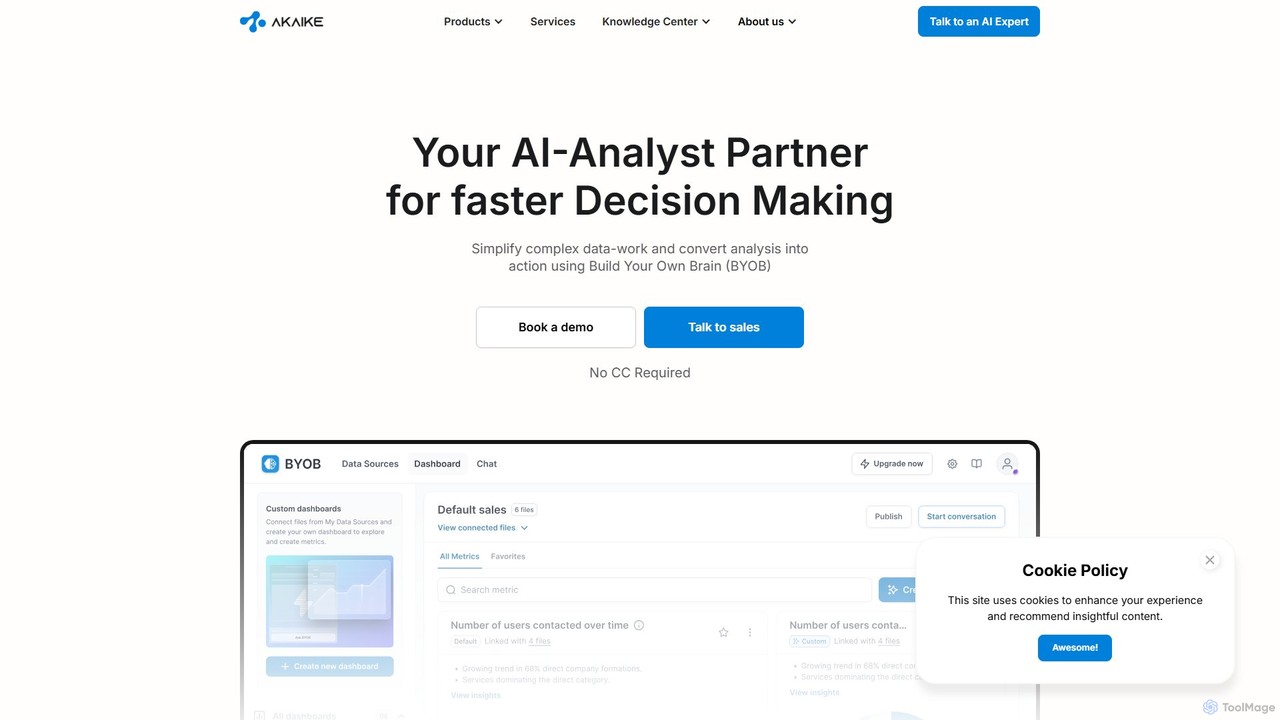
BYOB

BYOB

BYOB (Build Your Own Brain) by Akaike is an enterprise-grade AI analyst platform that transforms complex data into …

7.1K

About Analytics

AI Analytics tools in finance leverage advanced machine learning and artificial intelligence to process vast financial datasets, identify complex patterns, and generate actionable insights. These sophisticated tools automate intricate data analysis, enabling more accurate predictions of market trends, comprehensive risk assessments, and optimized financial strategies across various sectors. They empower financial professionals, from investment managers to risk officers, to make data-driven decisions with greater speed, precision, and a deeper understanding of underlying factors, fundamentally transforming traditional financial operations and fostering innovation.

Core Features

  • Predictive Modeling: Utilizes historical and real-time financial data, including market prices, economic indicators, and company performance, to forecast future market movements, asset valuations, and potential economic shifts with enhanced accuracy.
  • Risk Assessment: Identifies, quantifies, and continuously monitors various financial risks such as credit risk, market volatility, operational risks, and liquidity risks, providing early warnings and supporting robust risk management frameworks.
  • Fraud Detection: Employs anomaly detection and behavioral analytics to automatically identify and flag suspicious transaction patterns, potential money laundering activities, and other illicit financial behaviors in real-time, significantly enhancing security and compliance.
  • Portfolio Optimization: Analyzes diverse asset classes, historical performance, and individual risk tolerances to recommend optimal asset allocation strategies, dynamically rebalancing portfolios to maximize returns while effectively managing downside risks.
  • Sentiment Analysis: Processes vast amounts of unstructured data from news articles, social media, earnings call transcripts, and analyst reports to gauge market sentiment, providing crucial insights that can influence investment decisions and market forecasts.

Applicable Scenarios

AI Analytics tools are indispensable for investment firms seeking to refine algorithmic trading strategies, predict market shifts, and identify arbitrage opportunities. Banks utilize these tools for robust credit scoring, real-time fraud prevention, and ensuring compliance with evolving regulatory requirements. Corporate finance departments benefit significantly from improved financial planning, accurate revenue forecasting, and strategic decision-making based on deep data insights into operational efficiency and market dynamics.

How to Choose

When selecting AI Analytics tools, prioritize robust data integration capabilities to seamlessly connect with diverse financial data sources, including internal systems and external market feeds. Evaluate the interpretability and explainability of AI models, which is crucial for regulatory compliance, auditing, and building trust. Consider scalability to efficiently handle growing data volumes and performance for real-time processing needs. Ensure strong security features, data governance protocols, and adherence to stringent financial industry regulations for data privacy and ethical AI use.

AnalyticsUse Cases

1

Automated Credit Risk Scoring for Loan Applications

Banks and lending institutions use AI analytics to process extensive customer data, including transaction history, credit reports, and behavioral patterns. This enables instant, accurate assessment of creditworthiness for loan applicants, automating approval processes, reducing manual review time, and minimizing default risks by identifying high-risk profiles more effectively.

2

Real-time Market Trend Prediction for Trading Strategies

Investment analysts and algorithmic trading firms deploy AI analytics to continuously monitor and process live financial news feeds, social media sentiment, and vast historical market data. The AI generates highly accurate predictive models for short-term and long-term market movements, empowering traders to make informed, timely decisions and optimize their trading strategies for maximum returns.

3

Enhanced Fraud Detection in Financial Transactions

Financial institutions leverage AI to analyze millions of daily transactions for unusual patterns or anomalies that deviate from normal customer behavior. This proactive approach allows for the real-time identification and flagging of potential fraudulent activities, such as money laundering, credit card fraud, or insider trading, significantly reducing financial losses and enhancing security.

4

Optimizing Investment Portfolio Performance and Asset Allocation

Fund managers and wealth advisors utilize AI analytics to evaluate diverse asset classes, historical performance, and various risk factors. The tools recommend optimal asset allocation strategies tailored to specific client goals and risk tolerances, dynamically rebalancing portfolios to maximize returns while effectively managing downside risks in fluctuating markets.

5

Personalized Financial Product Recommendations for Customers

Retail banks and wealth management firms employ AI to analyze individual customer financial behavior, spending habits, life events, and risk profiles. This enables them to offer highly personalized recommendations for savings accounts, investment products, insurance policies, or mortgage options, improving customer engagement and driving cross-selling opportunities.

6

Predictive Analytics for Supply Chain Finance Risk

Businesses use AI analytics to assess the financial health and operational stability of their suppliers and partners within complex supply chains. By analyzing financial statements, market news, and payment histories, AI can predict potential disruptions, defaults, or liquidity issues, allowing companies to proactively mitigate risks and ensure supply chain resilience.

AnalyticsFrequently Asked Questions