ToolMage
Sign in

Best 1 Asset Leasing AI tools for Finance

Popular Asset Leasing AI tools in Finance include Fleet, helping you work more efficiently.

Fleet
Paid

Fleet

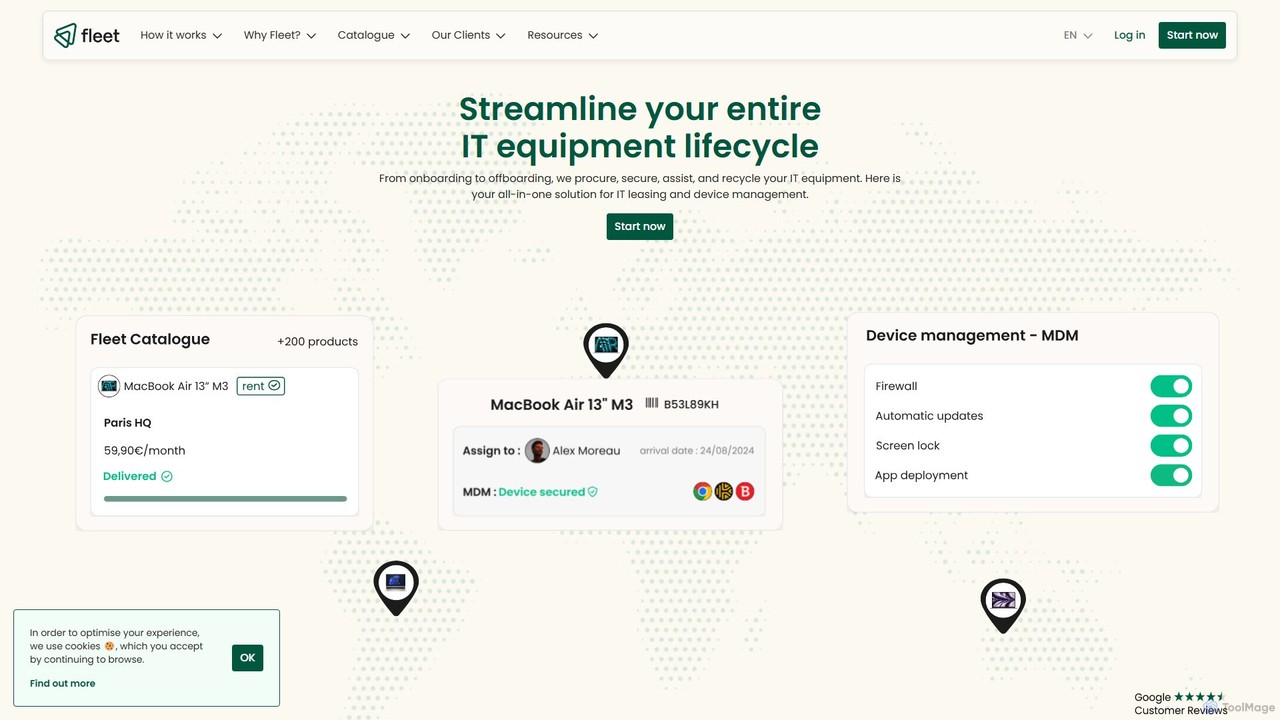
Fleet is an all-in-one IT management platform that simplifies the entire device lifecycle for businesses. It offers equipment leasing, automated onboarding, premium support, and secure device management (MDM). By leveraging AI through its Copilot, Fleet helps companies optimize IT costs, enhance security, and manage their global hardware fleet efficiently from a single, intuitive interface, promoting a responsible and sustainable IT policy.

Operations
Visits 40.8KFavorites 120Likes 117

About Asset Leasing

AI Asset Leasing tools are specialized financial platforms that use artificial intelligence to manage and optimize the entire lifecycle of leased assets. These tools leverage machine learning algorithms to analyze usage data, predict maintenance needs, and automate complex financial calculations. They help businesses reduce operational costs, minimize asset downtime, and make data-driven decisions for their leasing portfolios. This technology transforms traditional leasing from a manual administrative task into a strategic, predictive financial operation.

Core Features

  • Predictive Maintenance: Analyzes asset performance data to forecast maintenance requirements and prevent failures.
  • Dynamic Pricing Engine: Automatically calculates optimal lease rates based on market data, risk, and asset depreciation.
  • Automated Risk Assessment: Evaluates lessee creditworthiness and predicts default probabilities using advanced data models.
  • Portfolio Optimization: Provides recommendations to balance risk and return across a diverse portfolio of leased assets.
  • Automated Compliance: Monitors lease agreements and regulations (like IFRS 16/ASC 842) to ensure adherence.

Use Cases

These tools are crucial for industries with significant capital equipment, such as transportation (vehicle fleets), construction (heavy machinery), aviation (aircraft engines), and healthcare (medical devices). They are used by fleet managers, financial controllers, and asset portfolio managers to streamline operations and maximize return on investment.

How to Choose

When selecting an AI Asset Leasing tool, consider the specific asset types you manage, the platform's integration capabilities with your existing ERP or accounting systems, the sophistication of its predictive analytics models, and its ability to handle complex, multi-jurisdictional compliance standards. Also, evaluate the user interface for ease of use by non-technical staff.

Asset Leasing use cases

1

Optimizing a Commercial Vehicle Fleet

A logistics company manager uses an AI Asset Leasing platform to oversee a fleet of 500 delivery trucks. The system ingests real-time telematics data from each vehicle to predict engine and tire wear. It automatically schedules preventative maintenance during off-peak hours, reducing unexpected breakdowns by 30%. The AI also analyzes routes and fuel consumption against lease terms, identifying underutilized vehicles that can be returned or subleased, optimizing the total cost of ownership.

2

Dynamic Pricing for Construction Equipment

An equipment rental company offers heavy machinery like excavators and cranes. Using an AI tool, they implement a dynamic pricing model. The AI analyzes project duration, seasonal demand, and the lessee's historical usage patterns to generate a custom quote in minutes. This replaces a manual process that took days. As a result, they increased their quote-to-booking conversion rate by 15% and maximized revenue during peak construction season.

3

Managing IT Hardware Leases

An IT manager for a large corporation is responsible for thousands of leased laptops, servers, and networking gear. An AI Asset Leasing tool automates the entire lifecycle. It tracks warranty expirations, software licenses, and scheduled hardware refresh cycles based on performance degradation models. The platform generates alerts for end-of-lease actions, preventing costly automatic renewals and ensuring all data is securely wiped in compliance with company policy.

4

Streamlining Medical Device Leasing

A hospital's procurement department leases high-value equipment like MRI and CT scanners. The AI platform monitors device usage against the terms of the lease agreement, which often include limits on scan counts. It provides predictive analytics on when a device will need servicing, allowing the hospital to schedule maintenance without disrupting patient appointments. This ensures compliance with the lease and maximizes the device's availability for patient care.

5

Aircraft Engine Lease Management

An airline's finance team manages a complex portfolio of leased aircraft engines, each with different usage terms and maintenance reserves. An AI platform automates the calculation of monthly maintenance reserve payments based on actual flight hours and cycles. It also models future maintenance costs (shop visits), providing the airline with accurate financial forecasts and helping them negotiate more favorable terms for future leases.

6

Commercial Real Estate Portfolio Analysis

A real estate investment trust (REIT) uses an AI tool to manage its portfolio of commercial properties. The AI analyzes market data, tenant credit risk, and local economic indicators to forecast rental income and vacancy rates. It helps asset managers identify underperforming properties and suggests strategic decisions, such as renegotiating a lease or divesting the asset, to optimize the overall portfolio return.

Asset Leasing FAQ

What are AI Asset Leasing tools?

AI Asset Leasing tools are software platforms that use artificial intelligence to automate and optimize the management of leased assets. They go beyond simple tracking by employing machine learning for predictive maintenance, dynamic pricing, and risk assessment. These tools help businesses that lease equipment, vehicles, or property to reduce costs, improve operational efficiency, and ensure regulatory compliance like IFRS 16.

How do I choose the right AI Asset Leasing tool?

To choose the right tool, focus on four key areas. First, ensure it supports your specific asset types (e.g., vehicles, IT hardware, machinery). Second, check its integration capabilities with your existing accounting or ERP systems. Third, evaluate the depth of its AI features—does it offer true predictive analytics or just basic automation? Finally, consider its compliance management features to handle standards like ASC 842 and IFRS 16 automatically.

What is the difference between AI Asset Leasing software and managing leases with spreadsheets?

The primary difference is intelligence and automation. Spreadsheets are manual, error-prone, and static; they require constant human input for tracking dates and calculating payments. AI Asset Leasing software automates these tasks and adds predictive capabilities. It can forecast maintenance needs, optimize pricing, assess lessee risk, and automatically generate compliance reports, providing strategic insights that are impossible to achieve with spreadsheets alone.

What are the key features of an AI Asset Leasing platform?

Effective AI Asset Leasing platforms typically include several core features:

  • Centralized Asset Database: A single source of truth for all lease contracts and asset information.
  • Predictive Analytics: For forecasting maintenance, residual value, and usage patterns.
  • Automated Accounting & Compliance: Generates journal entries and reports for standards like IFRS 16.
  • Risk Management Module: Assesses and monitors lessee credit risk and operational risks.
  • Lifecycle Management: Tracks assets from procurement and onboarding to end-of-lease and disposal.

Who benefits most from using AI Asset Leasing tools?

Businesses with large or complex portfolios of leased assets see the most significant benefits. This includes industries like logistics and transportation (fleet management), construction (equipment rental), aviation (aircraft and engine leasing), and healthcare (medical devices). Roles that benefit directly include finance controllers, asset managers, procurement specialists, and operations managers who need to maximize asset utilization while minimizing costs and compliance risks.