ToolMage
Sign in

Best 50 Market Intelligence AI tools for Business

Popular Market Intelligence AI tools in Business include Feedly, EarningsHub, Oxylabs, IndexBox, The Ankler, Zyte, SmartScout, justainews, Nimbleway, and TradeInt, helping you work more efficiently.

Pure Global
Freemium

Pure Global

Pure Global is an AI-powered platform offering regulatory intelligence and consulting for MedTech companies. It combines real-world expertise with AI to streamline global market access, providing real-time regulatory updates, product data analysis, and compliance solutions for over 30 markets worldwide, helping companies navigate complex regulations efficiently.

Market Intelligence
Visits 14.6KFavorites 169Likes 186

Govly
Freemium

Govly

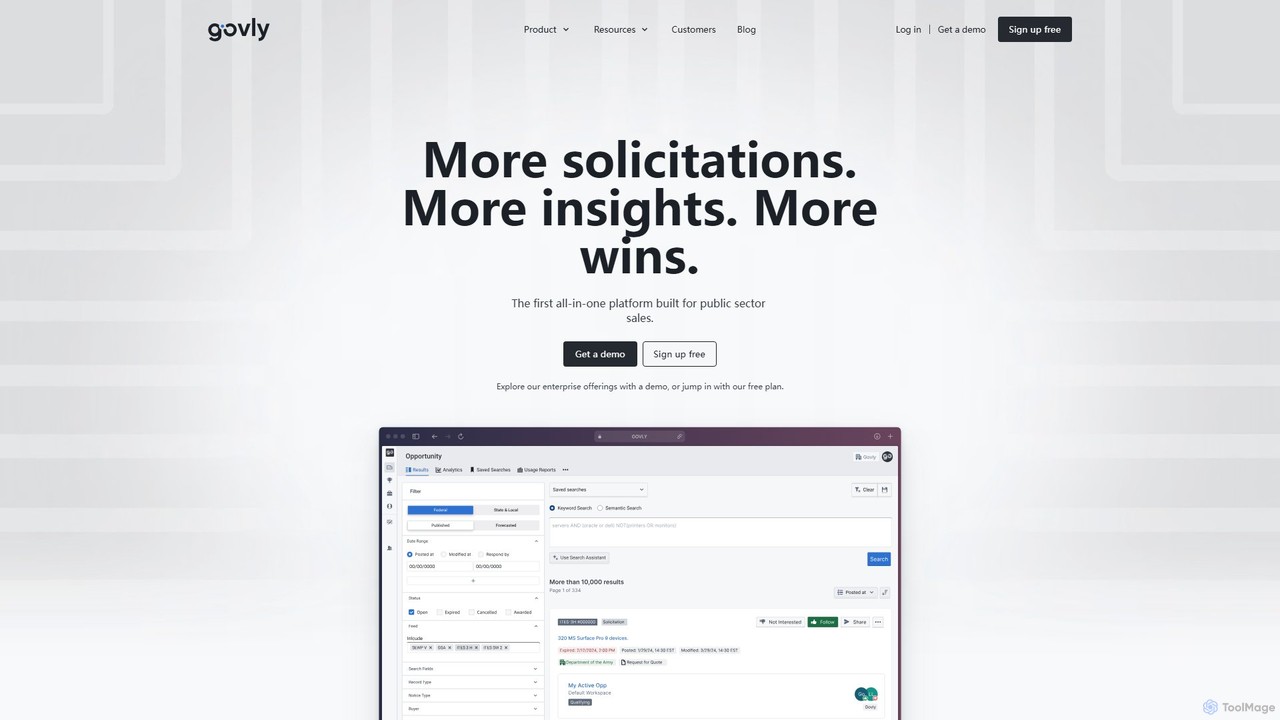
Govly is an AI-powered market network for government contractors, providing an all-in-one platform to discover, track, and win public sector contracts. It aggregates solicitations from Federal, State, Local, and Education (SLED) markets, offering comprehensive data, AI-driven insights, and collaborative tools to streamline the entire government sales process.

Market Intelligence
Visits 21.5KFavorites 138Likes 138

About Market Intelligence

Market Intelligence tools are AI-powered platforms that automate the collection, analysis, and synthesis of external market data. They leverage natural language processing (NLP) and machine learning to scan sources like news, social media, and competitor websites for critical information. These tools provide businesses with actionable insights into competitive landscapes, consumer trends, and emerging opportunities, enabling data-driven strategic decisions. This focused analysis helps companies stay ahead of market shifts and understand their position within the broader business ecosystem.

Core Features

  • Competitive Tracking: Automatically monitor competitors' pricing, product launches, marketing campaigns, and online presence.
  • Trend Identification: Analyze vast datasets to detect emerging market trends, shifts in consumer sentiment, and technological advancements.
  • Automated Data Aggregation: Gather and consolidate information from diverse public sources into a unified, easy-to-analyze dashboard.
  • Sentiment Analysis: Gauge public perception of brands, products, or topics by analyzing the emotional tone in online conversations.
  • Opportunity & Risk Alerts: Provide real-time notifications about potential market opportunities or threats based on predefined criteria.

Use Cases

These tools are essential for product managers, marketing strategists, and business analysts in competitive industries like SaaS, e-commerce, and finance. They are used for tasks such as preparing for a new product launch, evaluating market entry strategies, and adjusting pricing based on competitor actions.

How to Choose

When selecting a Market Intelligence tool, consider the breadth and relevance of its data sources. Evaluate the depth of its analytical capabilities, such as predictive modeling and sentiment analysis. Also, assess its integration options with your existing systems (like CRM or BI tools) and the level of customization available for dashboards and alerts.

Featured tool rankings

Market Intelligence use cases

1

Real-Time Competitive Pricing Analysis

An e-commerce manager for a consumer electronics brand uses an AI Market Intelligence tool to continuously track the prices of key products across major competitor websites. The system automatically alerts them when a rival drops a price below a certain threshold. This allows the manager to make immediate, data-informed decisions on their own pricing strategy to maintain market share without manually checking dozens of sites daily.

2

Identifying Emerging Consumer Trends

A product marketing team at a food and beverage company leverages a market intelligence platform to analyze millions of social media posts, blogs, and recipe sites. The AI identifies a growing interest in plant-based proteins and sustainable packaging. These insights are used to justify and guide the development of a new product line, ensuring it aligns with current consumer demand.

3

Gauging Brand Sentiment After a Campaign Launch

After launching a major advertising campaign, a brand manager uses an AI tool to monitor public sentiment across news articles and social networks. The platform categorizes mentions as positive, negative, or neutral and highlights key themes in the conversation. This provides a rapid, unbiased view of the campaign's reception, enabling the team to quickly address any negative feedback and amplify positive messages.

4

Assessing New Market Entry Risks

A business development strategist considering expansion into Southeast Asia uses a market intelligence tool to analyze the target region. The AI aggregates data on local competitors, consumer purchasing power, regulatory changes, and cultural nuances from local news and government sites. The resulting report provides a comprehensive risk and opportunity analysis, forming the basis of a go/no-go decision.

5

Proactive Supply Chain Risk Management

A supply chain manager in the automotive industry relies on an AI platform to monitor global news and financial data related to their key suppliers. The system flags early warning signs such as reports of labor strikes, financial instability, or natural disasters near a supplier's factory. This proactive alerting allows the manager to activate contingency plans and mitigate potential disruptions before they impact production.

6

Scouting Investment Opportunities for Venture Capital

An analyst at a venture capital firm uses a market intelligence tool to discover promising startups in the fintech sector. The AI scans patent filings, funding announcements, key personnel changes, and industry publications to identify companies with innovative technology and strong growth signals. This automates the initial screening process, allowing the analyst to focus on deeper due diligence for the most qualified leads.

Market Intelligence FAQ

What are AI Market Intelligence tools?

AI Market Intelligence tools are software platforms that automatically gather and analyze external data to provide insights about a company's market environment. They use AI to monitor competitors, track industry trends, and understand customer sentiment from sources like news, social media, and public records. This helps businesses make more informed strategic decisions.

How do I choose the right Market Intelligence tool?

To choose the right tool, consider these factors:

  • Data Sources: Ensure it covers the sources most relevant to your industry (e.g., social media, trade publications, financial reports).
  • Analytical Features: Determine if you need basic monitoring or advanced capabilities like sentiment analysis and predictive forecasting.
  • Integrations: Check if it connects with your existing CRM, BI, or marketing automation software.
  • Usability: Evaluate the user interface and the ease of creating custom reports and dashboards.
What is the difference between Market Intelligence (MI) and Business Intelligence (BI)?

The key difference lies in the data source and focus. Business Intelligence (BI) primarily analyzes internal company data, such as sales figures, customer records, and operational metrics, to improve internal processes. Market Intelligence (MI) focuses on external data about the market, including competitors, customers, and industry trends, to inform strategic positioning and growth strategies.

What key features should I look for in a Market Intelligence platform?

Look for platforms that offer a combination of these core features: real-time competitor tracking (pricing, products, ads), automated trend analysis from unstructured data, comprehensive sentiment analysis, customizable alerts for specific keywords or events, and intuitive data visualization dashboards that synthesize complex information into clear insights.

Who benefits most from using AI Market Intelligence tools?

These tools are highly beneficial for roles that depend on understanding the external market landscape. This includes marketing teams planning campaigns, product managers defining roadmaps, business strategists evaluating new opportunities, sales teams seeking competitive advantages, and corporate executives making high-level strategic decisions.