Business Best in category 3 results Practice Management AI Tool

Popular AI tools in the Practice Management field of Business include Pearl、Healee、Kliniki, etc., helping you quickly improve efficiency.

Pearl

Pearl

Pearl is a leading AI platform for dentistry, utilizing advanced computer vision to analyze dental X-rays and 3D …

179.1K
Healee

Healee

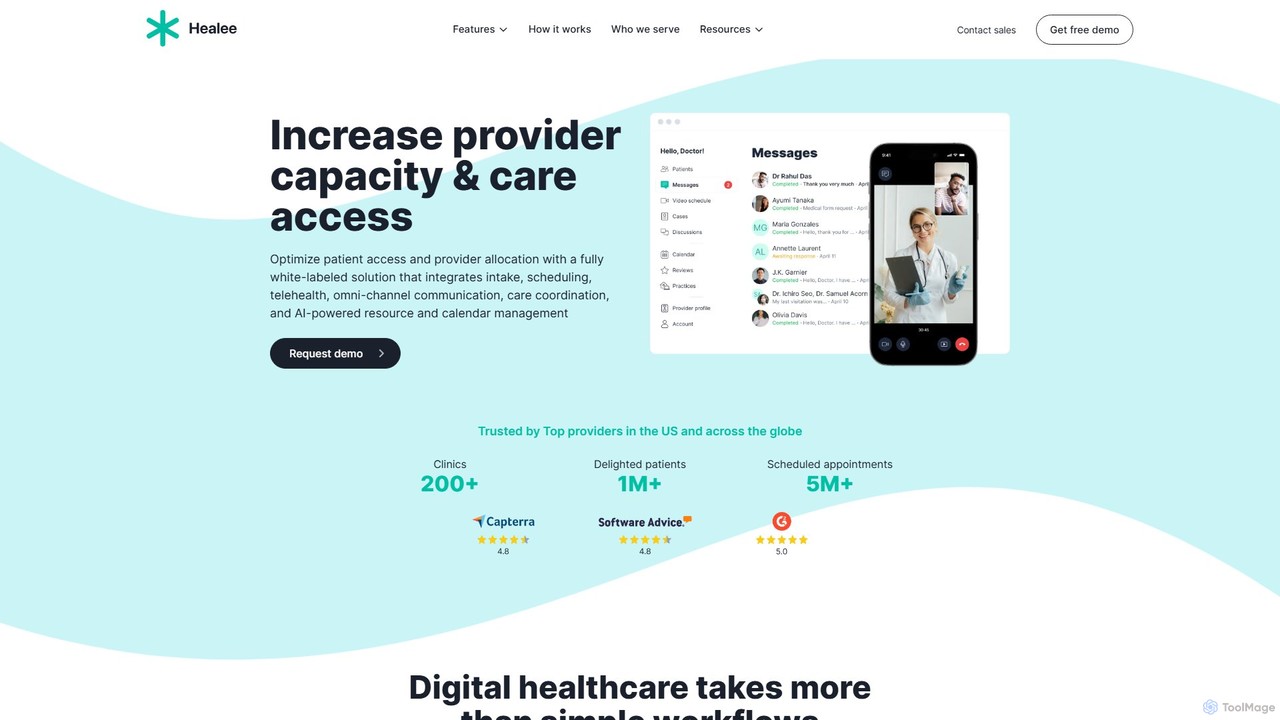
Healee is an AI-powered, white-label patient access solution designed for healthcare providers. It optimizes clinic operations by integrating …

85.2K
Kliniki

Kliniki

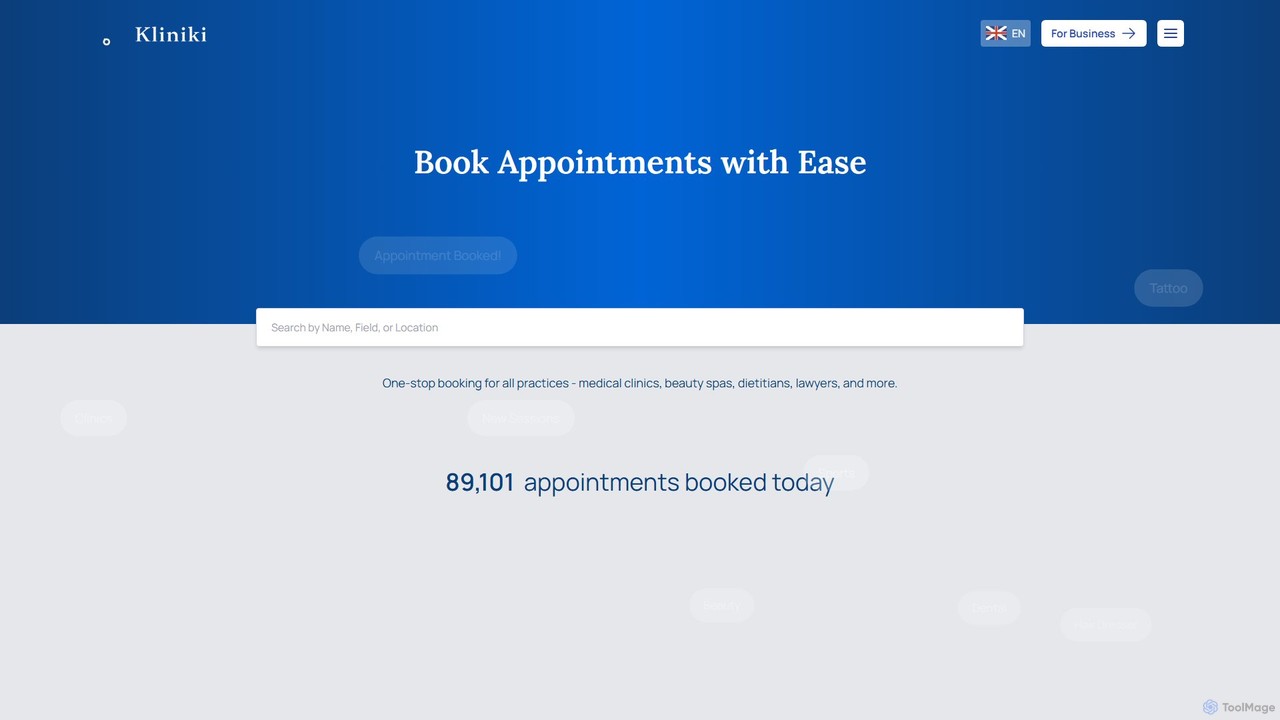
Kliniki is an all-in-one, cloud-based management platform designed for medical clinics, beauty salons, tattoo shops, and various professional …

4.9K

About Practice Management

Practice Management software is a class of AI-enhanced tools designed to streamline the operational and administrative tasks of professional service firms. These platforms integrate core functions like client management, appointment scheduling, billing, and document handling into a single, unified system. They are specifically built to address the unique workflows of industries such as legal, medical, and consulting, helping them improve efficiency, ensure regulatory compliance, and enhance client service delivery. The use of AI can further automate routine tasks and provide data-driven insights for better decision-making.

Core Features

  • Client & Case Management: Centralizes all client information, communication history, case files, and important dates in one accessible location.
  • Appointment Scheduling: Automates booking, manages multiple calendars, and sends automated reminders to reduce no-shows.
  • Billing & Invoicing: Tracks billable hours, manages expenses, generates professional invoices, and processes online payments.
  • Secure Document Management: Provides a compliant and secure repository for storing, sharing, and managing sensitive client documents.
  • Reporting & Analytics: Generates reports on financial performance, client activity, and staff productivity to inform business strategy.

Applicable Scenarios

These tools are essential for service-based practices where managing client relationships, appointments, and billing is critical. This includes law firms managing case files and court deadlines, medical clinics handling patient records and insurance claims, accounting firms tracking client projects, and consulting agencies managing project timelines and resources.

Selection Criteria

When choosing a Practice Management tool, consider its industry-specific features, such as HIPAA compliance for healthcare or trust accounting for legal services. Evaluate its integration capabilities with other software like accounting systems and email clients. Also, assess the platform's data security protocols, ease of use, and scalability to support your practice's growth.


Practice ManagementUse Cases

1

Streamlining Law Firm Case Management

A small law firm uses a practice management tool to centralize all case-related information. Attorneys and paralegals can access client documents, track court deadlines in a shared calendar, log billable hours automatically, and communicate securely with clients through a dedicated portal. This eliminates scattered files and missed deadlines, improving case organization and ensuring all time is accurately captured for invoicing, leading to a significant increase in billing accuracy and team productivity.

2

Automating Medical Clinic Appointments and Billing

A dental clinic implements a practice management system to handle patient scheduling and billing. Patients can book appointments online based on real-time availability. The system sends automated SMS and email reminders, which drastically reduces no-show rates. After a visit, the software generates an invoice, processes insurance claims electronically, and accepts patient payments online. This automation frees up administrative staff to focus on patient care and improves the clinic's cash flow by speeding up the payment cycle.

3

Managing Projects for a Consulting Agency

A management consulting agency uses a practice management platform to oversee its entire project lifecycle. Project managers create projects, assign consultants based on availability and skills, and set milestones. Consultants track their time against specific tasks, and the system aggregates this data for real-time budget tracking and profitability analysis. The platform also serves as a central hub for project documents and client communication, ensuring everyone on the team has access to the latest information and improving overall project delivery.

4

Securing Client Notes for a Therapy Practice

A mental health therapist uses a HIPAA-compliant practice management tool to manage their practice. The software provides secure, encrypted storage for confidential session notes (e.g., SOAP notes). It also handles recurring appointment scheduling and automates billing for both private pay clients and insurance companies. This ensures the therapist remains compliant with privacy regulations while simplifying the administrative burden of running a private practice, allowing more focus on client care.

5

Improving Billing Accuracy for Accounting Firms

An accounting firm leverages a practice management system to enhance its time tracking and invoicing processes. Accountants and bookkeepers use built-in timers to log hours accurately against specific client tasks, such as tax preparation or auditing. The system automatically populates this data into detailed invoices, reducing manual entry errors and ensuring all work is billed. This leads to faster invoice generation, fewer client disputes over billing, and a more transparent and professional financial workflow.

6

Coordinating an Architectural Firm's Project Lifecycle

An architectural firm uses a practice management solution to manage projects from initial client brief to final invoicing. The platform tracks design phases, client approvals, and contractor communications in a central timeline. It also manages project budgets by tracking employee time and external expenses. This integrated approach ensures that all stakeholders have a clear view of the project's progress and financial status, facilitating better decision-making and helping to keep complex, long-term projects on schedule and within budget.

Practice ManagementFrequently Asked Questions