ToolMage
Sign in

Best 2 Business Solutions AI tools

Popular Business Solutions AI tools include Gostex and NextChainX, helping you work more efficiently.

NextChainX

NextChainX

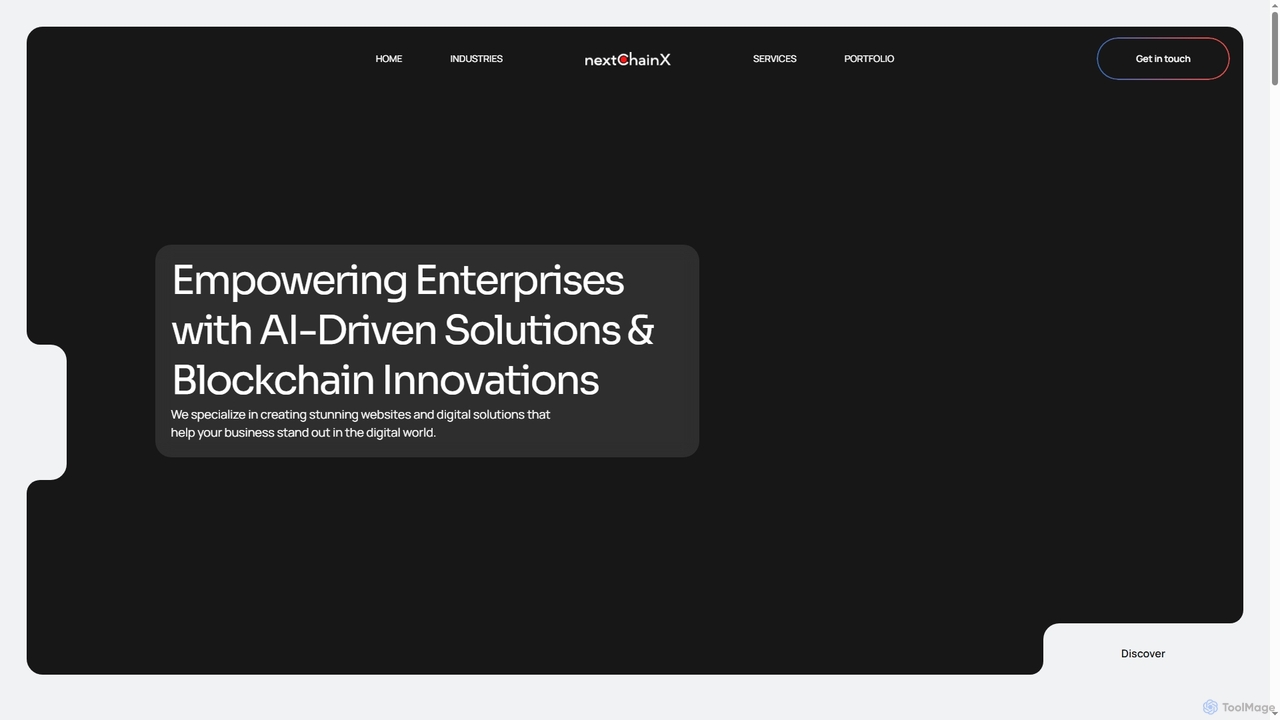
NextChainX specializes in empowering enterprises with advanced AI-driven solutions and blockchain innovations. They offer custom AI assistants, LLM integration, automation tools, and high-performance Solana development for DeFi, NFTs, and dApps, enhancing business intelligence, efficiency, and customer engagement across various industries.

Ai Development
Visits 5.3KFavorites 139Likes 139
Gostex

Gostex

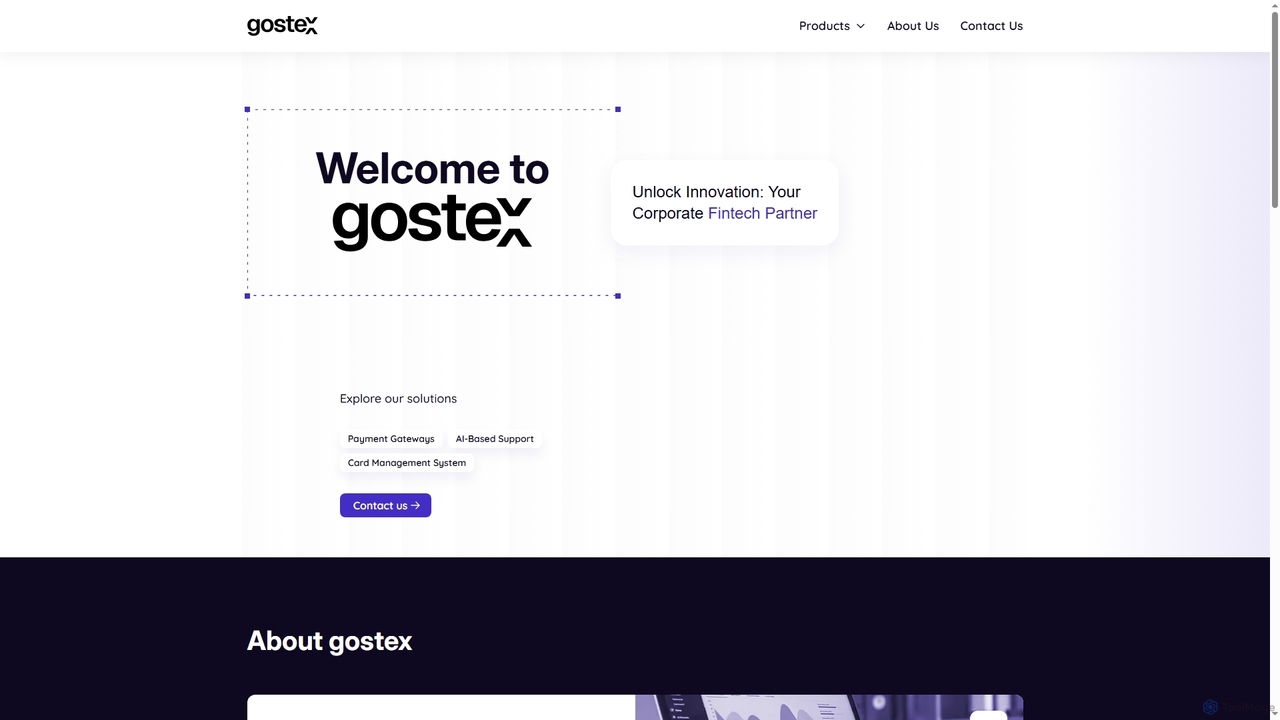
Gostex offers white-label fintech solutions, empowering businesses with customizable payment gateways, AI-based customer support, and robust card management systems. It focuses on enhancing customer experiences, streamlining operations, and ensuring high security and compliance for financial services.

White Label
Visits 5.4KFavorites 140Likes 131

About Business Solutions

AI Business Solutions are integrated tools designed to optimize and automate various operational processes within an organization. They leverage technologies like machine learning, natural language processing, and data analytics to address complex challenges in areas such as customer service, marketing, and finance. By embedding intelligence into core workflows, these solutions help companies increase efficiency, reduce operational costs, and make more accurate, data-driven decisions. They provide scalable support that adapts to changing business needs across different departments.

Core Features

  • Process Automation: Automates repetitive tasks like data entry, report generation, and customer communications to free up human resources.
  • Predictive Analytics: Analyzes historical and real-time data to forecast market trends, customer behavior, and sales outcomes.
  • Intelligent Customer Relationship Management (CRM): Enhances customer interactions with AI-powered chatbots, personalized recommendations, and sentiment analysis.
  • Resource Optimization: Manages resources such as inventory, supply chains, and human capital more effectively using AI-driven insights.

Use Cases

AI Business Solutions are widely adopted across industries like e-commerce, finance, healthcare, and manufacturing. They are used by operations managers to streamline supply chains, marketing teams to personalize campaigns at scale, and finance departments to automate invoice processing and detect fraud. For example, a retail company might use an AI solution to optimize inventory levels based on sales forecasts, while a bank could deploy one to automate credit scoring.

How to Choose

When selecting an AI Business Solution, first identify the specific business problem you need to solve. Evaluate the tool's integration capabilities with your existing systems, such as ERP or CRM. Consider its scalability to ensure it can grow with your business. Finally, assess the vendor's support, security protocols, and the total cost of ownership, including implementation and training fees.

Business Solutions use cases

1

Automate Customer Support with AI Chatbots

A growing e-commerce company uses an AI business solution to deploy a 24/7 chatbot on its website and social media channels. This bot is trained on the company's product information and FAQs to handle common customer inquiries, such as order tracking, return policies, and product specifications. As a result, the customer support team sees a 60% reduction in repetitive tickets, allowing human agents to focus on resolving complex issues. This improves customer satisfaction by providing instant answers and reduces operational costs by optimizing agent workload.

2

Enhance Sales Forecasting Accuracy

A B2B technology company's sales team uses an AI-powered business solution to improve its quarterly sales forecasts. The tool analyzes historical sales data, CRM activity, market trends, and even macroeconomic indicators. It identifies patterns and generates predictions on which deals are most likely to close. This allows sales managers to allocate resources more effectively, prioritize high-potential leads, and set more realistic targets. The company achieves a 25% improvement in forecast accuracy, leading to better financial planning and inventory management.

3

Streamline Invoice and Document Processing

A large enterprise's finance department implements an AI solution for intelligent document processing. The system automatically extracts key information—such as vendor name, invoice number, amount, and due date—from thousands of incoming invoices in various formats (PDF, scanned images). It then validates the data against purchase orders and enters it into the company's ERP system. This automation reduces manual data entry by over 90%, minimizes human error, and accelerates the payment cycle, improving relationships with suppliers.

4

Personalize Marketing Campaigns at Scale

A retail brand's marketing team uses an AI business platform to analyze customer data from various touchpoints, including website behavior, purchase history, and email engagement. The AI segments the audience into micro-clusters based on their predicted interests and lifetime value. It then automates the delivery of personalized content, product recommendations, and promotional offers across email and social media. This hyper-personalization strategy results in a 35% increase in campaign conversion rates and a significant uplift in customer retention.

5

Optimize Supply Chain and Inventory Management

A manufacturing company leverages an AI business solution to optimize its entire supply chain. The platform analyzes data from suppliers, production lines, and logistics partners in real-time. It provides accurate demand forecasting, suggests optimal inventory levels to prevent stockouts or overstocking, and identifies potential disruptions in the supply chain before they occur. By using these insights, the company reduces inventory holding costs by 20% and improves its on-time delivery rate to 98%, enhancing both efficiency and customer satisfaction.

6

Automate HR Processes and Talent Acquisition

An HR department uses an AI business solution to streamline its hiring process. The tool automates job posting across multiple platforms, screens resumes to identify the most qualified candidates based on predefined criteria, and schedules interviews. It also includes a chatbot to answer candidates' questions about the company and the role. This automation reduces the time-to-hire by 40% and allows recruiters to focus on engaging with top talent rather than on administrative tasks, improving the overall quality of hires.

Business Solutions FAQ

What are AI Business Solutions?

AI Business Solutions are specialized software platforms that use artificial intelligence to solve specific business problems and automate operational tasks. Unlike general-purpose AI tools, they are designed to integrate deeply into business workflows such as customer relationship management (CRM), enterprise resource planning (ERP), and supply chain management. They help organizations improve efficiency, gain data-driven insights, and enhance customer experiences by automating processes and providing predictive analytics.

How to choose the right AI Business Solution?

Choosing the right solution involves several key steps. First, clearly define the business problem you want to solve. Then, evaluate potential solutions based on these criteria:

  • Integration: Does it integrate smoothly with your existing software stack (e.g., CRM, ERP, marketing automation tools)?
  • Scalability: Can the solution handle your growing data volumes and user base?
  • Ease of Use: How much technical expertise is required for implementation and daily operation?
  • Vendor Support: What level of training, support, and maintenance does the vendor provide?
  • Return on Investment (ROI): Assess the total cost of ownership against the expected benefits in efficiency, cost savings, or revenue growth.
What are the main benefits of using AI in business?

Integrating AI into business operations offers several significant benefits. The primary advantage is increased efficiency through the automation of repetitive and time-consuming tasks. Secondly, AI provides deeper data insights through advanced analytics, enabling more accurate forecasting and better strategic decision-making. It also enhances the customer experience by enabling personalization at scale and providing 24/7 support. Finally, these factors often lead to substantial cost savings and the creation of new revenue opportunities.

Is it difficult to implement AI Business Solutions?

The difficulty of implementation varies greatly depending on the solution. Modern cloud-based (SaaS) AI solutions are often designed for ease of use and can be set up with minimal technical knowledge, sometimes in just a few hours. However, more complex, enterprise-grade solutions that require deep integration with legacy systems or custom AI model development can be a significant undertaking. It's important to assess your company's technical resources and choose a solution that aligns with your team's capabilities.

Which departments can benefit from AI Business Solutions?

Virtually every department in a company can benefit. Common applications include:

  • Sales & Marketing: For lead scoring, customer segmentation, and personalized campaigns.
  • Customer Service: Through AI chatbots for instant support and sentiment analysis to gauge customer satisfaction.
  • Finance & Accounting: For automating invoice processing, fraud detection, and financial forecasting.
  • Human Resources (HR): To streamline recruitment, automate onboarding, and analyze employee engagement.
  • Operations & Supply Chain: For demand forecasting, inventory optimization, and predictive maintenance.