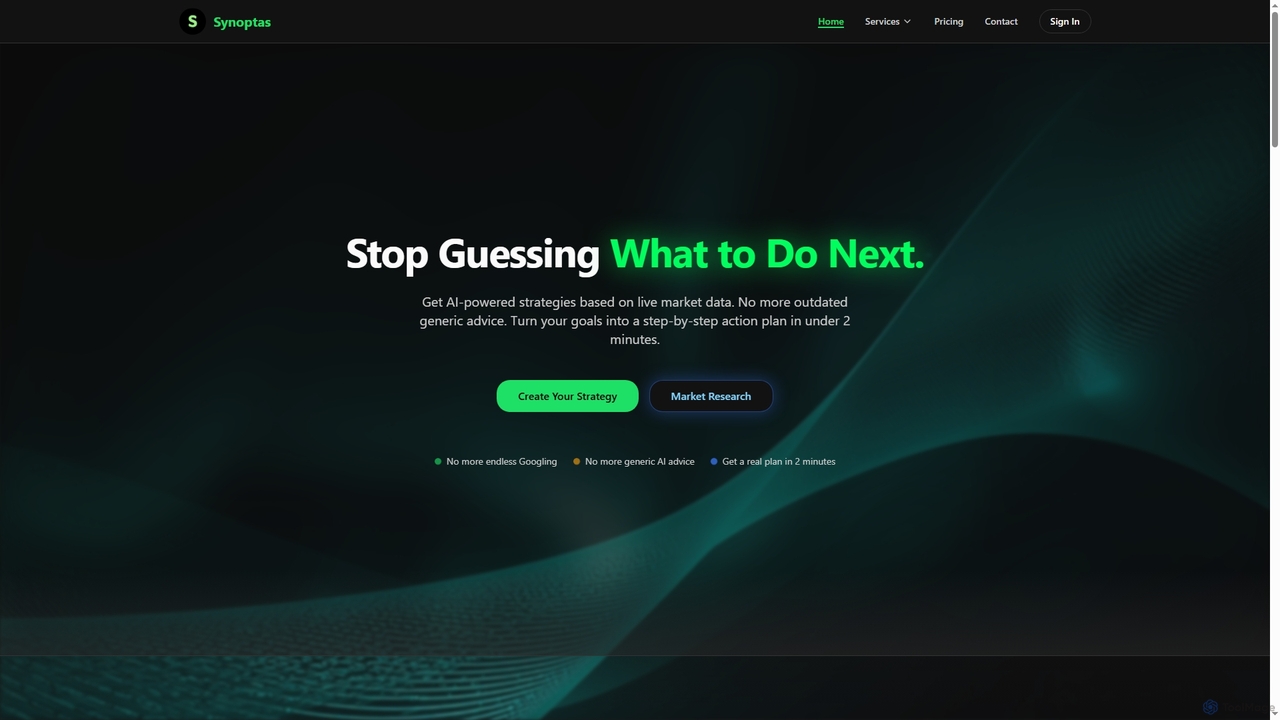
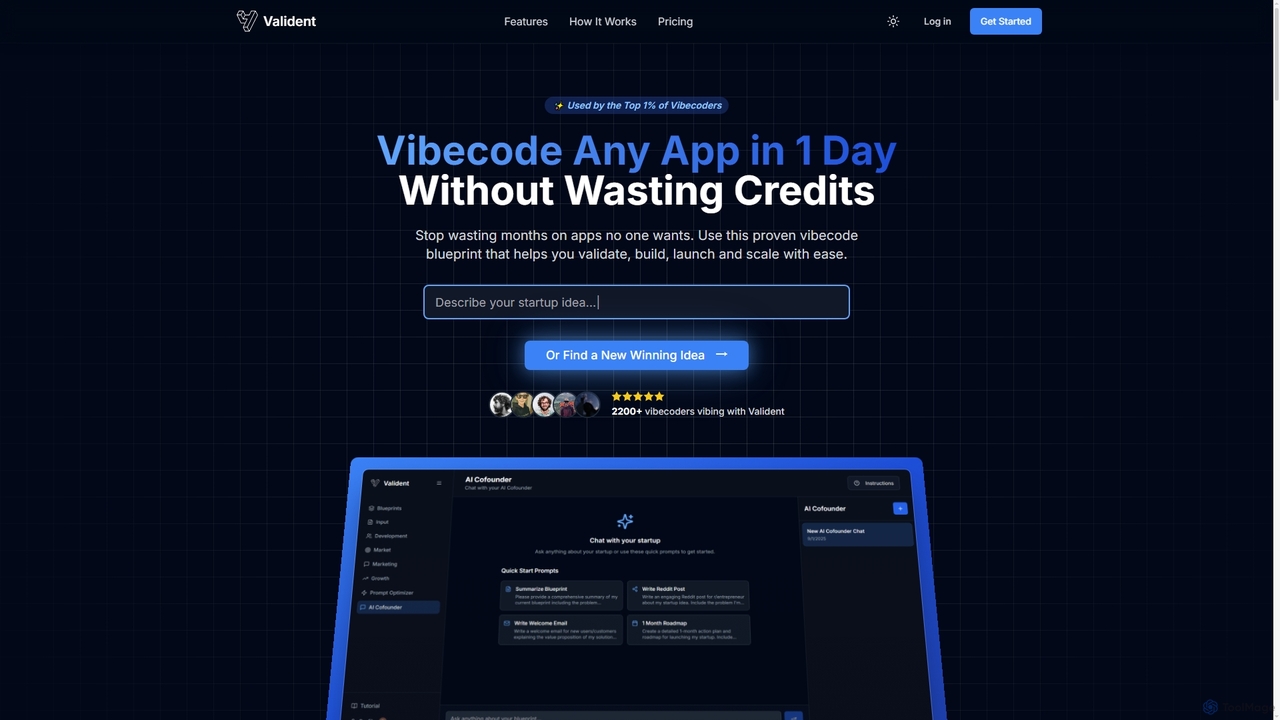
AI Strategy Planning tools are specialized platforms designed to help organizations formulate, analyze, and monitor long-term business strategies. They leverage machine learning, predictive analytics, and data modeling to process vast amounts of internal and external data, uncovering insights that are difficult to identify manually. This enables leadership teams to make data-driven decisions, simulate the outcomes of different strategic choices, and align the entire organization around common goals. Unlike general business intelligence software, these tools are specifically focused on high-level planning, scenario modeling, and tracking progress against strategic objectives like OKRs.
Core Features
- Predictive Forecasting: Utilizes historical data and market trends to generate forecasts for sales, revenue, and market share under different scenarios.
- Scenario Modeling & Simulation: Allows users to create and compare various strategic scenarios to assess potential risks and outcomes before implementation.
- Automated Data Analysis: Connects to various data sources (CRM, ERP, market data) to automatically perform analyses like SWOT and PESTLE.
- Goal & OKR Alignment: Provides a centralized platform to set, track, and manage Objectives and Key Results (OKRs), ensuring team efforts are aligned with top-level strategy.
- Competitive Intelligence: Continuously monitors competitors and market signals, providing real-time alerts and insights on strategic threats and opportunities.
Use Cases
These tools are primarily used by C-level executives, corporate strategy teams, business consultants, and department heads. Common applications include conducting annual strategic planning cycles, evaluating market entry or M&A opportunities, creating digital transformation roadmaps, and dynamically adjusting strategies in response to market shifts.
How to Choose
When selecting an AI Strategy Planning tool, consider its data integration capabilities with your existing systems. Evaluate the depth of its analytical and modeling features—whether you need simple dashboards or complex simulations. Assess its collaboration tools for team-based planning and the scalability of the platform to grow with your organization's complexity.