Free
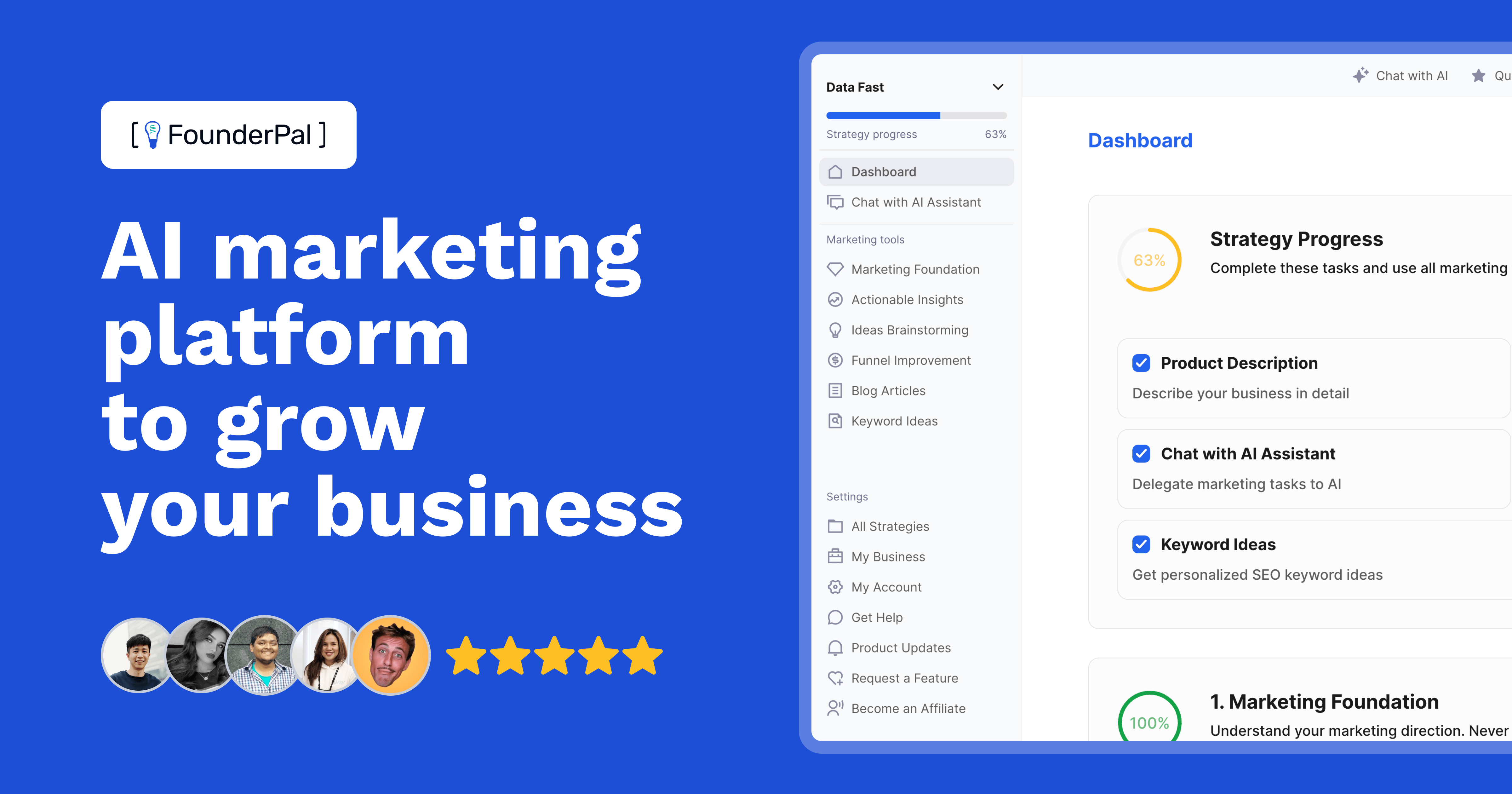
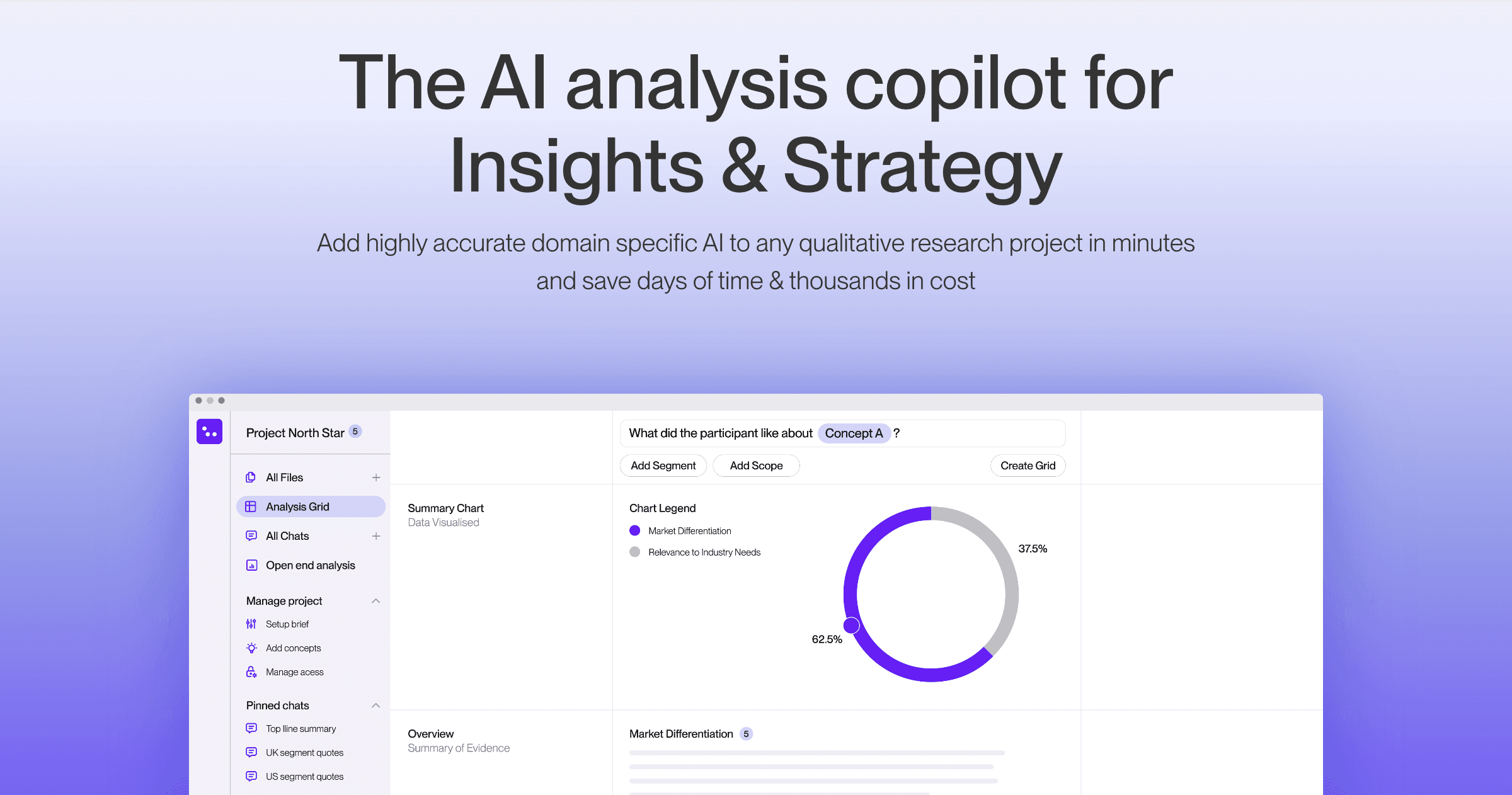
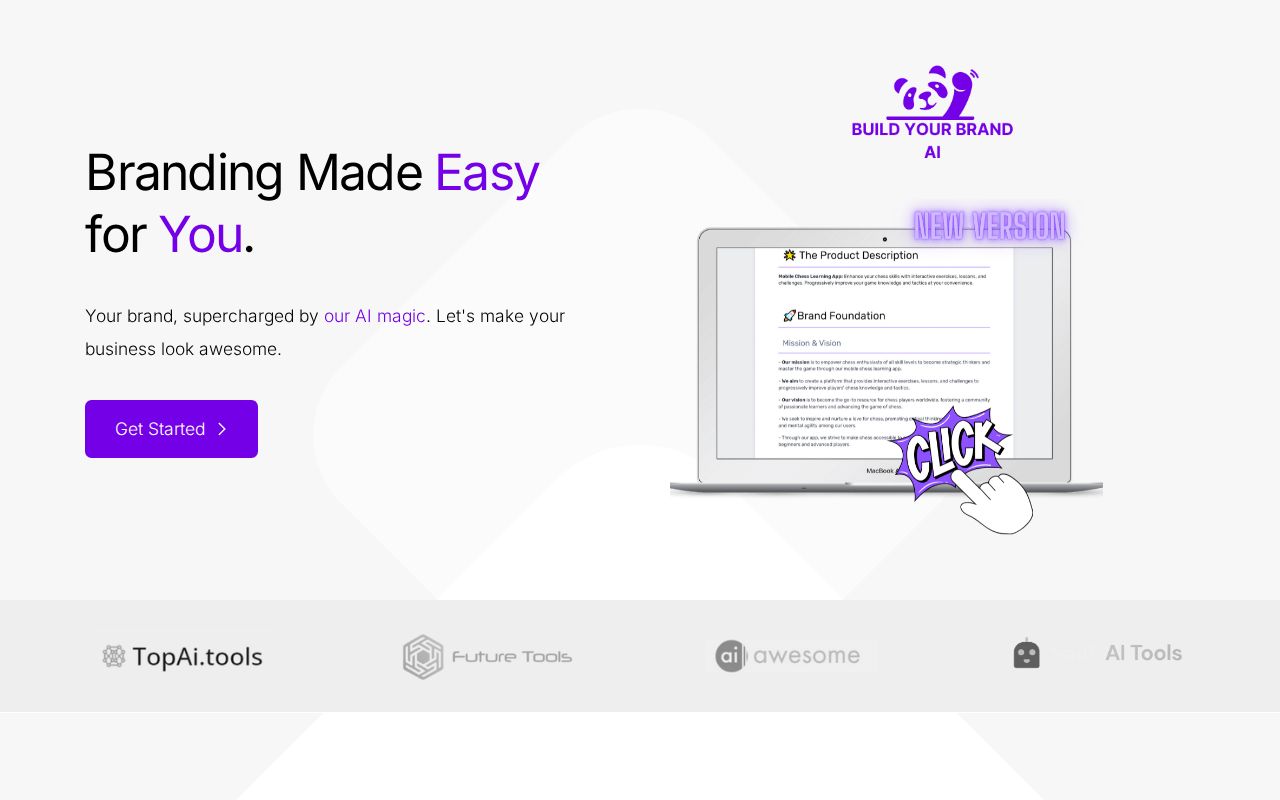
Popular Strategy AI tools in Business include Skywork, FounderPal, Ideamap, Xavier AI, CoLoop, heatseeker, Get Claude Skills, boba_ai, Rationale, and clarify_ai, helping you work more efficiently.

Rationale is a revolutionary AI decision-making tool powered by the latest GPT models. It helps users analyze complex choices by generating structured outputs like pros and cons lists, SWOT analyses, and multi-option comparisons. Ideal for both personal and professional dilemmas, Rationale provides objective, data-driven insights to enhance clarity and support informed decision-making.
Strategy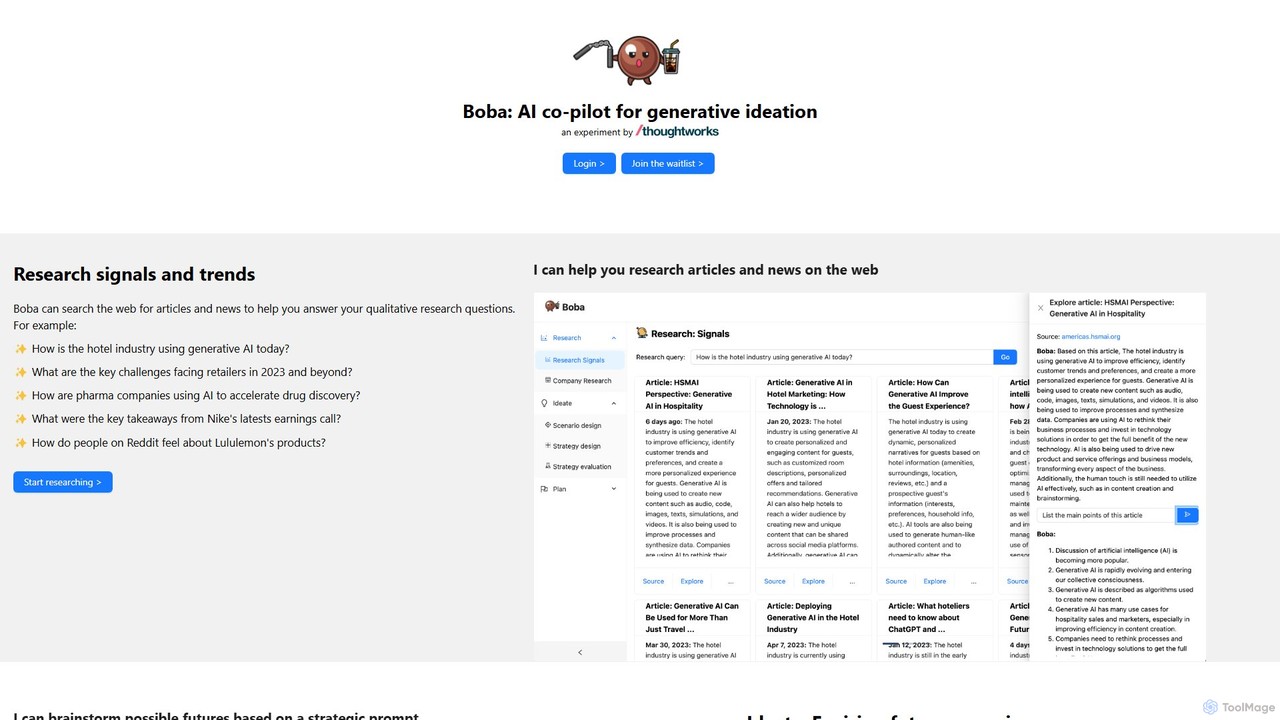
boba_ai is an AI co-pilot for strategic research and generative ideation. It helps users analyze market trends, build future scenarios, brainstorm winning strategies using established frameworks, and create compelling visual storyboards to drive innovation and inform strategic planning.
Strategy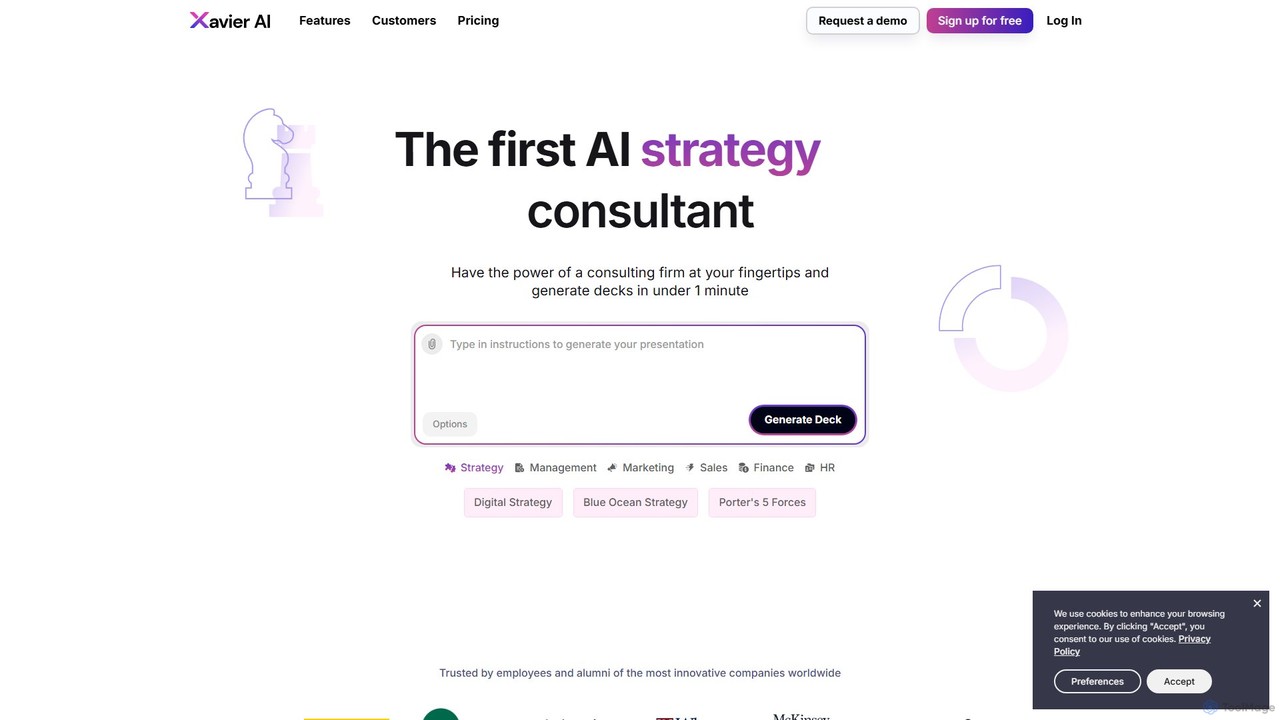
Xavier AI is the first AI Strategy Consultant, designed to empower business professionals. It combines strategic analysis with powerful content creation tools to generate presentations, reports, and business communications, accelerating productivity and inspiring creativity for enterprises and individuals.
Strategy
FutureGPT is an AI-powered oracle that leverages the advanced capabilities of GPT-4 to generate insightful predictions and forecasts about future events. Simply ask a question, and the tool provides probabilistic outcomes and detailed analyses, helping you with decision-making, strategy, and creative exploration.
StrategyAI Strategy tools are a class of software that leverages artificial intelligence to analyze complex business data, forecast market trends, and generate data-driven strategic recommendations. These tools utilize machine learning models, predictive analytics, and natural language processing to process vast datasets, including market reports, competitor activities, and internal performance metrics. This enables organizations to make more informed decisions, identify unseen opportunities, mitigate risks, and build resilient long-term business plans. Unlike traditional business intelligence platforms that focus on historical data, AI Strategy tools provide predictive and prescriptive insights to actively shape future actions.
These tools are primarily used by executive leadership, strategic planners, and business analysts within medium to large enterprises. Common applications include formulating market entry strategies, optimizing product portfolios, identifying merger and acquisition (M&A) targets, and dynamically allocating resources based on predictive models. They are particularly valuable in fast-moving industries like technology, finance, and retail.
When selecting an AI Strategy tool, consider its data integration capabilities; it must connect seamlessly with your existing CRM, ERP, and market data feeds. Evaluate the model's transparency and explainability (XAI) to ensure you can trust its recommendations. Also, assess the level of customization available to tailor algorithms to your specific industry and business logic, and verify its scalability to handle growing data volumes.
A consumer electronics company planning to expand into Southeast Asia uses an AI Strategy tool to inform its decision-making. The tool analyzes demographic data, consumer spending habits, local competitor landscapes, and regulatory complexities across several target countries. By running simulations, it forecasts potential market share and profitability for different entry scenarios (e.g., direct investment vs. local partnership). The output is a data-backed recommendation identifying Vietnam as the optimal entry point, with a specific product mix tailored to local preferences, reducing the risk of a costly miscalculation and accelerating time-to-market.
An automotive manufacturer faces decisions on allocating its R&D budget across electric, hybrid, and traditional vehicle projects. An AI Strategy tool is employed to model future demand based on projected fuel prices, government incentives for EVs, and shifting consumer sentiment. The tool simulates the long-term ROI for various investment mixes, highlighting that a more aggressive shift to EV development, while capital-intensive initially, yields a significantly higher projected market share in five years. This insight allows the board to confidently reallocate funds from a declining segment to a high-growth area.
A private equity firm wants to identify undervalued tech companies for acquisition. Instead of manual screening, they use an AI Strategy tool that scans financial reports, patent filings, news articles, and employee growth data for thousands of companies. The AI identifies a shortlist of 15 companies that match the firm's specific criteria, including strong IP, low market visibility, and high growth potential in an emerging niche. The tool also flags potential integration risks for each target, allowing the M&A team to focus their due diligence on the most promising and strategically aligned candidates, increasing deal flow efficiency by over 50%.
A global manufacturing firm uses an AI Strategy tool to build a more resilient supply chain. The system continuously monitors geopolitical news, weather patterns, and shipping lane data to identify potential disruptions. It runs simulations to assess the impact of a hypothetical port closure in Asia or a trade tariff increase. Based on these simulations, the tool recommends diversifying suppliers to a new region and increasing buffer stock for critical components. This proactive approach allows the company to formulate contingency plans before a crisis occurs, minimizing potential production delays and financial losses.
A large e-commerce retailer uses an AI Strategy tool to move beyond simple rule-based pricing. The tool analyzes real-time data including competitor prices, inventory levels, customer demand signals (like search volume), and seasonal trends. It then recommends optimal price points for thousands of products to maximize overall margin, not just revenue. For example, it might suggest a slight price increase on a popular item with low inventory but a deep discount on a related accessory to drive bundle sales. This allows the pricing team to implement a sophisticated, adaptive strategy that responds instantly to market dynamics.
A multinational corporation's strategy team is tasked with creating a five-year capital allocation plan. They use an AI Strategy tool to model various macroeconomic scenarios, such as interest rate changes, inflation forecasts, and GDP growth projections across their key markets. The tool integrates these external factors with internal data on project pipelines and operational efficiency. It generates several optimal allocation plans, each balanced for different risk appetites (e.g., aggressive growth vs. stable returns). This provides the CFO and board with a clear, quantitative basis for deciding where to invest billions of dollars for long-term value creation.
AI Strategy tools are advanced software applications that use artificial intelligence, particularly machine learning and predictive analytics, to help businesses formulate and execute long-term plans. They analyze vast amounts of internal and external data to identify market trends, forecast future outcomes, model different strategic scenarios, and uncover hidden risks and opportunities. Unlike traditional analytics tools that report on the past, these tools provide forward-looking, data-driven recommendations to guide high-stakes decisions like market expansion, product development, and resource allocation.
Choosing the right AI Strategy tool involves evaluating several key factors. First, assess its data integration capabilities to ensure it can connect with your critical data sources (ERP, CRM, market data). Second, consider the model's transparency and explainability (XAI); you need to understand the reasoning behind its recommendations. Third, evaluate the level of customization to see if the tool can be tailored to your specific industry and business context. Finally, consider its scalability and performance to ensure it can handle your data volume and complexity as your business grows. Also, look for vendors with strong domain expertise in your industry.
The key difference lies in their focus and function. Business Intelligence (BI) tools are primarily descriptive and diagnostic; they look at historical and current data to answer questions like "What happened?" and "Why did it happen?". They are excellent for reporting, monitoring KPIs, and creating dashboards. In contrast, AI Strategy tools are predictive and prescriptive. They use AI to analyze data and answer questions like "What will happen next?" and "What should we do about it?". They focus on forecasting, scenario modeling, and generating strategic recommendations to shape future outcomes, rather than just reporting on the past.
AI Strategy tools are typically used by senior leaders and specialized teams responsible for the long-term direction of the company. Key users include:
For an AI Strategy tool to be effective, it requires a diverse and high-quality dataset combining both internal and external sources. Internal data typically includes historical sales figures, customer relationship management (CRM) data, supply chain metrics, and financial performance records. External data is equally crucial and can include macroeconomic indicators, market research reports, competitor pricing and activities, social media sentiment, and industry-specific regulatory news. The tool's ability to integrate and synthesize these varied data types is fundamental to generating accurate forecasts and insightful strategic recommendations.