Autonoma
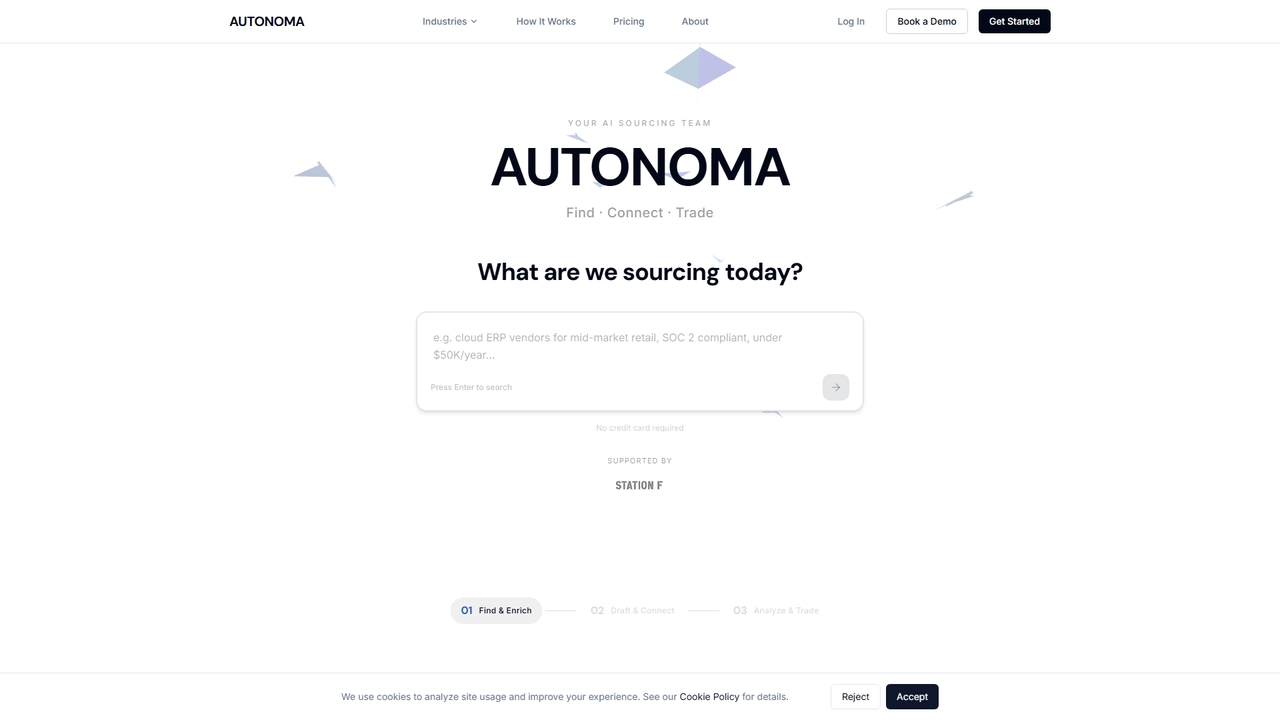
Autonoma is an AI-powered supplier discovery and procurement platform that automates the entire sourcing workflow. Describe your needs …
Autonoma is an AI-powered supplier discovery and procurement platform that automates the entire sourcing workflow. Describe your needs in plain language, and its AI agents find verified global suppliers, draft personalized RFIs, manage outreach campaigns, and analyze proposals—reducing manual research from weeks to minutes.
KlearStack
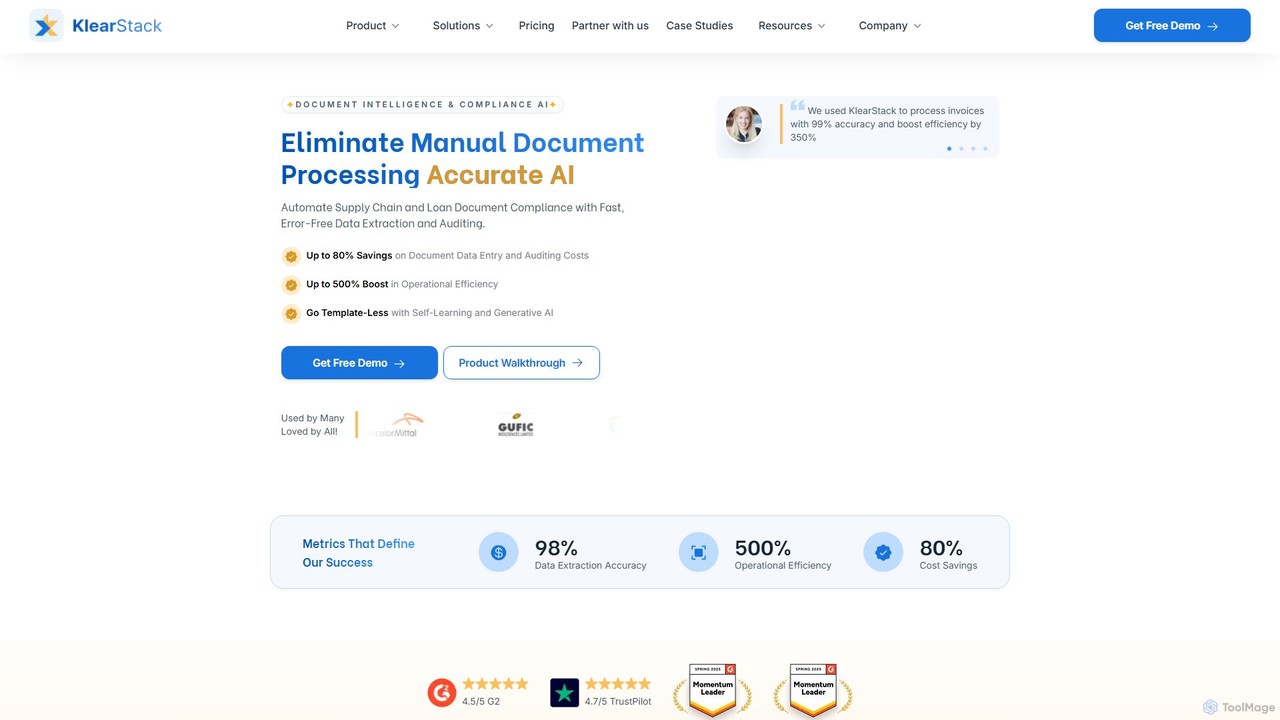
KlearStack is an AI-powered document intelligence and compliance platform that automates data extraction from complex documents. It uses …
KlearStack is an AI-powered document intelligence and compliance platform that automates data extraction from complex documents. It uses template-less, self-learning AI to process invoices, purchase orders, and compliance forms with up to 99% accuracy, significantly boosting operational efficiency and reducing costs for industries like finance, logistics, and healthcare.
aofithealthcare
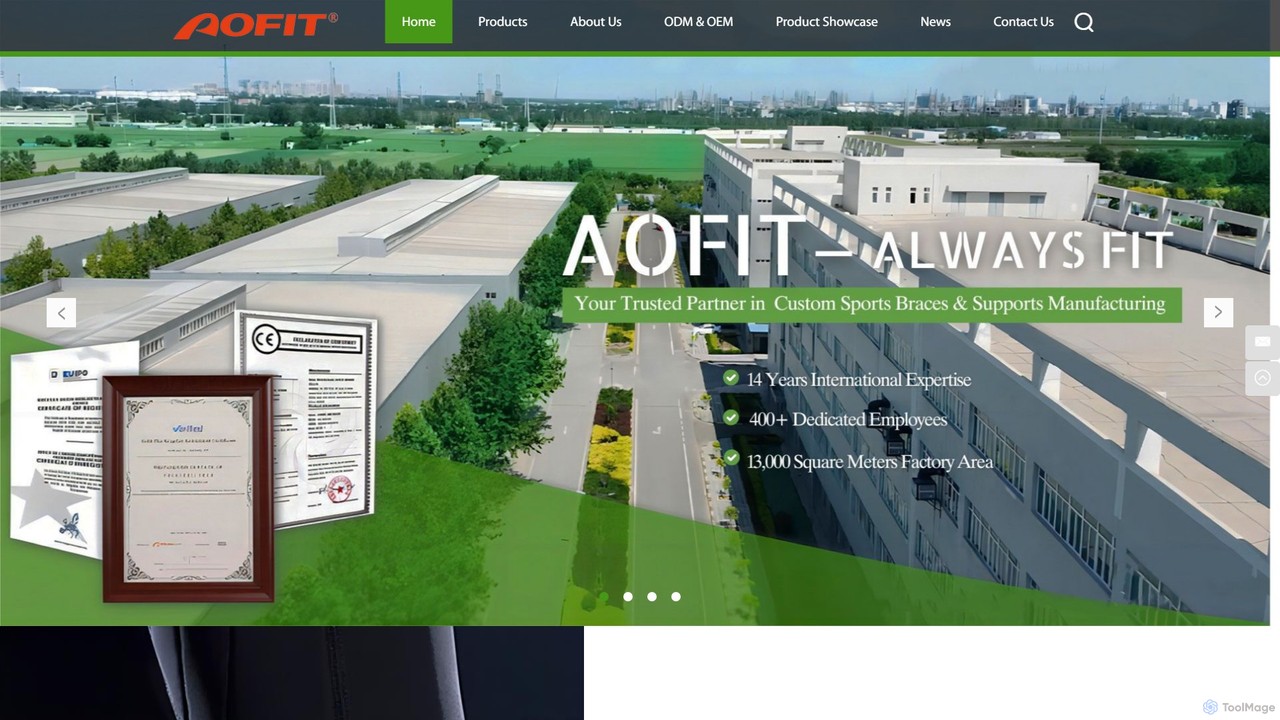
AOFIT is a leading OEM/ODM manufacturer specializing in high-quality healthcare and sports support products. They offer custom design, …
AOFIT is a leading OEM/ODM manufacturer specializing in high-quality healthcare and sports support products. They offer custom design, development, and production of sports braces, medical supports, shapewear, and mom & baby care items for global brands, distributors, and retailers.
About Supply Chain
Supply Chain AI tools are a category of artificial intelligence applications designed to optimize and automate various processes within the supply chain lifecycle. These tools leverage machine learning, predictive analytics, and automation to enhance efficiency, reduce costs, and improve resilience across planning, procurement, manufacturing, logistics, and delivery. They provide actionable insights for better decision-making, transforming traditional supply chain operations into intelligent, adaptive systems.
Core Features
- Demand Forecasting: Utilizes historical data and external factors to predict future product demand with high accuracy.
- Inventory Optimization: Dynamically adjusts stock levels, reorder points, and safety stock to minimize holding costs and prevent stockouts.
- Route Optimization: Plans the most efficient delivery routes, considering traffic, weather, vehicle capacity, and delivery windows.
- Supplier Risk Management: Monitors global events and supplier performance to identify and mitigate potential disruptions proactively.
- Predictive Maintenance: Forecasts equipment failures in manufacturing and logistics to schedule maintenance before breakdowns occur.
Applicable Scenarios
Supply Chain AI tools are crucial for manufacturers seeking to streamline production, retailers aiming to optimize inventory and fulfillment, and logistics providers focused on efficient transportation. They empower procurement teams to manage supplier relationships and risks, and operations managers to enhance overall supply chain visibility and responsiveness.
How to Choose
When selecting Supply Chain AI tools, consider the specific areas of your supply chain you wish to optimize (e.g., forecasting, logistics, inventory). Evaluate the tool's data integration capabilities with existing ERP/WMS systems, its scalability to handle growing data volumes, and the accuracy of its predictive models. User-friendliness, vendor support, and compliance with industry regulations are also critical factors.
Supply ChainUse Cases
Optimizing Inventory Levels with Predictive Analytics
Retail inventory managers utilize Supply Chain AI tools to forecast demand for thousands of SKUs, considering seasonality, promotions, and external market trends. By analyzing historical sales data and real-time information, the AI recommends optimal reorder points and safety stock levels. This proactive approach significantly reduces carrying costs by minimizing excess inventory while preventing stockouts, ensuring product availability and improving customer satisfaction.
Automating Route Planning for Logistics Efficiency
Logistics coordinators in transportation companies leverage Supply Chain AI for dynamic route optimization. The AI processes real-time data on traffic conditions, weather, vehicle capacity, delivery priorities, and driver availability to generate the most efficient delivery routes. This automation reduces fuel consumption by up to 20%, minimizes delivery times, and enhances overall operational efficiency, leading to significant cost savings and improved on-time delivery rates.
Predicting Supplier Disruptions for Enhanced Resilience
Procurement teams use Supply Chain AI to monitor global news, weather patterns, geopolitical events, and financial health indicators of key suppliers. The AI identifies potential risks like natural disasters, labor strikes, or financial instability that could impact supply. By receiving early warnings, companies can proactively diversify suppliers, adjust inventory buffers, or explore alternative sourcing, significantly enhancing supply chain resilience and minimizing operational downtime.
Enhancing Demand Forecasting Accuracy for Manufacturing
Manufacturing planners utilize Supply Chain AI to achieve highly accurate demand forecasts, moving beyond traditional statistical methods. The AI integrates diverse data sources, including historical sales, marketing campaigns, competitor activities, and even social media sentiment, to predict future product needs. This precision enables manufacturers to optimize production schedules, reduce waste from overproduction, and ensure raw materials are available just-in-time, leading to significant cost savings and improved resource utilization.
Streamlining Warehouse Operations with AI-Powered Robotics
Warehouse managers in large distribution centers deploy Supply Chain AI to orchestrate AI-powered robotics and automation systems. The AI optimizes picking paths for autonomous mobile robots (AMRs), manages inventory placement for efficient storage and retrieval, and directs automated guided vehicles (AGVs). This integration significantly increases throughput, reduces human error, and lowers operational costs by automating repetitive tasks, leading to a more efficient and safer warehouse environment.
Improving Freight Cost Management and Negotiation
Shipping companies and logistics departments leverage Supply Chain AI to analyze vast amounts of freight market data, including historical rates, carrier performance, fuel costs, and route specific surcharges. The AI identifies optimal pricing strategies, benchmarks carrier bids, and even simulates negotiation outcomes. This empowers procurement specialists to secure better freight rates, optimize carrier selection, and achieve significant cost reductions in transportation, often leading to savings of 5-15% on freight spend.