Business Best in category 7 results Team Management AI Tool

Popular AI tools in the Team Management field of Business include Slite、Swit、Howdy、Butter、aicamp、FlowCoach AI、Archeta AI, etc., helping you quickly improve efficiency.

FlowCoach AI

FlowCoach AI

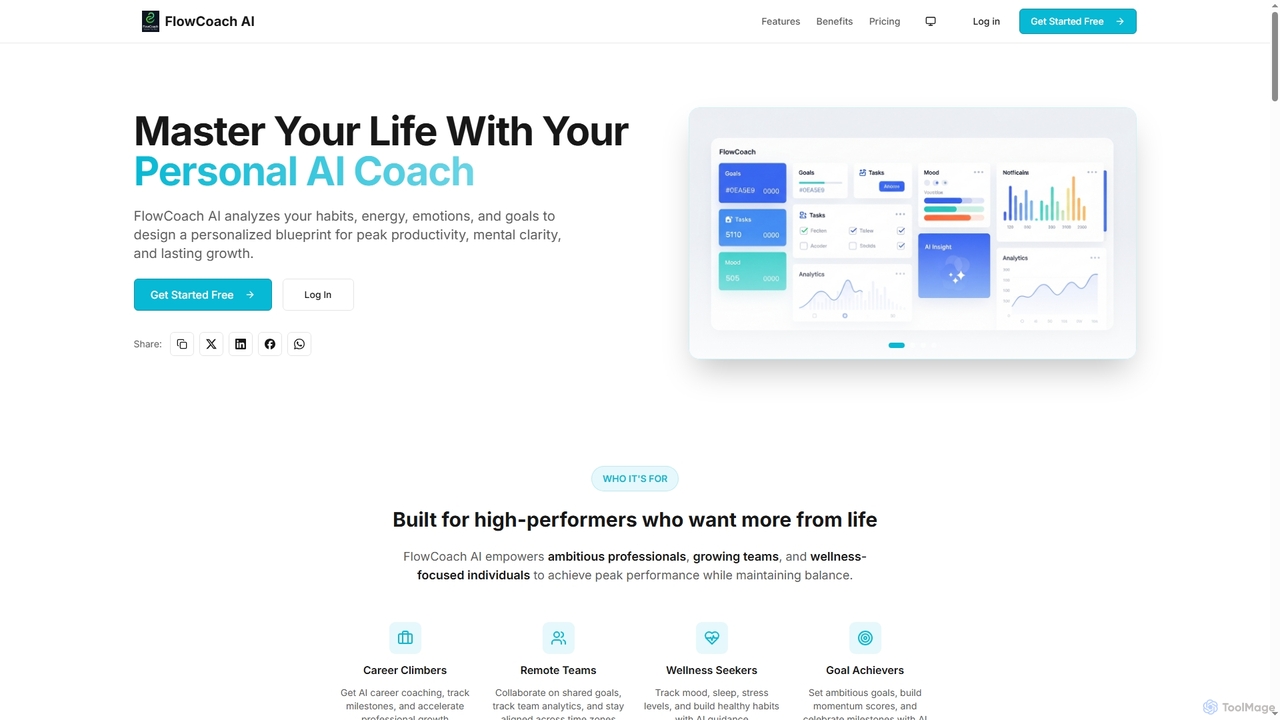
FlowCoach AI is an AI-powered personal coaching platform designed to enhance productivity, mental clarity, and personal growth. It …

3.2K
Archeta AI

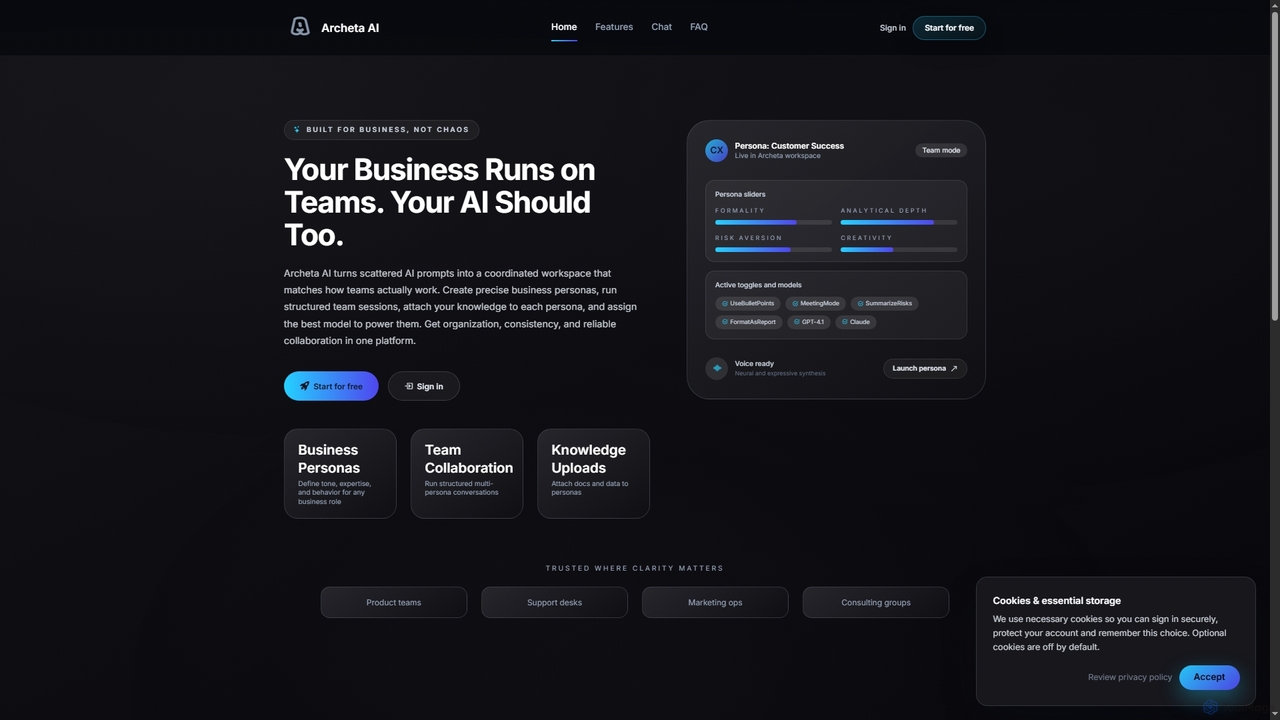
Archeta AI

Archeta AI is a structured workspace designed for businesses to transform scattered AI prompts into coordinated team collaboration. …

3.1K
Slite

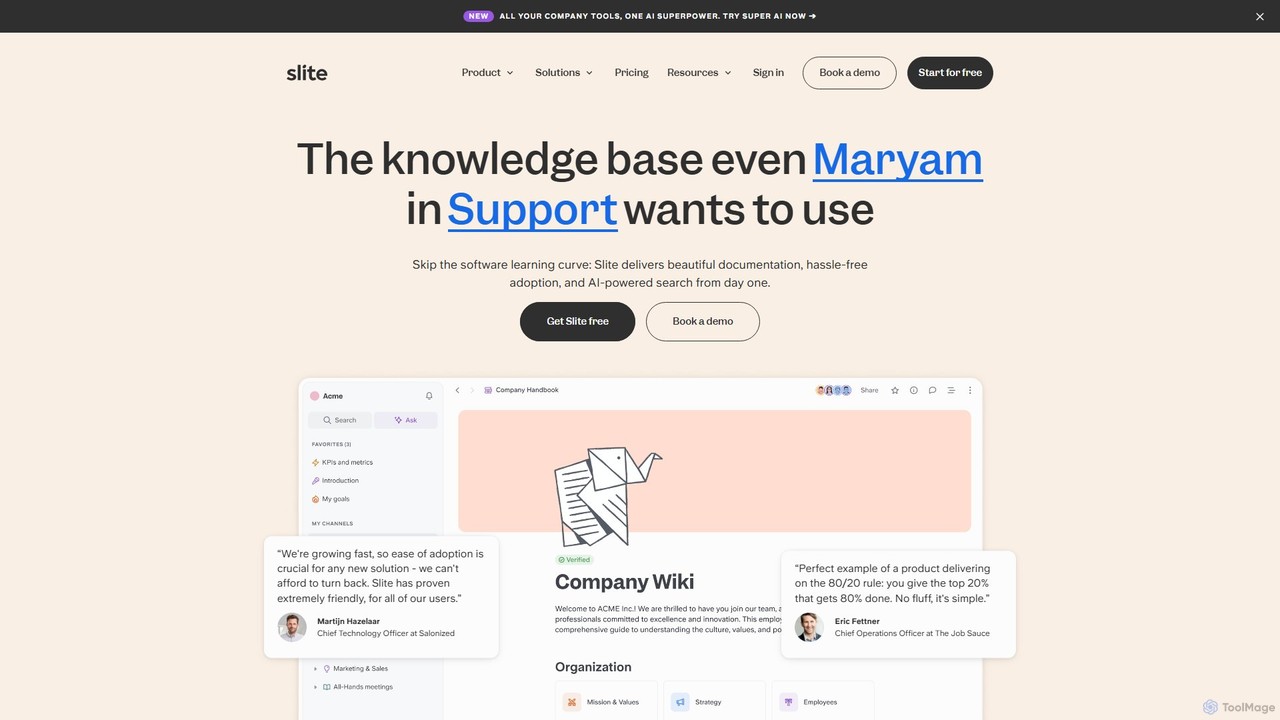
Slite

Slite is an AI-powered knowledge base designed for modern teams. It simplifies documentation, centralizes company knowledge, and provides …

290.1K
aicamp

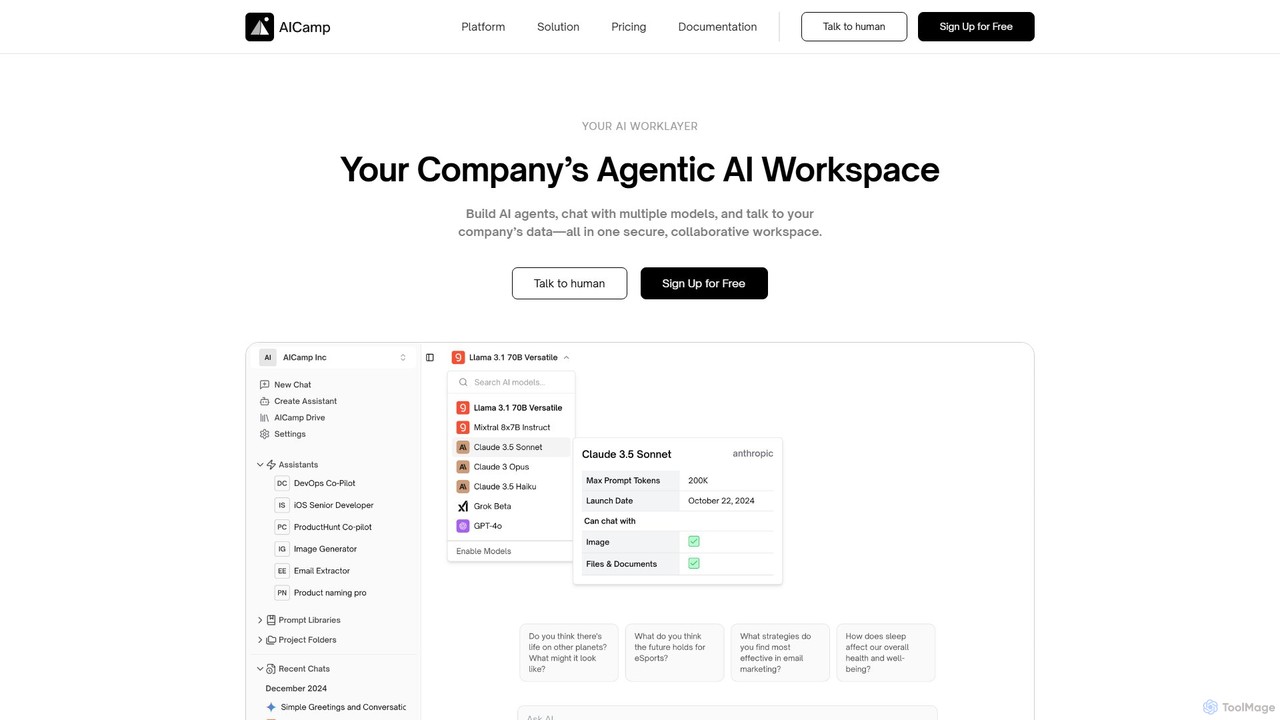
aicamp

aicamp is a secure, collaborative AI workspace designed for teams. It allows businesses to build custom AI agents, …

13.1K
Swit

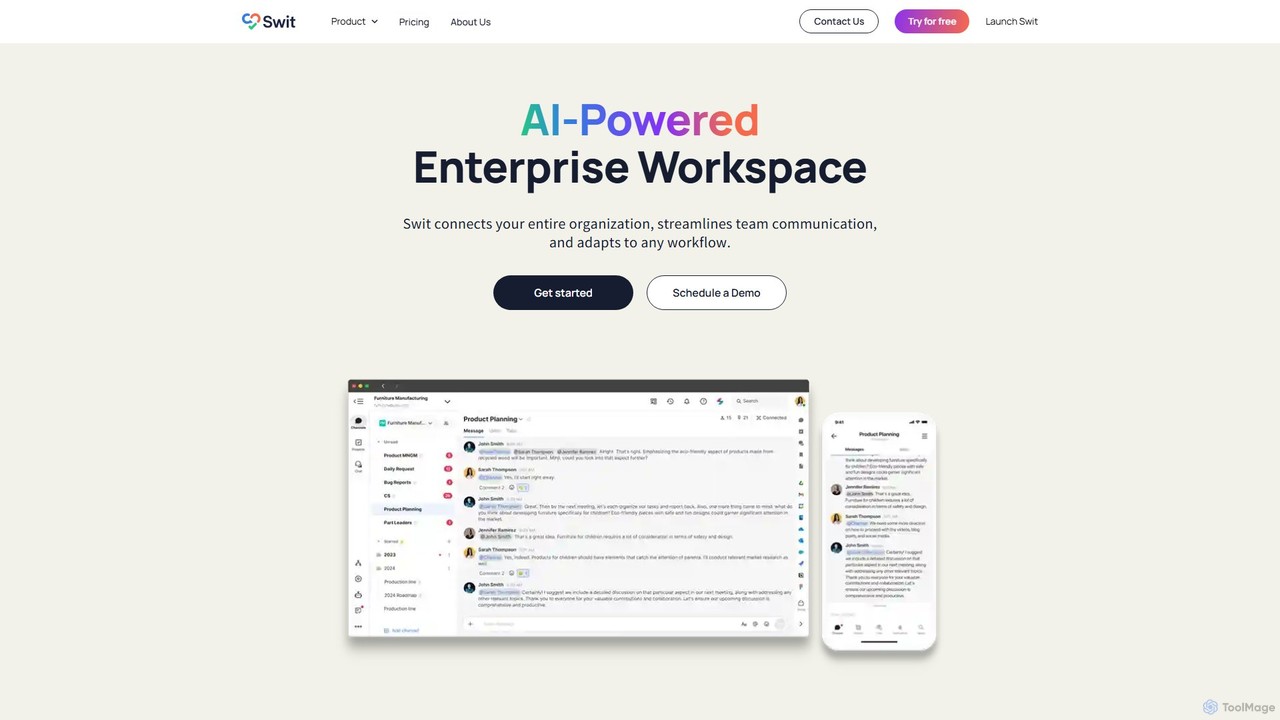
Swit

Swit is an AI-powered enterprise workspace that unifies team communication and task management into a single, integrated platform. …

104.9K
Howdy

Howdy

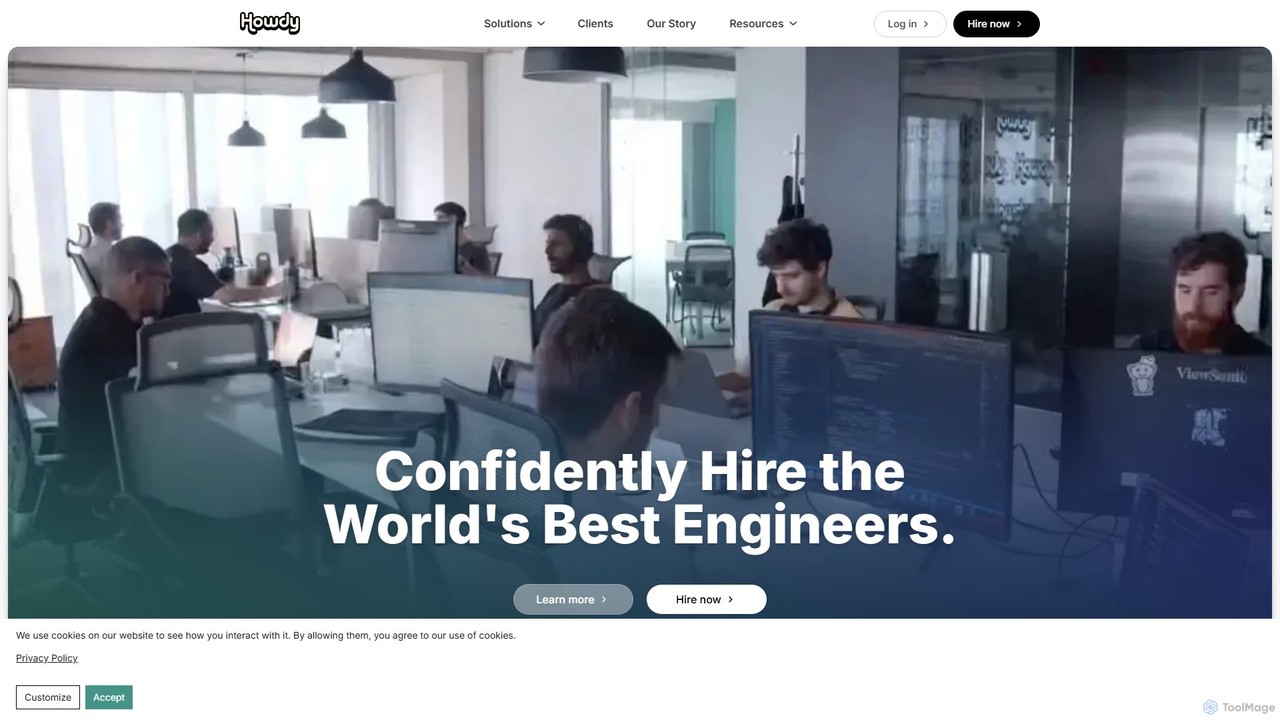
Howdy is an AI-powered talent platform connecting US companies with the top 1% of pre-vetted engineers and tech …

66.1K
Butter

Butter

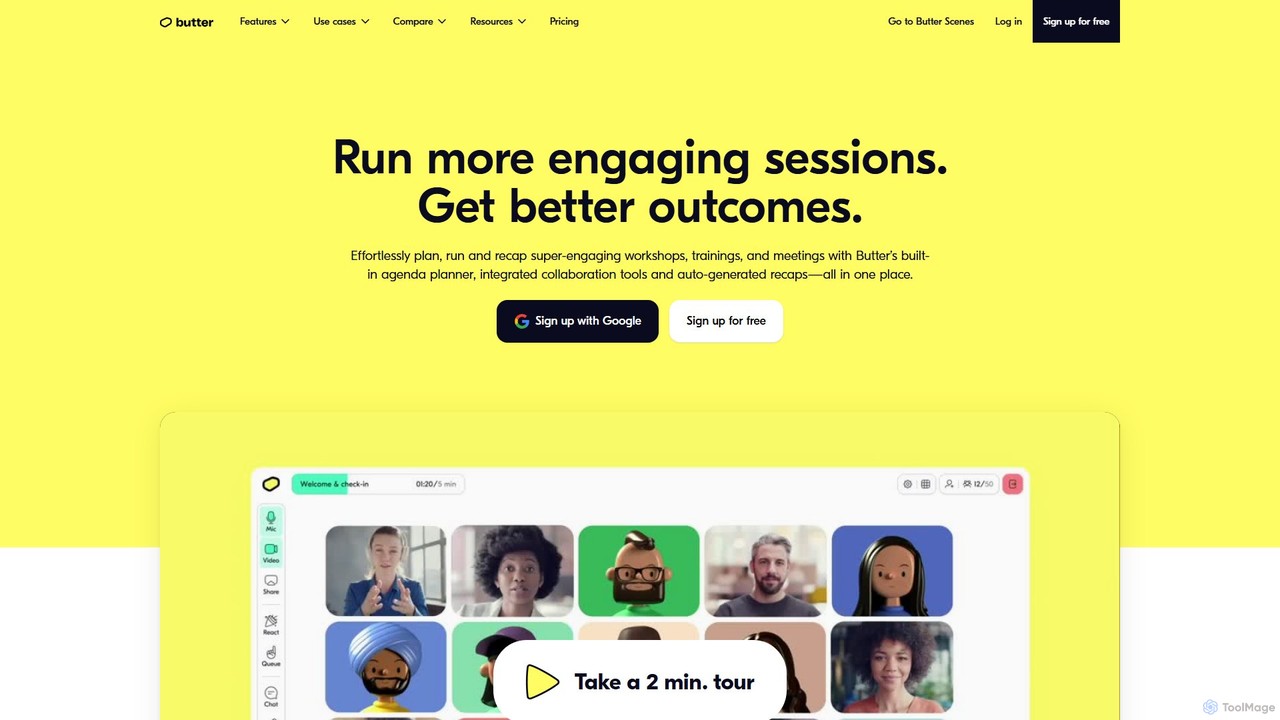
Butter is an AI-powered virtual collaboration platform designed for facilitators to run highly engaging and interactive workshops, training …

21.5K

About Team Management

Team Management AI tools are a specialized category within business software, designed to optimize collaboration, streamline workflows, and enhance productivity for teams. Leveraging artificial intelligence, these platforms automate routine tasks, provide data-driven insights into team dynamics, and facilitate communication, enabling teams to achieve their goals more efficiently. They integrate various functionalities to support intelligent project planning, task assignment, progress tracking, and performance analysis, transforming how businesses manage their human capital.

Core Features

  • AI-Powered Task Automation: Automatically assigns tasks, sets deadlines, and sends reminders based on project requirements and team member availability.
  • Predictive Project Scheduling: Utilizes AI to analyze historical data and predict potential delays, optimizing project timelines and resource allocation.
  • Sentiment Analysis & Communication Insights: Analyzes team communications to gauge morale, identify potential conflicts, and suggest improvements for collaboration.
  • Automated Performance Tracking: Monitors individual and team progress against goals, providing objective insights and identifying areas for improvement.
  • Smart Resource Allocation: Recommends optimal team member assignments for projects based on skills, workload, and project demands.

Applicable Scenarios

Team Management AI tools are invaluable for organizations seeking to enhance operational efficiency and foster better collaboration. They are widely adopted by remote and hybrid teams to maintain cohesion, by project managers for complex project oversight, and by HR departments for performance management and talent development. These tools are crucial in fast-paced environments where dynamic resource allocation and real-time performance insights are essential.

How to Choose

When selecting Team Management AI tools, consider the specific needs of your team, such as the level of automation required for task management and scheduling. Evaluate the tool's integration capabilities with existing communication and project management platforms. Assess the depth of AI-driven insights offered, particularly for performance analytics and sentiment analysis. Finally, factor in scalability, user-friendliness, and the vendor's support to ensure it aligns with your organizational growth and technical capabilities.

Team ManagementUse Cases

1

Optimizing Remote Team Collaboration

For distributed teams, an AI team management tool can automatically schedule meetings across time zones, analyze communication patterns to identify potential silos, and suggest optimal times for team check-ins. This helps team leads ensure all members feel connected and informed, reducing communication overhead by up to 30% and fostering a more inclusive remote work environment.

2

Streamlining Project Management Workflows

Project managers can leverage AI team management tools to automate task assignment based on team member skills and current workload, predict project completion dates with higher accuracy, and flag potential bottlenecks before they occur. This proactive approach allows for dynamic resource reallocation, ensuring projects stay on track and are delivered within budget, potentially reducing project delays by 25%.

3

Enhancing Employee Performance and Development

HR professionals and team leaders can use AI team management tools to gain objective insights into individual and team performance. The AI can identify skill gaps, recommend personalized training modules, and track progress towards professional development goals. This data-driven approach supports targeted coaching and talent retention, leading to a 15% improvement in employee engagement and skill acquisition.

4

Automating Meeting Summaries and Action Items

For teams with frequent meetings, an AI team management tool can transcribe discussions, summarize key points, and automatically extract action items with assigned owners and deadlines. This eliminates the need for manual note-taking, saving up to 1-2 hours per meeting, and ensures that decisions are clearly documented and follow-up tasks are not missed, improving accountability and execution efficiency.

5

Facilitating Cross-Functional Team Collaboration

In large organizations, cross-functional teams often struggle with communication and alignment. AI team management tools can bridge these gaps by providing a centralized platform for shared goals, intelligent routing of information to relevant stakeholders, and identifying dependencies across different projects. This enhances transparency and reduces miscommunication, leading to a 20% faster project delivery for complex, multi-departmental initiatives.

6

Proactive Conflict Resolution and Morale Monitoring

AI team management tools can analyze communication data (e.g., tone, frequency, keyword usage) to detect early signs of team conflict or declining morale. By flagging these issues to team leaders, the AI enables proactive intervention, such as facilitating mediation or adjusting workloads, before problems escalate. This leads to a healthier team environment and can reduce employee turnover by up to 10%.

Team ManagementFrequently Asked Questions