Business Best in category 1 results Wellness AI Tool

Popular AI tools in the Wellness field of Business include Macros AI, etc., helping you quickly improve efficiency.

Macros AI

Macros AI

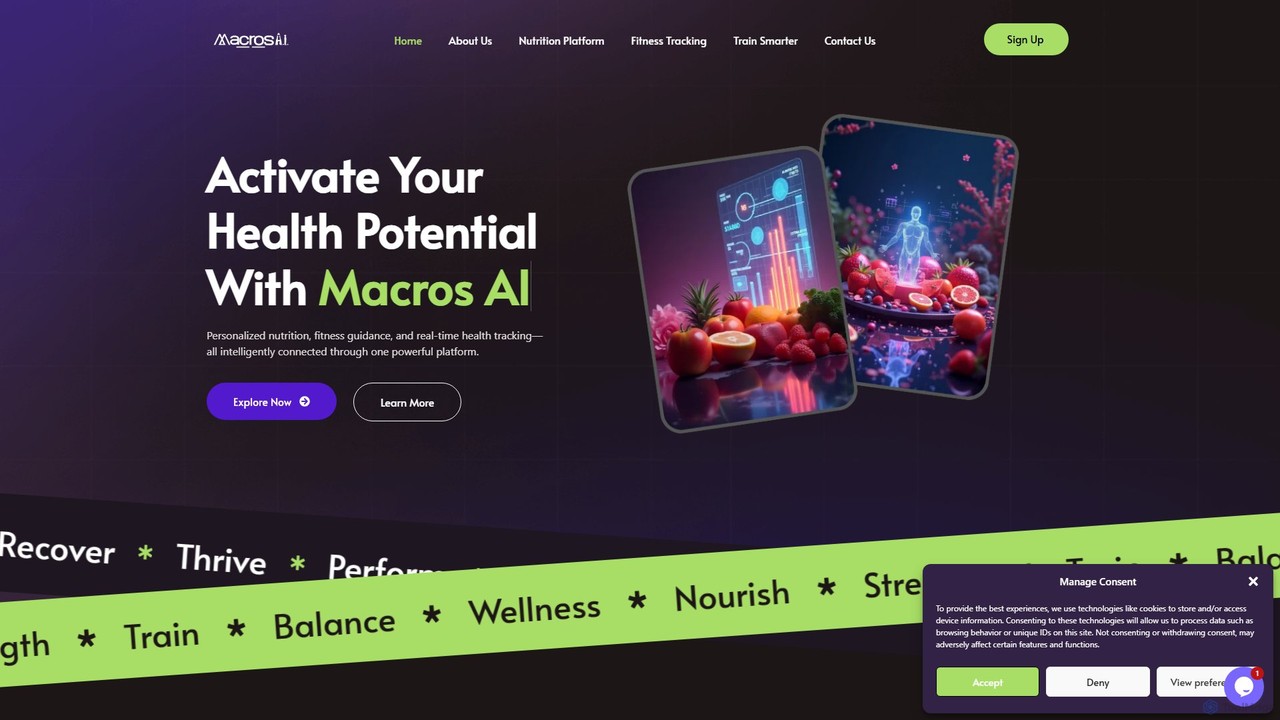
Macros AI is an intelligent health and fitness platform that uses artificial intelligence to deliver hyper-personalized nutrition and …

2.9K

About Wellness

AI Wellness tools are a category of business software designed to support and enhance employee well-being through data-driven insights and personalized support. These platforms leverage machine learning to analyze anonymized data, identify stress patterns, and offer confidential resources. Their primary value lies in helping organizations proactively address burnout, improve morale, and foster a healthier, more productive work environment. By integrating with daily workflows, they make mental and physical health support accessible to every employee.

Core Features

  • Personalized Well-being Plans: Generates custom recommendations for stress management, sleep improvement, and mindfulness based on individual needs.
  • Confidential AI Chatbots: Provides 24/7 anonymous mental health support and guidance, acting as a first line of assistance.
  • Burnout Risk Analysis: Anonymously analyzes communication and work patterns to identify teams or individuals at risk of burnout.
  • Sentiment Analysis: Gathers and interprets anonymized employee feedback from surveys or communication channels to gauge team morale.
  • Resource Hub & Guided Sessions: Offers a library of curated content, including guided meditations, fitness programs, and financial wellness articles.

Use Cases

These tools are primarily used by Human Resources (HR) departments, people managers, and leadership teams in mid-to-large-sized companies. They are particularly valuable in high-pressure industries like tech, finance, and healthcare to mitigate stress and reduce employee turnover. Common applications include implementing corporate wellness programs, providing scalable mental health benefits, and monitoring organizational health trends.

How to Choose

When selecting an AI Wellness tool, prioritize data privacy and security, ensuring compliance with regulations like GDPR and HIPAA. Evaluate its integration capabilities with existing communication platforms like Slack or Microsoft Teams. Consider the scope of its offerings—does it cover mental, physical, and financial well-being? Finally, assess the quality of its analytics dashboard for tracking engagement and measuring the program's impact.

WellnessUse Cases

1

Proactive Burnout Prevention for Tech Teams

A manager of a software development team uses an AI Wellness tool to gain anonymized insights into team workload. The tool analyzes metrics like after-hours activity on communication platforms and the number of back-to-back meetings. When it flags a potential burnout risk for the team, the manager is alerted. They can then take proactive steps, such as reallocating tasks, enforcing 'no-meeting' days, or initiating a discussion about workload, all without compromising individual privacy.

2

Providing Confidential Mental Health Support

An employee feeling overwhelmed by project deadlines uses the company's AI Wellness chatbot. They can express their anxieties in a secure, non-judgmental space. The AI chatbot provides immediate coping strategies, suggests a guided meditation session available in the tool's library, and offers to connect them with a human therapist through the company's EAP, all while maintaining complete anonymity. This provides a crucial, low-barrier first step for seeking help.

3

Measuring the Impact of Wellness Initiatives

An HR director uses the AI Wellness tool's analytics dashboard to measure the effectiveness of a new company-wide mental health initiative. They can track aggregate, anonymized data on tool engagement, sentiment analysis trends, and self-reported stress levels. By comparing this data before and after the initiative, they can demonstrate a quantifiable ROI to leadership, showing, for example, a 15% improvement in overall team sentiment and a 20% increase in engagement with wellness resources.

4

Personalized Onboarding for New Hires

HR integrates the AI Wellness tool into the onboarding process for new employees. Upon joining, each new hire is prompted to complete a confidential well-being assessment. Based on their responses, the AI curates a personalized 'First 90 Days' wellness plan, suggesting resources for managing the stress of a new role, tips for connecting with colleagues, and guided sessions for maintaining work-life balance. This helps new employees feel supported from day one.

5

Boosting Team Cohesion with Group Activities

A remote team lead notices a dip in team morale through the tool's anonymized sentiment reports. To address this, they use the platform to schedule a voluntary, 10-minute guided group mindfulness session before the weekly team meeting. The AI tool facilitates the session, providing a shared positive experience that helps the team reset and connect on a non-work level. Over time, participation in these small activities can help rebuild team cohesion and improve communication.

6

Promoting Physical Health for a Distributed Workforce

A company with a fully remote workforce uses an AI Wellness platform to launch a 'Global Step Challenge'. The tool allows employees from different countries to form teams and track their daily steps. The AI provides personalized encouragement, healthy recipe suggestions, and virtual badges for milestones. This gamified approach fosters a sense of community and friendly competition, motivating employees to stay active and prioritize their physical health, regardless of their location.

WellnessFrequently Asked Questions