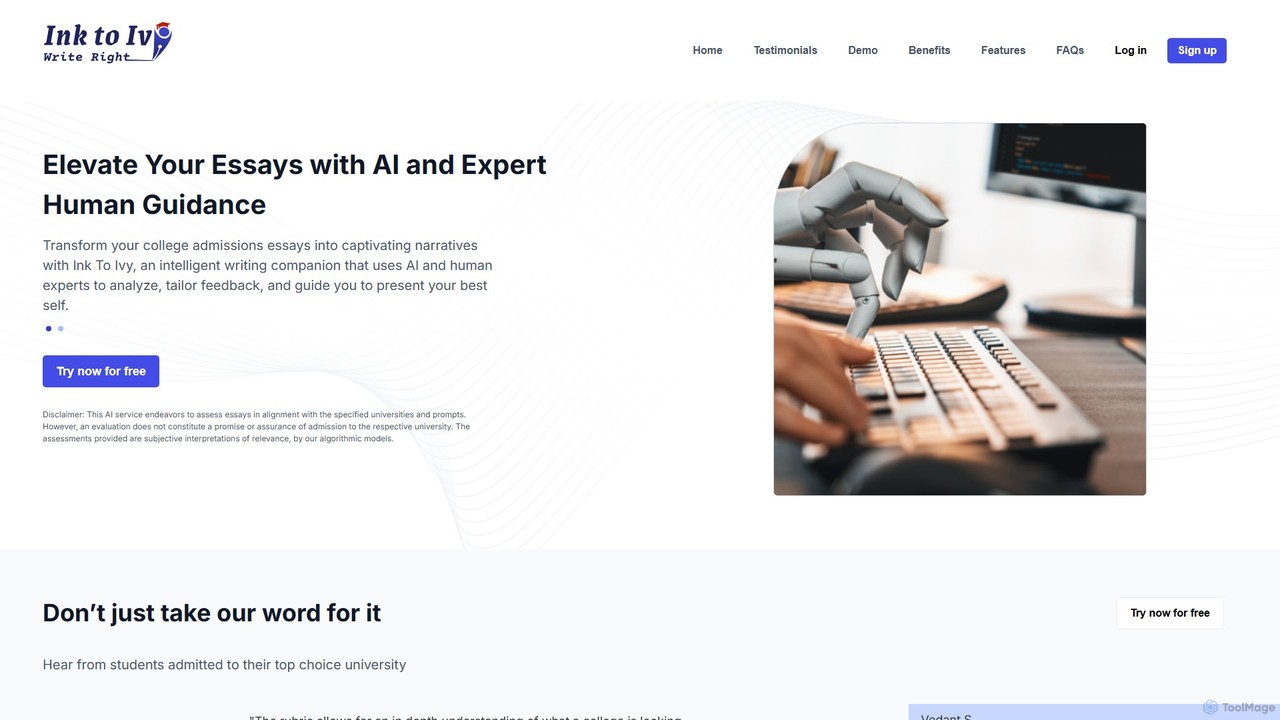
Application Tools are AI-powered platforms designed to assist job seekers in creating, optimizing, and managing their job application materials. These tools leverage natural language processing (NLP) and generative models to produce professional resumes, cover letters, and even practice interview responses. Their primary value lies in tailoring application documents to specific job descriptions, significantly increasing the chances of passing through applicant tracking systems (ATS) and catching a recruiter's attention. They streamline the often tedious application process, enabling users to apply for more positions with higher quality submissions.
Core Features
- AI Resume Builder: Generates and refines resume content, suggesting impactful bullet points based on your experience and the target job.
- Cover Letter Generator: Creates personalized and compelling cover letters tailored to the specific company and role you are applying for.
- Interview Preparation: Simulates job interviews with common questions and provides AI-driven feedback on your answers, delivery, and confidence.
- Keyword Optimization: Analyzes job descriptions to identify crucial keywords and skills, ensuring your application materials are ATS-friendly.
Use Cases
These tools are invaluable for a wide range of users, including recent graduates entering the job market, professionals seeking a career change, and active job seekers applying to multiple positions. They are particularly useful for tailoring applications for competitive roles in tech, marketing, and finance, where customized materials are essential. They also serve as a great aid for non-native English speakers aiming to produce professional, error-free documents.
How to Choose
When selecting an Application Tool, consider the specific features you need—whether it's resume building, cover letter writing, or interview practice. Evaluate the quality and customizability of the generated content and templates. Pay close attention to the platform's data privacy policy, as you will be sharing sensitive personal information. Finally, compare pricing models, from free versions with basic features to subscription plans offering advanced capabilities.