Createy
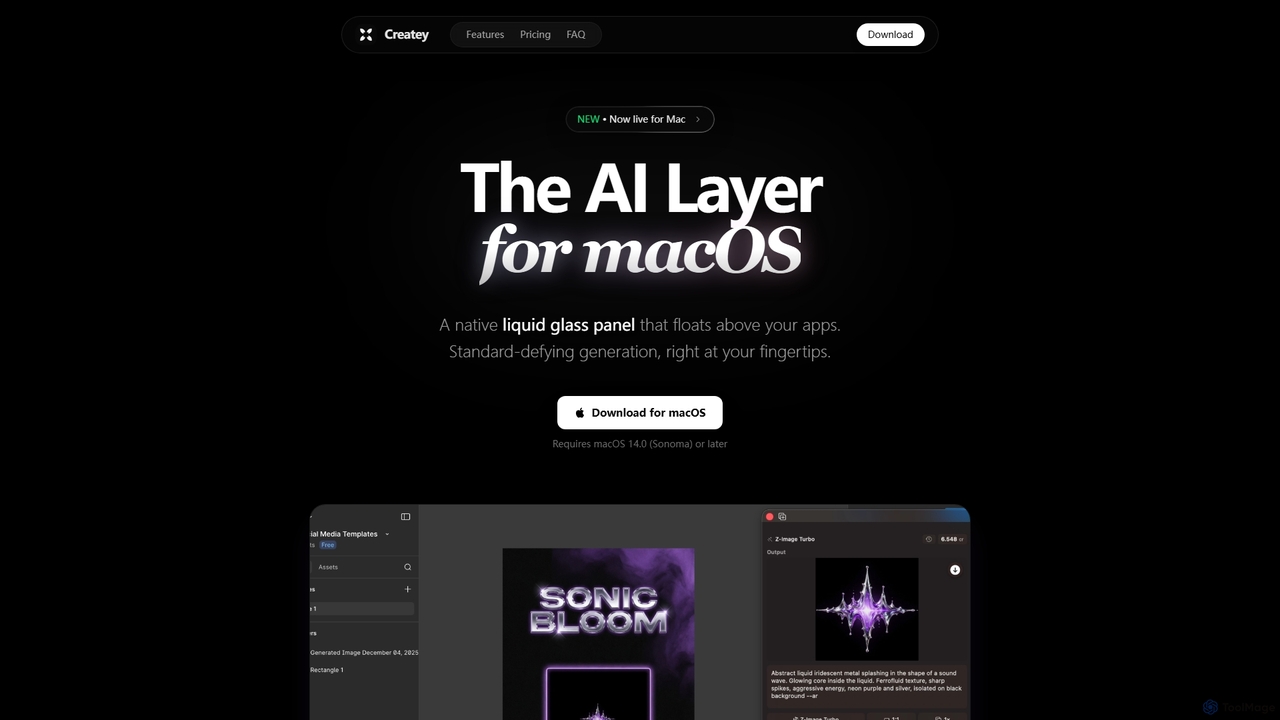
Createy is an innovative AI layer for macOS, designed to seamlessly generate high-quality visuals and assets directly within …
Createy is an innovative AI layer for macOS, designed to seamlessly generate high-quality visuals and assets directly within your active applications. It streamlines creative workflows for designers, marketers, and e-commerce professionals by offering instant image generation, drag-and-drop functionality, and multi-model AI support.
Partially Payment Plans
Partially Payment Plans is a Stripe app that allows businesses to create and manage flexible payment plans for …
Partially Payment Plans is a Stripe app that allows businesses to create and manage flexible payment plans for invoices and customers directly from the Stripe Dashboard. It helps increase revenue and improve cash flow by making purchases more manageable for customers, offering custom terms that suit both the business and the client.
About Commerce
AI Commerce tools are a suite of applications that leverage artificial intelligence to enhance and automate retail operations. These tools utilize machine learning algorithms to analyze customer data, predict trends, and personalize shopping experiences. They are designed to increase sales, improve customer satisfaction, and optimize supply chain efficiency for both online and physical stores. By automating tasks like pricing, customer support, and inventory management, these tools empower businesses to make data-driven decisions and gain a competitive edge.
Core Features
- Personalized Recommendations: Analyzes user behavior and purchase history to suggest relevant products, increasing conversion rates.
- Dynamic Pricing: Automatically adjusts product prices based on real-time demand, competitor pricing, and inventory levels.
- AI-Powered Customer Support: Deploys chatbots and virtual assistants to handle customer inquiries 24/7, improving response times.
- Demand Forecasting: Uses predictive analytics to forecast product demand, preventing stockouts and reducing overstock.
- Visual Search: Allows customers to search for products using images, providing a more intuitive shopping experience.
Use Cases
AI Commerce tools are widely used by e-commerce platforms, brick-and-mortar retailers, and direct-to-consumer (DTC) brands. Marketing teams use them for personalized campaigns, while supply chain managers rely on them for inventory optimization. For example, an online fashion retailer can use AI to create personalized homepages for each visitor, and a supermarket can use it to optimize stock levels based on weather forecasts and local events.
How to Choose
When selecting an AI Commerce tool, consider its integration capabilities with your existing platforms like Shopify, Magento, or your CRM. Evaluate the specific functionality you need—whether it's a comprehensive suite or a specialized tool for pricing or personalization. Assess the tool's scalability to handle your business growth and its data requirements to ensure you can provide the necessary inputs for optimal performance.

CommerceUse Cases
Generate SEO-Friendly Product Descriptions in Bulk
An e-commerce manager overseeing a catalog of thousands of products faces the challenge of writing unique and compelling descriptions for each item. Using an AI commerce tool, they can input key product attributes like material, dimensions, and features. The AI then generates multiple variations of SEO-optimized descriptions for each product in minutes. This process not only saves hundreds of hours of manual work but also improves search engine rankings by avoiding duplicate content and incorporating relevant keywords, leading to increased organic traffic and sales.
Personalize Email Marketing Campaigns at Scale
A marketing team wants to move beyond generic email blasts and increase engagement. By integrating an AI commerce tool with their email platform, they can analyze each customer's browsing history, past purchases, and abandoned carts. The AI segments the audience automatically and populates email templates with personalized product recommendations, unique discount codes, and relevant content. This results in significantly higher open rates and click-through rates, as customers receive content tailored to their specific interests, ultimately boosting conversion rates and customer loyalty.
Optimize Pricing Strategy with Real-Time Data
A competitive online retailer needs to adjust prices frequently to maximize profit margins without losing sales. They implement a dynamic pricing tool powered by AI. The tool continuously monitors competitor prices, stock levels, demand signals (like website traffic), and even external factors like holidays. Based on this data, it automatically adjusts product prices within preset rules. For instance, it might lower the price slightly to beat a competitor or increase it during a surge in demand, ensuring the retailer remains competitive and profitable around the clock.
Provide 24/7 Automated Customer Support
A growing online store struggles to handle customer inquiries outside of business hours. By deploying an AI-powered chatbot on their website, they can provide instant answers to common questions around the clock. The chatbot is trained on the company's FAQ, shipping policies, and product information. It can handle queries like "Where is my order?" or "What is your return policy?" autonomously. For more complex issues, it seamlessly transfers the conversation to a human agent, providing the agent with the full chat history. This reduces agent workload, improves customer satisfaction with instant support, and captures potential sales that might otherwise be lost.
Forecast Inventory Demand to Prevent Stockouts
A supply chain manager for a retail chain needs to ensure popular items are always in stock without over-ordering. They use an AI demand forecasting tool that analyzes historical sales data, seasonality, promotional calendars, and even external market trends. The AI model predicts future demand for each product at each store location with high accuracy. This allows the manager to automate purchase orders and optimize stock allocation across the network, minimizing both costly stockouts (lost sales) and excess inventory (carrying costs). The result is a more efficient and resilient supply chain.
Enhance Product Discovery with Visual Search
A customer sees a product they like on social media or in real life but doesn't know its name or brand. Using a retailer's mobile app equipped with AI visual search, they can simply take a photo or upload an image. The AI analyzes the image, identifies key attributes like color, pattern, and style, and instantly shows them the exact product or visually similar items from the store's catalog. This removes the friction of text-based searching, creates a more engaging user experience, and directly converts inspiration into a purchase, increasing sales for hard-to-describe items.