Consulting Best in category 2 results Technology Strategy AI Tool

Popular AI tools in the Technology Strategy field of Consulting include Spaculus、LanceQ, etc., helping you quickly improve efficiency.

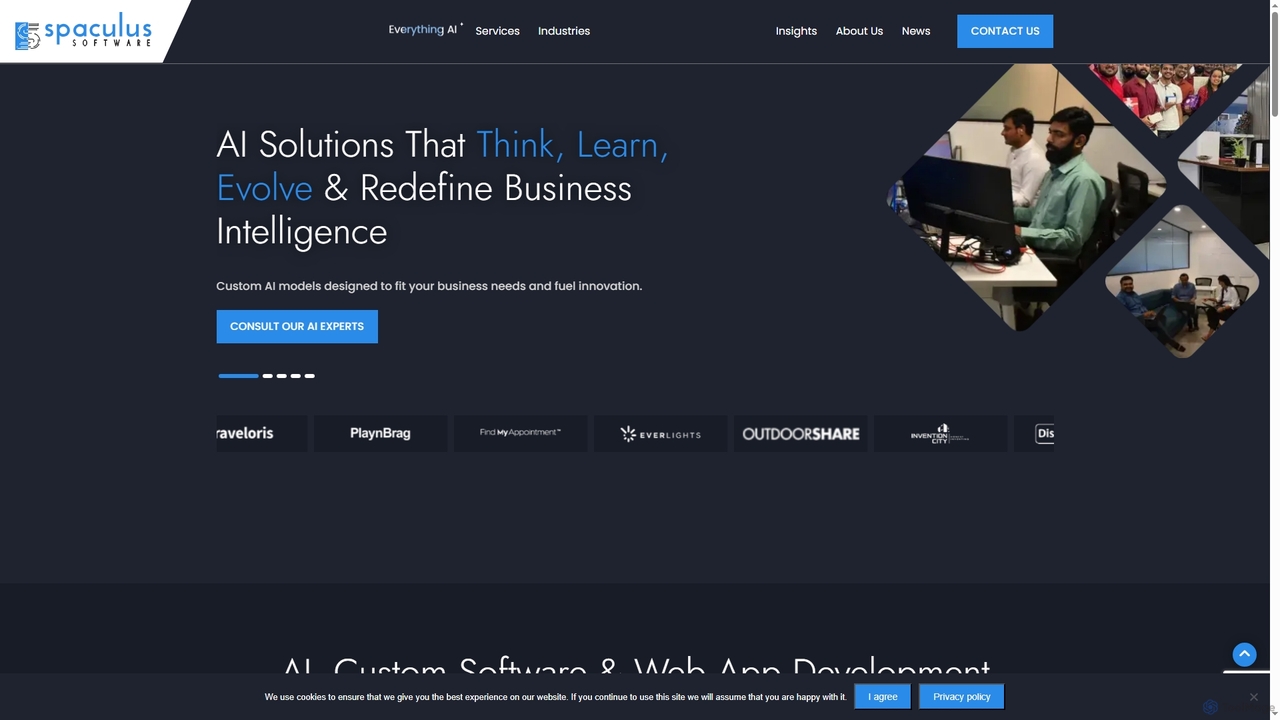
Spaculus

Spaculus

Spaculus is a leading technology company specializing in AI, custom software, and web app development. They provide tailored …

4.9K
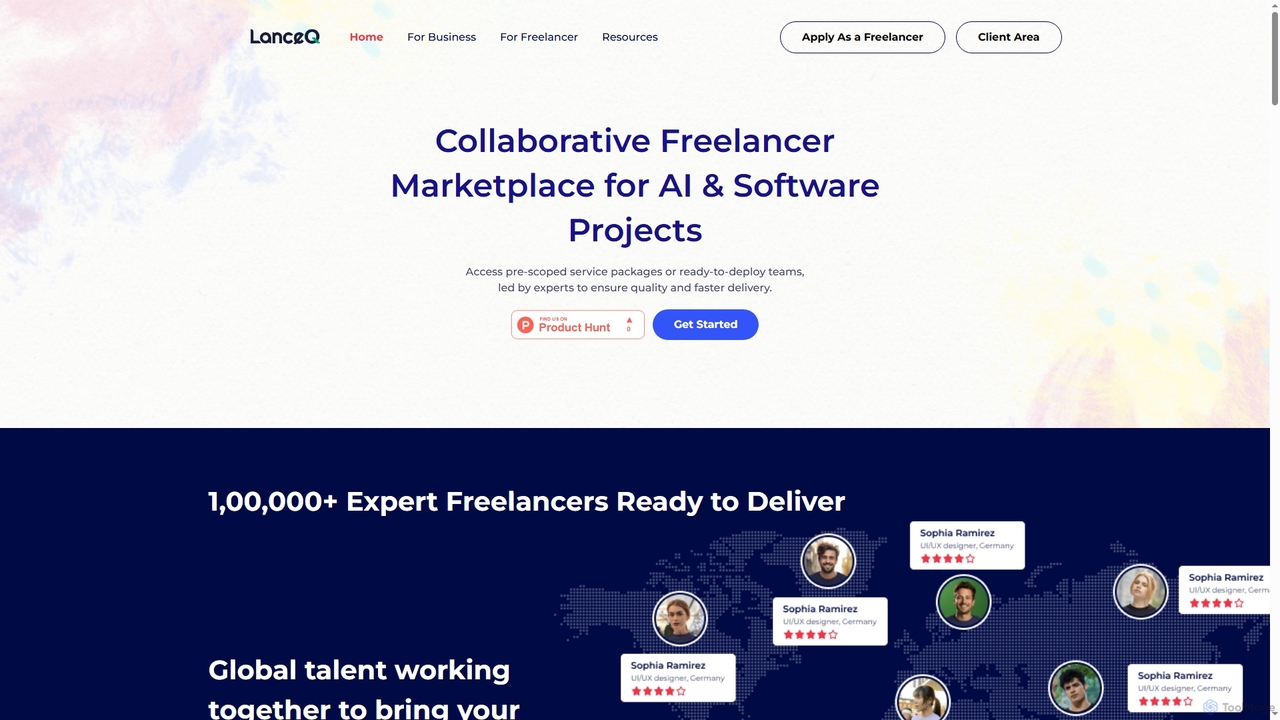
LanceQ

LanceQ

LanceQ is a collaborative freelancer marketplace specializing in AI and software projects. It connects businesses with a global …

2.7K

About Technology Strategy

Technology Strategy tools are a specialized category of AI-driven platforms designed to help organizations formulate and manage their long-term technology roadmaps. These tools leverage data analysis, market trend prediction, and competitive intelligence to provide data-backed strategic recommendations. They enable businesses to align technology investments with core objectives, identify innovation opportunities, and mitigate risks associated with technological disruption. Unlike general consulting tools, they focus specifically on creating a cohesive, forward-looking plan for technology adoption and development.

Core Features

  • Trend Analysis & Forecasting: Analyzes market data, patents, and research to predict emerging technology trends.
  • Capability Assessment: Maps an organization's current tech stack and skills against industry benchmarks and future needs.
  • Roadmap Generation: Automates the creation of strategic timelines, outlining key initiatives, milestones, and resource allocation.
  • Risk & Opportunity Modeling: Simulates the potential impact of different technology choices on business outcomes.
  • Competitive Intelligence: Gathers and analyzes data on competitors' technology stacks, patents, and product launches.

Use Cases

These tools are primarily used by Chief Technology Officers (CTOs), Chief Information Officers (CIOs), and corporate strategy teams in medium to large enterprises. They are crucial for digital transformation initiatives, technology due diligence in mergers and acquisitions, and annual strategic planning cycles to ensure technology serves as a competitive advantage.

How to Choose

When selecting a Technology Strategy tool, consider its data integration capabilities with both internal systems and external data feeds. Evaluate the depth of its analytical models, such as predictive forecasting and scenario simulation. Assess the level of customization available for your specific industry and the clarity of its reporting and visualization features for executive-level communication.

Technology StrategyUse Cases

1

Planning a Digital Transformation Roadmap

A traditional retail company aims to modernize its operations. A strategy team uses an AI Technology Strategy tool to analyze market trends like headless commerce and AI-powered personalization. The tool assesses their current legacy systems and identifies critical capability gaps. Based on this analysis, it generates a phased 3-year roadmap, prioritizing investments in cloud infrastructure, data analytics platforms, and customer relationship management systems, complete with estimated costs and timelines.

2

Conducting M&A Technology Due Diligence

A private equity firm is evaluating a software company for acquisition. They use a Technology Strategy tool to perform due diligence on the target's tech stack. The AI scans the codebase for outdated libraries, analyzes the architecture for scalability issues, and benchmarks its technology against competitors. The output is a comprehensive report highlighting technical debt, integration risks, and potential synergies, enabling the firm to make a more informed valuation and plan for post-acquisition integration.

3

Benchmarking Against Competitor Technology

A SaaS company wants to maintain its competitive edge. A product strategist uses a Technology Strategy tool to continuously monitor key competitors. The platform automatically tracks competitors' patent filings, new feature releases from their changelogs, and shifts in their technology stack revealed through job postings. This provides a real-time dashboard of the competitive landscape, helping the strategist identify emerging threats and opportunities to differentiate their own product roadmap.

4

Prioritizing R&D Investment Opportunities

A pharmaceutical company's R&D department needs to allocate its annual budget. Using a Technology Strategy tool, analysts input various potential research avenues. The AI analyzes vast datasets including clinical trial results, scientific publications, and patent landscapes to score each opportunity based on factors like scientific viability, market potential, and competitive intensity. This data-driven approach helps leadership prioritize projects that have the highest probability of success and commercial return.

5

Rationalizing the IT Application Portfolio

A large financial institution is burdened with hundreds of legacy applications, leading to high maintenance costs. An enterprise architect uses a Technology Strategy tool to map the entire application portfolio. The tool integrates with internal systems to assess each application's business value, usage metrics, and technical health. It then provides recommendations to retire redundant applications, consolidate overlapping ones, and modernize critical but outdated systems, creating a clear path to reduce complexity and operational costs.

6

Formulating a Multi-Cloud Adoption Strategy

A manufacturing firm wants to avoid vendor lock-in and optimize costs by adopting a multi-cloud strategy. A CIO uses a Technology Strategy tool to analyze their application workloads and data requirements. The AI models simulate performance and cost across AWS, Azure, and Google Cloud, recommending the optimal provider for each workload. It also identifies potential integration challenges and security considerations, generating a strategic plan for a phased, secure, and cost-effective migration to a multi-cloud environment.

Technology StrategyFrequently Asked Questions