NeuvonSoftware
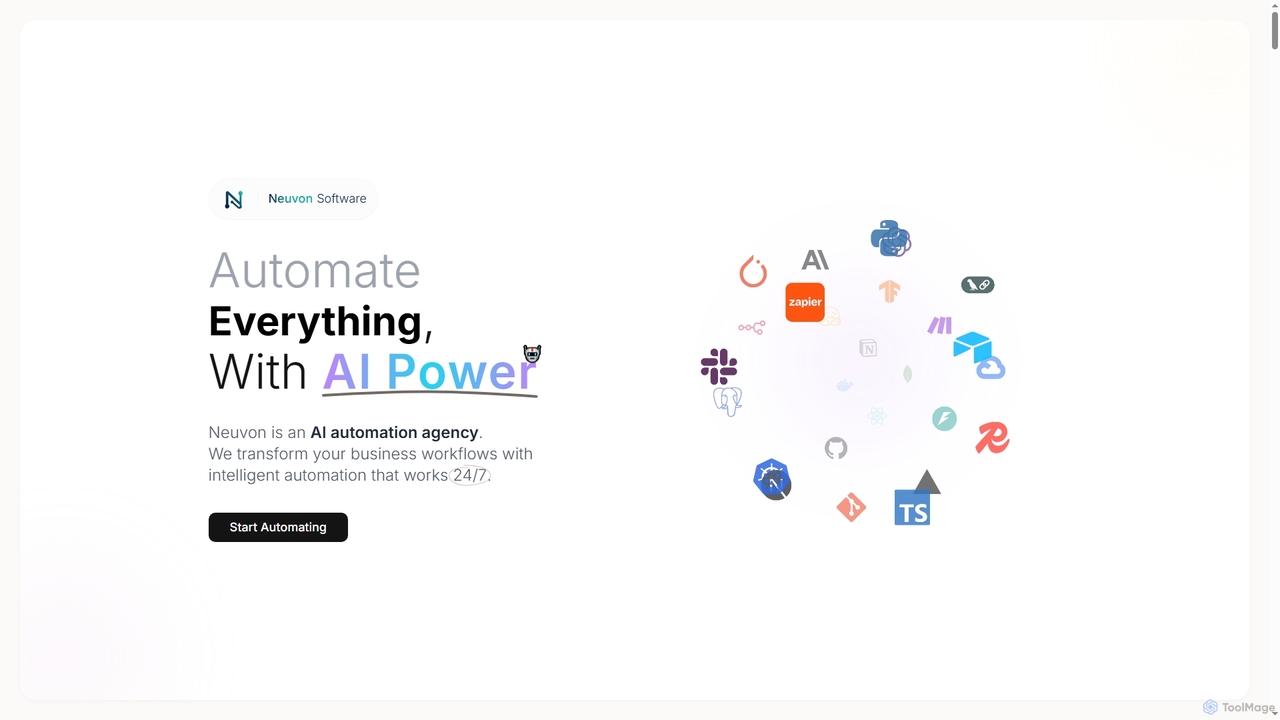
NeuvonSoftware is an AI automation and software development agency specializing in transforming business workflows with intelligent, 24/7 automation. …
NeuvonSoftware is an AI automation and software development agency specializing in transforming business workflows with intelligent, 24/7 automation. They offer custom AI solutions, workflow automation, data integration, and bespoke software development to enhance efficiency, reduce errors, and drive data-driven decisions for businesses across various sectors.
Pyrinas
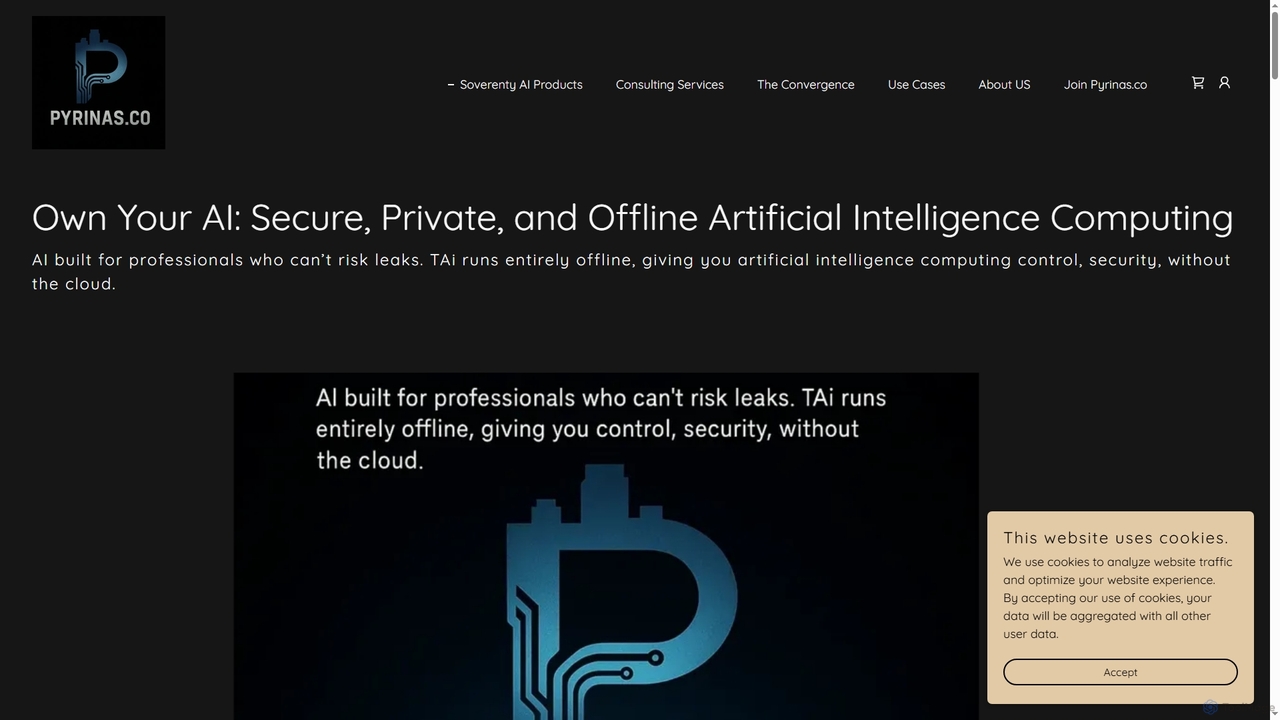
Pyrinas offers Sovereign AI products and consulting services, providing secure, private, and offline artificial intelligence computing. Its flagship …
Pyrinas offers Sovereign AI products and consulting services, providing secure, private, and offline artificial intelligence computing. Its flagship TAi suite enables professionals to maintain full control over their data and AI, ensuring confidentiality and compliance with standards like HIPAA and GDPR, without reliance on cloud infrastructure.
Section
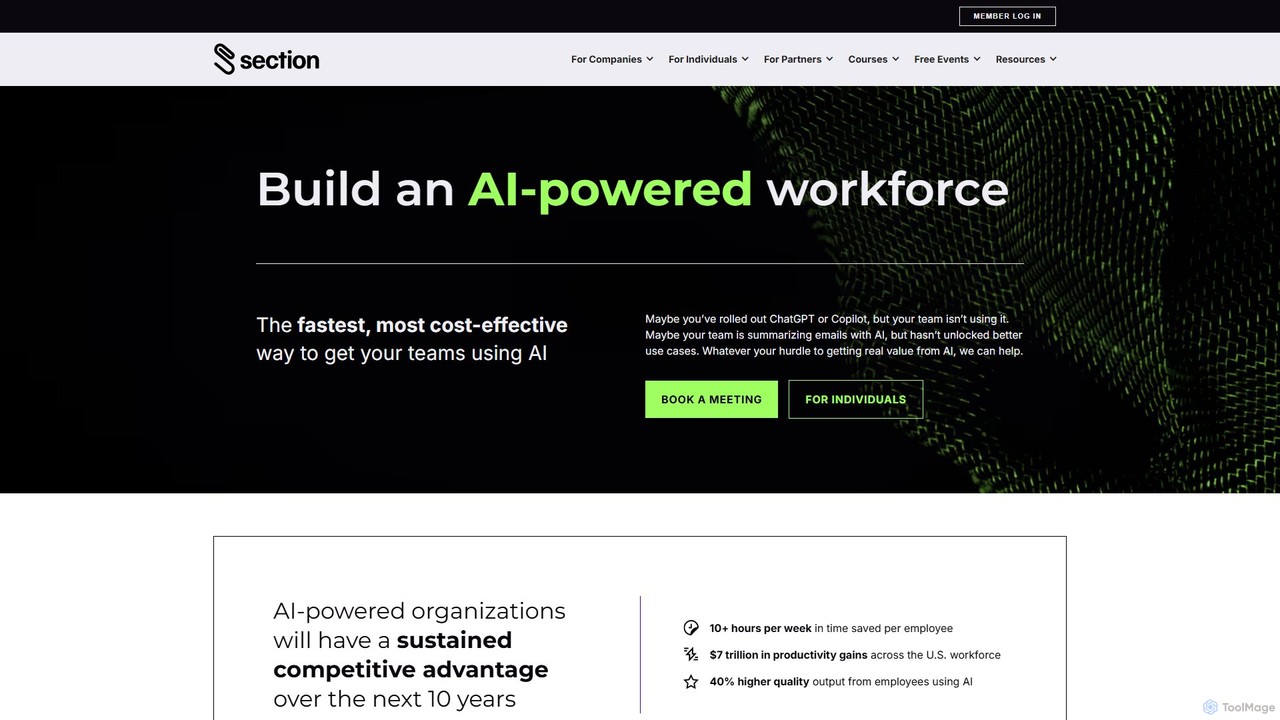
Section is an AI workforce transformation company that provides expert-led training, strategic planning, and workflow redesign. It helps …
Section is an AI workforce transformation company that provides expert-led training, strategic planning, and workflow redesign. It helps businesses upskill their teams, integrate AI into core operations, and achieve measurable ROI and a sustainable competitive advantage.
About Ai Strategy
AI Strategy tools are specialized platforms designed to help organizations formulate, manage, and execute their artificial intelligence initiatives. These tools provide structured frameworks and data-driven insights to align AI projects with core business objectives, ensuring investments deliver measurable value. They facilitate the entire strategy lifecycle, from identifying high-impact opportunities and assessing organizational readiness to creating detailed roadmaps and monitoring performance. Unlike general project management software, AI Strategy tools focus specifically on the unique challenges of AI adoption, including governance, ethics, and ROI forecasting.
Core Features
- Roadmap Planning: Visually map out AI initiatives, timelines, dependencies, and key milestones.
- Opportunity Assessment: Identify and prioritize potential AI use cases based on feasibility, impact, and strategic alignment.
- ROI & Impact Analysis: Model and forecast the financial returns and operational improvements of AI investments.
- Governance & Risk Frameworks: Implement controls for ethical considerations, data privacy, and regulatory compliance in AI projects.
- Readiness Evaluation: Assess an organization's capabilities in data, technology, and talent to support AI adoption.
Use Cases
These tools are primarily used by C-level executives (CTOs, CDOs), heads of innovation, AI program managers, and business consultants. They are essential for annual strategic planning, evaluating new technology investments, and ensuring cross-departmental alignment on AI goals. For instance, a retail company might use it to decide whether to invest in an AI-powered supply chain or a personalized marketing engine first.
How to Choose
When selecting an AI Strategy tool, consider the customizability of its strategic frameworks to fit your company's methodology. Evaluate its integration capabilities with existing systems like BI platforms (Tableau, Power BI) and project management tools (Jira). Assess the depth of its analytical features for ROI modeling and risk assessment. Finally, consider its collaboration features for team-based planning and stakeholder reporting.

Ai StrategyUse Cases
Formulating a Corporate AI Roadmap
A Chief Technology Officer (CTO) at a financial services firm uses an AI Strategy tool to develop a three-year AI roadmap. The tool helps them identify key business areas for AI implementation, such as fraud detection and algorithmic trading. They use the platform to model potential ROI for each initiative, allocate budgets, and define technical requirements and talent needs. The final roadmap, visualized within the tool, provides a clear, actionable plan for stakeholders and executive leadership, ensuring all AI projects are aligned with the company's long-term growth objectives.
Prioritizing AI Projects in Retail
A Head of Innovation at a large retail chain uses an AI Strategy tool to evaluate and prioritize a backlog of over 50 potential AI projects. The tool provides a scoring framework to assess each project based on criteria like potential revenue lift, customer experience improvement, implementation cost, and technical complexity. This allows the team to move from subjective decision-making to a data-driven process, clearly identifying the top 5 initiatives—such as supply chain optimization and personalized promotions—that promise the highest strategic value for the upcoming year.
Conducting an AI Readiness Assessment
A management consulting firm uses an AI Strategy tool to perform a comprehensive AI readiness assessment for their manufacturing client. The tool provides standardized templates and surveys to evaluate the client's data infrastructure, talent skill gaps, and existing technology stack. The platform aggregates the results into a visual dashboard, highlighting strengths and weaknesses. This enables the consultants to deliver a data-backed report with specific recommendations, such as investing in data governance and upskilling the workforce, before the client commits to a multi-million dollar AI transformation project.
Managing AI Governance and Ethical Risk
A Chief Data Officer (CDO) at a healthcare organization uses an AI Strategy tool to establish and enforce AI governance policies. The platform serves as a central repository for all AI projects, where each initiative must pass through a predefined ethical and compliance review process. The tool helps track data lineage, model fairness metrics, and compliance with regulations like HIPAA. This systematic approach ensures that all AI applications, from diagnostic tools to patient management systems, are developed and deployed responsibly, minimizing legal and reputational risks.
Budgeting and Resource Planning for AI
An AI Program Manager at a technology company is tasked with planning the budget for the next fiscal year. Using an AI Strategy tool, they aggregate resource requests from various teams. The tool allows them to model different scenarios, analyzing the cost-impact of hiring more data scientists versus investing in more powerful cloud computing resources. The platform provides a consolidated view of total planned expenditure against strategic priorities, enabling the manager to present a well-justified budget to the finance department and ensure resources are allocated to the most impactful AI initiatives.
Tracking AI Initiative Performance and ROI
A Director of Digital Transformation uses an AI Strategy tool to monitor the performance of the company's AI portfolio. The tool integrates with operational systems to pull in real-time data on key performance indicators (KPIs) for each AI project, such as cost savings from process automation or revenue increase from a recommendation engine. This creates a live dashboard comparing actual results against the initial ROI forecasts. This continuous tracking allows for agile adjustments to the strategy and provides clear, quantifiable evidence of the AI program's value to the board of directors.