
Freemium
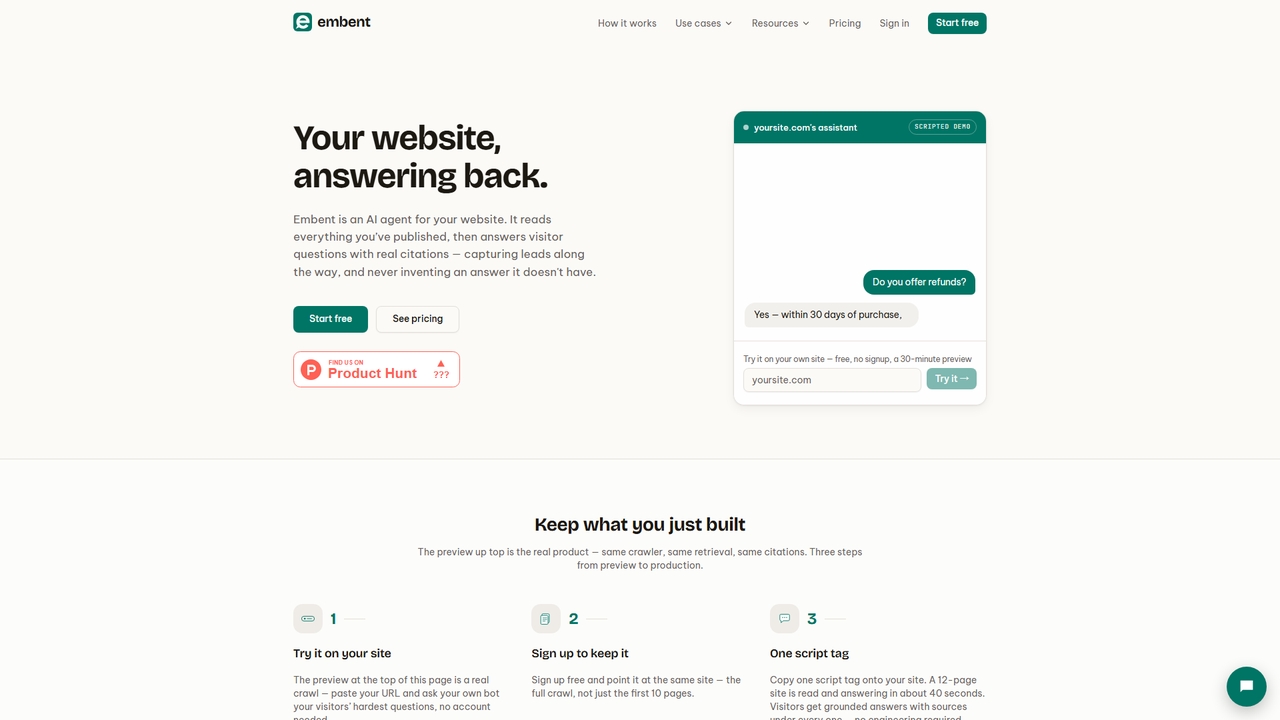
Embent
Embent is an AI website agent that answers with citations and captures leads. Free plan, no card.
Knowledge BaseVisits 3.8KFavorites 34Likes 38
Popular Content Management AI tools include New, Marble, Infrasity, AgentShield, and Embent, helping you work more efficiently.
Embent is an AI website agent that answers with citations and captures leads. Free plan, no card.
Knowledge Base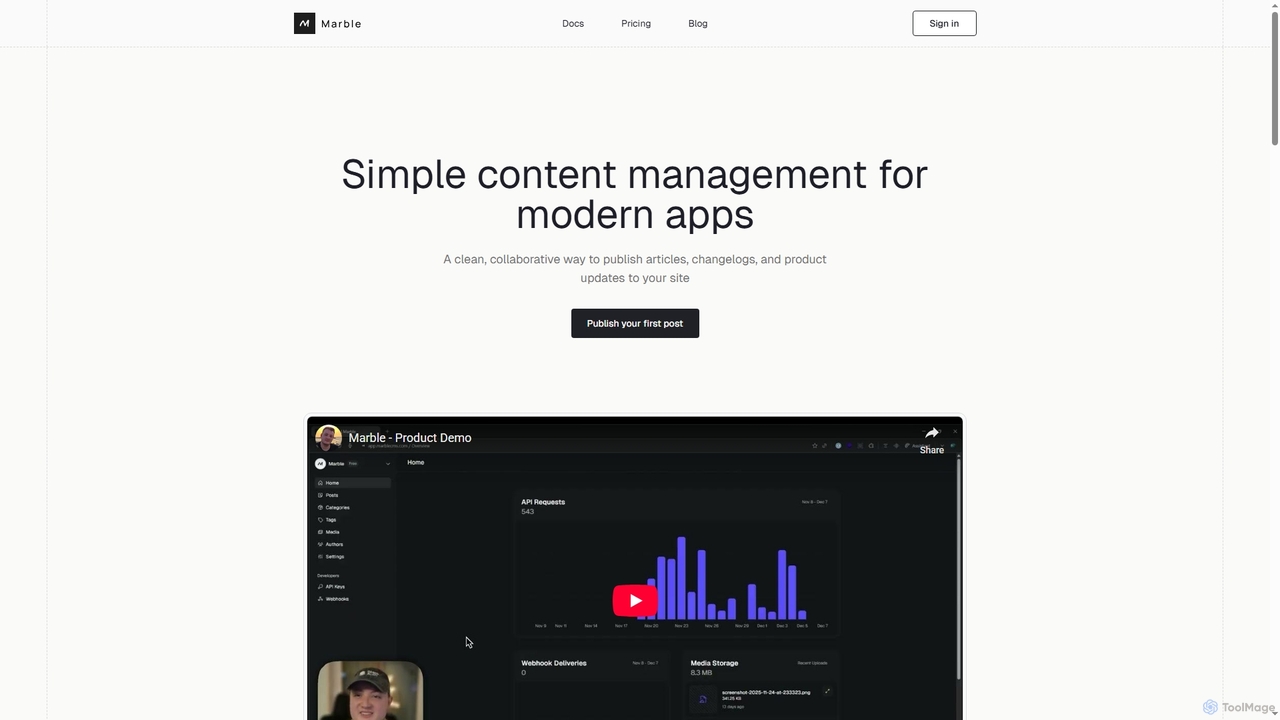
Marble is a super simple headless CMS designed for modern applications, offering a clean and collaborative platform to publish articles, changelogs, and product updates efficiently.
Headless Cms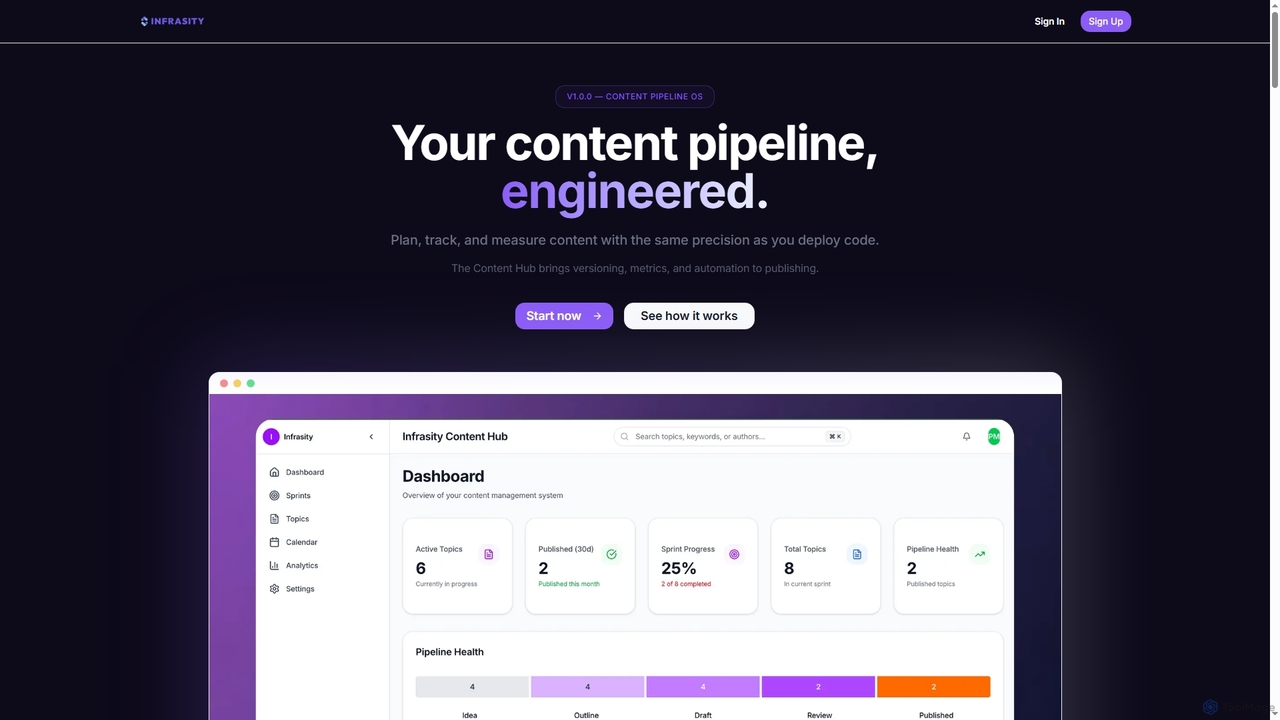
Infrasity is an AI-powered content pipeline operating system designed for technical teams to plan, track, and measure content with engineering precision. It integrates versioning, metrics, and automation to streamline the entire publishing workflow, from topic ideation to performance analysis, ensuring consistent delivery and optimized SEO outcomes.
Content Performance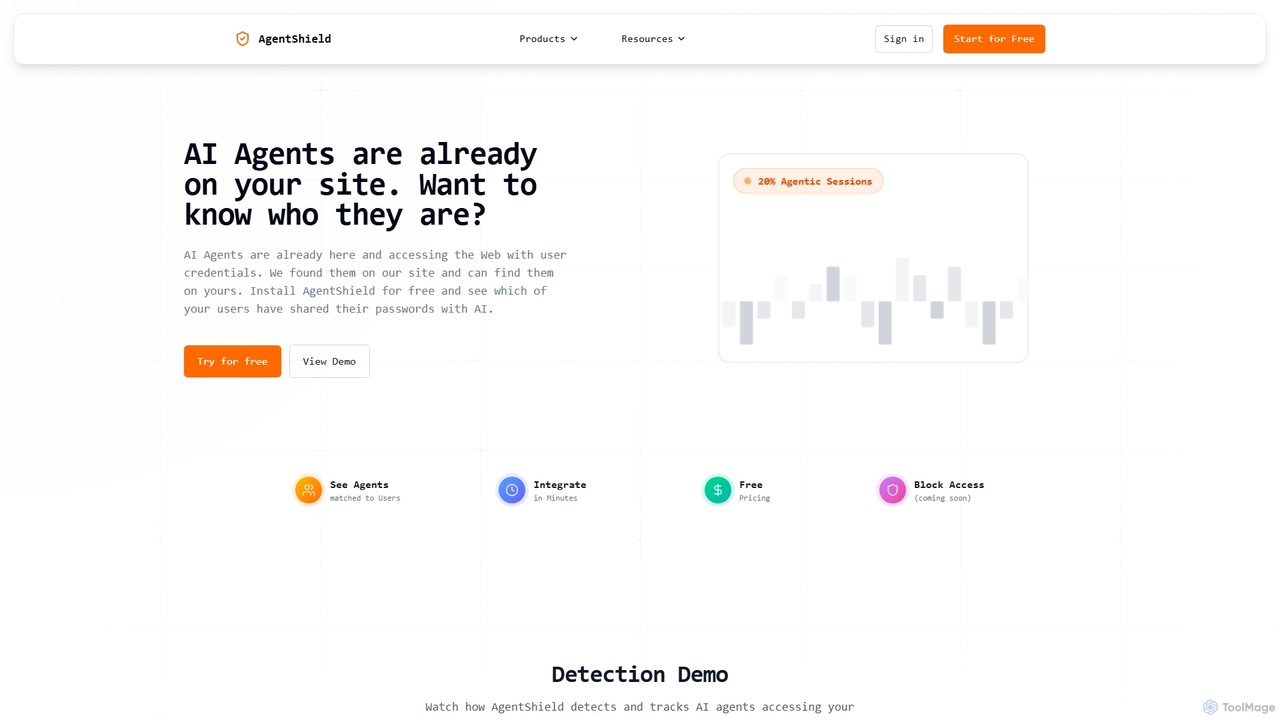
AgentShield is an advanced AI agent detection and protection solution designed to identify and track AI agents accessing your website using user credentials. It offers free, easy installation and real-time, cryptographically verified detection, helping businesses understand who is sharing their site access with AI.
Website Analytics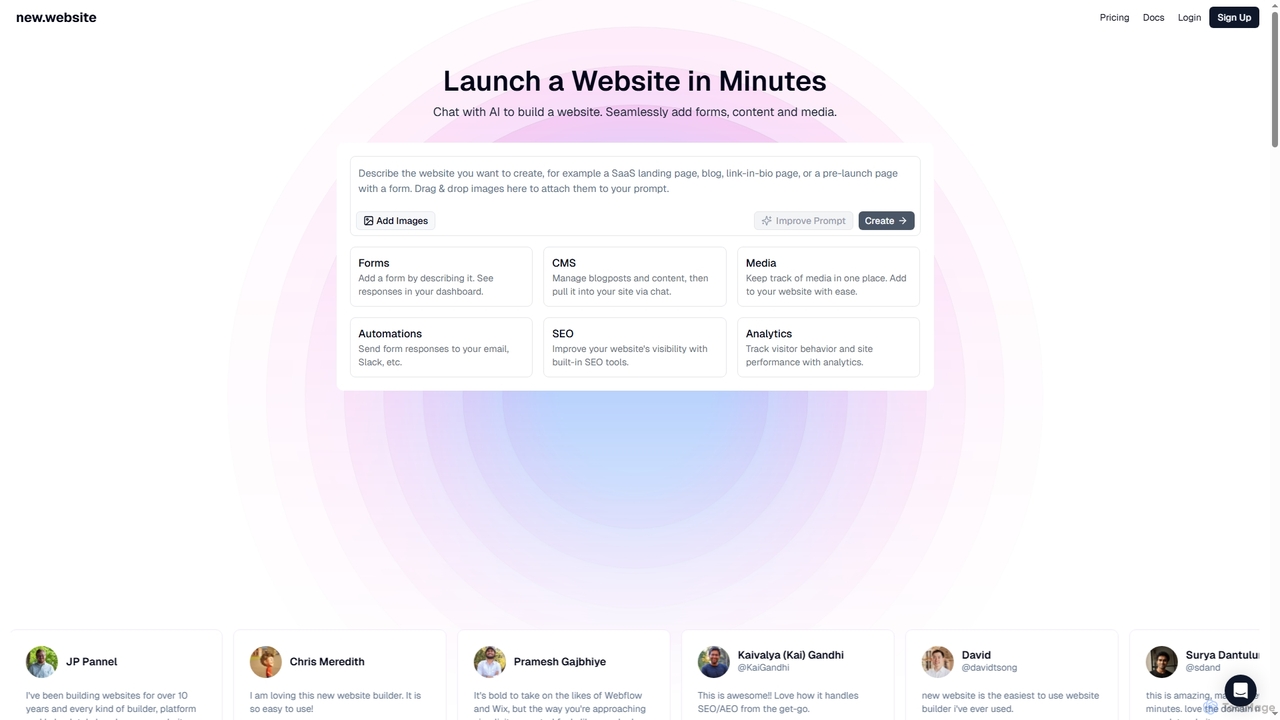
New is an AI-powered website builder that enables users to launch professional websites in minutes through simple chat commands. It integrates essential features like forms, content management, media libraries, SEO tools, and analytics into one seamless platform, making website creation accessible and efficient for businesses and individuals alike.
3DAI Content Management tools are platforms that use artificial intelligence to automate and enhance the entire content lifecycle, from creation and organization to optimization and distribution. These systems leverage technologies like Natural Language Processing (NLP) and machine learning to understand, categorize, and generate content at scale. They enable businesses to maintain brand consistency, personalize user experiences, and make data-driven decisions about their content strategy. A key advantage is their ability to analyze performance and automatically suggest improvements for SEO and user engagement.
These tools are primarily used by enterprise marketing teams, large-scale publishers, and e-commerce companies. For instance, a global corporation can use it to ensure brand consistency across thousands of web pages, while a media outlet can personalize news feeds for millions of readers. E-commerce platforms leverage them to auto-generate unique product descriptions at scale.
When selecting an AI Content Management tool, consider its integration capabilities with your existing CMS, CRM, and analytics platforms. Evaluate the scope and sophistication of its AI features—does it focus on creation, optimization, or both? Assess its scalability to handle your content volume and the level of control it offers over the AI's outputs and recommendations.
A marketing compliance officer at a large financial institution is responsible for ensuring that thousands of web pages, blog posts, and documents adhere to strict regulatory standards and brand guidelines. Using an AI Content Management tool, they can initiate an automated audit of the entire content repository. The AI scans for non-compliant language, outdated product information, and inconsistent brand messaging, flagging items for review. This process reduces manual audit time from months to days and significantly lowers the risk of compliance breaches.
An e-commerce manager for a fashion retailer needs to create unique, SEO-optimized descriptions for a new collection of 500 products. Instead of writing each one manually, they upload a spreadsheet with product attributes (material, color, style, features) to an AI Content Management platform. The AI generates multiple description variants for each product, tailored to the brand's voice. The manager can then quickly review, edit, and publish these descriptions, launching the new collection in a fraction of the time and ensuring all product pages are optimized for search engines from day one.
A content strategist at a digital media company wants to increase reader engagement and subscription rates. They use an AI Content Management system that analyzes each user's reading history, topic preferences, and on-site behavior. Based on this data, the system dynamically assembles personalized homepages and email newsletters for each individual. It automatically selects relevant articles, adjusts headlines, and even chooses images that are most likely to appeal to the user, resulting in higher click-through rates and longer session durations.
A global software company needs to maintain its website and documentation in 10 different languages. The localization manager uses an AI Content Management platform to streamline this process. When a new article is published in English, the system automatically sends it to a translation service via API, receives the translated text, and creates drafts in the respective language sections of the CMS. The AI also checks for cultural appropriateness and ensures that localized SEO keywords are used, significantly speeding up the time-to-market for content in new regions.
A large media archive with millions of articles, images, and videos needs a better way to organize its assets. A digital asset manager implements an AI Content Management tool that automatically analyzes each file. For articles, it extracts keywords, topics, and sentiment. For images, it identifies objects, people, and scenes. Based on this analysis, the system automatically applies a consistent set of tags and organizes the assets into a logical taxonomy. This makes content discovery for journalists and editors incredibly fast and accurate, replacing a previously manual and error-prone process.
A content marketing team manages a blog with hundreds of existing articles. To improve organic traffic, they use an AI Content Management tool's optimization features. The tool scans each article and provides a detailed report with actionable suggestions, such as adding specific LSI keywords, improving meta descriptions, adding internal links to relevant new posts, and identifying 'content decay' in older articles that need updating. The team can prioritize their efforts based on the AI's predicted impact score, systematically improving the SEO performance of their entire blog without needing to be SEO experts themselves.
AI Content Management tools are advanced platforms that use artificial intelligence to streamline the entire content lifecycle. Unlike traditional systems that simply store content, these tools actively participate in creating, organizing, optimizing, and personalizing content. Key features often include AI-powered content generation, automated tagging and categorization, real-time SEO suggestions, and dynamic content delivery to specific audiences. They are designed to help teams manage content at scale and make data-driven strategic decisions.
The primary difference lies in their role. A traditional CMS (Content Management System) like WordPress is a passive repository; it stores and displays content that humans create and manage. An AI Content Management system is an active partner in the content process. It uses AI to:
AI Content Management tools are most beneficial for organizations that handle a large volume of digital content and aim to scale their operations. Key users include:
When evaluating AI Content Management tools, focus on features that align with your specific goals. Key capabilities to look for include:
Choosing the right tool depends on your specific needs. First, define your primary goal: are you trying to scale content creation, improve SEO, or personalize user experiences? Then, consider these factors: