Customer Engagement Best in category 1 results Virtual Assistant AI Tool

Popular AI tools in the Virtual Assistant field of Customer Engagement include Solara, etc., helping you quickly improve efficiency.

Solara

Solara

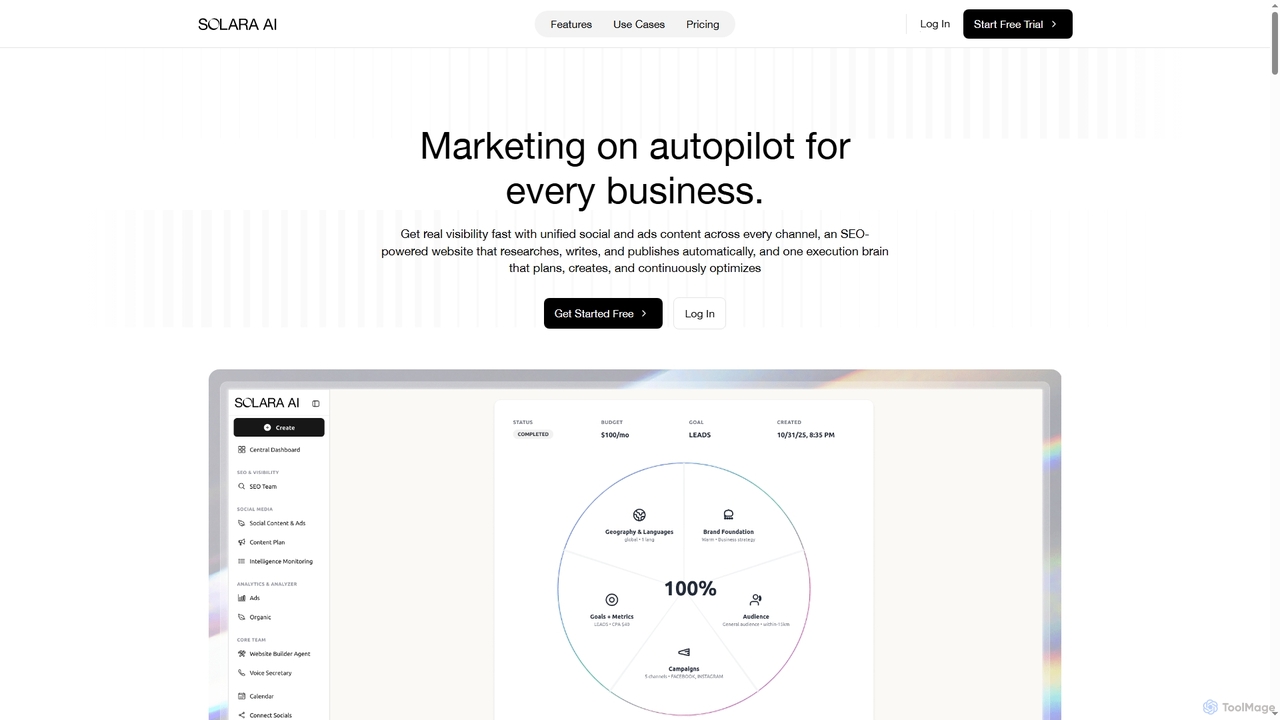
Solara is the first AI Marketing Agency, offering an all-in-one platform to automate website creation, SEO, content generation, …

5.8K

About Virtual Assistant

Virtual Assistants are AI-powered tools designed to automate and enhance interactions by understanding natural language and performing tasks. Leveraging advanced natural language processing (NLP) and machine learning, these assistants can engage with users, answer queries, and execute commands across various platforms. They significantly improve efficiency and user experience in customer engagement, support, and administrative functions, offering scalable and consistent assistance 24/7.

Core Features

  • Natural Language Understanding (NLU): Interprets and processes human language to understand user intent and context.
  • Automated Task Execution: Performs routine actions like scheduling, data retrieval, and form filling without human intervention.
  • Multi-channel Support: Operates seamlessly across websites, messaging apps, voice platforms, and social media.
  • Personalization: Adapts responses and recommendations based on user history and preferences for a tailored experience.
  • Integration Capabilities: Connects with CRM, ERP, and other business systems to access and update information.

Applicable Scenarios

Virtual Assistants are crucial for businesses seeking to scale customer support, streamline internal operations, and enhance user engagement. They are widely adopted in e-commerce for instant product inquiries, in healthcare for appointment booking, and in HR for employee onboarding and FAQ resolution, providing immediate and consistent assistance.

How to Choose

When selecting a Virtual Assistant, evaluate its NLU accuracy, integration ecosystem with your existing tools, and scalability to handle varying user loads. Consider customization options for branding and specific workflows, as well as robust security features and compliance with data privacy regulations.

Virtual AssistantUse Cases

1

Automating Customer Service Inquiries

For e-commerce businesses, a Virtual Assistant can handle a high volume of common customer questions, such as order status, shipping information, and return policies. By integrating with the order management system, it provides instant, accurate responses, reducing the workload on human agents and ensuring 24/7 support availability, leading to faster resolution times and improved customer satisfaction.

2

Streamlining Appointment Scheduling

Healthcare providers or service-based businesses can deploy a Virtual Assistant to manage appointment bookings and cancellations. Users interact with the assistant via chat or voice, selecting preferred times and services. The assistant checks real-time availability, confirms appointments, and sends reminders, significantly reducing administrative overhead and missed appointments.

3

Personalizing User Onboarding

Software companies or online platforms can use Virtual Assistants to guide new users through product setup and feature discovery. The assistant provides step-by-step instructions, answers initial questions, and offers personalized tips based on user behavior, ensuring a smoother onboarding experience and higher user retention rates.

4

Providing Instant Product Information

Retailers can integrate Virtual Assistants into their online stores to offer immediate product details, comparisons, and recommendations. Customers can ask specific questions about features, compatibility, or stock availability, receiving quick and accurate information that aids their purchasing decisions and enhances the shopping experience.

5

Supporting Internal HR Queries

Large organizations can utilize Virtual Assistants to answer common employee questions regarding HR policies, benefits, payroll, and leave requests. Employees get instant access to information without waiting for HR staff, improving internal efficiency and ensuring consistent policy communication across the company.

6

Managing Routine Administrative Tasks

For busy professionals, a Virtual Assistant can handle routine administrative tasks like managing calendars, setting reminders, and drafting emails. By understanding voice commands or text inputs, it frees up time for more strategic work, enhancing personal productivity and organizational efficiency.

Virtual AssistantFrequently Asked Questions