Cybersecurity Best in category 4 results Threat Intelligence AI Tool

Popular AI tools in the Threat Intelligence field of Cybersecurity include Pyrinas、Darkthreat、ThreatCluster、Pwnus, etc., helping you quickly improve efficiency.

Free
ThreatCluster

ThreatCluster

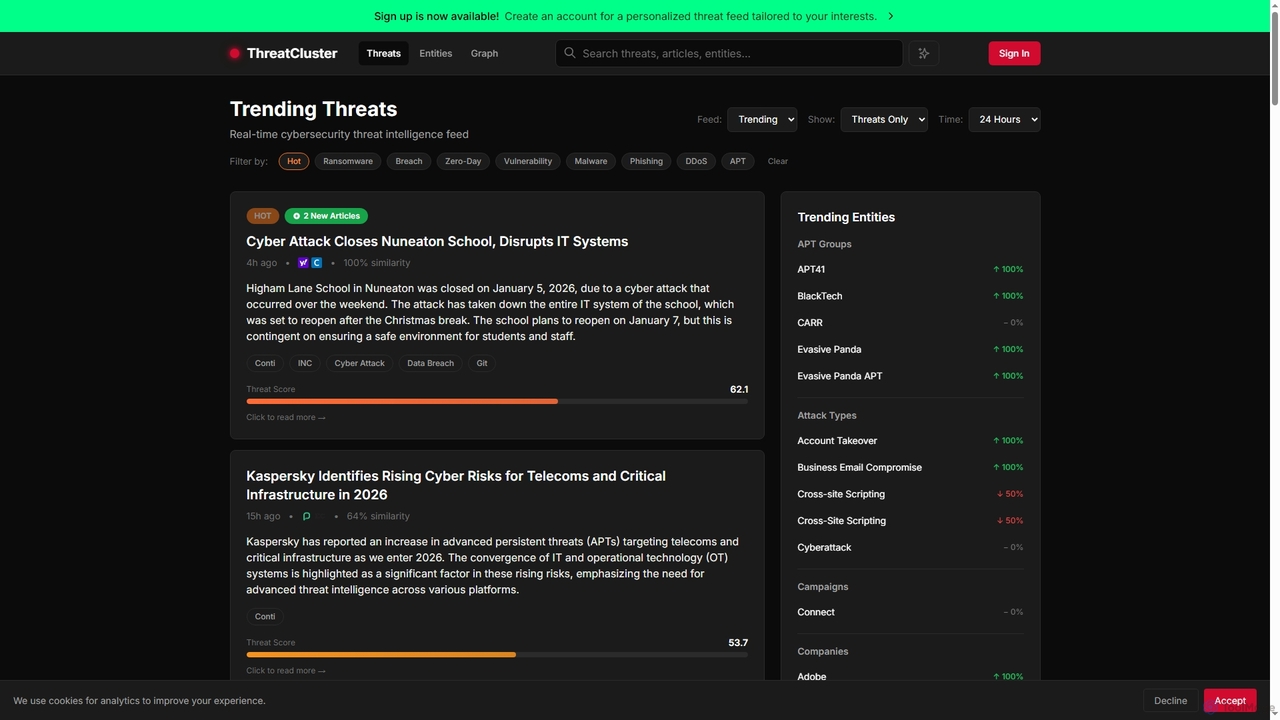
ThreatCluster is a real-time cybersecurity threat intelligence platform that aggregates, clusters, and scores threats from over 1000 sources …

2.6K
Pwnus

Pwnus

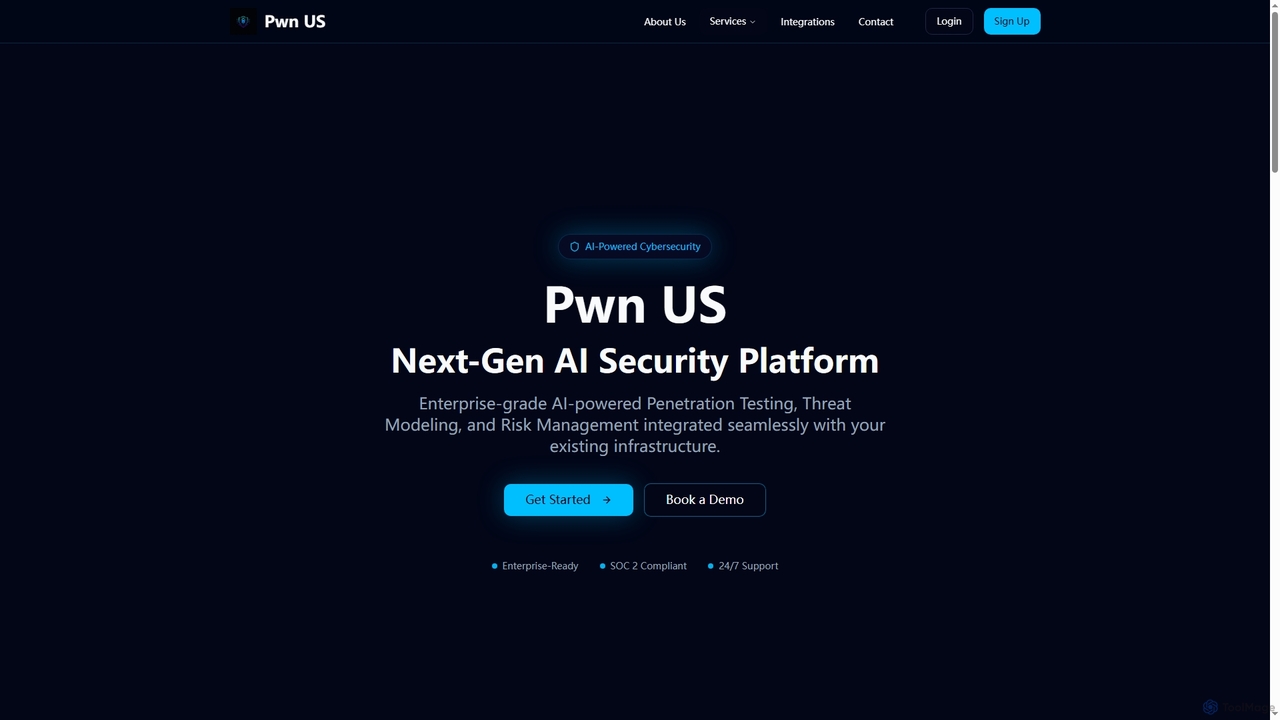
Pwnus is an AI-powered enterprise cybersecurity platform offering next-generation solutions for automated penetration testing, intelligent threat modeling, and …

2.6K
Darkthreat

Darkthreat

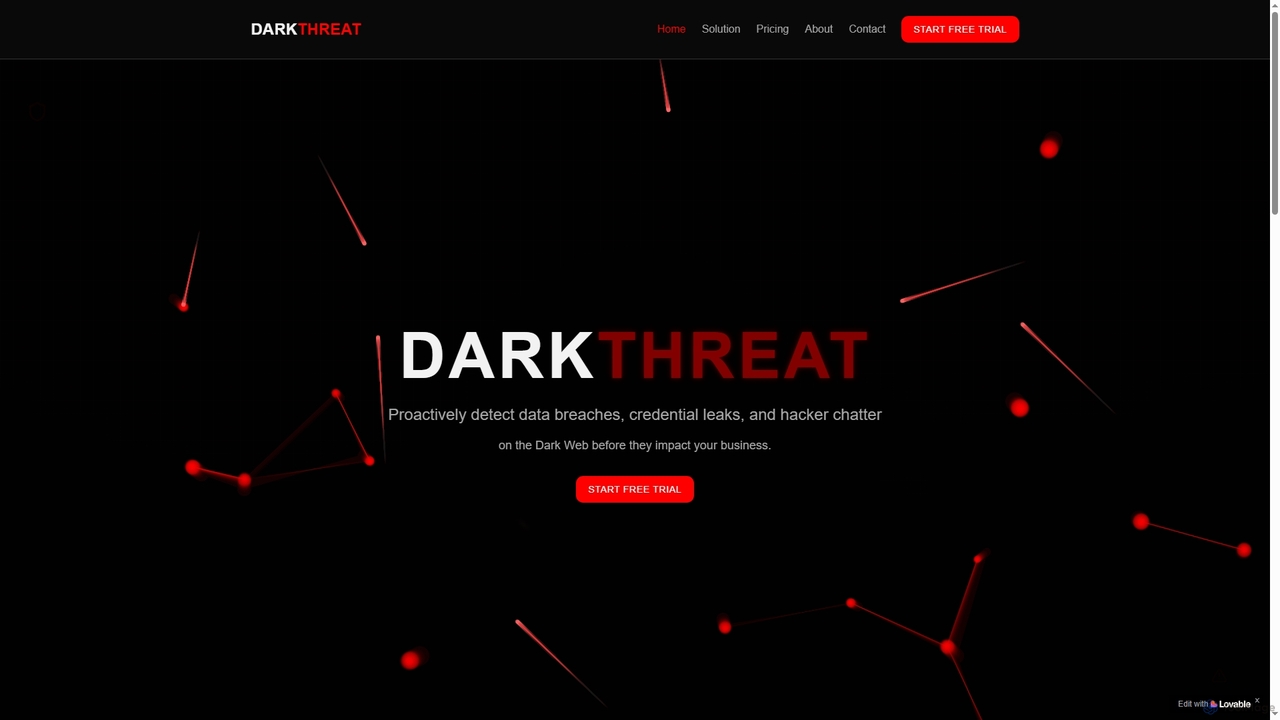
Darkthreat is an advanced AI-powered dark web monitoring platform designed to proactively detect data breaches, credential leaks, and …

2.6K
Pyrinas

Pyrinas

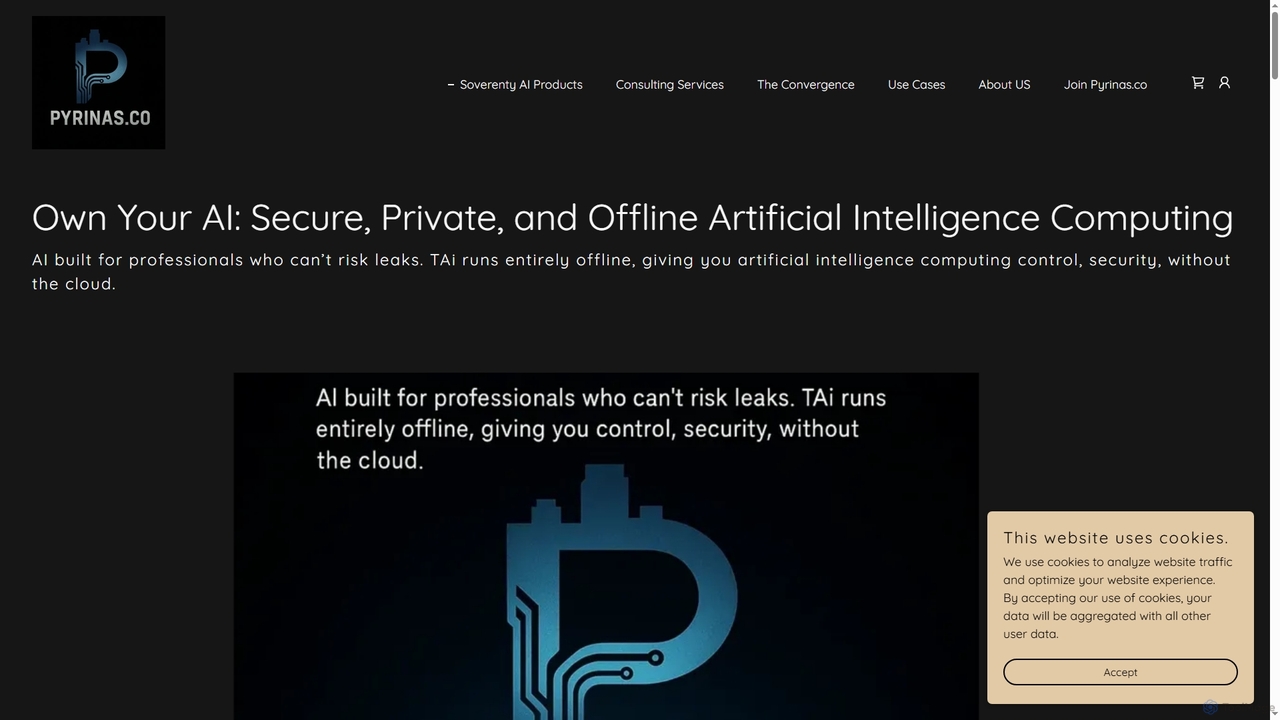
Pyrinas offers Sovereign AI products and consulting services, providing secure, private, and offline artificial intelligence computing. Its flagship …

2.7K

About Threat Intelligence

Threat Intelligence tools are AI-powered solutions designed to collect, process, and analyze vast amounts of data about potential and actual cyber threats. These tools leverage artificial intelligence and machine learning to identify patterns, predict attack vectors, and provide actionable insights into the evolving threat landscape. Their primary value lies in enabling organizations to proactively defend against cyberattacks, make informed security decisions, and enhance their overall cybersecurity posture by understanding adversaries and their tactics.

Core Features

  • Automated Data Collection: Gathers threat data from diverse sources like dark web, open-source intelligence (OSINT), and proprietary feeds.
  • Indicator of Compromise (IoC) Analysis: Automatically identifies, correlates, and prioritizes malicious indicators such as IPs, domains, and file hashes.
  • Threat Actor Profiling: Builds detailed profiles of cybercriminal groups, state-sponsored actors, and their methodologies.
  • Vulnerability Correlation: Maps identified threats to an organization's specific vulnerabilities and assets.
  • Predictive Analytics: Uses AI to forecast future attack trends and potential targets based on historical data and current events.

Use Cases

Organizations across various sectors, including finance, government, and critical infrastructure, utilize AI-powered Threat Intelligence. Security operations centers (SOCs) use it for proactive defense, incident response teams for rapid analysis, and risk management departments for strategic planning. It helps security analysts understand the "who, what, where, when, and how" of cyber threats relevant to their specific environment.

How to Choose

When selecting a Threat Intelligence platform, consider the breadth and quality of its data sources, its integration capabilities with existing security tools (SIEM, SOAR), the level of automation in threat analysis, and the clarity of its reporting and visualization features. Evaluate its ability to provide context-specific intelligence, minimize false positives, and offer customizable threat feeds relevant to your industry and assets.

Threat IntelligenceUse Cases

1

Proactive Vulnerability Management

Security teams use AI Threat Intelligence to continuously monitor for emerging vulnerabilities and exploits that specifically target their software, hardware, and industry. By correlating global threat data with their asset inventory, they can identify and patch critical weaknesses before they are actively exploited by threat actors, significantly reducing their attack surface.

2

Automated Incident Response Enhancement

During a security incident, AI Threat Intelligence tools provide real-time context by instantly cross-referencing indicators of compromise (IoCs) found in logs with known threat actor tactics, techniques, and procedures (TTPs). This enables incident responders to quickly understand the nature of the attack, attribute it to specific groups, and implement targeted containment and eradication strategies more efficiently.

3

Strategic Risk Assessment and Planning

C-suite executives and risk managers leverage AI Threat Intelligence to gain a high-level understanding of the evolving cyber threat landscape relevant to their business sector and geographic operations. This intelligence informs long-term security investments, helps prioritize risk mitigation efforts, and supports strategic decision-making to protect critical assets and ensure business continuity.

4

Supply Chain Security Monitoring

Organizations utilize these tools to monitor threats targeting their third-party vendors, partners, and broader supply chain. By tracking vulnerabilities and attack campaigns aimed at their ecosystem, they can proactively assess and mitigate risks introduced by external dependencies, ensuring the integrity and security of their extended enterprise.

5

Threat Actor Profiling and Attribution

Cybersecurity analysts employ AI Threat Intelligence to build comprehensive profiles of malicious actors, including their motivations, capabilities, and historical attack patterns. This deep understanding aids in attributing attacks, predicting future actions, and developing more effective defensive countermeasures tailored to specific adversaries.

6

Compliance and Regulatory Reporting

Compliance officers and legal teams use AI Threat Intelligence to generate detailed reports on their organization's threat exposure, mitigation strategies, and adherence to industry-specific regulations (e.g., GDPR, HIPAA). The tools provide verifiable data on threat landscape changes and defensive posture, simplifying audit processes and demonstrating due diligence to regulatory bodies.

Threat IntelligenceFrequently Asked Questions