ToolMage
Sign in

Best 2 Data & Ai AI tools

Popular Data & Ai AI tools include Vocareum and Microsoft Open Source, helping you work more efficiently.

Vocareum
Paid

Vocareum

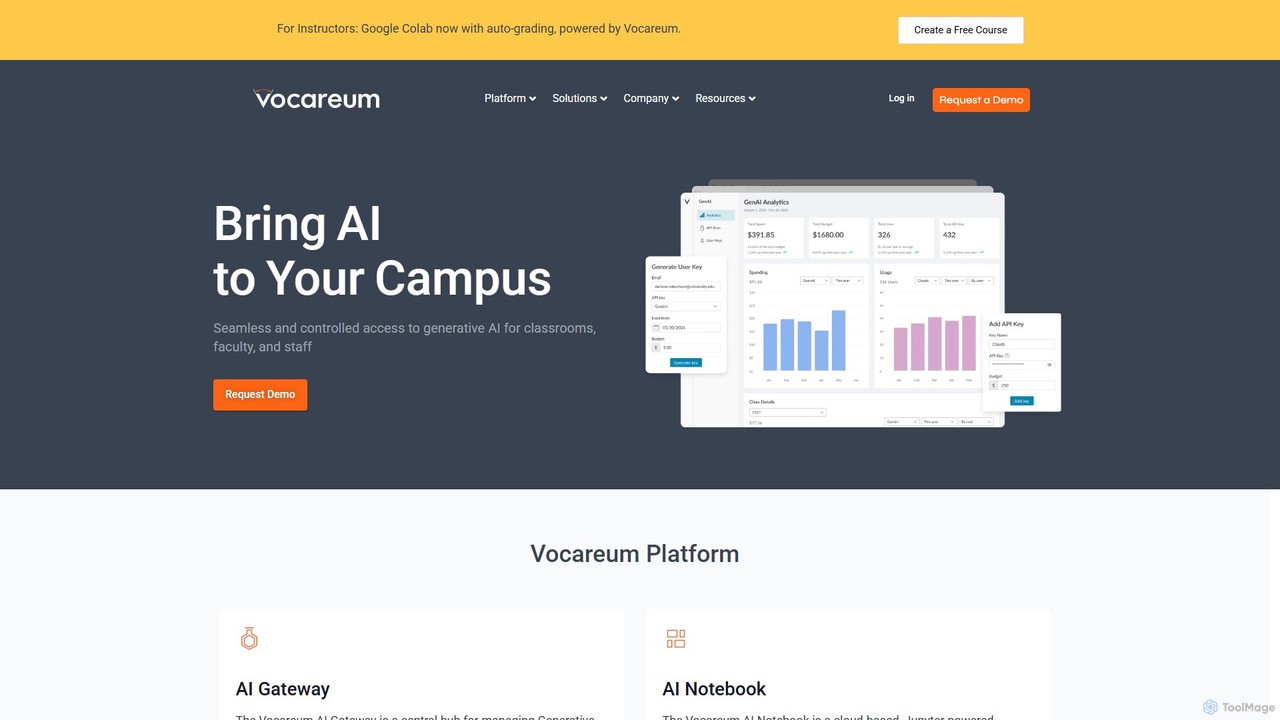
Vocareum is a comprehensive cloud-based learning platform designed for educational institutions. It provides secure, scalable, and budget-controlled access to AI tools, virtual computer labs, and cloud resources like AWS, Azure, and GCP. The platform facilitates hands-on learning in AI, data science, and computer science, integrating seamlessly with existing Learning Management Systems (LMS).

Data Science
Visits 424.1KFavorites 140Likes 149
Microsoft Open Source
Free

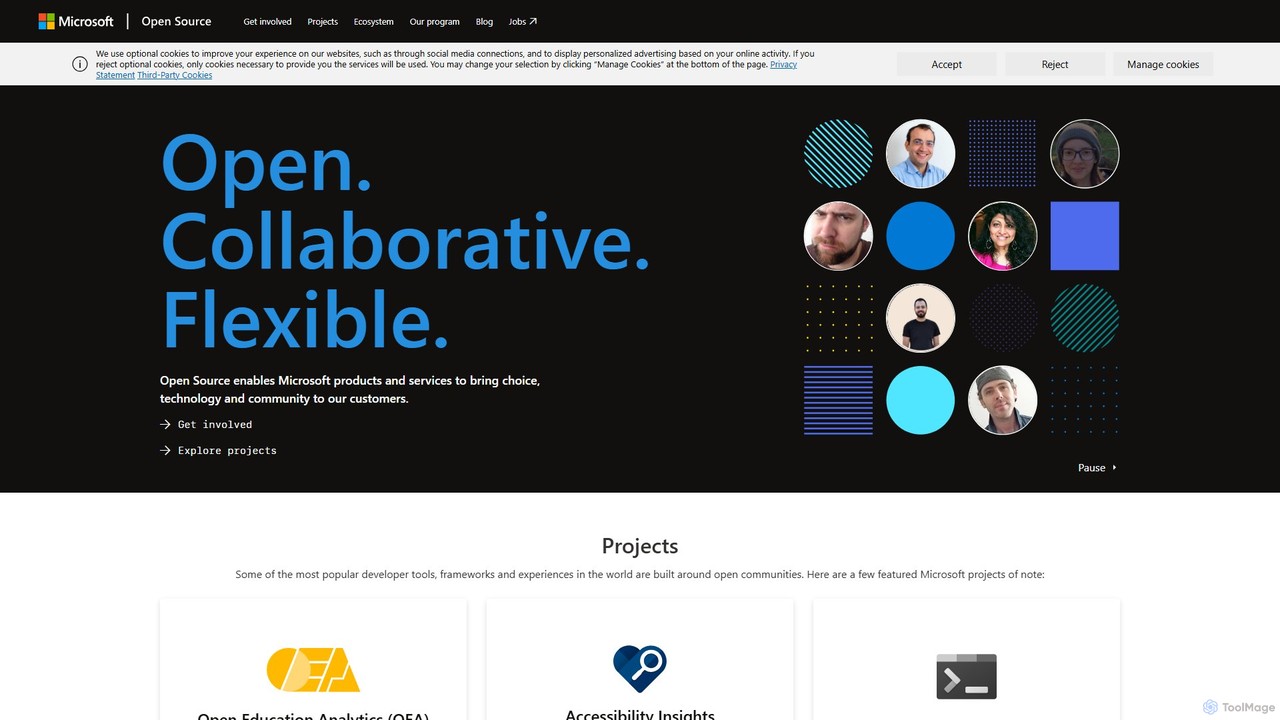
Microsoft Open Source

Microsoft's central hub for discovering, using, and contributing to a vast portfolio of open-source projects. It offers developers access to powerful tools, frameworks, and AI/ML libraries, fostering collaboration and innovation within a global community.

Platform
Visits 218.7KFavorites 144Likes 150

About Data & Ai

Data & AI tools are a class of software that use artificial intelligence to analyze, process, and extract insights from complex datasets. They employ machine learning algorithms, natural language processing (NLP), and predictive analytics to automate data-driven tasks. These tools empower organizations to uncover hidden patterns, forecast future trends, and make more accurate strategic decisions. By transforming raw data into actionable intelligence, they provide a significant competitive advantage across various industries.

Core Features

  • Data Processing & Automation: Automatically cleans, transforms, and prepares large volumes of raw data for analysis.
  • Predictive Modeling: Builds and deploys machine learning models to forecast future outcomes, such as sales, demand, or customer behavior.
  • Natural Language Processing (NLP): Analyzes and understands unstructured text data from sources like customer reviews, social media, and documents.
  • Pattern Recognition: Identifies significant trends, anomalies, and correlations within datasets that are not apparent through manual inspection.
  • Interactive Visualization: Creates dynamic dashboards and reports to communicate complex data insights effectively to stakeholders.

Use Cases

Data & AI tools are widely used by data scientists, business analysts, and developers in sectors like finance for fraud detection, retail for demand forecasting, and healthcare for diagnostic analysis. Common applications include predicting customer churn, optimizing supply chains, and personalizing marketing campaigns based on user behavior.

How to Choose

When selecting a Data & AI tool, consider its integration capabilities with your existing data sources. Evaluate its scalability to handle growing data volumes and complexity. Assess the user interface and required skill level—whether it's a code-first platform for data scientists or a low-code/no-code solution for business users. Finally, check the range of supported algorithms and models to ensure they align with your specific analytical goals.

Data & Ai use cases

1

Customer Churn Prediction for Subscription Services

A marketing manager at a SaaS company uses a Data & AI tool to reduce customer churn. The tool connects to the company's CRM and product usage databases to analyze user behavior patterns, such as decreased login frequency and reduced feature usage. It then builds a predictive model that assigns a 'churn risk score' to each customer. Based on these scores, the marketing team can proactively launch targeted retention campaigns, offering discounts or personalized support to high-risk users, ultimately lowering the overall churn rate.

2

Real-Time Financial Fraud Detection

A financial institution employs a Data & AI platform to prevent fraudulent transactions. The system analyzes thousands of transactions per second, comparing them against historical data and known fraud patterns. It uses machine learning models to identify anomalies, such as unusual purchase amounts, locations, or frequencies. When a suspicious transaction is detected, the tool can automatically block it and alert a human analyst for review. This real-time capability significantly reduces financial losses and protects customer accounts.

3

Supply Chain Demand Forecasting

An operations manager for a global retail brand utilizes a Data & AI tool to optimize inventory management. The tool analyzes historical sales data, seasonality, marketing promotions, and external factors like economic indicators. It generates highly accurate demand forecasts for thousands of products across different regions. This allows the company to optimize stock levels, reduce overstocking costs, prevent stockouts, and improve the overall efficiency of its supply chain.

4

Sentiment Analysis of Customer Feedback

A product development team uses a Data & AI tool with NLP capabilities to understand customer sentiment. The tool aggregates and analyzes unstructured text from various sources, including app store reviews, social media comments, and customer support chats. It automatically classifies feedback as positive, negative, or neutral and identifies recurring themes or issues. This provides the team with actionable insights to prioritize bug fixes, guide new feature development, and improve the overall user experience.

5

Predictive Maintenance for Industrial Equipment

A manufacturing plant implements a Data & AI solution to minimize equipment downtime. Sensors on machinery continuously collect operational data like temperature and vibration. The AI tool analyzes this data in real-time to detect subtle patterns that precede a failure. It then predicts when a specific component is likely to fail, allowing the maintenance team to schedule repairs proactively before a breakdown occurs. This shifts the maintenance strategy from reactive to predictive, increasing operational efficiency.

6

Personalized Content Recommendation Engine

A media streaming service leverages a Data & AI platform to enhance user engagement. The tool analyzes each user's viewing history, ratings, genre preferences, and even the time of day they watch content. Based on this data, it builds a sophisticated recommendation engine that suggests personalized movies and shows. This tailored experience helps users discover new content they are likely to enjoy, increasing viewing time and improving customer retention.

Data & Ai FAQ

What are Data & AI tools?

Data & AI tools are software applications that use artificial intelligence, particularly machine learning and natural language processing, to analyze data and automate insights. Unlike traditional analytics tools that describe past events, these tools focus on prediction, classification, and pattern recognition. They enable users to build models that can forecast future trends, detect anomalies like fraud, or understand unstructured text from customer feedback.

How do I choose the right Data & AI tool?

To choose the right tool, first assess your team's technical skills. Code-first platforms offer more flexibility for data scientists, while low-code/no-code tools are better for business analysts. Next, consider your data sources and ensure the tool has robust integration capabilities. Also, evaluate its scalability to handle your data volume. Finally, align the tool's specific features (e.g., predictive modeling, NLP, computer vision) with your business objectives.

What is the difference between Data & AI tools and traditional BI tools?

The primary difference lies in their analytical focus. Traditional Business Intelligence (BI) tools primarily perform descriptive analytics, answering 'what happened?' by summarizing historical data. Data & AI tools focus on predictive and prescriptive analytics, answering 'what will happen?' and 'what should we do?'. They use machine learning models to make forecasts and recommendations, moving beyond simple reporting to active decision automation.

What are the main functions of Data & AI tools?

Most Data & AI tools offer a suite of functions covering the data science lifecycle. Key functions include:

  • Data Ingestion and Preparation: Connecting to various data sources and cleaning the data for analysis.
  • Model Building: Providing frameworks and algorithms to train, test, and validate machine learning models.
  • Predictive Analytics: Using models to forecast future events or classify data points.
  • Insight Extraction: Utilizing NLP and pattern recognition to find meaningful information in large datasets.
  • Deployment and Monitoring: Making models available for use in other applications and tracking their performance.

Who are the typical users of Data & AI tools?

The user base is diverse and expanding. Traditionally, the primary users were technical experts like data scientists, machine learning engineers, and data analysts who build and deploy complex models. However, with the rise of user-friendly, low-code platforms, business users such as marketing managers, financial analysts, and operations specialists are increasingly using these tools to make data-driven decisions without needing to write code.