Data Analysis Best in category 3 results Market Research AI Tool

Popular AI tools in the Market Research field of Data Analysis include Patterno、valuemycar、Auto Market Scanner, etc., helping you quickly improve efficiency.

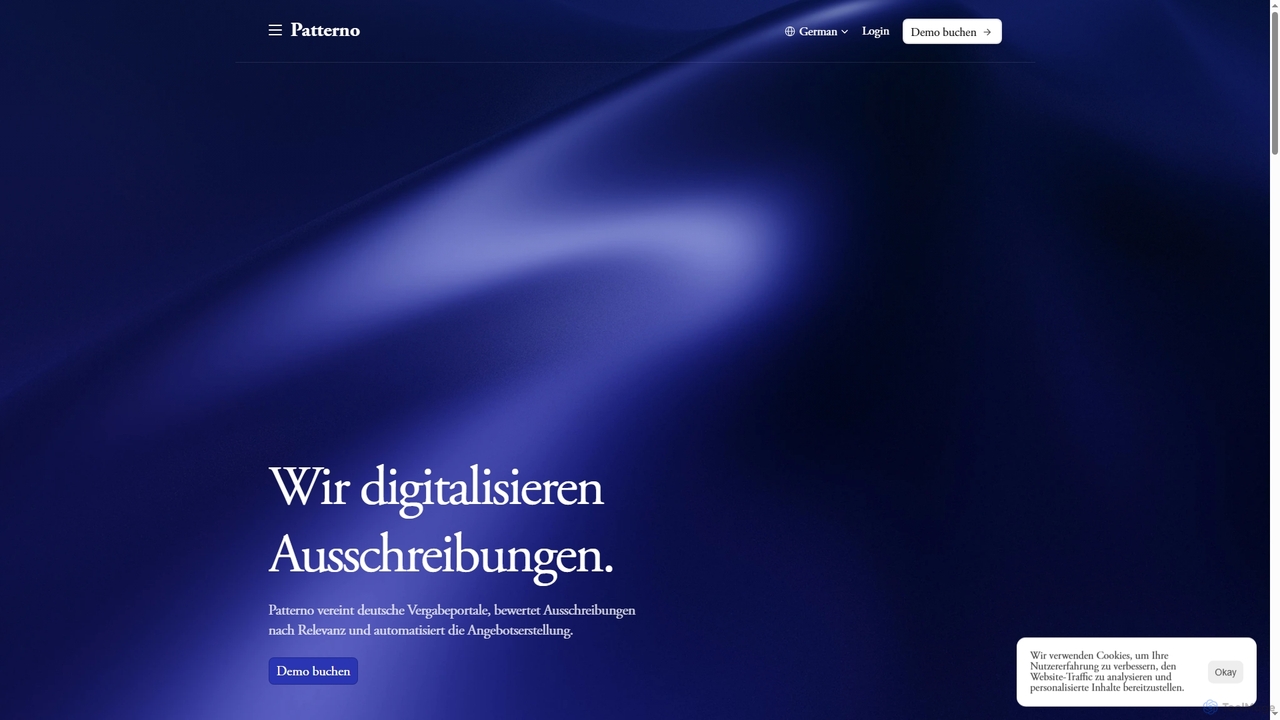
Patterno

Patterno

Patterno is an AI-powered platform that revolutionizes public procurement by automating the entire tender management process. It centralizes …

8.5K
Free
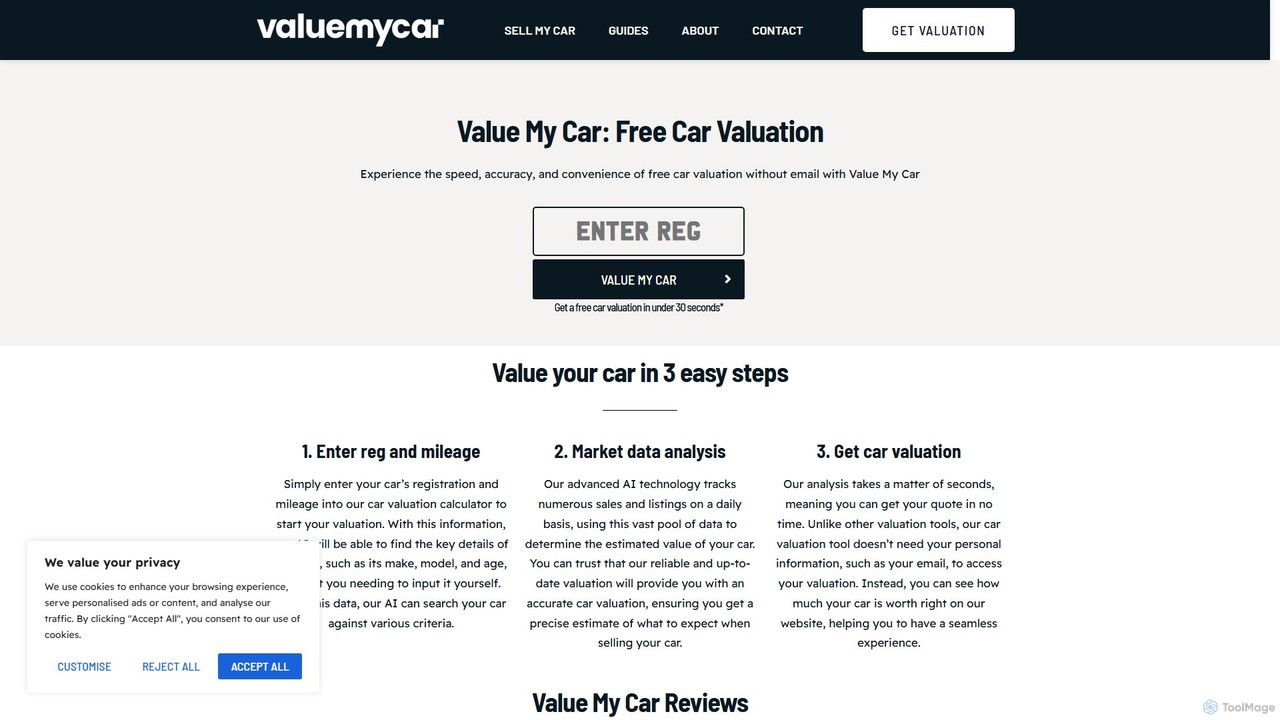
valuemycar

valuemycar

valuemycar is a free, AI-powered tool for instant car valuations in the UK. Simply enter your vehicle's registration …

5.9K
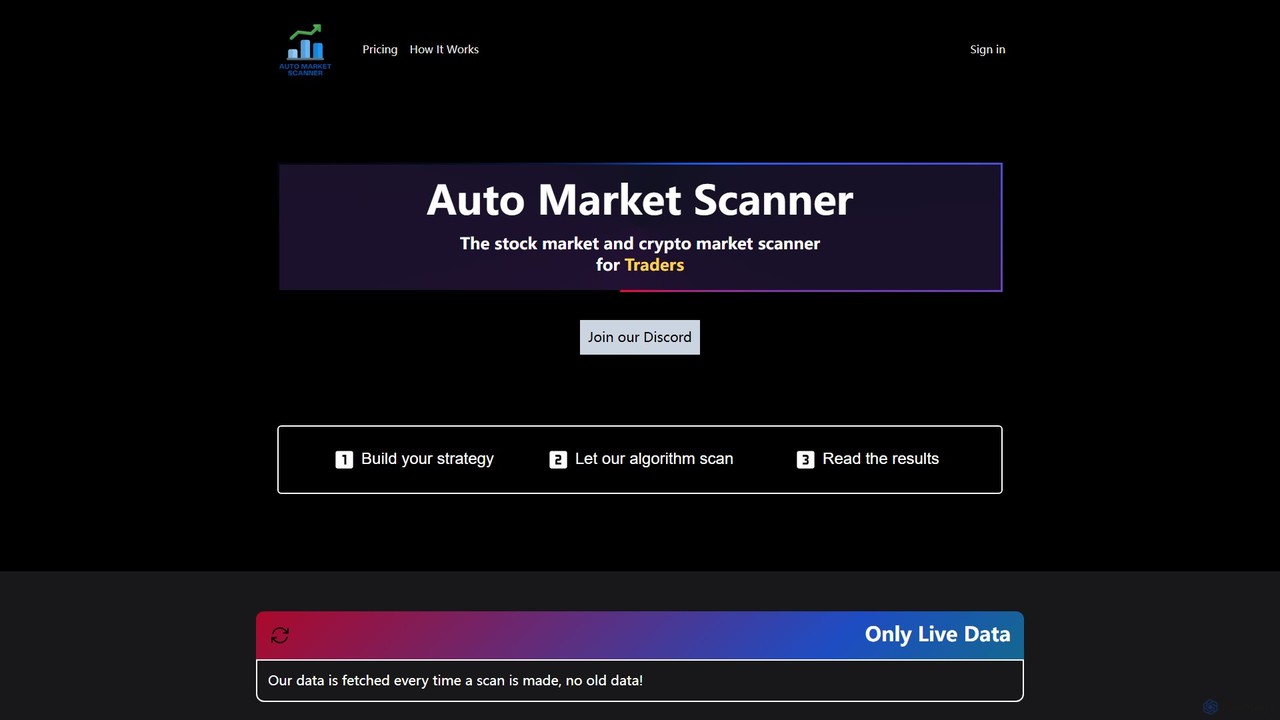
Auto Market Scanner

Auto Market Scanner

Auto Market Scanner is an AI-powered tool for stock and crypto traders. It allows users to build custom …

2.8K

About Market Research

AI Market Research tools are specialized platforms that automate the collection, analysis, and synthesis of market data to uncover actionable insights. They leverage machine learning and natural language processing (NLP) to process vast amounts of unstructured data from sources like social media, customer reviews, and news articles. This enables businesses to quickly understand consumer sentiment, track competitor strategies, and identify emerging market trends. Unlike general data analysis tools, they are specifically designed to answer strategic business questions about markets and customers with speed and scale.

Core Features

  • Sentiment Analysis: Automatically determines the emotional tone (positive, negative, neutral) behind online conversations and reviews.
  • Trend Identification: Detects and forecasts emerging topics, consumer needs, and market shifts from real-time data streams.
  • Competitive Intelligence: Monitors competitors' product launches, marketing campaigns, pricing changes, and customer feedback.
  • Automated Data Aggregation: Gathers relevant data from a wide range of public sources, including social media, forums, news sites, and review platforms.
  • Audience Segmentation: Identifies and profiles distinct customer groups based on their behaviors, demographics, and expressed interests.

Use Cases

These tools are primarily used by product managers, marketing strategists, brand managers, and business analysts. They are essential for tasks such as validating new product ideas by assessing market demand, refining marketing messages based on public perception, and continuously monitoring brand health against competitors.

How to Choose

When selecting an AI Market Research tool, consider the breadth and relevance of its data sources. Evaluate the depth of its analytical capabilities, such as the accuracy of its sentiment analysis and the reliability of its trend forecasting. Also, assess its integration options with other business systems (like CRM or BI tools) and the clarity and customizability of its reporting dashboards.

Market ResearchUse Cases

1

Validate a New Product Idea

A product manager at a tech startup is considering developing a new project management app. Before committing resources, they use an AI market research tool to analyze thousands of online reviews for existing competitors like Asana, Trello, and Monday.com. The tool automatically categorizes feedback, revealing that a significant number of users complain about the lack of robust time-tracking features in otherwise simple interfaces. This data-driven insight validates the market gap, giving the team confidence to build a new product focused on intuitive design combined with powerful, integrated time tracking.

2

Monitor Brand Health and Sentiment

A marketing team for a global consumer brand uses an AI tool to continuously monitor brand mentions across Twitter, Reddit, and major news outlets. Following a recent ad campaign, the tool's dashboard shows a 15% spike in negative sentiment, with NLP analysis identifying the phrase "tone-deaf" as a recurring theme. This real-time alert allows the PR team to immediately issue a public statement and adjust the campaign's messaging, mitigating potential long-term damage to the brand's reputation before the issue escalates.

3

Analyze Competitor Marketing Strategies

A competitive intelligence analyst for an e-commerce company wants to understand a rival's successful product launch. They use an AI research tool to aggregate all of the competitor's social media posts, press releases, and influencer collaborations related to the launch. The tool's analysis reveals that the competitor's campaign messaging heavily emphasized "sustainability" and "ethical sourcing," which resonated strongly with audiences aged 18-25. This insight directly informs the analyst's own company on how to position their next product line to appeal to this key demographic.

4

Identify Emerging Consumer Trends

A strategist at a food and beverage company uses an AI tool to scan millions of posts on cooking forums, recipe blogs, and Instagram. The tool identifies a rapidly growing cluster of conversations around "upcycled ingredients"—using food scraps in new recipes. The trend forecasting model projects continued growth over the next 18 months. Based on this early signal, the company's R&D department begins developing a new line of snacks made from fruit peels and vegetable stems, gaining a significant first-mover advantage in an emerging market segment.

5

Refine Target Audience Personas

A marketing agency is creating a campaign for a new line of sustainable fashion. Instead of relying on broad demographic data, they use an AI market research tool to analyze online discussions within ethical fashion communities. The tool identifies two distinct personas: the "Pragmatic Environmentalist," who prioritizes durability and material science, and the "Activist Stylist," who is more influenced by brand storytelling and social impact. This nuanced understanding allows the agency to create two separate, highly targeted ad campaigns with different messaging and visuals, significantly improving engagement and conversion rates.

6

Optimize Customer Service with VoC Analysis

A customer experience manager for a SaaS company uses an AI tool to aggregate and analyze feedback from support tickets, G2 reviews, and NPS surveys. The Voice of the Customer (VoC) analysis automatically surfaces a recurring complaint about a confusing user interface in their new analytics module. The report quantifies that this single issue is mentioned in 30% of all negative feedback. Armed with this specific, quantified data, the manager successfully advocates for prioritizing a UI redesign with the product team, leading to a measurable decrease in support tickets and an increase in user satisfaction scores in the following quarter.

Market ResearchFrequently Asked Questions