Best of the Year 4 results Data Collection AI Tools

Popular AI tools in the Data Collection field include Makeform、Browser Cash、922proxy、Askwork, etc., helping you quickly improve efficiency.

Browser Cash

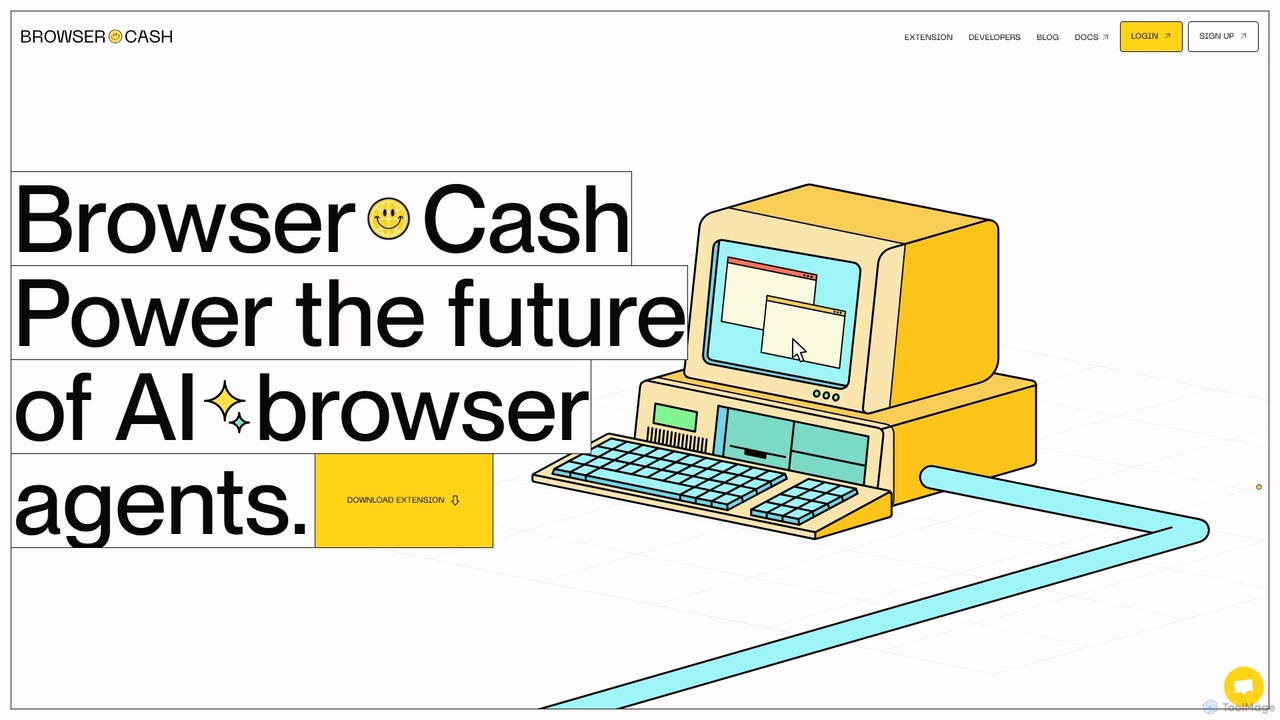
Browser Cash

Browser Cash is a decentralized AI browser network that allows users to earn rewards by contributing their browser's …

11.5K
Askwork

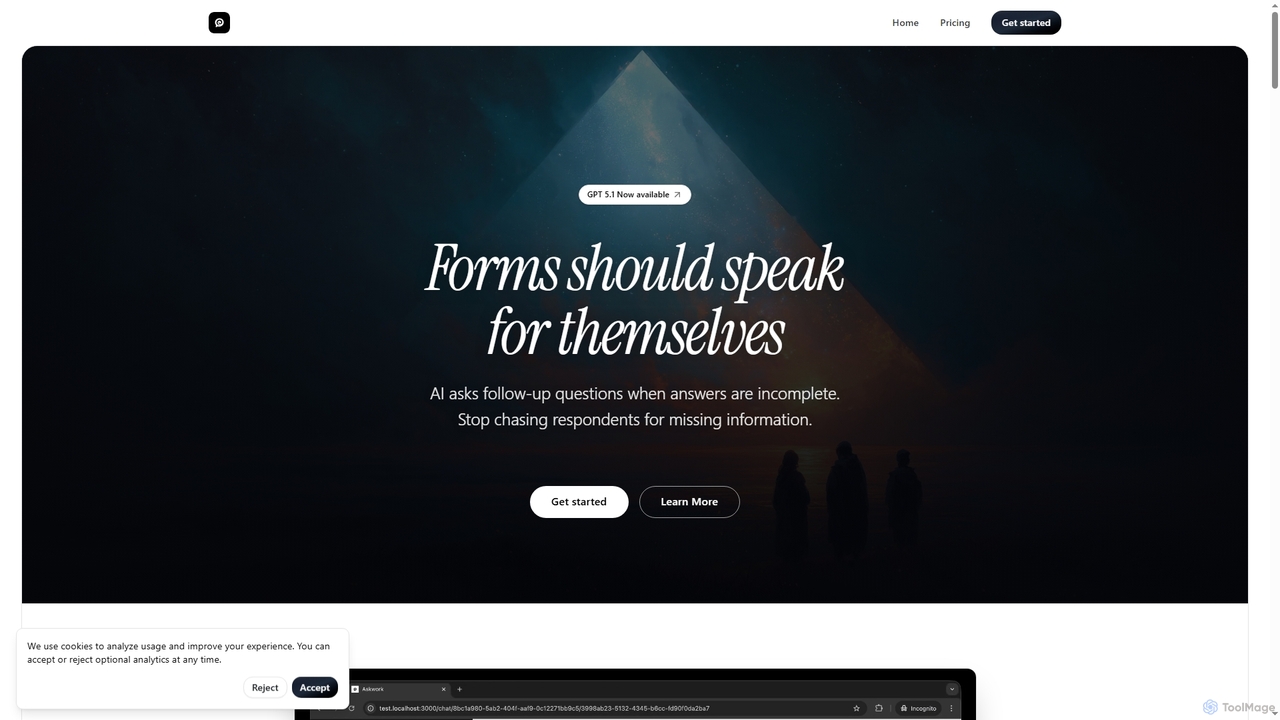
Askwork

Askwork transforms static forms into dynamic, AI-powered conversations. It automatically asks follow-up questions, validates responses in real-time, and …

2.2K
922proxy

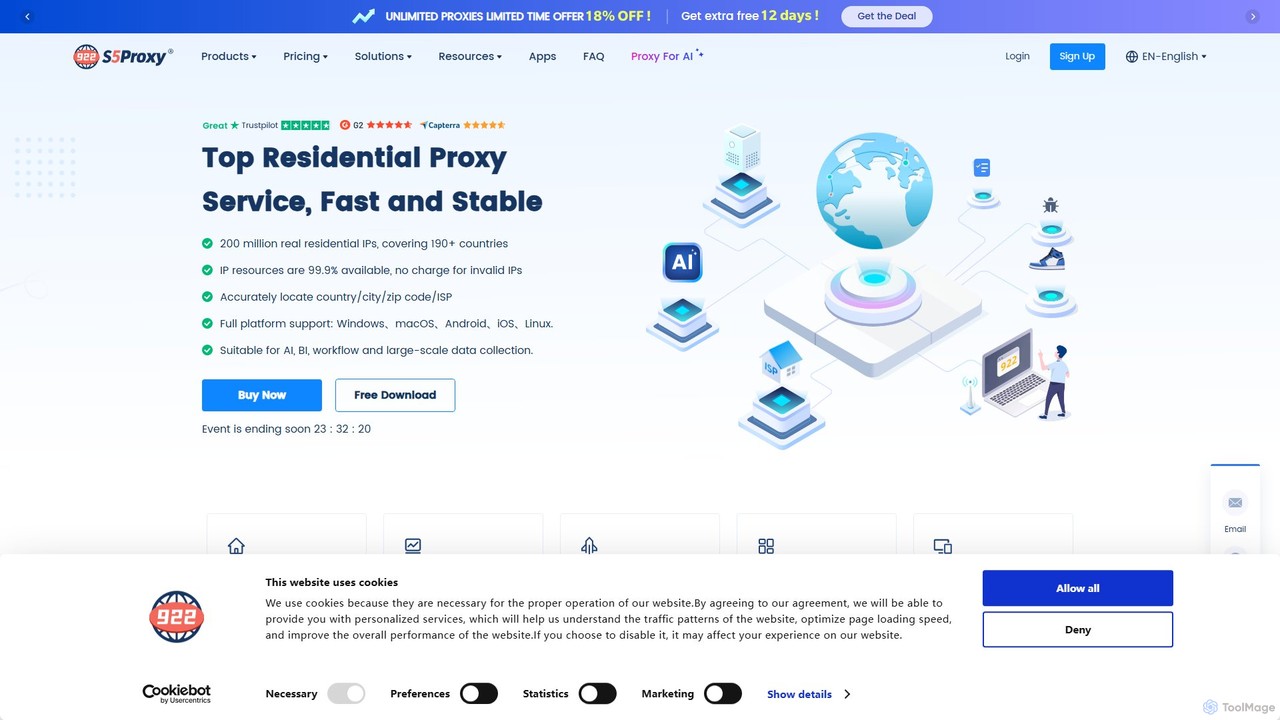
922proxy

922proxy is a leading residential proxy service provider, offering over 200 million real residential IPs across 190+ countries. …

4.8K
Makeform

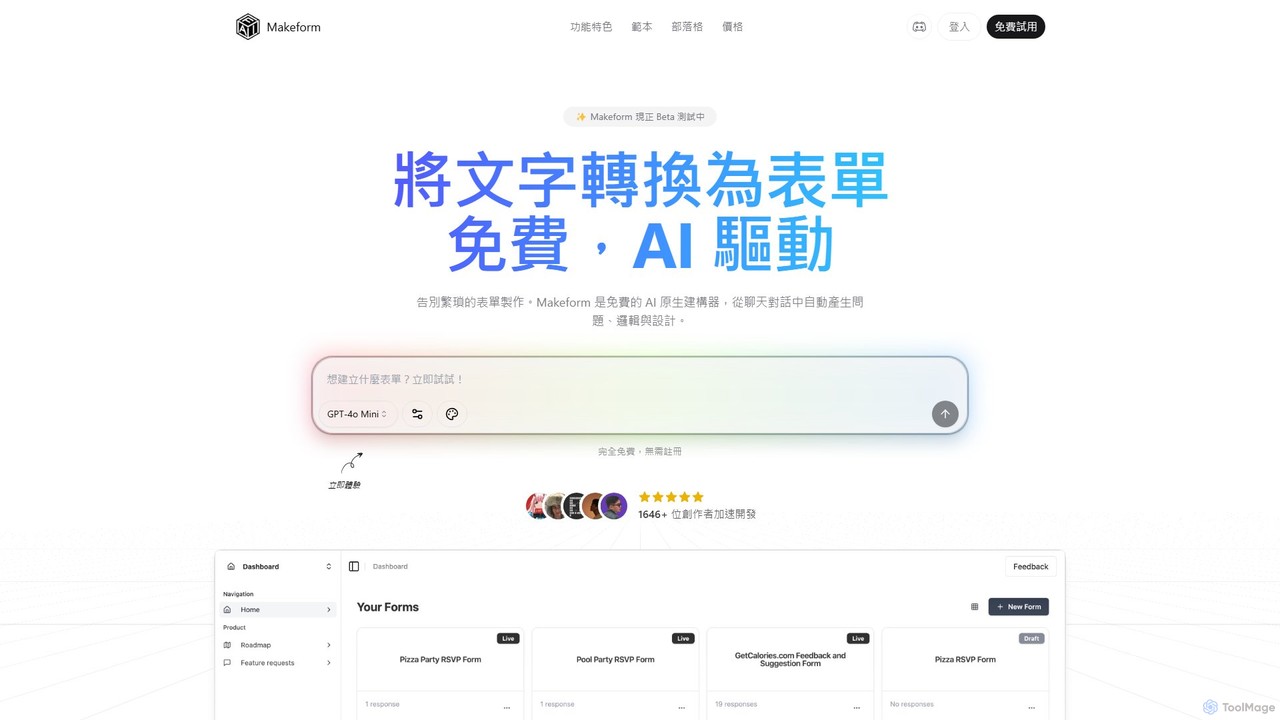
Makeform

Makeform is a free, AI-native form builder that transforms text descriptions into fully functional forms, surveys, and quizzes …

217.3K

About Data Collection

AI Data Collection tools are specialized solutions that automate the process of gathering information from diverse digital sources. These tools leverage technologies like machine learning, natural language processing (NLP), and computer vision to identify, extract, and structure data from websites, documents, and social media. Their primary value lies in enabling businesses and researchers to acquire large-scale, high-quality datasets efficiently, which are crucial for market analysis, training machine learning models, and making data-driven decisions. They transform unstructured content into organized, actionable information at a speed and scale that manual methods cannot match.

Core Features

  • Automated Web Scraping: Extracts specific data fields from web pages, such as prices, product details, and user reviews, without manual intervention.
  • Document Data Extraction: Utilizes OCR and NLP to pull structured information from unstructured documents like PDFs, invoices, and contracts.
  • Social Media Monitoring: Gathers public data, mentions, and sentiment from social platforms to track brand reputation and market trends.
  • Data Structuring & Cleaning: Automatically organizes extracted raw data into clean, structured formats like JSON or CSV for easy analysis.
  • Scheduled & Real-time Collection: Configures data gathering tasks to run at specific intervals or continuously for up-to-date information.

Use Cases

These tools are widely used in industries such as e-commerce for competitor price monitoring, finance for tracking market news and financial statements, and marketing for lead generation and sentiment analysis. Data scientists, market analysts, and business intelligence professionals rely on them to build datasets for predictive modeling, competitive intelligence reports, and strategic planning.

How to Choose

When selecting a Data Collection tool, consider its compatibility with your target data sources (websites, APIs, document types). Evaluate its scalability to handle the required data volume and its ability to bypass anti-scraping measures. Assess the quality of its data structuring capabilities and whether it offers a no-code interface for business users or a flexible API for developers. Finally, review its compliance features regarding data privacy and ethical scraping practices.

Data CollectionUse Cases

1

Competitor Price Monitoring for E-commerce

An e-commerce manager needs to maintain competitive pricing. They configure an AI data collection tool to automatically scrape the product pages of key competitors daily. The tool extracts product names, prices, stock availability, and customer ratings. This data is fed directly into a dashboard, allowing the manager to identify pricing trends, adjust their own prices dynamically, and spot opportunities where competitors are out of stock. This automated process replaces hours of manual checking and provides near real-time market intelligence.

2

Aggregating Financial News for Market Analysis

A financial analyst at an investment firm needs to track market sentiment. They use an AI data collection tool to monitor hundreds of financial news websites, regulatory filings, and influential social media accounts in real-time. The tool is set up to extract headlines, article summaries, and key financial figures related to specific companies or market sectors. This aggregated data stream allows the analyst to quickly detect breaking news and shifts in sentiment, providing a critical edge for making timely investment decisions without having to manually browse countless sources.

3

Generating Leads for B2B Sales

A B2B sales team is looking for new leads in the software industry. They use a data collection tool to scan professional networking sites, company directories, and industry news outlets. They set up criteria to find companies of a certain size and individuals with specific job titles (e.g., 'Head of Engineering'). The tool automatically extracts names, job titles, company names, and sometimes contact information, compiling it into a structured list. This provides the sales team with a constantly updated pipeline of qualified leads, saving them significant time on manual prospecting.

4

Building Datasets for Academic Research

A university researcher is studying public discourse on climate change. To do this, they need a large dataset of news articles and public comments from online forums over the past decade. Using an AI data collection tool, they can systematically archive content from specified news sites and forums. The tool can be configured to extract the article text, publication date, author, and associated user comments. This automated approach allows the researcher to build a comprehensive longitudinal dataset of millions of data points, a task that would be impossible to complete manually.

5

Monitoring Brand Reputation on Social Media

A public relations manager for a global consumer brand needs to track public perception. They use an AI data collection tool to continuously monitor social media platforms, blogs, and review sites for mentions of their brand and products. The tool not only collects the mentions but also uses NLP to perform sentiment analysis, categorizing each mention as positive, negative, or neutral. This provides the PR team with a real-time overview of brand health, allowing them to quickly address negative feedback, engage with positive comments, and identify emerging trends in customer conversations.

6

Extracting Data from Invoices for Accounting Automation

An accounting department receives hundreds of invoices each month in various formats (PDF, scanned images). Manually entering this data into their accounting software is time-consuming and prone to errors. They implement an AI data collection tool with Optical Character Recognition (OCR) capabilities. The tool automatically scans each invoice, identifies and extracts key fields like invoice number, date, vendor name, line items, and total amount. This structured data is then automatically exported to their accounting system, reducing manual data entry by over 90% and improving accuracy.

Data CollectionFrequently Asked Questions