Best of the Year 2 results Data Engineering AI Tools

Popular AI tools in the Data Engineering field include DAGForge、DevBlogs, etc., helping you quickly improve efficiency.

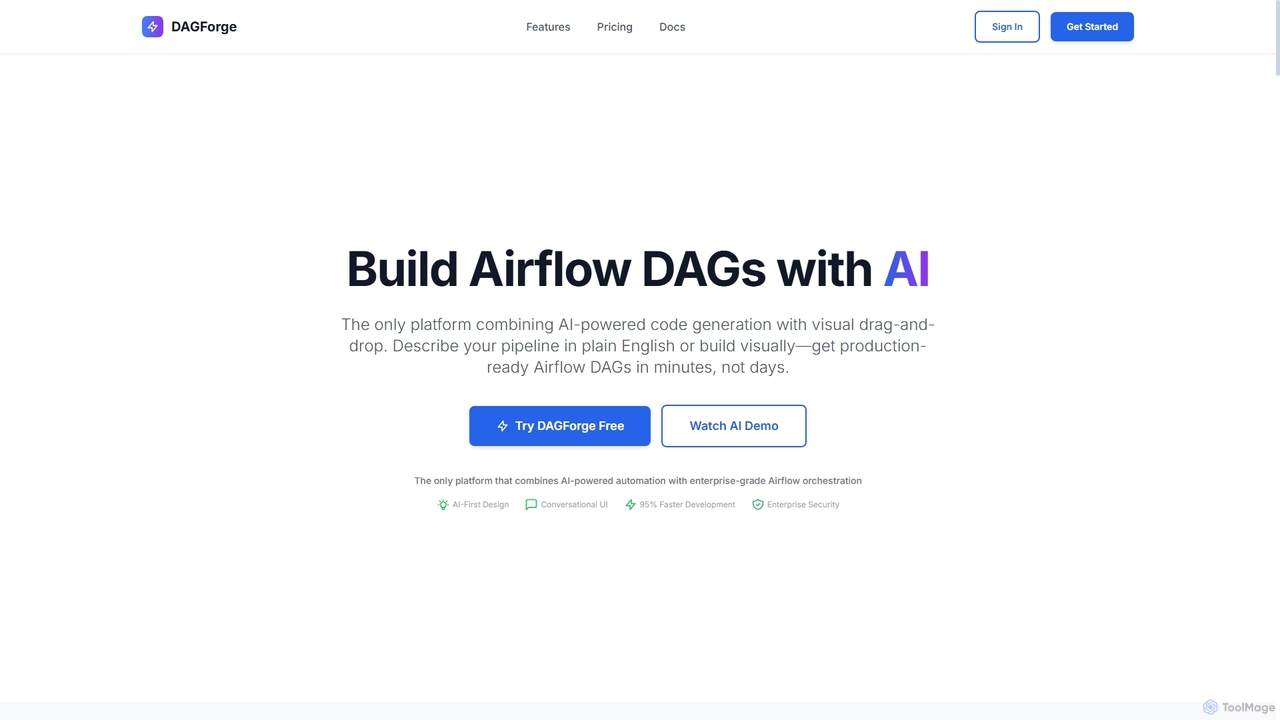
DAGForge

DAGForge

DAGForge is an AI-powered platform that combines conversational AI with a visual drag-and-drop interface to build production-ready Airflow …

3.7K
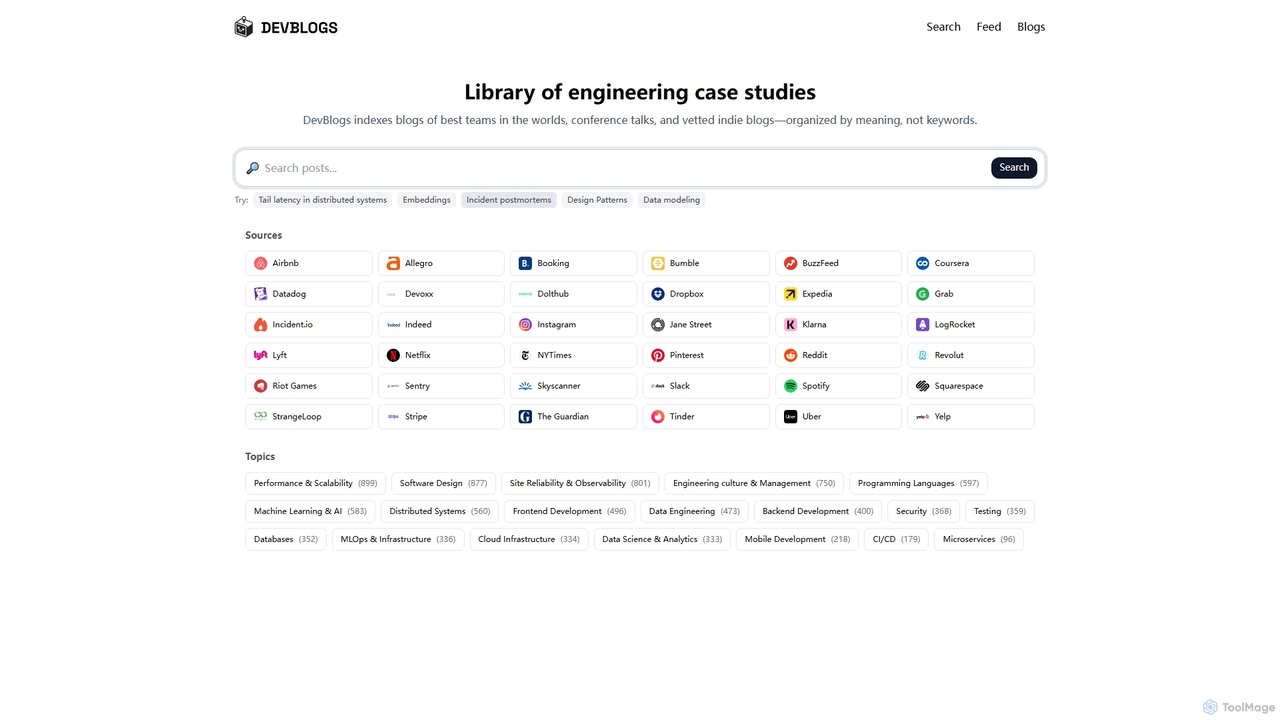
DevBlogs

DevBlogs

DevBlogs is a curated library indexing engineering case studies, tech blogs, and conference talks from leading global teams. …

2.2K

About Data Engineering

Data Engineering tools are AI-powered solutions designed to build, maintain, and optimize the infrastructure and systems for collecting, storing, processing, and analyzing large volumes of data. These tools leverage artificial intelligence and machine learning to automate complex data pipelines, enhance data quality, and ensure efficient data flow from source to consumption. They are crucial for organizations seeking to transform raw data into actionable insights, supporting everything from business intelligence to advanced analytics and machine learning initiatives.

Core Features

  • Automated Data Ingestion: Connects to diverse data sources and automates the extraction and loading of data.
  • Intelligent Data Transformation: Uses AI to clean, enrich, and transform raw data into structured, usable formats.
  • Data Quality & Governance: Monitors data integrity, identifies anomalies, and enforces compliance rules automatically.
  • Workflow Orchestration: Manages and schedules complex data pipelines, ensuring timely and reliable data delivery.
  • Performance Optimization: Analyzes data processing patterns to optimize resource usage and reduce operational costs.

Use Cases

Data Engineering tools are essential for organizations across various sectors. They enable data engineers to construct robust and scalable data architectures, supporting real-time analytics, machine learning model training, and comprehensive business reporting. These tools are vital for maintaining high data availability and reliability, ensuring that data scientists and business analysts have access to clean, well-structured data for their work.

How to Choose

When selecting Data Engineering tools, consider their scalability to handle growing data volumes and velocity, integration capabilities with existing data ecosystems, and the level of automation offered for pipeline management. Evaluate data governance and security features to ensure compliance and protect sensitive information. Additionally, assess the tool's ease of use, community support, and cost-effectiveness for your specific infrastructure and team's technical expertise.

Data EngineeringUse Cases

1

Automating ETL Pipelines for Business Intelligence

Data engineers utilize AI-powered Data Engineering tools to design and implement fully automated Extract, Transform, Load (ETL) pipelines. This involves connecting to various operational databases, cloud storage, and third-party APIs, then transforming the raw data into a clean, consistent format suitable for data warehouses. The automation significantly reduces manual effort, ensures data freshness for daily business intelligence reports, and provides reliable insights for strategic decision-making.

2

Real-time Data Stream Processing for Analytics

In industries like finance, IoT, or e-commerce, real-time data processing is critical. Data Engineering tools enable the ingestion and processing of high-velocity data streams from sensors, transactions, or user interactions. AI capabilities help in anomaly detection, predictive analytics, and immediate data enrichment, allowing businesses to react instantly to market changes, detect fraud, or personalize customer experiences as events unfold.

3

Building Scalable Data Lakes and Data Warehouses

Organizations leverage Data Engineering tools to construct and manage robust data lakes and data warehouses, serving as central repositories for vast amounts of structured and unstructured data. These tools facilitate efficient data ingestion from diverse sources, schema management, and data partitioning. This ensures that data is stored optimally for cost-efficiency and high-performance querying, supporting both historical analysis and future machine learning projects.

4

Ensuring Data Quality and Governance Compliance

Maintaining high data quality and adhering to regulatory compliance (e.g., GDPR, HIPAA) are paramount. Data Engineering tools with AI capabilities automate data profiling, validation, and cleansing processes. They can identify inconsistencies, missing values, and duplicate records, then apply predefined rules or machine learning models to correct or flag issues. This ensures data reliability for critical business operations and audit trails.

5

Migrating and Integrating Disparate Data Systems

Many enterprises face the challenge of integrating data from legacy systems with modern cloud platforms or consolidating data from multiple business units. Data Engineering tools provide robust connectors and transformation engines to facilitate complex data migrations and integrations. They help map data schemas, handle data type conversions, and ensure data consistency across heterogeneous environments, minimizing disruption during system transitions.

6

Optimizing Cloud Data Infrastructure Costs

Managing data infrastructure in the cloud can be expensive. Data Engineering tools, especially those with AI-driven analytics, monitor data storage, processing, and compute resource utilization. They can identify inefficient data pipelines, suggest optimal storage tiers, or recommend scaling adjustments. This proactive optimization helps organizations significantly reduce their cloud expenditure while maintaining desired performance levels for data operations.

Data EngineeringFrequently Asked Questions