Infros
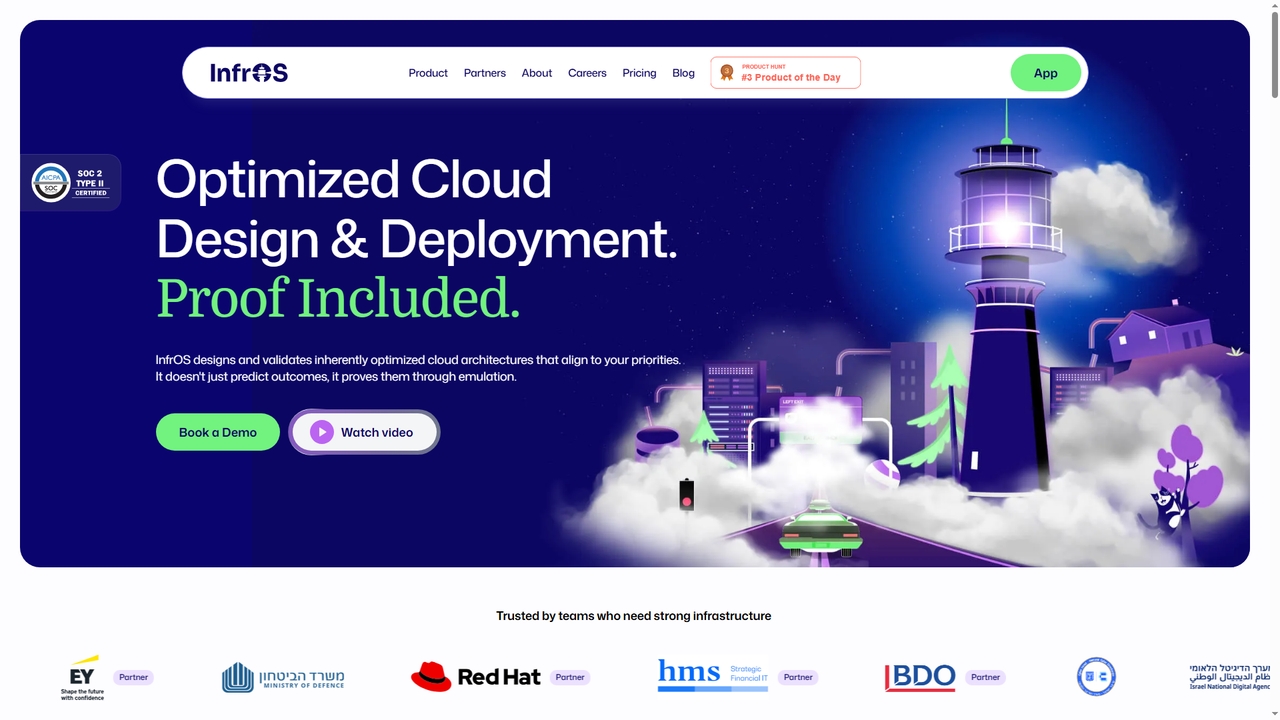
Infros is an AI-powered IT Infrastructure Operating System that designs, validates, and deploys optimized cloud architectures. It uses …
Infros is an AI-powered IT Infrastructure Operating System that designs, validates, and deploys optimized cloud architectures. It uses emulation to prove performance and cost outcomes before deployment, helping teams eliminate technical debt and reduce cloud spend by an average of 43%.
DevBlogs
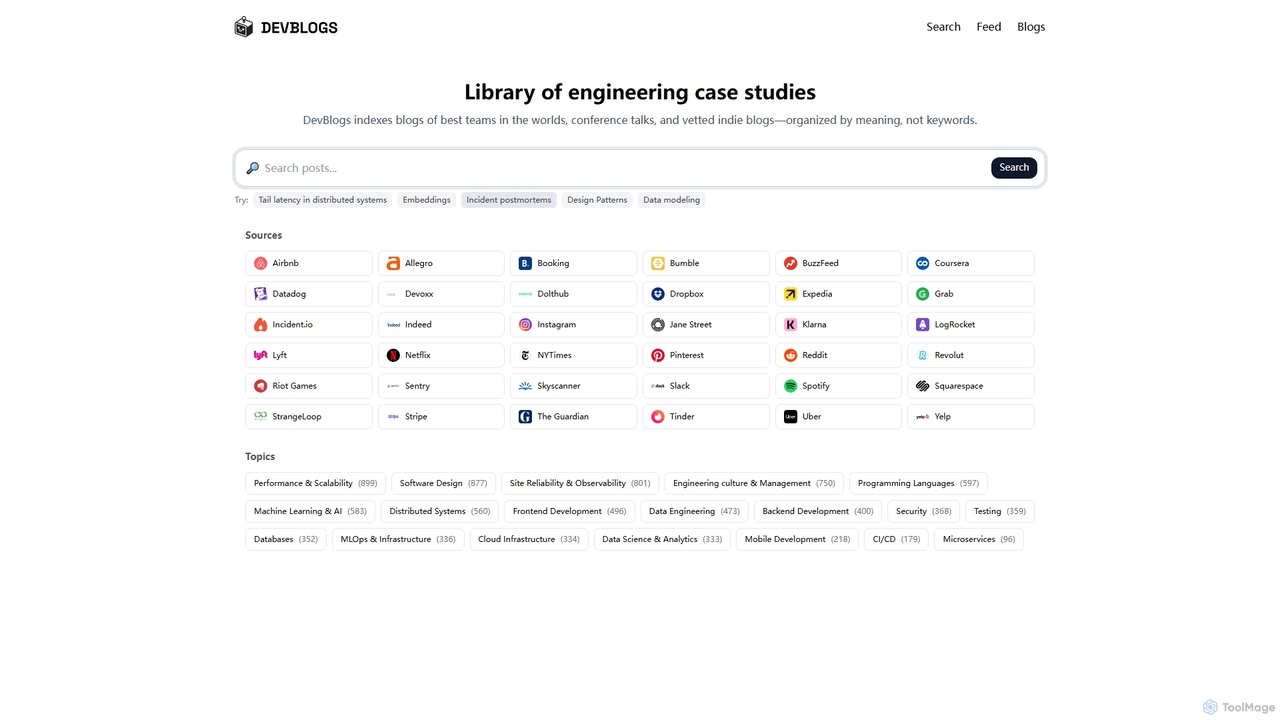
DevBlogs is a curated library indexing engineering case studies, tech blogs, and conference talks from leading global teams. …
DevBlogs is a curated library indexing engineering case studies, tech blogs, and conference talks from leading global teams. It organizes content by meaning and specific technical topics, providing a valuable resource for developers and engineers to discover insights and best practices.
FuriosaAI
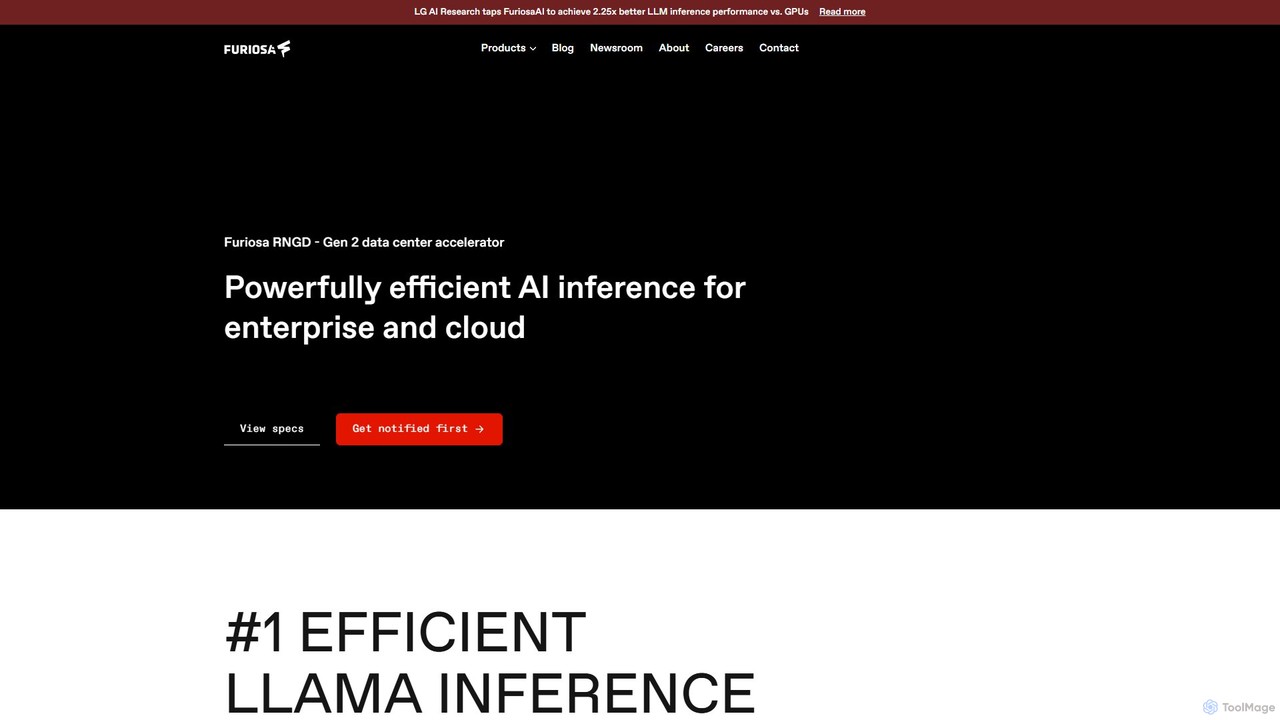
FuriosaAI develops high-performance, power-efficient AI accelerators for data centers. Its flagship product, RNGD, is designed for demanding AI …
FuriosaAI develops high-performance, power-efficient AI accelerators for data centers. Its flagship product, RNGD, is designed for demanding AI inference tasks, particularly for large language models (LLMs). Featuring the innovative Tensor Contraction Processor (TCP) architecture, RNGD delivers exceptional performance at a very low 180W power consumption, significantly reducing the total cost of ownership and environmental impact for enterprise and cloud AI deployments.
Bunnyshell
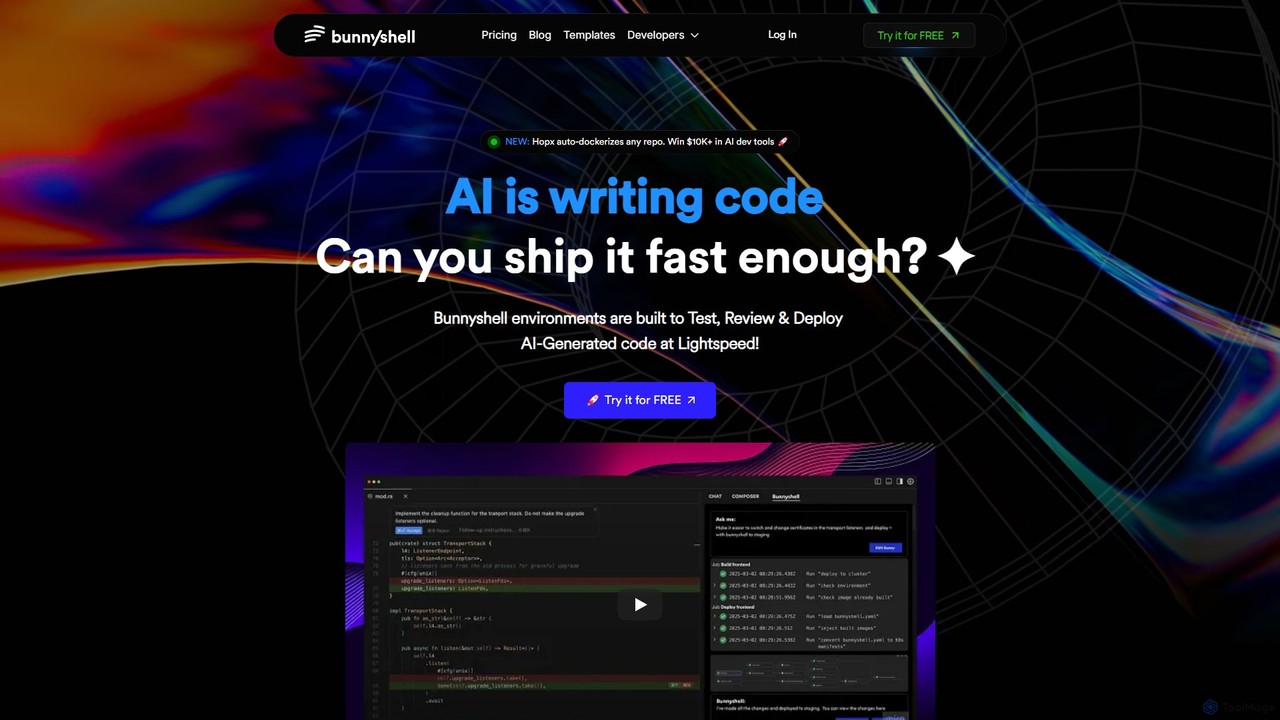
Bunnyshell is an AI-orchestrated Environments as a Service (EaaS) platform that automates the creation of ephemeral, production-like environments. …
Bunnyshell is an AI-orchestrated Environments as a Service (EaaS) platform that automates the creation of ephemeral, production-like environments. It's designed to accelerate the testing, review, and deployment of code, especially AI-generated code, enabling teams to ship software up to 100x faster while reducing cloud costs by up to 70%.
About Infrastructure
Infrastructure tools in cloud computing are foundational components and services that provide the underlying environment for deploying, managing, and scaling AI applications and models. These tools abstract away physical hardware complexities, offering virtualized resources like high-performance compute (GPUs), scalable storage, and robust networking specifically optimized for demanding AI workloads. They enable developers and enterprises to build, train, and deploy AI solutions efficiently and reliably, ensuring high performance, scalability, and cost-effectiveness within the broader cloud computing ecosystem.
Core Features
- GPU/TPU Provisioning: On-demand access to specialized hardware for accelerated AI model training and inference.
- Scalable Storage Solutions: High-throughput, low-latency storage optimized for large datasets used in AI.
- Container Orchestration: Tools like Kubernetes for deploying, managing, and scaling containerized AI applications.
- Network Configuration: Secure and high-bandwidth networking for data transfer between AI components.
- Monitoring & Logging: Comprehensive systems for tracking resource utilization and application performance.
Applicable Scenarios
Organizations leverage AI infrastructure tools to set up dedicated environments for machine learning development, ensuring consistent performance for data scientists. They are also critical for deploying production-grade AI services, providing the necessary compute and storage to handle fluctuating user demands and large-scale data processing. Furthermore, these tools facilitate the creation of robust MLOps pipelines, automating the entire lifecycle from model training to deployment.
How to Choose
When selecting AI infrastructure tools, consider the specific AI workload requirements, such as the need for specialized accelerators (GPUs/TPUs) and data storage capacity. Evaluate integration capabilities with existing cloud services and development frameworks. Assess scalability options to accommodate future growth and fluctuating demands. Finally, compare pricing models and management overhead to ensure cost-effectiveness and ease of operation.
InfrastructureUse Cases
Accelerated AI Model Training
Data scientists provision GPU-accelerated virtual machines or serverless compute instances to drastically reduce the training time for complex deep learning models. This allows for faster experimentation and iteration, enabling the development of more accurate and sophisticated AI solutions within tight project deadlines.
Scalable AI Application Deployment
Software engineers use container orchestration platforms like Kubernetes to deploy AI-powered microservices, such as recommendation engines or natural language processing APIs. The infrastructure automatically scales resources up or down based on real-time user traffic, ensuring high availability and optimal performance without manual intervention.
Big Data Processing for ML
Machine learning engineers utilize distributed storage and compute services to process massive datasets (terabytes to petabytes) required for training large-scale AI models. This infrastructure provides the necessary bandwidth and processing power to prepare, clean, and transform data efficiently, which is crucial for model quality.
MLOps Pipeline Automation
DevOps engineers configure infrastructure-as-code (IaC) tools to automate the entire MLOps lifecycle, from provisioning development environments to deploying and monitoring production models. This ensures consistency, reproducibility, and rapid deployment of AI solutions, reducing manual errors and operational overhead.
Secure AI Data Storage & Access
Data governance teams implement secure cloud storage solutions with fine-grained access controls for sensitive AI training data. The infrastructure ensures data encryption at rest and in transit, compliance with regulatory standards, and robust auditing capabilities, protecting proprietary information and user privacy.
Cost-Optimized Resource Management
Cloud architects leverage infrastructure monitoring and cost management tools to optimize resource allocation for AI workloads. By identifying underutilized resources or inefficient configurations, they can adjust compute instance types, storage tiers, or auto-scaling policies to significantly reduce operational costs while maintaining performance.