SiliconFlow
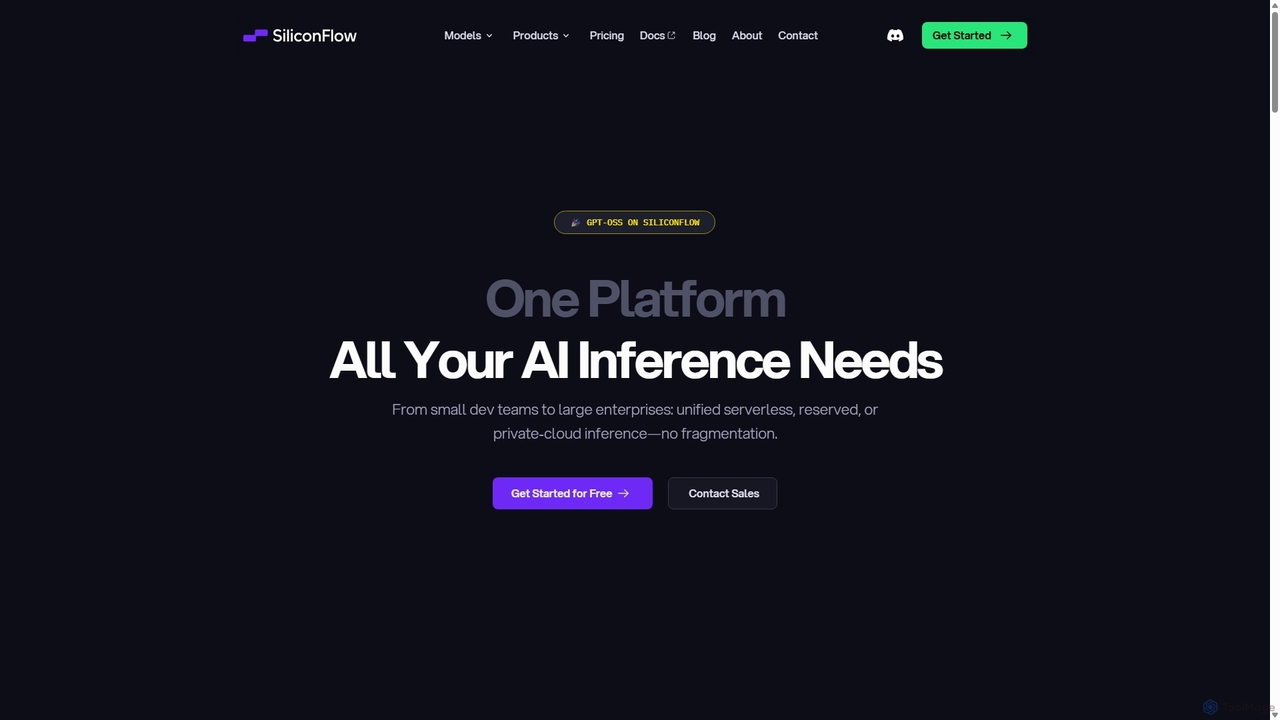
SiliconFlow is a unified AI infrastructure platform designed for high-performance inference of Large Language Models (LLMs) and multimodal …
SiliconFlow is a unified AI infrastructure platform designed for high-performance inference of Large Language Models (LLMs) and multimodal models. It provides developers and enterprises with scalable, cost-effective, and flexible deployment options, including serverless APIs, reserved GPUs, and fine-tuning capabilities, all accessible through a single, OpenAI-compatible API.
Groq
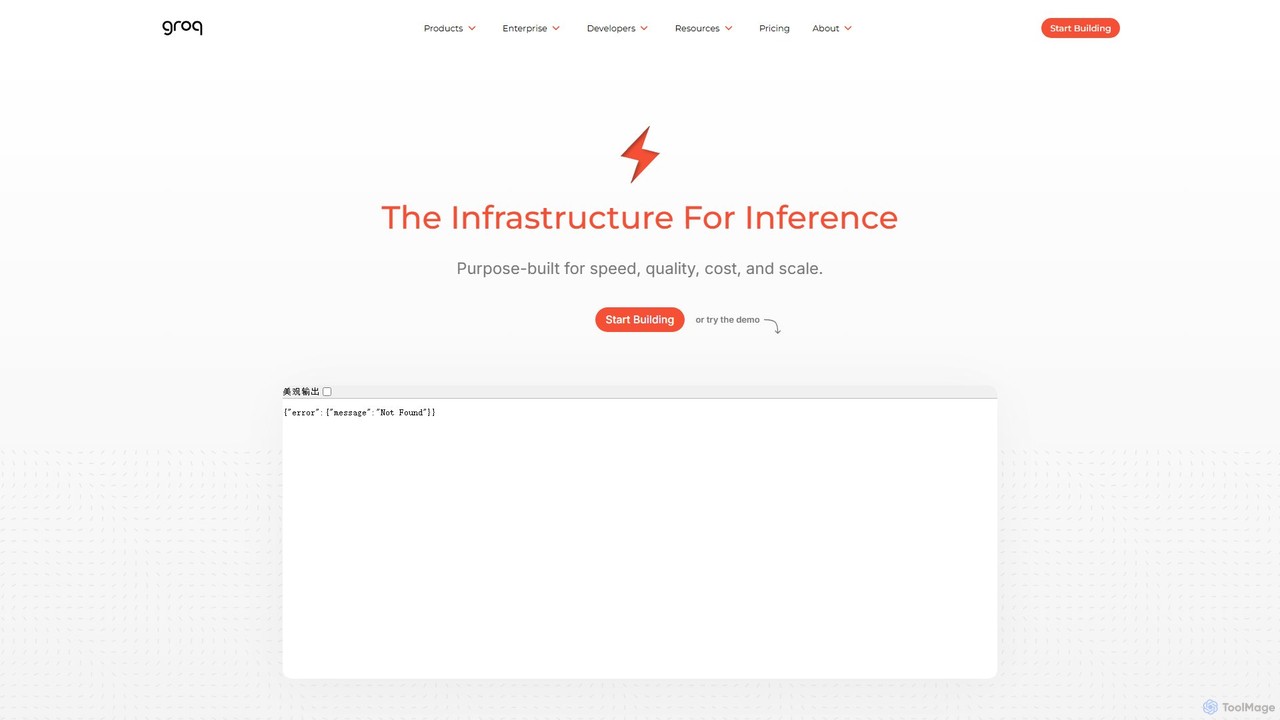
Groq is a revolutionary AI inference platform providing developers with unparalleled speed and cost-efficiency. Powered by its custom-built …
Groq is a revolutionary AI inference platform providing developers with unparalleled speed and cost-efficiency. Powered by its custom-built Language Processing Unit (LPU), Groq delivers real-time performance for large language models (LLMs), speech recognition, and text-to-speech applications. It offers a developer-friendly API, enabling seamless integration for building next-generation, low-latency AI solutions at scale.
fal.ai
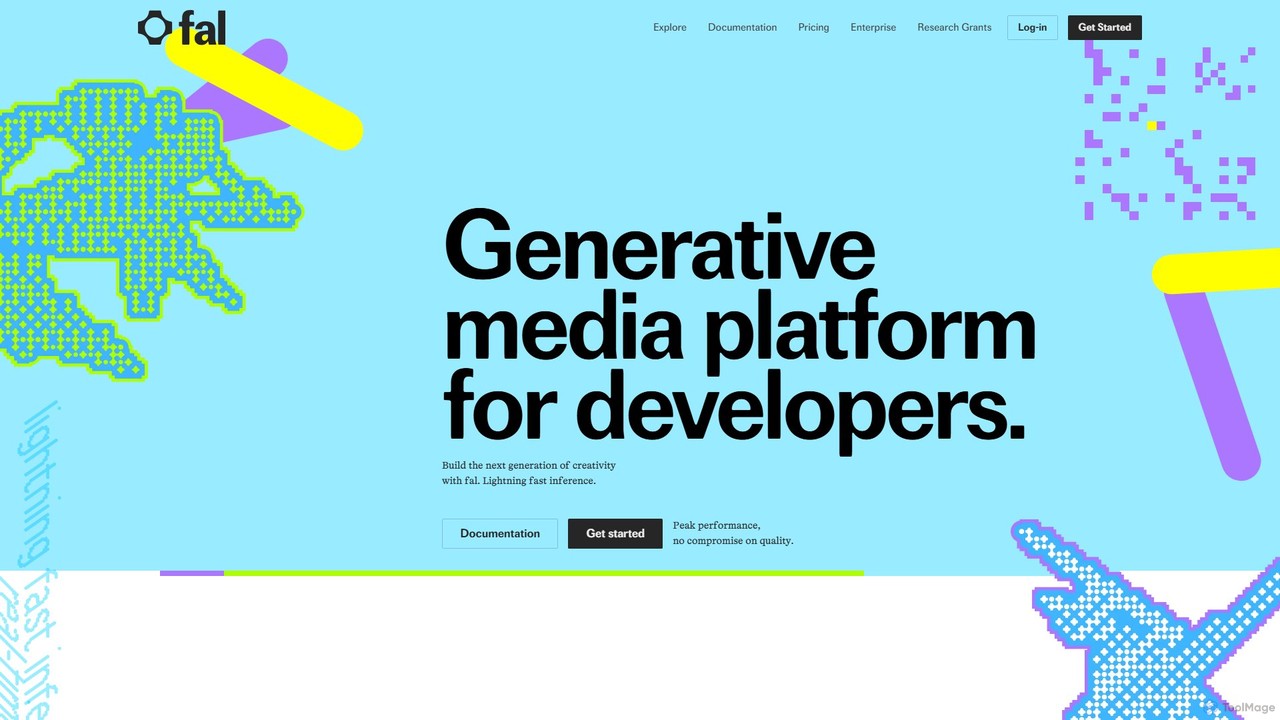
A generative media platform for developers, providing lightning-fast APIs for running and fine-tuning advanced AI models for images, …
A generative media platform for developers, providing lightning-fast APIs for running and fine-tuning advanced AI models for images, video, and 3D. Access state-of-the-art models with up to 4x faster inference speeds.
ComfyOnline
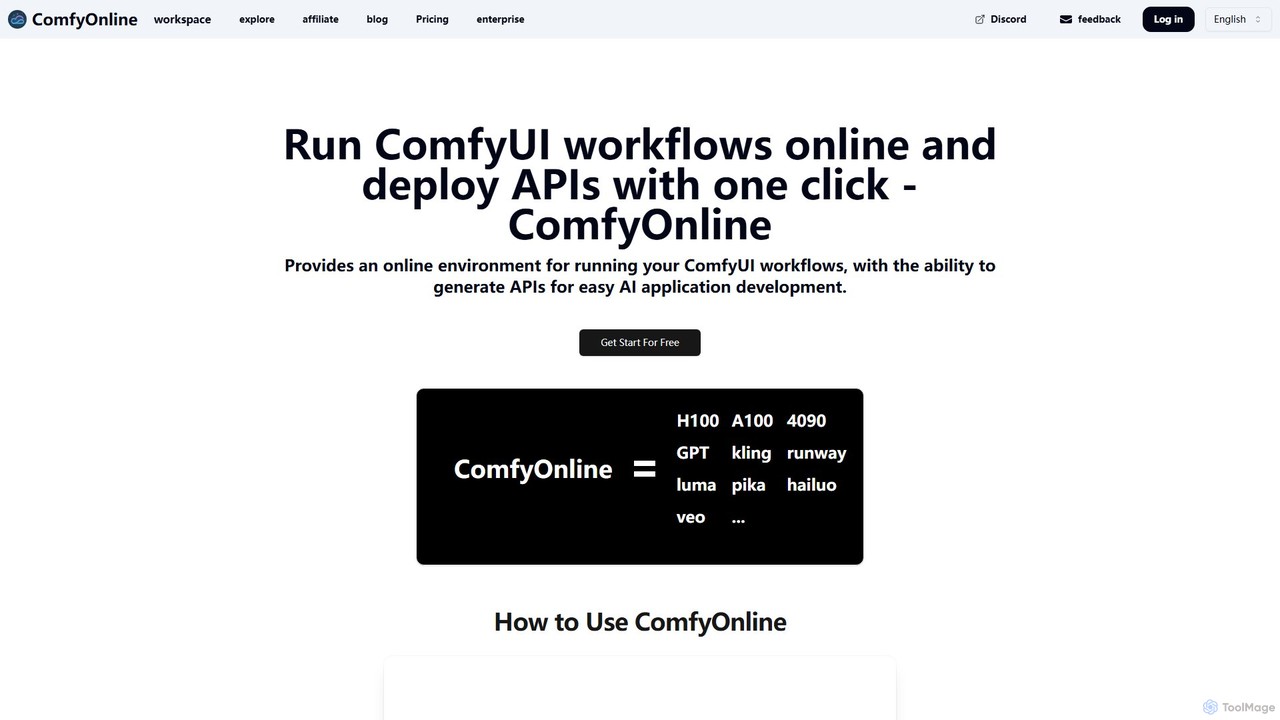
A cloud-based platform for running ComfyUI workflows online without expensive hardware. It offers a serverless environment, one-click API …
A cloud-based platform for running ComfyUI workflows online without expensive hardware. It offers a serverless environment, one-click API deployment for AI applications, and pay-as-you-go access to high-performance GPUs like H100 and A100. It simplifies the entire process from workflow creation to scalable deployment.
About Api & Infrastructure
AI API & Infrastructure tools provide developers with programmatic access to powerful AI models and the underlying computational resources. These platforms offer pre-trained models through APIs or provide scalable GPU infrastructure for training, deploying, and managing custom machine learning systems. They enable the integration of advanced AI capabilities, such as natural language processing or image generation, directly into applications without extensive in-house hardware management. This approach significantly accelerates development cycles and allows businesses to leverage state-of-the-art AI technology on a pay-as-you-go basis.
Core Features
- Model-as-a-Service APIs: Access state-of-the-art AI models for various tasks via simple API calls.
- Scalable GPU Compute: On-demand access to powerful GPU clusters for training and inference.
- Managed Model Deployment: Streamlined tools for hosting, scaling, and monitoring custom models.
- Fine-Tuning Environments: Platforms to adapt pre-trained models using custom datasets for specific tasks.
- Developer SDKs & Tooling: Software development kits and libraries for seamless integration into codebases.
Use Cases
These tools are essential for tech companies, startups, and enterprise development teams building AI-powered products. Common applications include creating intelligent chatbots, developing custom computer vision systems for quality control, or powering recommendation engines in e-commerce platforms.
How to Choose
Selection depends on your goal. For integrating standard AI features quickly, choose a provider with a robust model API. For building proprietary models, prioritize infrastructure providers with flexible GPU options, MLOps tools, and transparent pricing. Also, consider documentation quality and community support.
Api & InfrastructureUse Cases
Integrating an LLM into a Customer Support App
A SaaS company's development team needs to build an intelligent chatbot to handle common customer queries. Instead of building a language model from scratch, they use a commercial LLM API. They integrate the API into their existing support platform, allowing them to send user questions to the model and display the generated answers in real-time. This reduces the response time for 80% of tier-1 support tickets and frees up human agents for more complex issues.
Building a Custom Defect Detection System
A manufacturing company wants to automate quality control on its production line. Their data science team uses an AI infrastructure platform to train a custom computer vision model. They upload thousands of images of their products, labeling defective and non-defective items. The platform provides the necessary GPU resources to train the model efficiently. Once trained, the model is deployed as an endpoint that processes images from a camera on the assembly line, flagging potential defects with over 99% accuracy.
Scaling Inference for a Viral AI Art Generator
A startup launches a mobile app that generates art from text prompts. The app goes viral, and user demand overwhelms their initial server setup. They migrate their image generation model to a serverless GPU infrastructure provider. This platform automatically provisions and scales GPU instances based on real-time traffic. This ensures the app remains responsive during peak usage without the team needing to manually manage servers, while only paying for the compute they actually use.
Fine-tuning a Model for Medical Document Analysis
A health-tech firm aims to create a tool that extracts specific information from patient records. General-purpose language models lack the required domain-specific accuracy. They use a platform that offers fine-tuning capabilities for a powerful pre-trained model. They prepare a curated dataset of anonymized medical documents and use the platform's tools to fine-tune the model. The resulting specialized model can accurately identify and extract medical terms, dosages, and patient histories, significantly speeding up data processing for clinicians.
Prototyping with Multiple Open-Source Models
An R&D team at a university is exploring different AI models for a sentiment analysis project. They use an infrastructure provider that offers a catalog of pre-configured open-source models accessible via a unified API. This allows them to quickly test and benchmark models like Llama, Mistral, and Falcon on their dataset without the complex setup required for each one. They can identify the best-performing model for their specific task in days instead of weeks.
Powering a Real-Time Recommendation Engine
An e-commerce platform wants to provide personalized product recommendations to millions of users. Their machine learning team develops a complex recommendation model. They use a managed model deployment service to host it. The service handles the technical challenges of low-latency inference, high availability, and auto-scaling. The deployed model processes user behavior in real-time, delivering relevant recommendations that have increased user engagement and conversion rates by 15%.