SecVibe
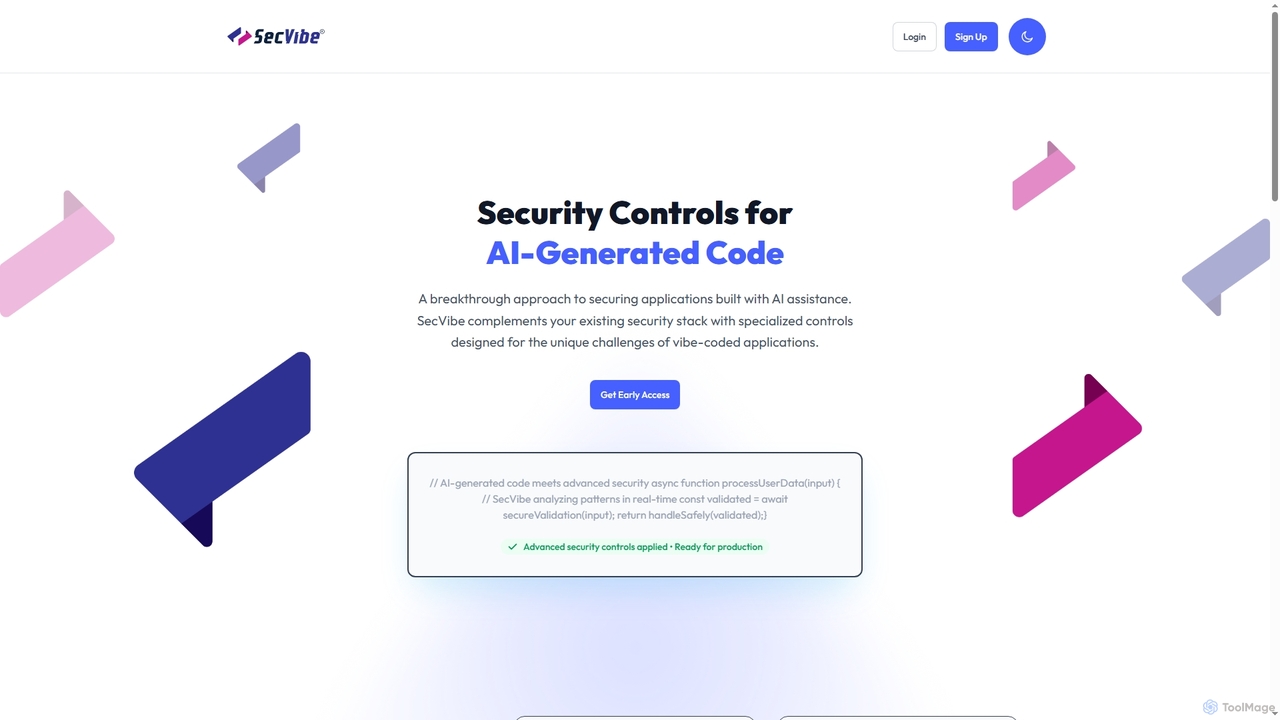
SecVibe is a cutting-edge security platform designed to protect applications built with AI-generated code. It offers specialized controls, …
SecVibe is a cutting-edge security platform designed to protect applications built with AI-generated code. It offers specialized controls, real-time analysis, and context-aware mechanisms to identify and mitigate unique security vulnerabilities often missed by traditional tools. SecVibe seamlessly integrates with existing security stacks, enhancing overall application security for modern, AI-assisted development workflows without compromising speed.
Gitmore
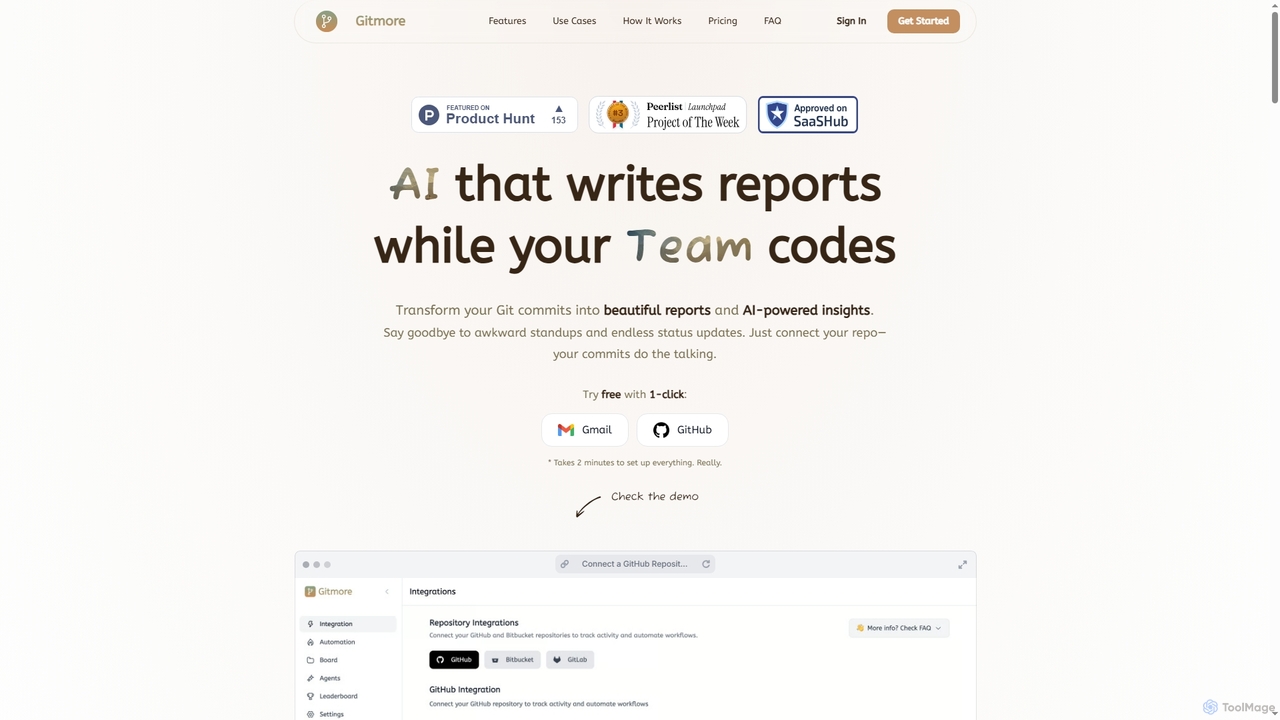
Gitmore is an AI-powered tool that automates technical team reporting and engineering updates. It transforms Git commits into …
Gitmore is an AI-powered tool that automates technical team reporting and engineering updates. It transforms Git commits into intelligent reports and insights, eliminating manual status updates and standup meetings for development teams using GitHub, GitLab, or Bitbucket.
Ozgar
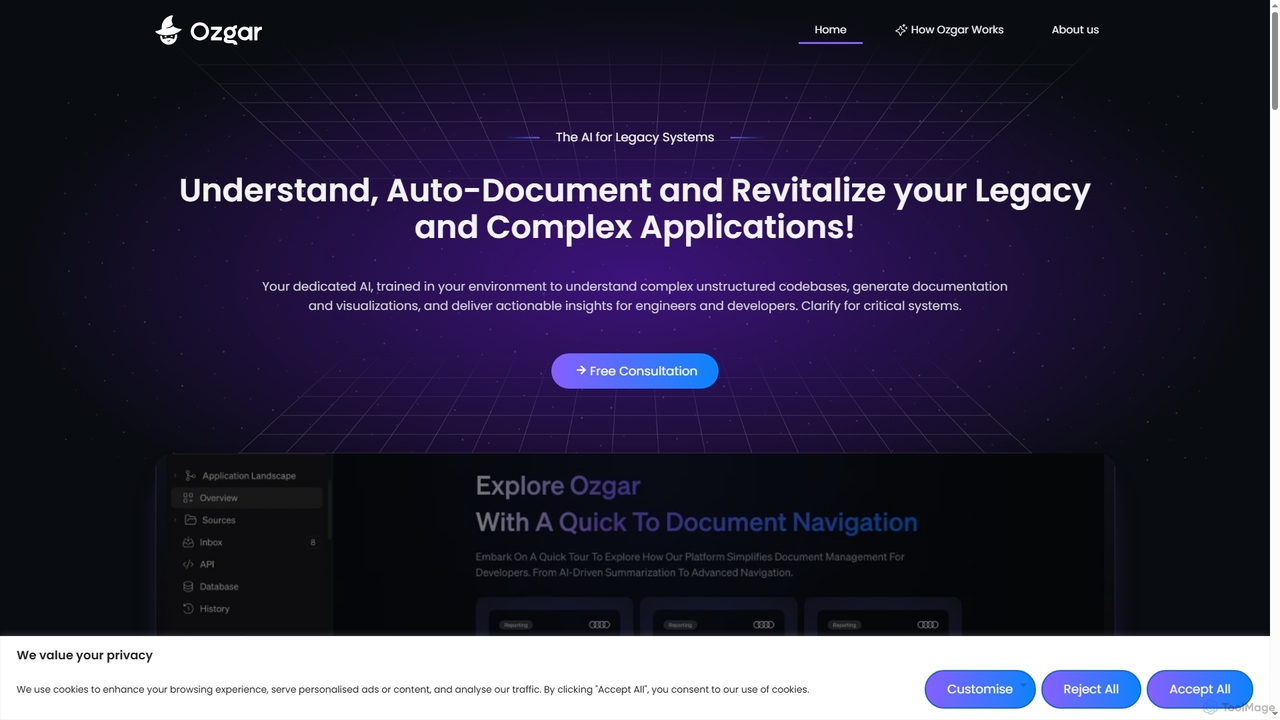
Ozgar is an enterprise code intelligence platform designed to understand, auto-document, and revitalize legacy and complex software systems. …
Ozgar is an enterprise code intelligence platform designed to understand, auto-document, and revitalize legacy and complex software systems. It leverages advanced AI to transform unstructured codebases into a smart, searchable knowledge hub, providing developers and teams with instant insights, automated documentation, and enhanced code navigation. Ozgar aims to reduce technical debt, accelerate onboarding, and streamline maintenance without disrupting existing operations.
About Code Analysis
Code Analysis tools are AI-powered solutions designed to automatically inspect source code for potential issues, vulnerabilities, and quality improvements. These tools leverage advanced algorithms to understand code structure and logic, providing developers with actionable insights to enhance software reliability and maintainability. They play a crucial role in modern software development by integrating seamlessly into CI/CD pipelines, ensuring code quality from the earliest stages.
Core Features
- Static Code Analysis: Automatically scans code without execution to identify bugs, security flaws, and style violations.
- Dynamic Code Analysis: Monitors code behavior during runtime to detect performance bottlenecks, memory leaks, and concurrency issues.
- Security Vulnerability Detection: Identifies common security weaknesses like SQL injection, cross-site scripting (XSS), and insecure configurations.
- Code Quality Metrics: Calculates metrics such as cyclomatic complexity, maintainability index, and duplication rate to assess code health.
- Automated Refactoring Suggestions: Provides recommendations for improving code structure, readability, and efficiency.
Use Cases
Code Analysis tools are essential for development teams to maintain high standards of software quality and security. They are used to enforce coding standards across projects, identify and fix bugs early in the development cycle, and ensure compliance with industry regulations. These tools help reduce technical debt and improve collaboration among developers.
How to Choose
When selecting a Code Analysis tool, consider its compatibility with your programming languages and development environment. Evaluate its ability to integrate with your existing CI/CD pipelines and version control systems. Look for comprehensive reporting features, customizable rule sets, and the accuracy of its findings to minimize false positives.
Code AnalysisUse Cases
Automated Bug Detection in Development Workflows
Software developers integrate AI-powered code analysis tools into their IDEs or CI/CD pipelines to automatically scan new code commits. This helps identify syntax errors, logical flaws, and potential runtime exceptions immediately, preventing bugs from reaching later stages of development and significantly reducing debugging time.
Enhancing Security Posture of Web Applications
Security engineers and development teams use code analysis tools to proactively scan web application source code for common vulnerabilities like SQL injection, XSS, and insecure API endpoints. The tools provide detailed reports and remediation suggestions, allowing developers to fix security flaws before deployment and comply with security standards.
Maintaining Code Quality and Standards Across Large Teams
Project leads and architects deploy code analysis tools to enforce consistent coding standards and best practices across large, distributed development teams. The tools automatically check for style violations, code complexity, and duplication, ensuring maintainability and readability, which is crucial for long-term project health and onboarding new team members.
Optimizing Performance of High-Traffic Backend Services
Backend developers utilize dynamic code analysis to monitor the runtime behavior of critical services under load. These tools identify performance bottlenecks, inefficient algorithms, and memory leaks that might not be apparent during static analysis. This allows for targeted optimizations, ensuring services remain responsive and scalable.
Assessing and Reducing Technical Debt in Legacy Systems
Teams managing legacy software use code analysis to gain insights into the existing codebase's health. The tools can pinpoint areas of high complexity, low test coverage, and excessive duplication, providing a clear roadmap for refactoring efforts. This helps prioritize technical debt reduction, making the system easier to maintain and evolve.
Ensuring Compliance with Industry Regulations (e.g., GDPR, HIPAA)
Organizations in regulated industries (finance, healthcare) employ code analysis tools to verify that their software adheres to specific data privacy and security regulations. The tools can detect patterns that violate compliance rules, such as improper data handling or logging of sensitive information, providing an audit trail and reducing legal risks.