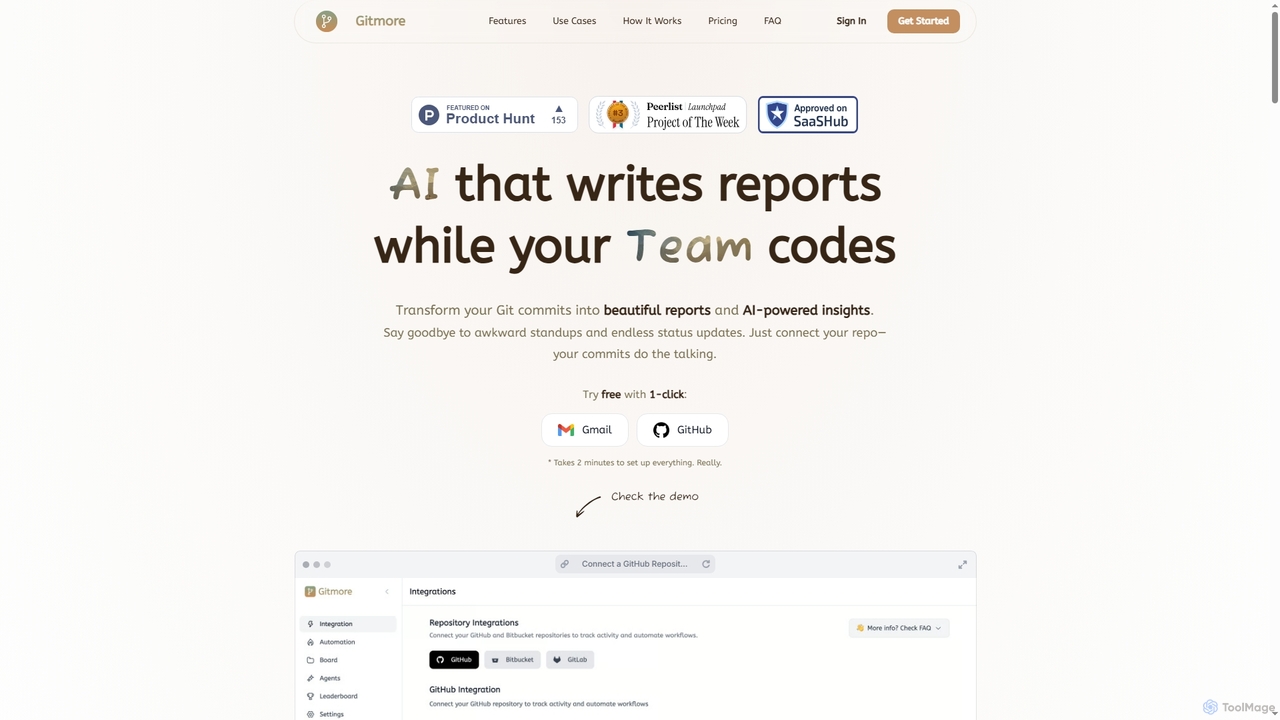
AI-powered Reporting tools are a specialized subset within Development tools that automate the collection, analysis, and visualization of data to generate actionable insights. These tools leverage artificial intelligence and machine learning algorithms to identify patterns, predict trends, and present complex information in an easily digestible format. They empower developers, project managers, and stakeholders to monitor key performance indicators, track project progress, and make data-driven decisions more efficiently.
Core Features
- Automated Data Aggregation: Automatically collects data from various sources like databases, APIs, and logs, reducing manual effort.
- Intelligent Anomaly Detection: Uses AI to flag unusual patterns or deviations in data, such as performance bottlenecks or security vulnerabilities.
- Predictive Analytics: Forecasts future trends and outcomes based on historical data, aiding in proactive planning and resource allocation.
- Customizable Dashboards: Provides interactive and configurable dashboards for visualizing metrics relevant to specific development projects or operational areas.
- Natural Language Generation (NLG): Converts complex data insights into human-readable narratives, simplifying report interpretation for non-technical users.
Use Cases
These tools are crucial for development teams, product managers, and operations engineers. They are used to generate comprehensive reports on software performance, track user engagement within applications, monitor infrastructure health, and analyze code quality metrics. This enables teams to quickly identify areas for improvement, optimize resource allocation, and ensure projects stay on track.
How to Choose
When selecting an AI Reporting tool, consider its data source integration capabilities, ensuring it connects with your existing development and operational platforms. Evaluate the depth of its AI analytics features, such as predictive modeling and anomaly detection. Assess the flexibility of its visualization options and report customization. Finally, consider the ease of use and the level of technical expertise required for setup and ongoing maintenance.