Best of the Year 8 results Digital Marketing AI Tools

Popular AI tools in the Digital Marketing field include The Biz AI Hub、LindyPanels、Inspired Monks、Anthroly、Modernwebseo、Adly、Mindd Wave、AEOptimer, etc., helping you quickly improve efficiency.

Free
The Biz AI Hub

The Biz AI Hub

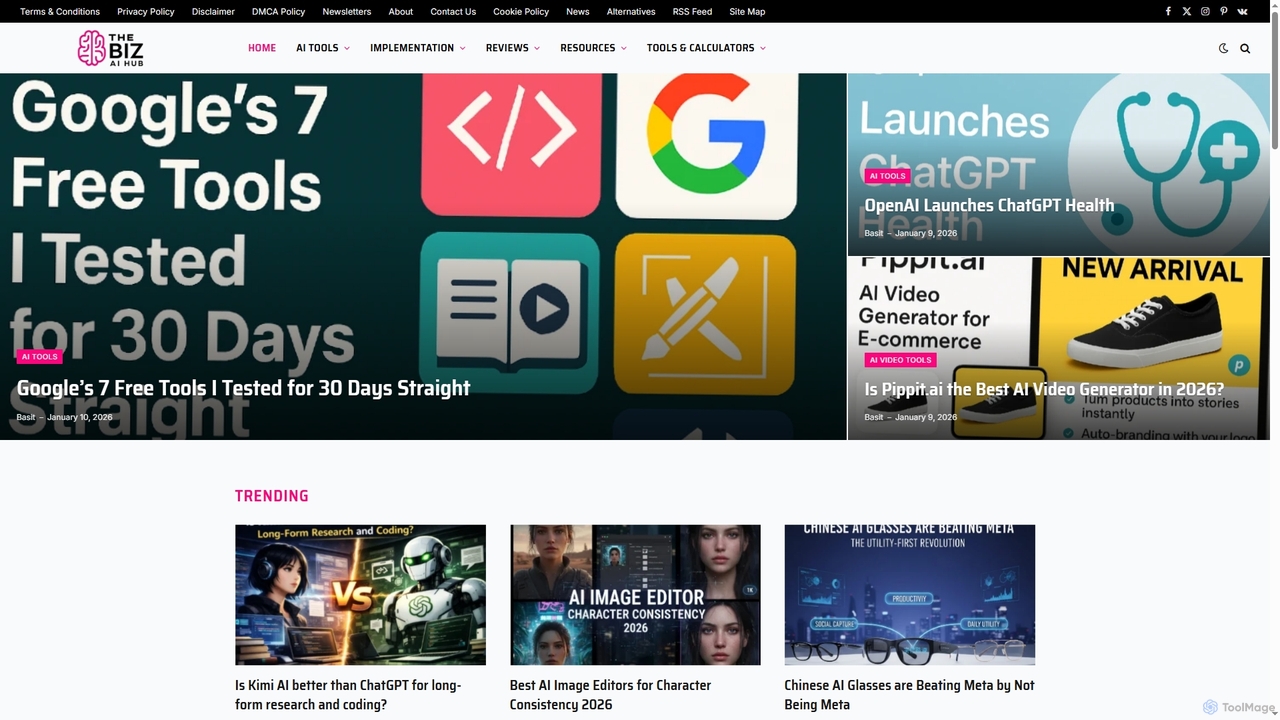
The Biz AI Hub is a trusted resource platform dedicated to empowering small and medium-sized businesses to effectively …

5.2K
Inspired Monks

Inspired Monks

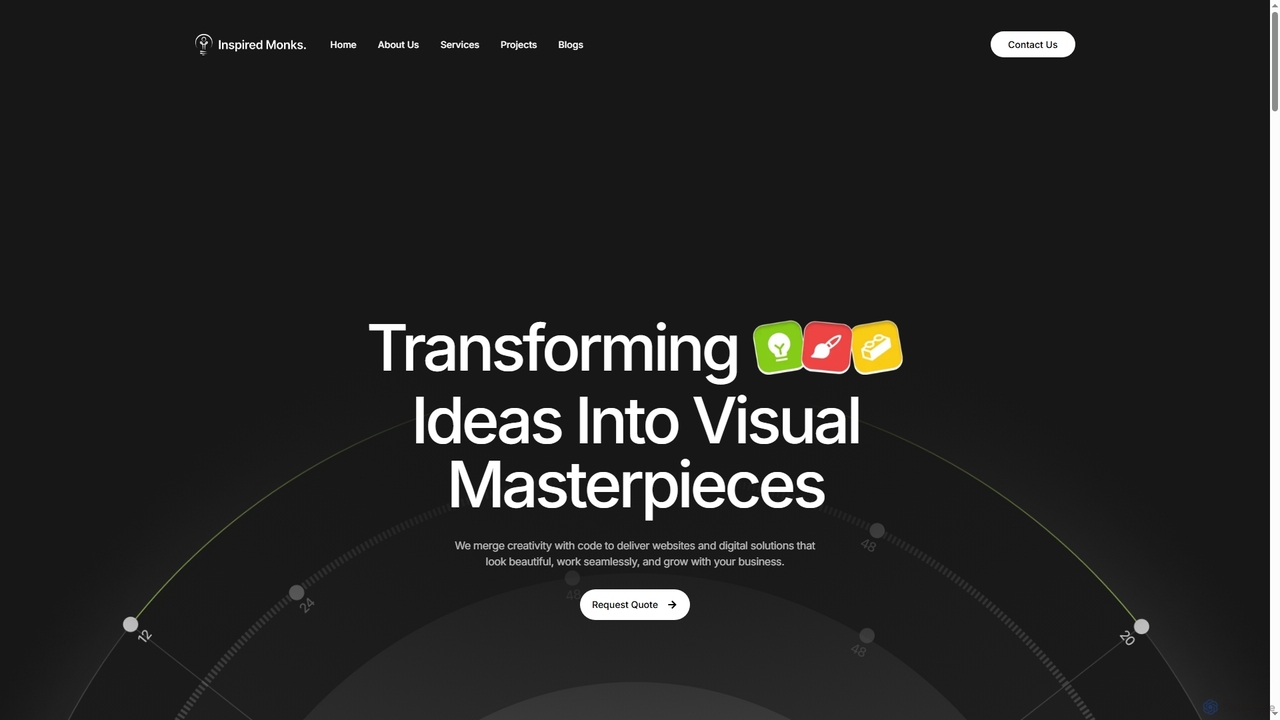
Inspired Monks is a professional web development agency specializing in transforming ideas into robust digital solutions. They offer …

3.9K
Adly

Adly

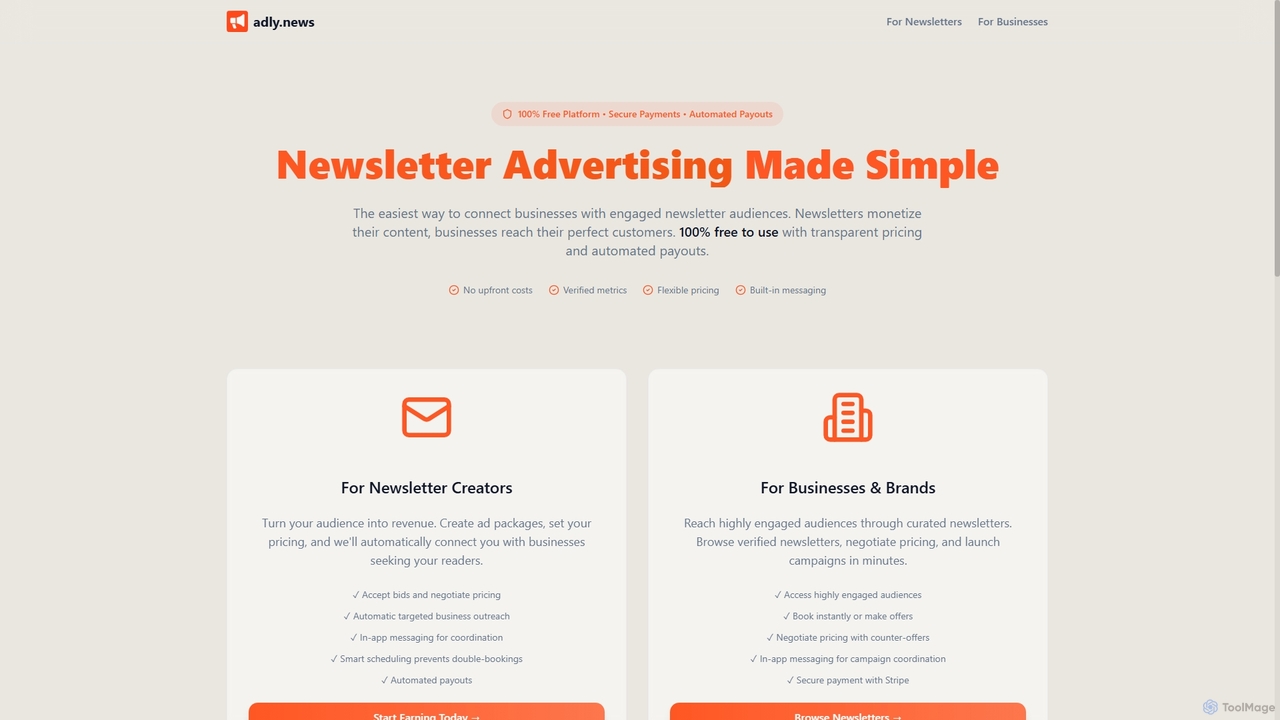
Adly is a 100% free-to-join newsletter advertising marketplace that seamlessly connects newsletter creators with businesses seeking highly engaged …

3.0K
Anthroly

Anthroly

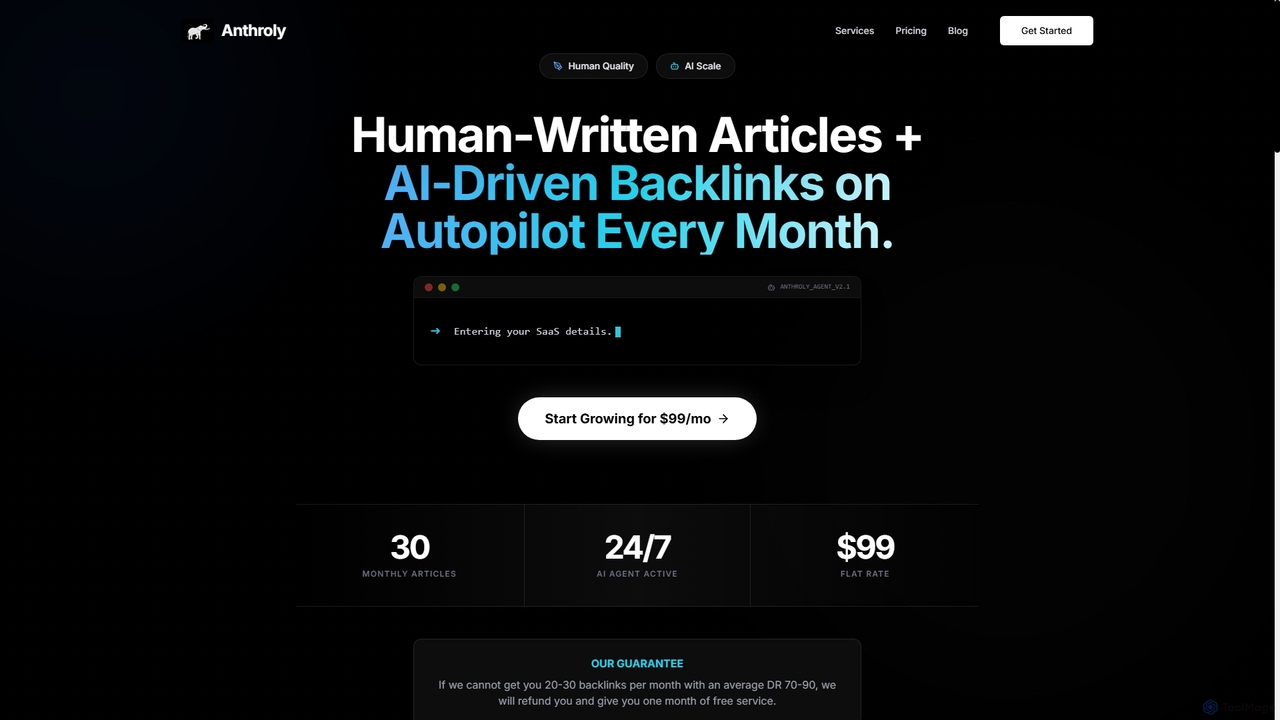
Anthroly is a hybrid AI-powered platform that combines human-written, high-quality content with automated AI-driven backlink generation. It offers …

3.9K
Modernwebseo

Modernwebseo

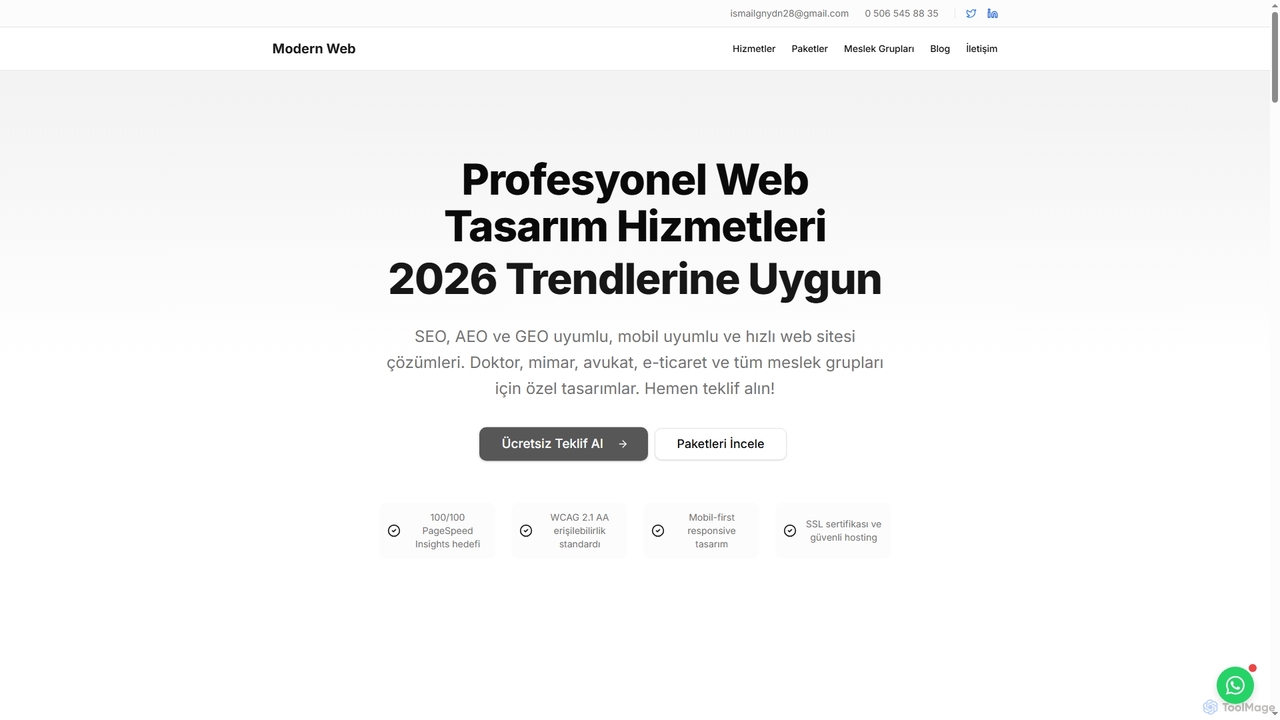
Modernwebseo is a professional web design service specializing in creating high-performance, SEO-optimized, and AI-integrated websites. They offer custom-developed …

3.2K
LindyPanels

LindyPanels

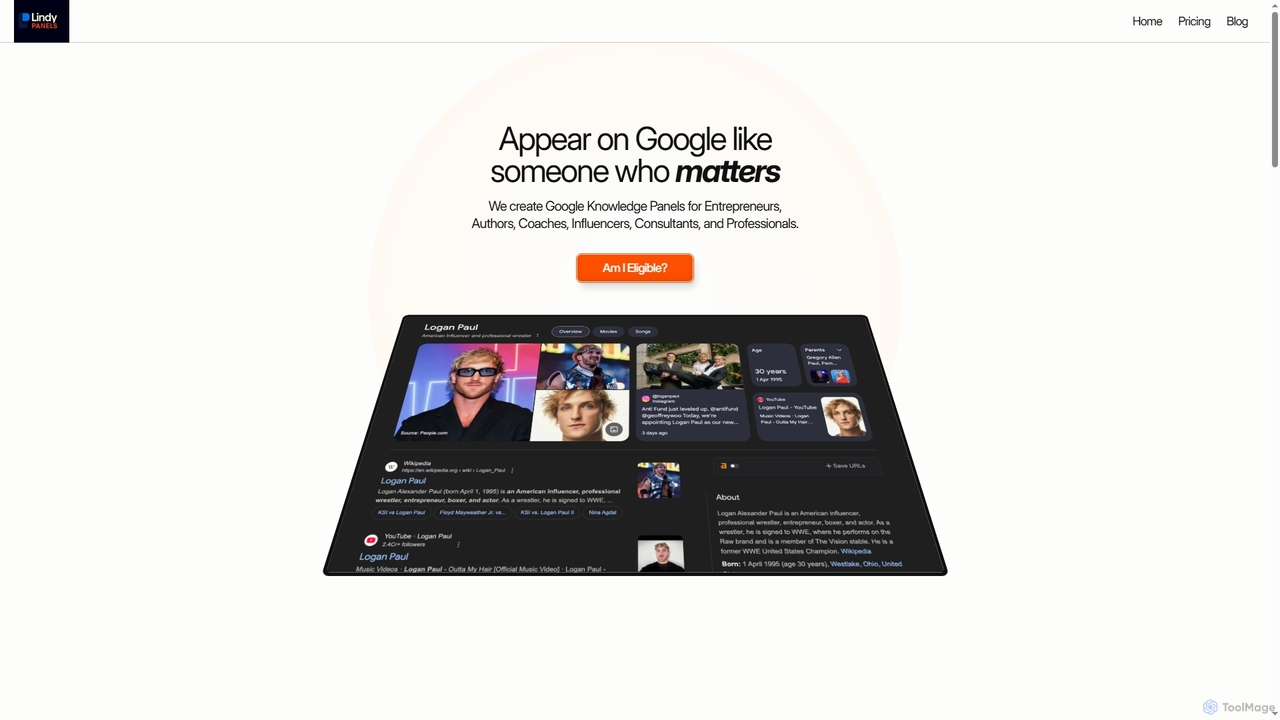
LindyPanels specializes in creating and optimizing Google Knowledge Panels for individuals and brands. It helps establish online credibility, …

4.4K
Free
Mindd Wave

Mindd Wave

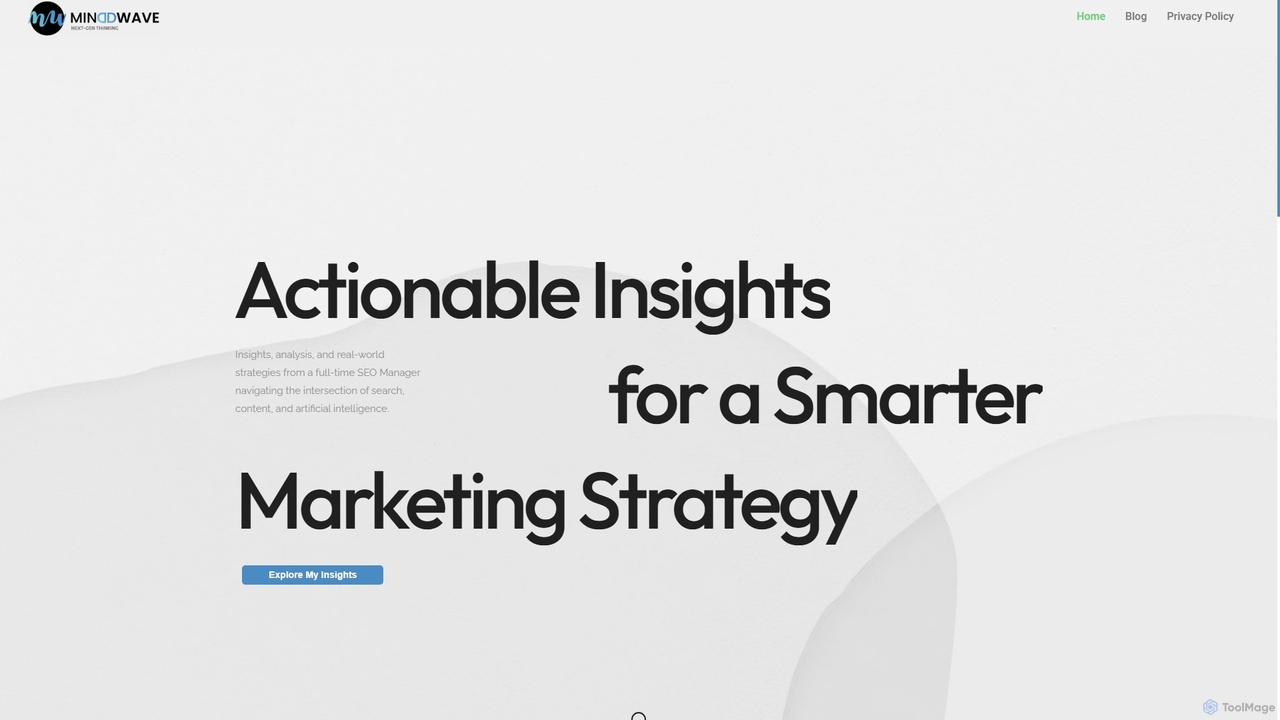
Mindd Wave is a specialized digital marketing blog and insights platform led by SEO Manager Shubham Singh. It …

2.9K
AEOptimer

AEOptimer

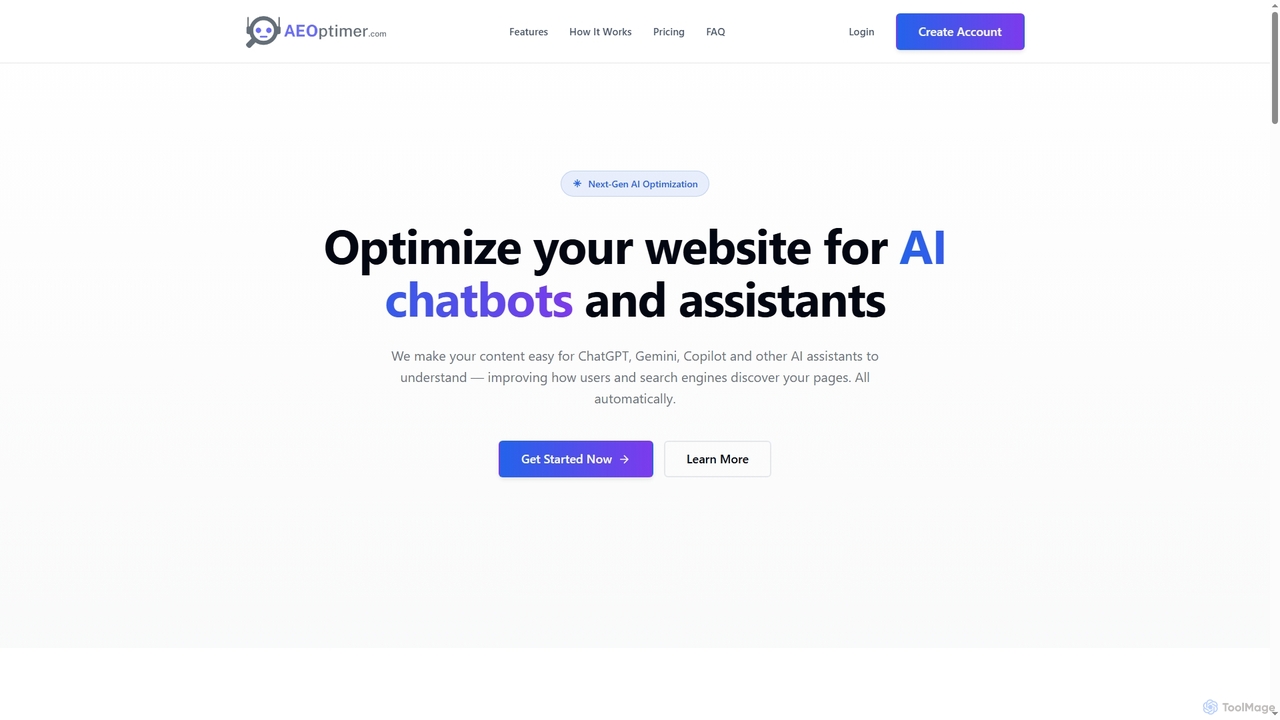
AEOptimer is a SaaS platform that automates website content optimization for enhanced visibility in both traditional search engines …

2.9K

About Digital Marketing

Digital Marketing AI tools are AI-powered solutions designed to optimize, automate, and personalize various aspects of online marketing. These advanced tools leverage machine learning, natural language processing, and predictive analytics to enhance campaign performance, streamline workflows, and significantly improve customer engagement. They empower marketers to make data-driven decisions, create compelling and targeted content, and reach specific audiences more effectively across diverse digital channels, from social media to email and search engines.

Core Features

  • Content Generation & Optimization: Automatically create marketing copy, blog posts, social media updates, and optimize existing content for SEO and readability, ensuring higher engagement.
  • Audience Segmentation & Personalization: Analyze vast amounts of customer data to segment audiences with precision and deliver highly personalized messages, product recommendations, and offers.
  • Ad Campaign Optimization: Automate bidding strategies, refine target audience selection, and conduct A/B testing on creatives for improved ROI and reduced ad spend across platforms like Google Ads and social media.
  • SEO & Keyword Research: Identify high-ranking keywords, analyze competitor strategies, monitor search performance, and suggest content improvements to boost organic visibility and drive traffic.
  • Social Media Management & Analytics: Schedule posts, analyze engagement metrics, identify trending topics, and automate responses for efficient community management and brand reputation monitoring.
  • Email Marketing Automation: Design and send personalized email campaigns, automate follow-ups, and optimize send times based on user behavior for higher open and conversion rates.

Use Cases

Digital Marketing AI tools are indispensable for marketing teams, content creators, e-commerce businesses, and agencies aiming for efficiency and impact. They are widely used for automating routine tasks such as social media scheduling, generating personalized email campaigns at scale, and optimizing ad spend in real-time. Furthermore, these tools provide deep, actionable insights into customer behavior, market trends, and campaign performance, enabling strategic decision-making and fostering a significant competitive advantage in a crowded digital landscape.

How to Choose

When selecting Digital Marketing AI tools, it's crucial to consider their integration capabilities with your existing marketing stack (CRM, CMS, ad platforms), the specific marketing goals you aim to achieve (e.g., lead generation, brand awareness, customer retention, sales growth), and the scalability of the solution to grow with your business. Evaluate the accuracy and ethical implications of their AI models, robust data privacy policies, and the level of customer support and training provided. Prioritize tools that offer a clear, measurable ROI and align well with your team's technical proficiency and budget constraints.

Digital MarketingUse Cases

1

Automating Social Media Content Scheduling

Social media managers can leverage AI tools to analyze optimal posting times, generate engaging captions, and schedule content across multiple platforms. By inputting themes or keywords, the AI can suggest relevant hashtags, craft varied post formats, and even identify trending topics, significantly reducing manual effort and ensuring consistent brand presence. This allows teams to focus on strategy and real-time engagement rather than repetitive scheduling tasks, leading to increased audience reach and engagement metrics.

2

Personalizing Email Marketing Campaigns

Email marketers use AI to segment their audience based on behavior, purchase history, and demographics, then generate highly personalized email content. AI can dynamically adjust subject lines, body copy, and product recommendations for individual recipients, optimizing open rates and conversion paths. This level of personalization, driven by AI, transforms generic newsletters into tailored communications, fostering stronger customer relationships and driving higher sales conversions without extensive manual customization.

3

Optimizing Ad Spend and Performance

Advertisers and media buyers utilize AI tools to manage and optimize complex ad campaigns across platforms like Google Ads and Facebook. AI can automatically adjust bidding strategies in real-time, identify underperforming ads, and reallocate budgets to campaigns with the highest ROI potential. It also helps in discovering new target audiences and testing ad creatives at scale, ensuring that every marketing dollar is spent most effectively to maximize reach, clicks, and conversions while minimizing wasted spend.

4

Generating SEO-Optimized Blog Content

Content creators and SEO specialists employ AI writing assistants to generate drafts for blog posts, articles, and website copy that are optimized for search engines. By providing a topic and target keywords, the AI can produce well-structured content, suggest relevant subheadings, and ensure keyword density. This accelerates the content creation process, helps maintain a consistent publishing schedule, and improves organic search rankings, driving more qualified traffic to the website.

5

Enhancing Customer Service with AI Chatbots

Businesses integrate AI-powered chatbots into their websites and social media channels to provide instant customer support and lead qualification. These chatbots can answer frequently asked questions, guide users through product information, and even collect contact details for sales teams. By handling routine inquiries 24/7, AI chatbots free up human agents for more complex issues, improve customer satisfaction, and ensure potential leads are engaged promptly, contributing to better conversion rates.

6

Analyzing Market Trends and Competitor Strategies

Marketing strategists and business analysts use AI tools to monitor vast amounts of online data, including social media conversations, news articles, and competitor activities. AI can identify emerging market trends, analyze sentiment around brands, and benchmark competitor performance. This provides crucial insights for developing new products, refining marketing messages, and staying ahead of the competition, enabling proactive strategic adjustments rather than reactive responses.

Digital MarketingFrequently Asked Questions