Seeora AI
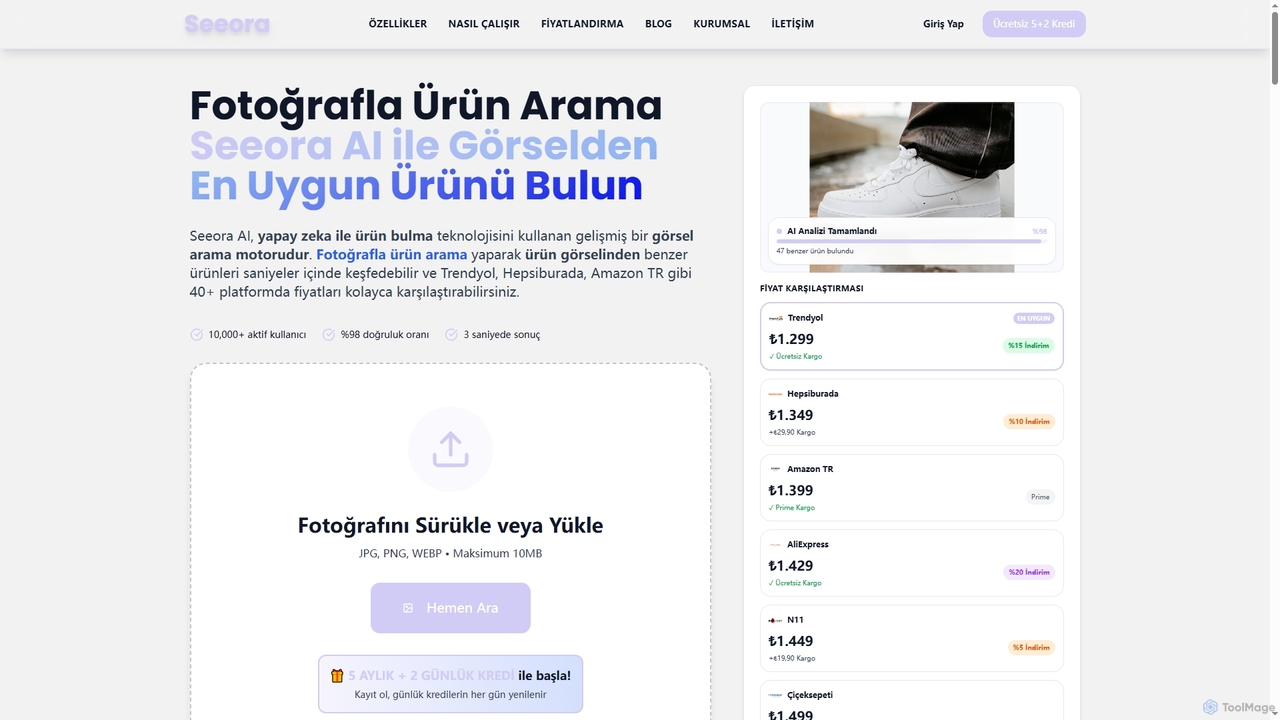
Seeora AI is an advanced AI-powered visual search engine that helps users find products by photo and compare …
Seeora AI is an advanced AI-powered visual search engine that helps users find products by photo and compare prices across over 40 e-commerce platforms, primarily focusing on the Turkish market. It offers a fast, accurate, and convenient way to discover items and secure the best deals, transforming the online shopping experience.
The Informr
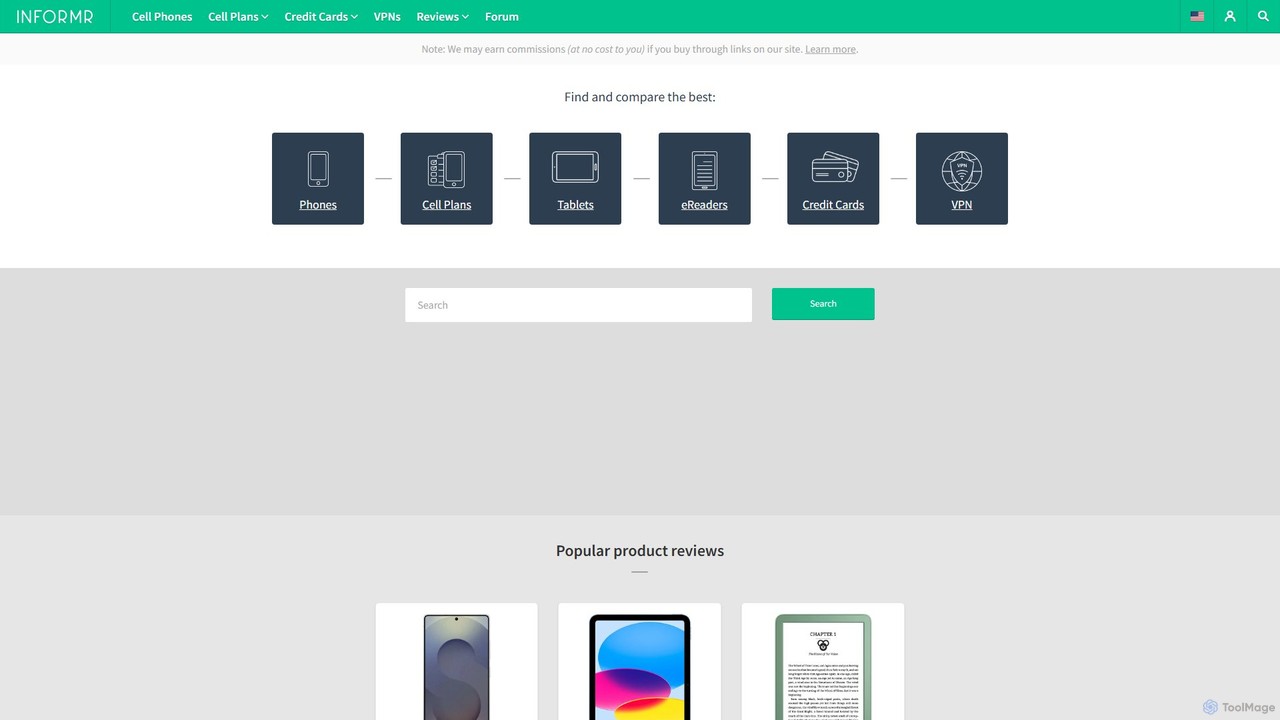
The Informr is an AI-powered comparison platform that helps users save money by making informed decisions. It provides …
The Informr is an AI-powered comparison platform that helps users save money by making informed decisions. It provides detailed, unbiased comparisons, expert reviews, and personalized recommendations for products like smartphones, credit cards, and mobile plans. By aggregating vast amounts of data, it simplifies complex choices and highlights the best deals available.
About Price Comparison
Price Comparison tools are AI-powered platforms designed for e-commerce that automatically monitor and analyze product prices across the web. These tools utilize advanced web scraping and machine learning algorithms to collect real-time data from competitors, marketplaces, and direct-to-consumer sites. They provide businesses with actionable intelligence to optimize pricing strategies, maintain a competitive edge, and maximize profitability. Advanced versions can also forecast market trends and suggest dynamic pricing adjustments based on predefined rules.
Core Features
- Real-time Price Tracking: Automatically monitors competitor prices across thousands of websites and marketplaces.
- Competitor Analysis: Identifies key competitors and analyzes their pricing strategies, stock levels, and promotional activities.
- Dynamic Repricing Rules: Allows setting automated price adjustments based on competitor actions, profit margins, and market demand.
- Historical Data & Trend Analysis: Provides access to historical pricing data to identify patterns, seasonality, and market trends.
- MAP Monitoring: Tracks and reports on resellers who violate Minimum Advertised Price (MAP) policies.
Use Cases
These tools are essential for e-commerce managers, pricing analysts, brand managers, and marketing teams. They are used to inform daily pricing decisions, plan promotional campaigns, ensure brand value by monitoring MAP compliance, and conduct comprehensive market research before launching new products.
How to Choose
When selecting a Price Comparison tool, consider the scope of data coverage (which competitors and marketplaces are tracked), the frequency of data updates (real-time vs. daily), integration capabilities with your e-commerce platform (like Shopify or Magento), the sophistication of the analytics dashboard, and the flexibility of the repricing engine.

Price ComparisonUse Cases
Optimizing Pricing for an Online Store
An e-commerce manager responsible for thousands of products uses a price comparison tool to automate competitive analysis. The tool tracks the prices of identical products from five key competitors in real-time. The manager sets up dynamic repricing rules, such as 'maintain a price 2% lower than the top competitor, but never drop below a 15% profit margin.' This system automatically adjusts prices throughout the day, ensuring the store remains competitive without constant manual intervention and preventing profit-eroding price wars.
Monitoring MAP Compliance for a Brand
A brand manager needs to ensure hundreds of online resellers adhere to the Minimum Advertised Price (MAP) policy to protect brand value. They configure a price comparison tool to scan the web daily for their products across all known reseller sites. The system automatically flags any listing priced below the MAP threshold and sends an instant alert to the manager with a screenshot and a link to the violating page. This allows the brand to quickly contact the reseller and enforce their policy, maintaining price integrity across the market.
Market Research for a New Product Launch
A product manager is planning to launch a new high-end coffee machine. Before setting a price, they use a price comparison tool to analyze the entire market landscape. They track the prices of 20 competing models over three months, observing how prices fluctuate during sales events and how different features correlate with price points. The data reveals a market gap for a machine with specific features in the $250-$300 range. This insight allows them to confidently price their new product competitively, maximizing its chances of a successful launch.
Informing Promotional Campaign Strategy
A marketing analyst is tasked with planning a Black Friday campaign. Using a price comparison tool's historical data, they analyze competitors' pricing strategies from the previous year. They identify which products were most heavily discounted, how long the promotions lasted, and which competitors initiated the price drops. This analysis helps them predict competitor moves and design a more effective promotional strategy, such as offering unique bundles instead of engaging in direct price competition on key items, thereby preserving margins while still attracting customers.
Strategic Procurement for B2B Purchasing
A procurement manager for a manufacturing company needs to source electronic components. They use a specialized price comparison tool that tracks B2B suppliers and distributors. By monitoring price fluctuations for key components over several weeks, they identify the optimal time to make a bulk purchase. The tool also provides data on volume discounts from different suppliers, allowing the manager to negotiate a more favorable long-term contract, resulting in a 7% reduction in annual component costs.
Identifying Gaps in a Crowded Market
A direct-to-consumer (DTC) startup wants to enter the competitive skincare market. They use a price comparison tool not just for prices, but for product assortment analysis. By tracking the product catalogs and pricing tiers of major competitors, they identify an underserved niche: vegan, cruelty-free anti-aging serums priced under $50. Most competitors either offer similar products at a premium price or lack the vegan certification. This data-driven insight helps them position their new product line effectively to capture a specific market segment.