Finance Best in category 2 results Comparison AI Tool

Popular AI tools in the Comparison field of Finance include The Informr、aimons, etc., helping you quickly improve efficiency.

Free
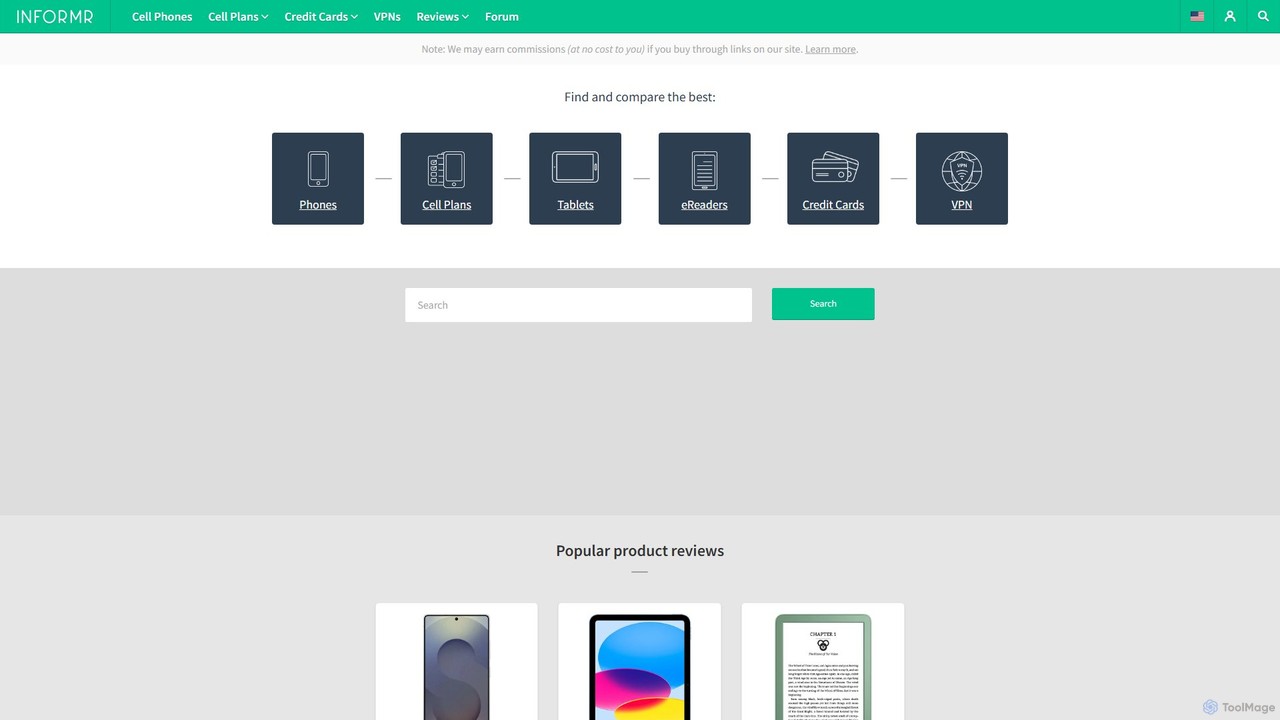
The Informr

The Informr

The Informr is an AI-powered comparison platform that helps users save money by making informed decisions. It provides …

25.6K
Free
aimons

aimons

aimons is an AI-powered discovery platform that analyzes and reviews new online casinos. It provides players with personalized …

2.5K

About Comparison

AI Comparison tools in finance are specialized platforms that use artificial intelligence to conduct in-depth analysis and side-by-side evaluations of financial products, services, or assets. Leveraging machine learning and data aggregation, these tools go beyond simple price comparisons to assess complex variables like terms, risks, fees, and suitability for a user's specific profile. They empower users to make highly informed, data-driven financial decisions by revealing subtle differences and projecting long-term value. This analytical depth helps identify the most optimal choice, not just the cheapest one.

Core Features

  • Multi-Factor Analysis: Evaluates products based on dozens of criteria including interest rates, fees, coverage terms, risk ratings, and customer reviews.
  • Personalized Recommendations: Uses a user's financial profile and goals to filter and rank options that are the best fit for their specific situation.
  • Scenario Simulation: Models the future performance and total cost of different financial options, such as loan amortization or investment growth.
  • Real-Time Data Aggregation: Continuously pulls and updates information from various sources to ensure all comparisons are based on the most current data.

Applicable Scenarios

These tools are valuable for individuals making significant financial choices like selecting a mortgage, insurance policy, or investment fund. Financial advisors use them to efficiently research and justify recommendations for clients. Businesses also utilize them to compare complex products like commercial loans, corporate credit cards, or insurance plans.

Selection Criteria

When choosing an AI Comparison tool, consider the breadth of its database (which products and providers it covers), the transparency of its comparison methodology, its data security protocols, and the sophistication of its personalization features. Ensure the tool's data sources are reputable and frequently updated for accuracy.

ComparisonUse Cases

1

Optimizing Personal Loan Selection

An individual seeking a personal loan uses an AI comparison tool to find the best offer. They input their credit score, desired loan amount, and repayment term. The tool instantly analyzes dozens of offers from various lenders. Instead of just showing the lowest Annual Percentage Rate (APR), it presents a comprehensive comparison including origination fees, prepayment penalties, and customer satisfaction scores. The AI highlights a loan with a slightly higher APR but zero fees, which results in a lower total cost over the life of the loan, enabling a smarter financial choice.

2

Comparing Investment Funds for a Portfolio

A financial advisor needs to choose between two similar Exchange-Traded Funds (ETFs) for a client's portfolio. Using an AI comparison tool, they upload the tickers for both funds. The AI generates a side-by-side report comparing not just historical returns, but also expense ratios, portfolio composition, sector allocation, risk metrics like the Sharpe ratio, and tracking error. The tool's analysis reveals that one ETF has a slightly lower expense ratio and better risk-adjusted returns, providing clear, data-backed evidence for the advisor's recommendation to the client.

3

Selecting the Right Business Insurance Policy

A small business owner needs to secure liability insurance. They use an AI comparison tool to evaluate policies from multiple insurers. The owner inputs their industry, annual revenue, and number of employees. The AI tool then compares quotes not just on premium cost, but also on crucial details like coverage limits, policy exclusions, deductible amounts, and the insurer's financial strength rating. The platform highlights a policy that is slightly more expensive but offers significantly broader coverage for industry-specific risks, preventing potential underinsurance and saving the owner hours of manual research.

4

Finding the Best Mortgage Rate and Terms

A first-time homebuyer is overwhelmed by the complexity of mortgage options. They use an AI comparison platform, providing their income, down payment, and desired property value. The AI analyzes various loan types (e.g., 30-year fixed, 15-year fixed, ARM) from multiple lenders. It generates a clear comparison table showing not only interest rates and monthly payments but also closing costs and a simulation of the total interest paid over the loan's lifetime. This allows the buyer to see that a 15-year mortgage, while having a higher monthly payment, would save them over $100,000 in interest, facilitating a more informed long-term decision.

5

Maximizing Credit Card Rewards

A frequent traveler wants to find a credit card that maximizes their rewards. They input their monthly spending habits across categories like dining, groceries, and travel into an AI comparison tool. The AI engine processes this data and compares hundreds of credit cards. It calculates the potential annual rewards value for each card after subtracting annual fees. The tool recommends a card that isn't the most advertised, but its rewards structure perfectly aligns with the user's spending, projecting an annual net benefit of $750, far exceeding their current card's value.

6

Benchmarking Stock Performance Against Peers

An investor is considering buying shares in a technology company but wants to see how it stacks up against its main competitors. They use an AI financial comparison tool and input the stock tickers of the target company and three of its rivals. The platform generates a dynamic dashboard comparing them on key financial metrics like P/E ratio, revenue growth, profit margins, and debt-to-equity ratio. It also aggregates recent analyst ratings and news sentiment. The comparison reveals that while the target company has strong growth, its profitability lags behind a key competitor, prompting the investor to do more research before committing capital.

ComparisonFrequently Asked Questions