ToolMage
Sign in

Best 15 Gaming AI tools for Entertainment

Popular Gaming AI tools in Entertainment include Chai, PixelChat, SupaFriends, RolePlai, Kuki, Kamoto.AI, Podcut, ai_oreo, Nurmonic, and MidReal, helping you work more efficiently.

Nurmonic
Freemium

Nurmonic

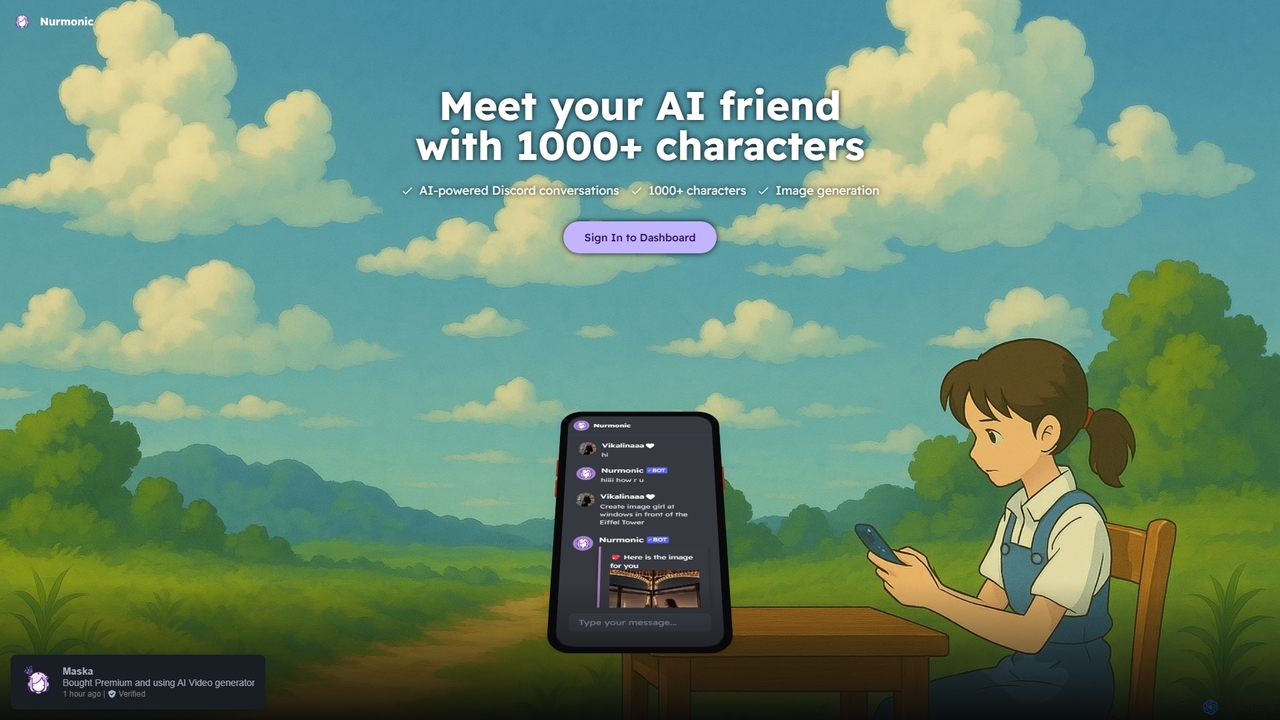
Nurmonic is an AI-powered companion and creative tool for Discord. Engage in dynamic conversations with over 1000 unique AI characters, or generate stunning images directly within your chat. It's designed to enhance community engagement, provide entertainment, and spark creativity.

Ai Companions
Visits 5.6KFavorites 148Likes 117
SupaFriends
Freemium

SupaFriends

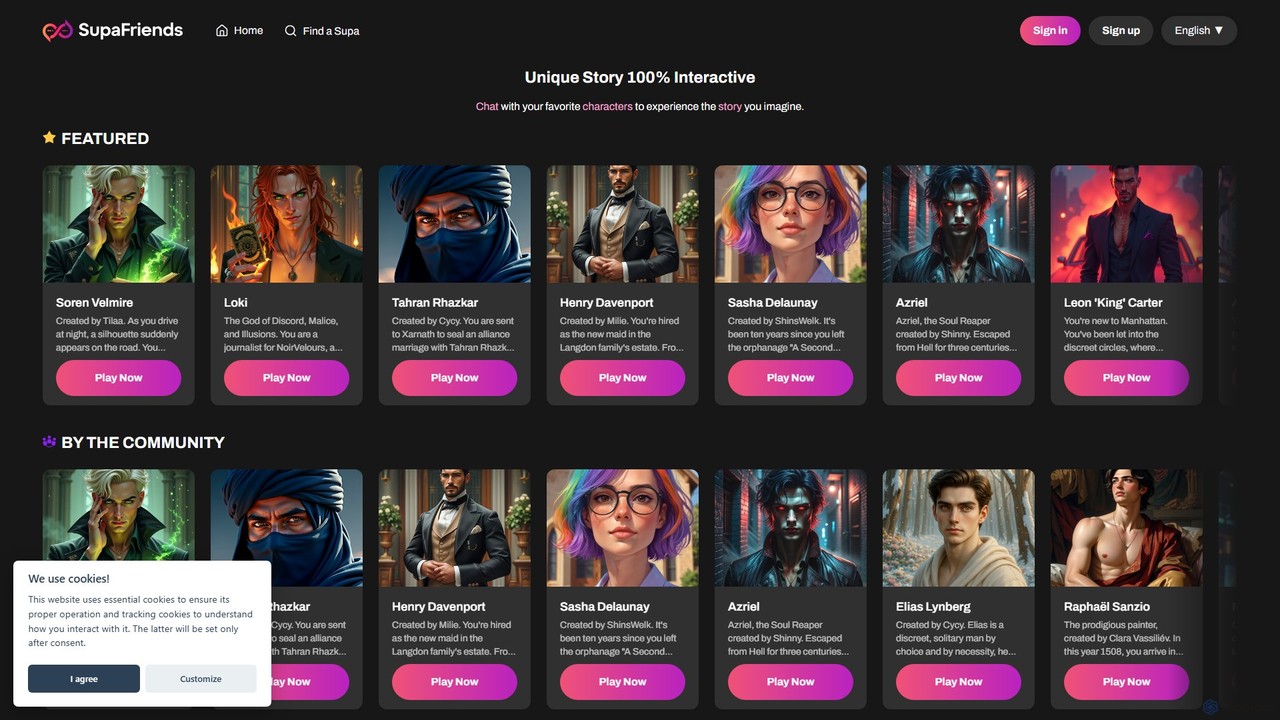
SupaFriends is an innovative AI platform for immersive romantic role-playing. Engage in interactive chats with a diverse cast of fictional characters, from vampires and werewolves to historical figures, and shape your own unique love story through dynamic conversations.

Role Playing
Visits 73.6KFavorites 145Likes 134
RolePlai
Freemium

RolePlai

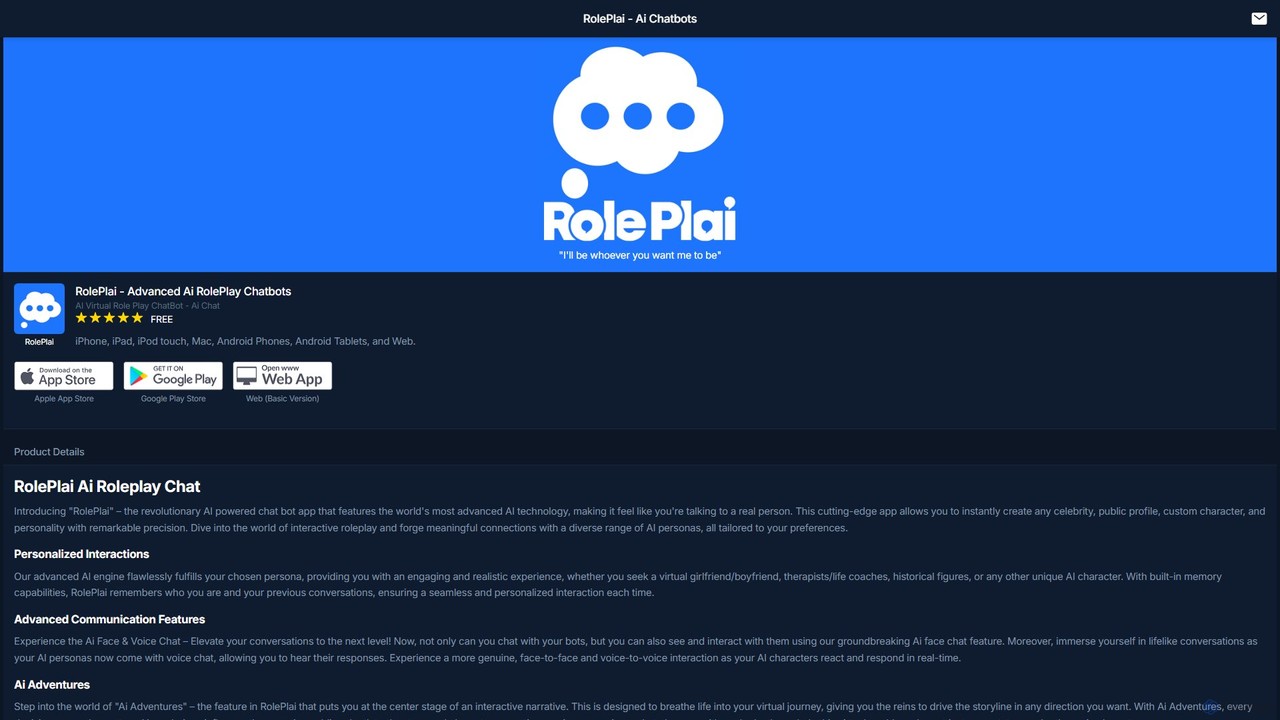
RolePlai is an advanced AI role-playing chatbot app that lets you create and interact with any character imaginable. It features lifelike conversations with memory, voice and face chat, AI art generation, and interactive adventures. With a strong focus on privacy, Version 5 stores all data on your device, giving you full control.

Role Playing
Visits 68.7KFavorites 94Likes 91
TicoP SGP Prediction
Free

TicoP SGP Prediction

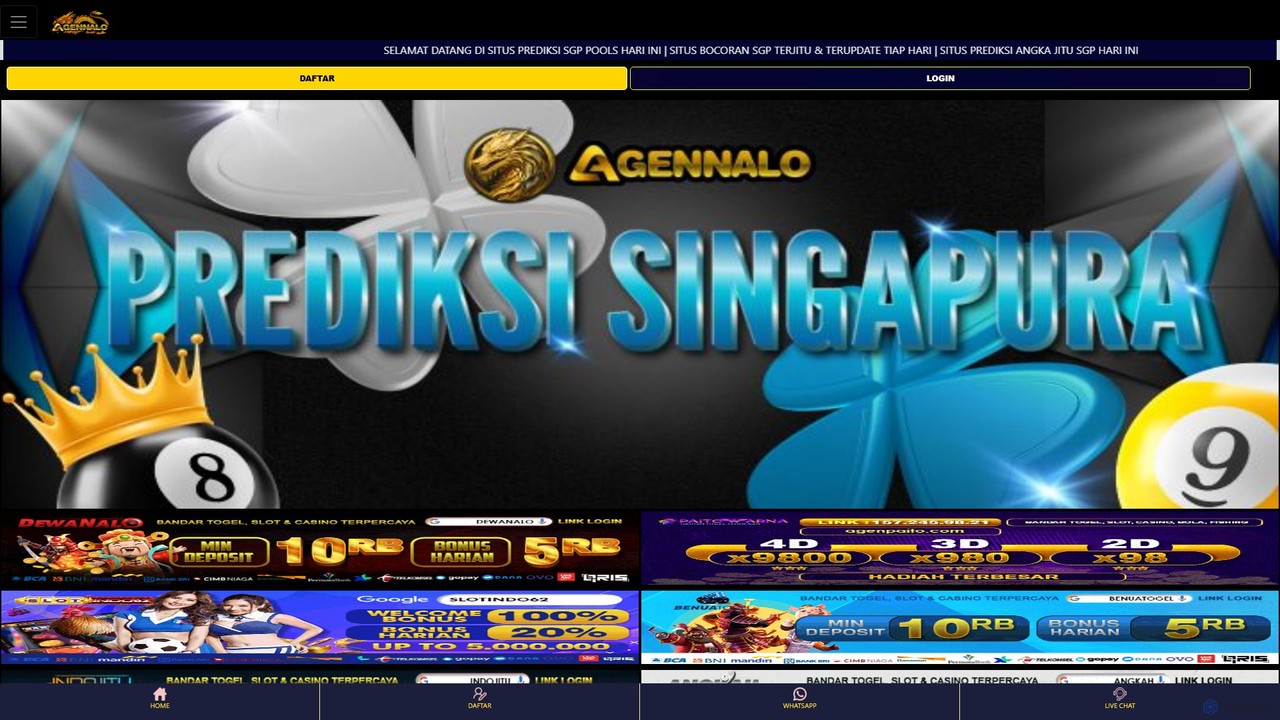
TicoP SGP Prediction is an AI-powered analytical platform designed for lottery enthusiasts. It leverages historical data and predictive algorithms to generate insightful number predictions for the Singapore Pools (SGP) lottery. The tool aims to provide a data-driven approach to number selection, moving beyond simple chance.

Analytics
Visits 5.2KFavorites 152Likes 162
Paris77
Freemium

Paris77

Paris77 is an AI-enhanced online entertainment platform specializing in dynamic slot gaming experiences. It utilizes artificial intelligence to provide personalized game recommendations, ensure fair play through certified algorithms, and deliver a secure, engaging, and customized user journey for gaming enthusiasts.

Gaming
Visits 5.1KFavorites 128Likes 113
Podcut
Freemium

Podcut

Podcut is an AI-powered analytics and prediction platform designed for the sports and gaming entertainment industry. It leverages advanced machine learning models to deliver real-time insights, predictive analytics for game outcomes, and personalized content recommendations. Podcut empowers both operators and enthusiasts to make data-driven decisions, optimize strategies, and enhance user engagement through powerful, automated intelligence.

Predictive Modeling
Visits 5.8KFavorites 135Likes 122
Kuki
Freemium

Kuki

Kuki is an award-winning AI companion designed for engaging, human-like conversations. Available across multiple platforms, it serves as a personal friend, entertainer, and a scalable virtual brand ambassador for businesses seeking to enhance customer interaction.

Ai Companion
Visits 47.8KFavorites 123Likes 117
MythicMyth
Freemium

MythicMyth

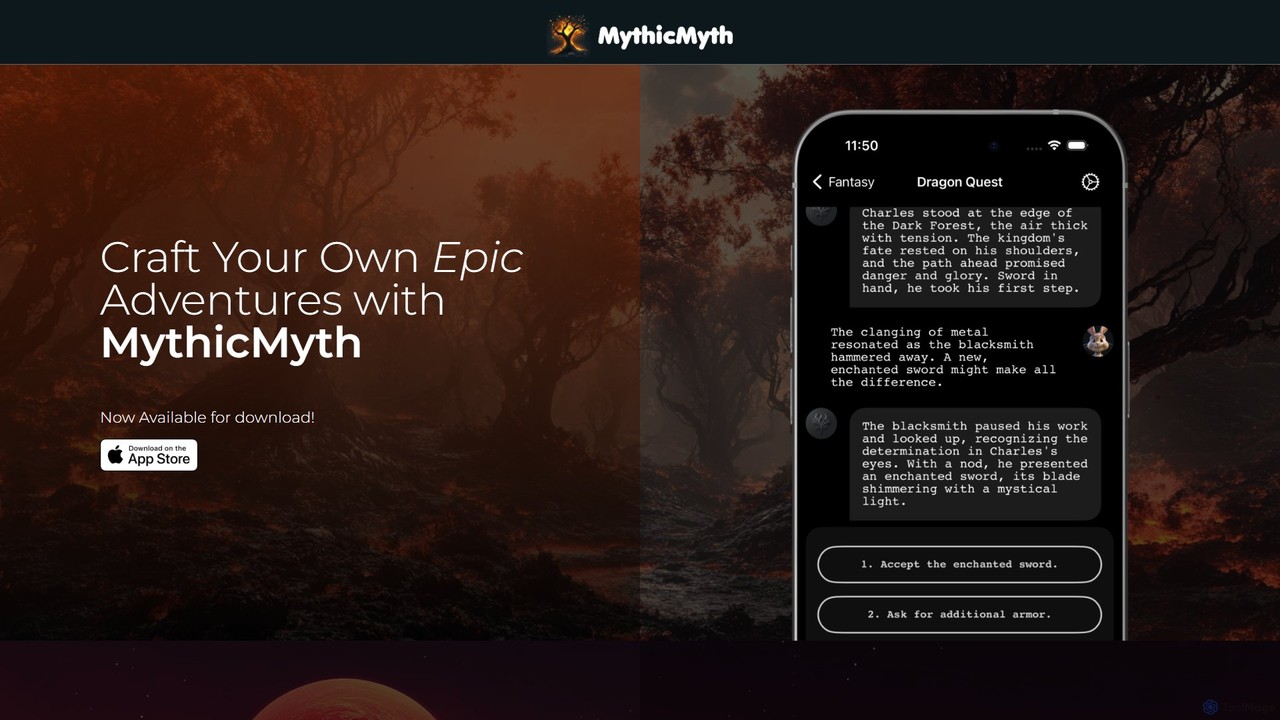
MythicMyth is an AI-powered interactive storytelling platform that generates unique, captivating adventures based on your choices. Explore diverse scenarios, from romance to entrepreneurship, and shape your own epic saga with extensive personalization options.

Writing
Visits 5.1KFavorites 141Likes 144
Chai
Freemium

Chai

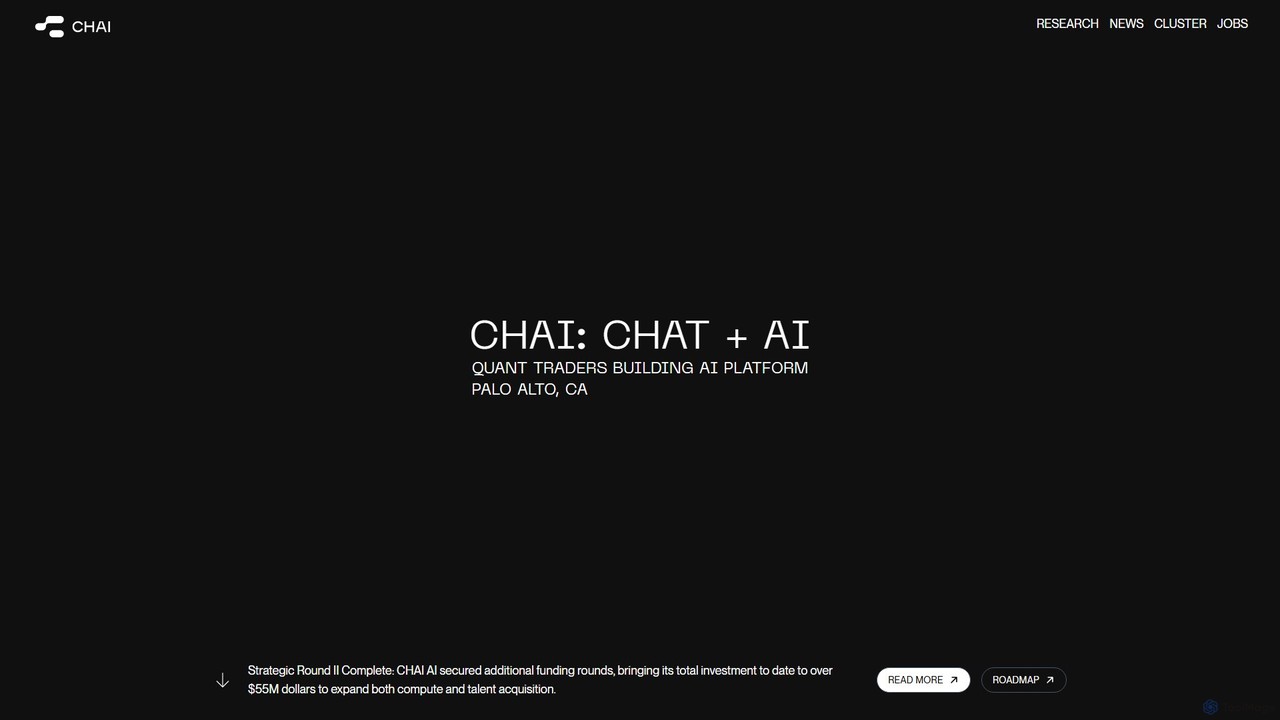
Chai is a leading conversational AI platform focused on entertainment and social interaction. It allows users to chat with a vast array of AI characters and provides a robust platform for developers to build, deploy, and refine their own large language models (LLMs) with feedback from millions of users.

Platform
Visits 1.3MFavorites 133Likes 123
ai_oreo
Free

ai_oreo

ai_oreo is an AI-powered analysis platform that provides data-driven rankings and in-depth reviews of online entertainment and gaming platforms. It uses intelligent algorithms to assess safety, reliability, user experience, and value, helping users make informed decisions and discover trustworthy sites.

Recommendation Engine
Visits 5.7KFavorites 134Likes 153
aimons
Free

aimons

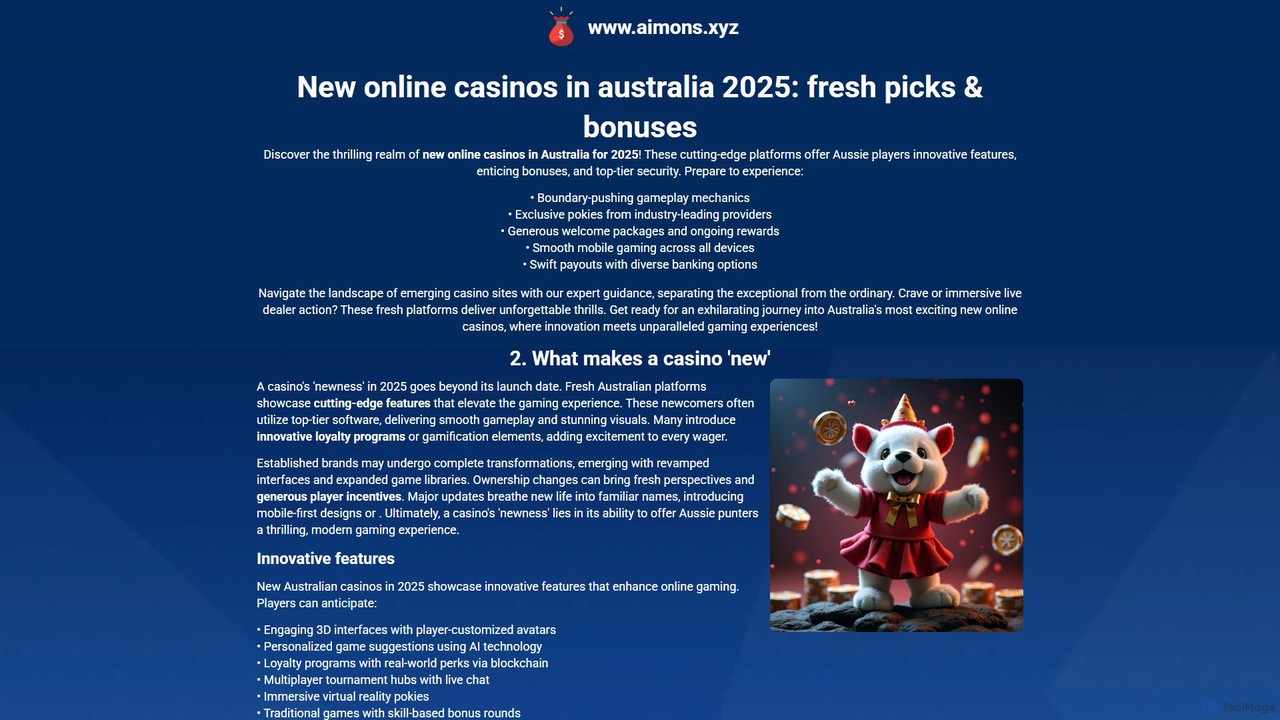
aimons is an AI-powered discovery platform that analyzes and reviews new online casinos. It provides players with personalized recommendations, in-depth security assessments, and comparisons of bonuses and games, helping them find trustworthy and rewarding gaming experiences.

Gaming
Visits 5.1KFavorites 147Likes 157
PixelChat
Freemium

PixelChat

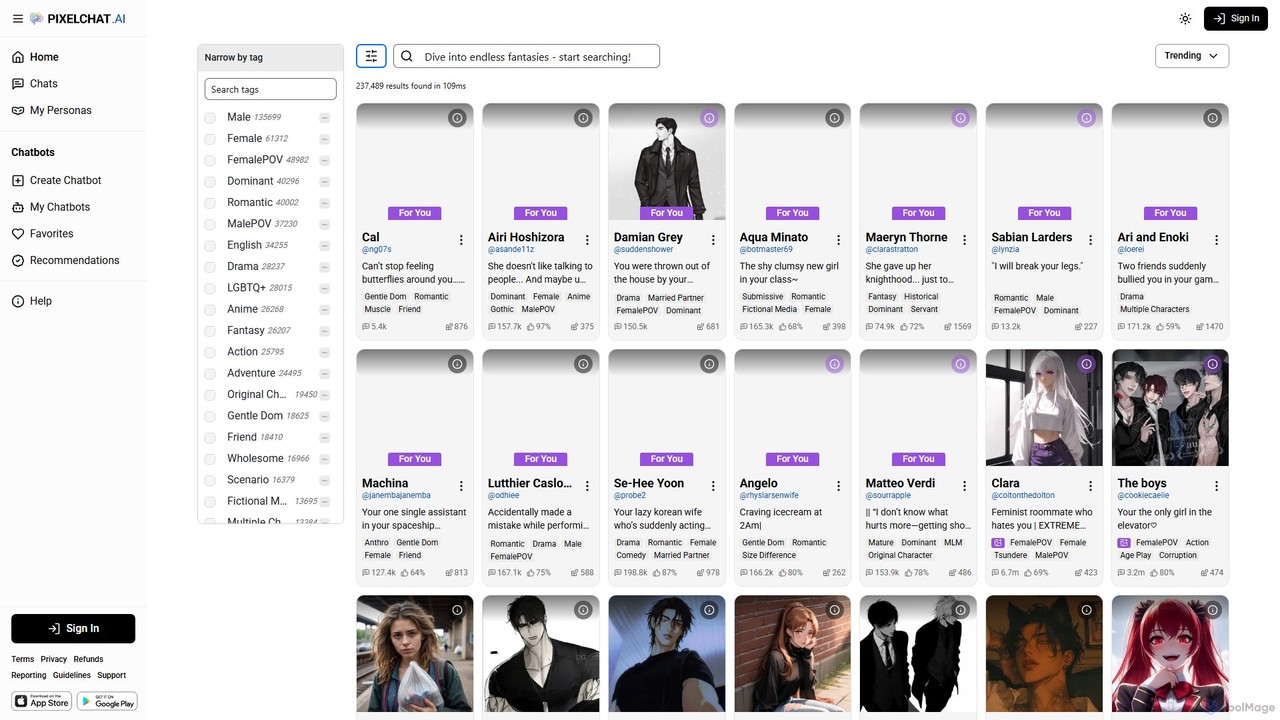
PixelChat is an advanced AI roleplay chat platform specializing in fantasy and immersive storytelling. Engage with a vast library of diverse AI characters, from romantic partners to fantasy villains, or create your own unique AI companions. The platform offers detailed filtering to find your perfect scenario.

Character Chat
Visits 1.1MFavorites 133Likes 136
MidReal
Freemium

MidReal

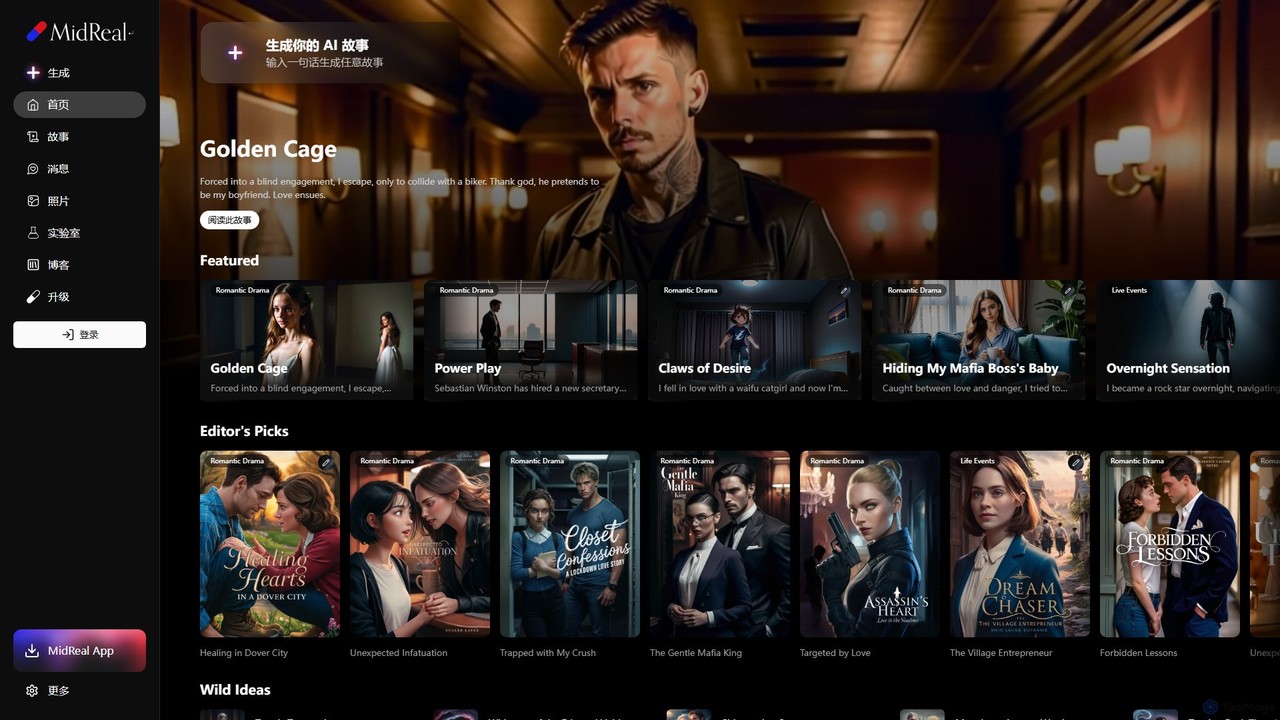
MidReal is an AI-powered story generator that transforms simple prompts into immersive, interactive narratives. It supports a wide range of genres, character creation, and a collaborative community. Beyond text, MidReal Labs explores generative AI for images, video, and chat, making it a versatile creative platform for writers, gamers, and hobbyists.

Idea Generation
Visits 5.5KFavorites 157Likes 157
Vavada Casino
Freemium

Vavada Casino

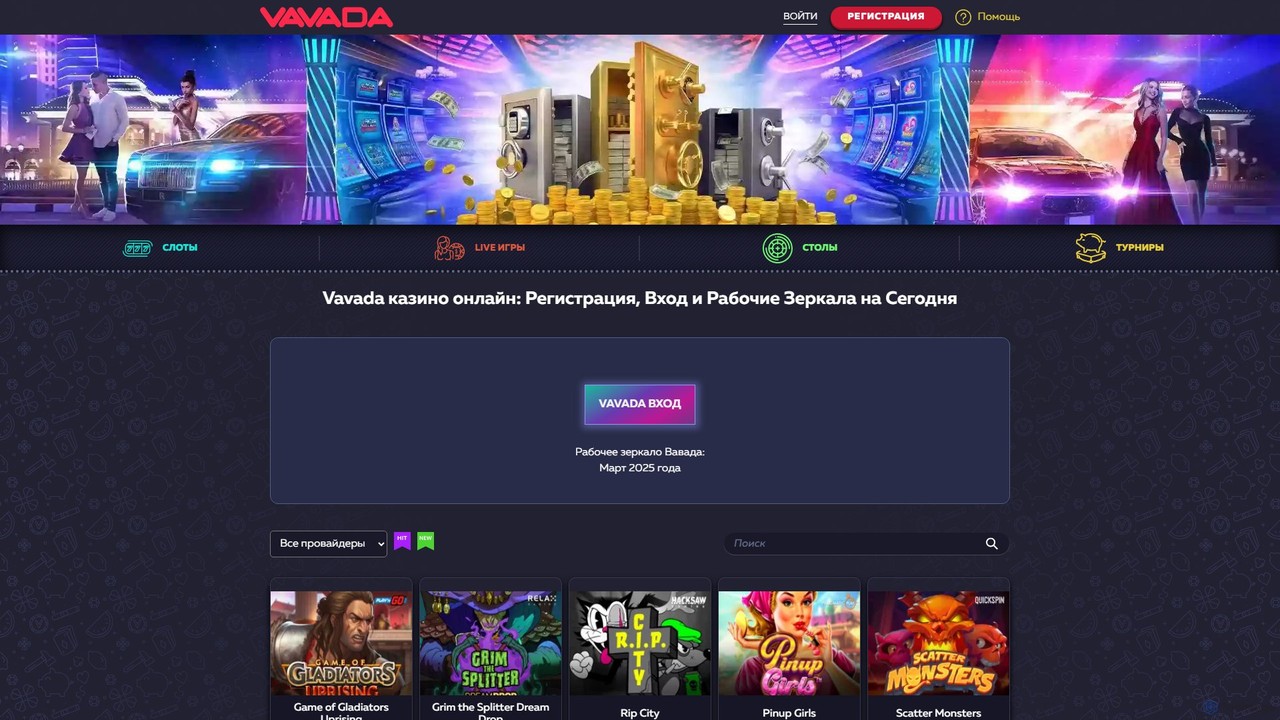
Vavada Casino is a premier online gaming platform established in 2017, offering a massive library of over 4,500 games. Licensed by Curaçao, it provides a secure and fair environment with generous bonuses, regular tournaments, a multi-level loyalty program, and fast, verification-free withdrawals, accessible on both desktop and mobile devices.

Gaming
Visits 5KFavorites 138Likes 135
Kamoto.AI
Freemium

Kamoto.AI

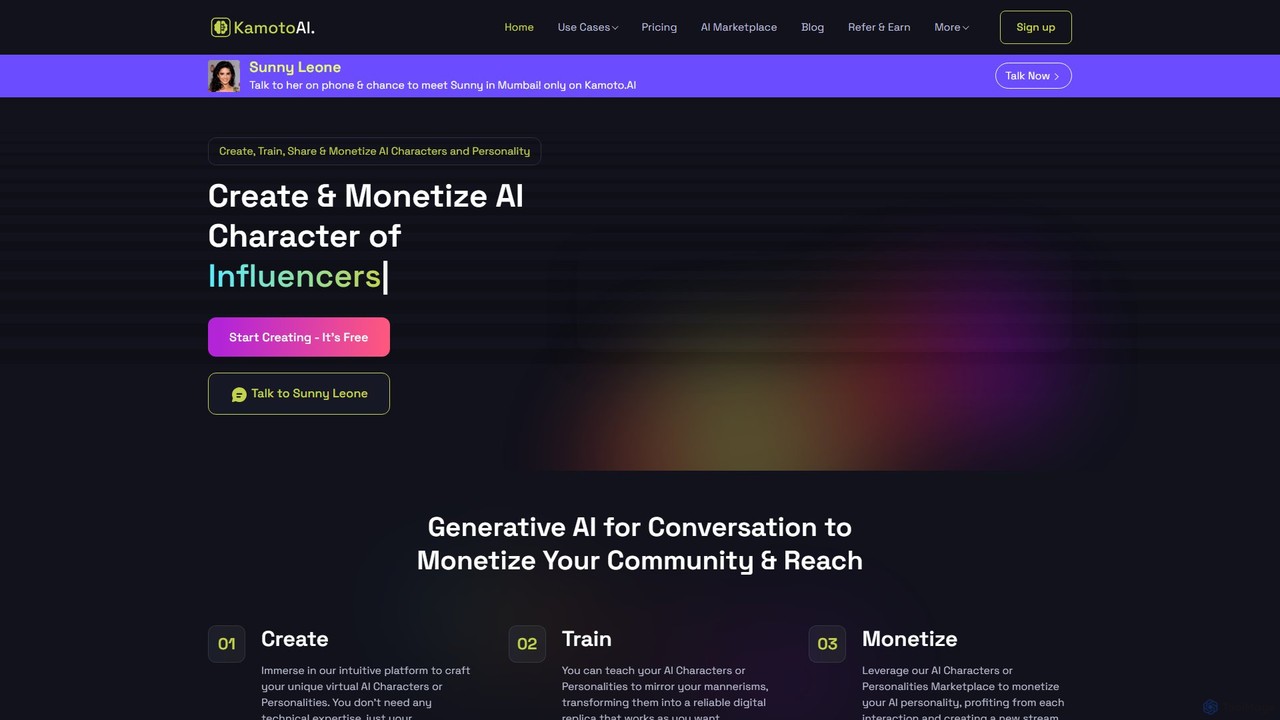
Kamoto.AI is a powerful no-code platform that enables users to create, train, share, and monetize unique AI characters and personalities. It's designed for a wide range of users, from individuals and influencers to game developers and businesses, allowing them to build digital replicas, engaging NPCs, or brand ambassadors. The platform features an intuitive creation process, a marketplace for monetization, and API integration for seamless use in other applications.

Ai Chatbot
Visits 6.1KFavorites 135Likes 137

About Gaming

AI Gaming tools are a specialized class of software that leverages artificial intelligence to assist in the creation, enhancement, and analysis of video games. These tools utilize advanced algorithms like generative adversarial networks (GANs) and procedural content generation (PCG) to automate and augment various aspects of game development. They empower developers to generate game assets, design intelligent NPC behaviors, and create dynamic game worlds with greater efficiency. This technology accelerates production timelines and enables the creation of more complex and engaging player experiences.

Core Features

  • Game Asset Generation: Creates 2D/3D models, textures, sprites, and concept art from text or image inputs.
  • Intelligent NPC Behavior: Develops non-player characters with dynamic decision-making, pathfinding, and realistic dialogue.
  • Procedural Content Generation (PCG): Automatically generates game levels, maps, quests, and entire worlds, ensuring unique playthroughs.
  • Game Balancing & Testing: Simulates gameplay to identify exploits, balance difficulty, and automate quality assurance tasks.
  • AI-Powered Narrative & Dialogue: Generates branching storylines, character backstories, and responsive in-game conversations.

Use Cases

These tools are primarily used by game developers, from solo indie creators to large AAA studios. Narrative designers use them to craft complex stories, 3D artists to rapidly prototype assets, and level designers to build expansive worlds. Quality assurance (QA) teams also employ AI to automate repetitive testing processes, ensuring a more polished final product.

How to Choose

When selecting an AI Gaming tool, consider its specific function—whether you need asset generation, NPC logic, or level design. Evaluate its integration capabilities with major game engines like Unity or Unreal Engine. Assess the quality and style of the generated content to ensure it matches your game's aesthetic. Finally, compare pricing models, such as subscriptions or credit-based systems, to find one that fits your project's budget.

Featured tool rankings

Gaming use cases

1

Rapid Prototyping of Game Concepts

An indie game developer with a limited budget needs to validate a new game idea quickly. Instead of spending weeks manually creating concept art and basic level mockups, they use AI gaming tools. By inputting simple text descriptions like 'cyberpunk warrior with a plasma sword' or 'enchanted forest level with glowing mushrooms,' the developer generates dozens of visual concepts and basic 3D level layouts in hours. This allows them to create a playable prototype much faster, test core mechanics, and secure funding or community feedback early in the development cycle.

2

Generating Diverse In-Game Assets

A 3D artist working on a large open-world RPG needs to create hundreds of unique environmental assets, such as potion bottles, treasure chests, and wall textures. Manually modeling and texturing each one is time-consuming. The artist uses an AI asset generator to produce a wide variety of assets based on style guides. For example, they can generate 50 variations of 'elven-style potion bottles' or 'dwarven-style stone textures'. The AI provides a base model or texture which the artist can then refine and polish, reducing repetitive work by over 70% and allowing them to focus on creating key, high-detail hero assets.

3

Developing Dynamic NPC Dialogue

A narrative designer for a detective game wants to create a world where every NPC feels alive and has unique information. Writing unique dialogue for hundreds of characters is a monumental task. The designer uses an AI dialogue tool, providing it with character profiles, plot points, and emotional states. The AI generates extensive, branching dialogue trees for each NPC that are consistent with their personality. This allows players to have non-repetitive conversations and uncover clues organically. The designer then reviews and edits the AI-generated text, focusing on creative direction rather than bulk writing.

4

Procedural Generation of Game Worlds

A small development team is creating a space exploration game with a goal of having thousands of unique planets. Manually designing each planet is impossible. They use a procedural content generation (PCG) tool powered by AI. By setting parameters like 'gas giant with ammonia clouds' or 'rocky desert planet with deep canyons,' the tool generates entire planets, including terrain, textures, and placement of resources. The AI ensures that the generated worlds are not only varied but also adhere to a set of logical rules, creating believable and explorable environments at a scale that would otherwise be unattainable for the team.

5

Automated Game Testing and Balancing

A Quality Assurance (QA) team for a competitive multiplayer game needs to ensure the game is balanced and free of critical bugs before launch. Manually testing every character combination and strategy is impossible. The team deploys AI agents that learn to play the game. These agents run thousands of matches overnight, exploring different strategies, testing character abilities, and trying to 'break' the game. The data collected helps the developers identify overpowered strategies, balance character stats, and find rare bugs that human testers might miss, leading to a much more stable and fair launch.

6

AI Voice Acting for Minor Characters

A small studio developing a story-rich RPG wants to have a fully voiced cast but lacks the budget to hire voice actors for every minor shopkeeper, guard, and villager. They use an AI voice generation tool to create unique, high-quality voices for these non-critical roles. The developers can specify a character's age, gender, accent, and emotional tone to generate dialogue lines. This approach saves significant costs and logistical effort associated with recording sessions, while still providing a more immersive world where even minor characters have a distinct voice, enhancing the overall player experience.

Gaming FAQ

What are AI Gaming tools?

AI Gaming tools are specialized software applications that use artificial intelligence to assist in the video game development process. Unlike AI that plays games, these tools are for creators. They help automate and enhance tasks such as generating game assets (characters, environments), creating intelligent NPC behavior and dialogue, procedurally generating levels, and automating game testing. Their primary purpose is to accelerate development, reduce repetitive work, and enable developers to create more complex and dynamic gaming experiences.

How to choose the right AI Gaming tool?

Choosing the right AI Gaming tool depends on your specific development needs. Consider the following factors:

  • Primary Function: Identify your main goal. Do you need to generate 2D textures, 3D models, character dialogue, or entire game levels? Choose a tool specialized for that task.
  • Engine Integration: Check if the tool integrates smoothly with your game engine, such as Unity or Unreal Engine. Good integration can save significant time in importing and using assets.
  • Art Style and Quality: Evaluate the output of the tool. Does its aesthetic match your game's vision? Look for tools that offer customization and control over the final result.
  • Ease of Use and Cost: Consider the tool's learning curve and your team's technical skills. Compare pricing models (e.g., subscription, pay-per-use) to find one that aligns with your project budget.
What's the difference between AI Gaming tools and general AI Art Generators?

The main difference lies in their specialization and output format. General AI Art Generators are designed for broad creative purposes, producing high-resolution images, illustrations, and artistic pieces. AI Gaming tools, while sometimes using similar technology, are specifically tailored for game development workflows. They often generate assets in game-ready formats, such as tileable textures, sprite sheets for 2D animation, or 3D models with appropriate topology. Furthermore, the 'Gaming' category includes tools beyond art, such as AI for NPC behavior, level design, and game balancing, which are not features of general art generators.

Can AI replace game developers and artists?

AI is generally viewed as an assistive tool rather than a replacement for human creativity in game development. It excels at automating repetitive and time-consuming tasks, such as generating asset variations or running thousands of test simulations. This frees up developers and artists to focus on higher-level creative challenges, such as core game design, narrative direction, and creating unique 'hero' assets. While AI can generate content, it still requires human direction, curation, and integration to create a cohesive and compelling game. The role of developers is shifting towards creative direction and leveraging AI as a powerful collaborator.

What skills are needed to use AI Gaming tools effectively?

While many tools are becoming more user-friendly, effective use still benefits from a combination of skills. Technical skills, such as understanding game engine workflows (Unity/Unreal) and basic scripting, are helpful for integration. Creative skills are crucial for writing effective prompts for asset generation and for guiding AI in narrative or design tasks. A strong artistic or design sense is necessary to curate and refine AI-generated content to fit a specific vision. Finally, critical thinking is essential to understand the limitations of the AI, identify when its output is useful, and know when manual intervention is required for best results.