Openfabric
Openfabric is a decentralized Layer-1 blockchain protocol designed for building, connecting, and monetizing AI applications. It creates a …
Openfabric is a decentralized Layer-1 blockchain protocol designed for building, connecting, and monetizing AI applications. It creates a planetary-scale network that unites AI innovators, data providers, infrastructure providers, and users in a collaborative and fair marketplace, aiming to make AI accessible to everyone.
Nventr
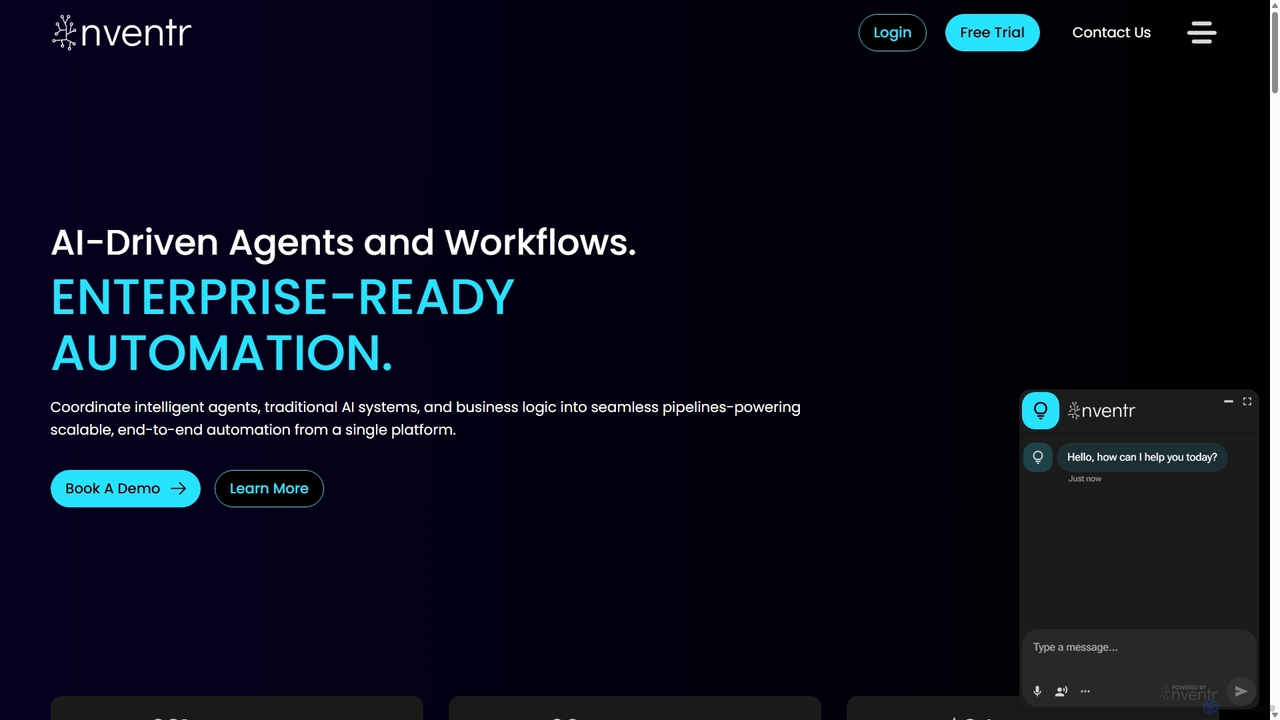
Nventr is an enterprise-ready AI platform for intelligent automation. It unifies AI agents, machine learning models, and business …
Nventr is an enterprise-ready AI platform for intelligent automation. It unifies AI agents, machine learning models, and business logic into scalable, end-to-end workflows. Specializing in Intelligent Document Processing (IDP), predictive analytics, and fraud detection, it empowers businesses to transform complex operations and drive efficiency.
aicamp
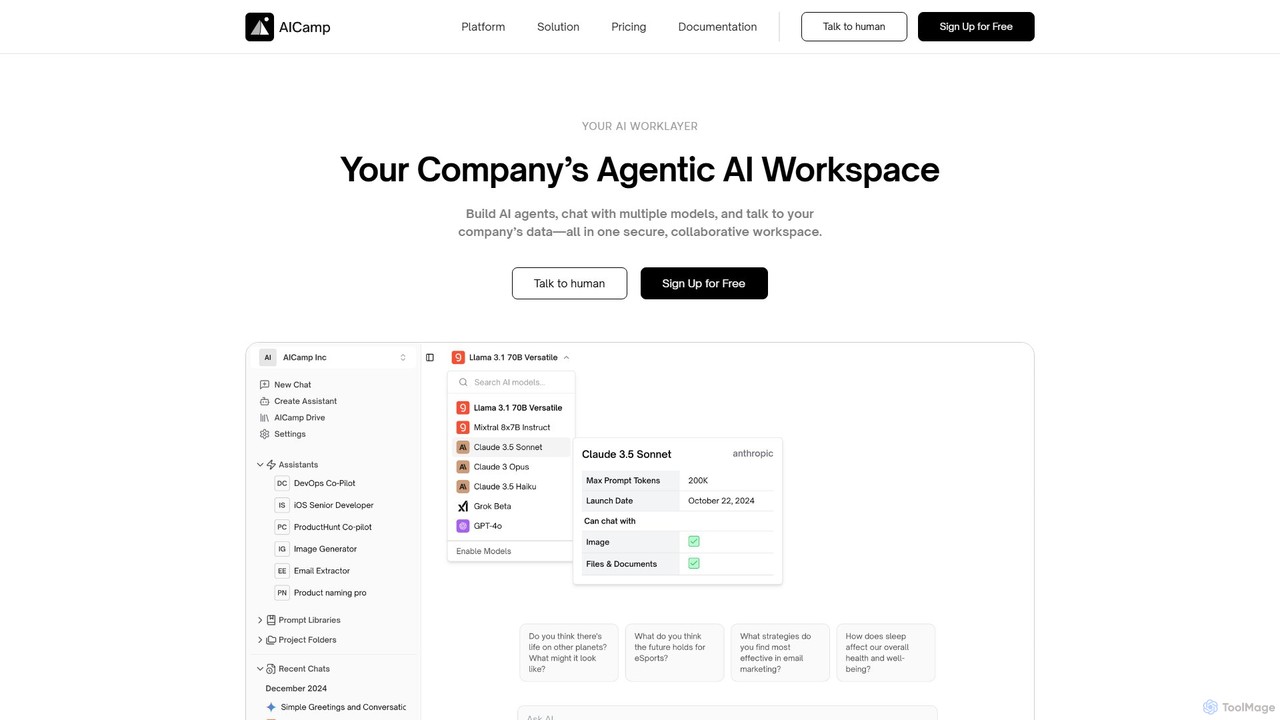
aicamp is a secure, collaborative AI workspace designed for teams. It allows businesses to build custom AI agents, …
aicamp is a secure, collaborative AI workspace designed for teams. It allows businesses to build custom AI agents, chat with multiple leading LLMs (like GPT, Claude, Gemini), and interact with internal company data—all within a single, unified platform that prioritizes security and team productivity.
FydeOS
FydeOS is a fast, secure, and simple cloud-first operating system based on Chromium OS. It seamlessly integrates AI …
FydeOS is a fast, secure, and simple cloud-first operating system based on Chromium OS. It seamlessly integrates AI for a smarter user experience and supports Web, Android, and Linux applications. Ideal for revitalizing old hardware, enterprise device management, and privacy-conscious users seeking a ChromeOS alternative.
Cloudera
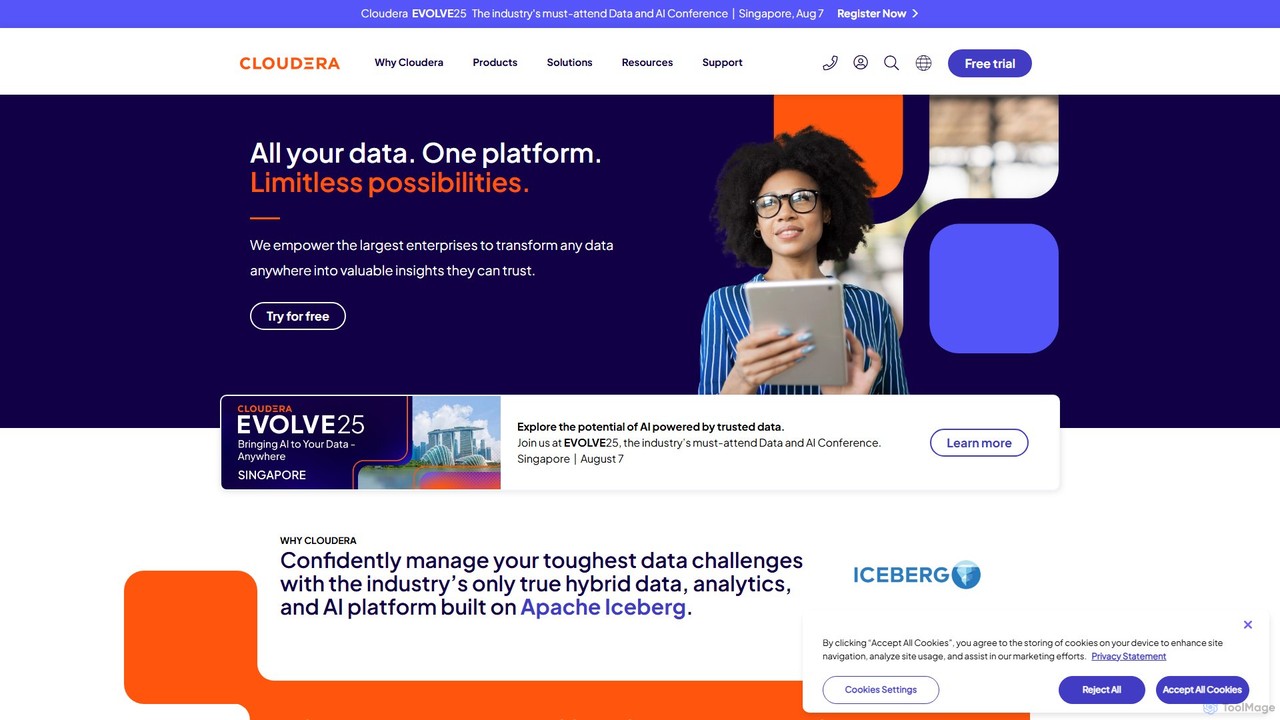
Cloudera is a hybrid data platform that enables enterprises to manage and analyze data across any environment, from …
Cloudera is a hybrid data platform that enables enterprises to manage and analyze data across any environment, from on-premises to public clouds. It provides a unified suite of tools for data engineering, data warehousing, operational databases, and machine learning, empowering data-driven decisions and AI applications at scale.
Scale AI
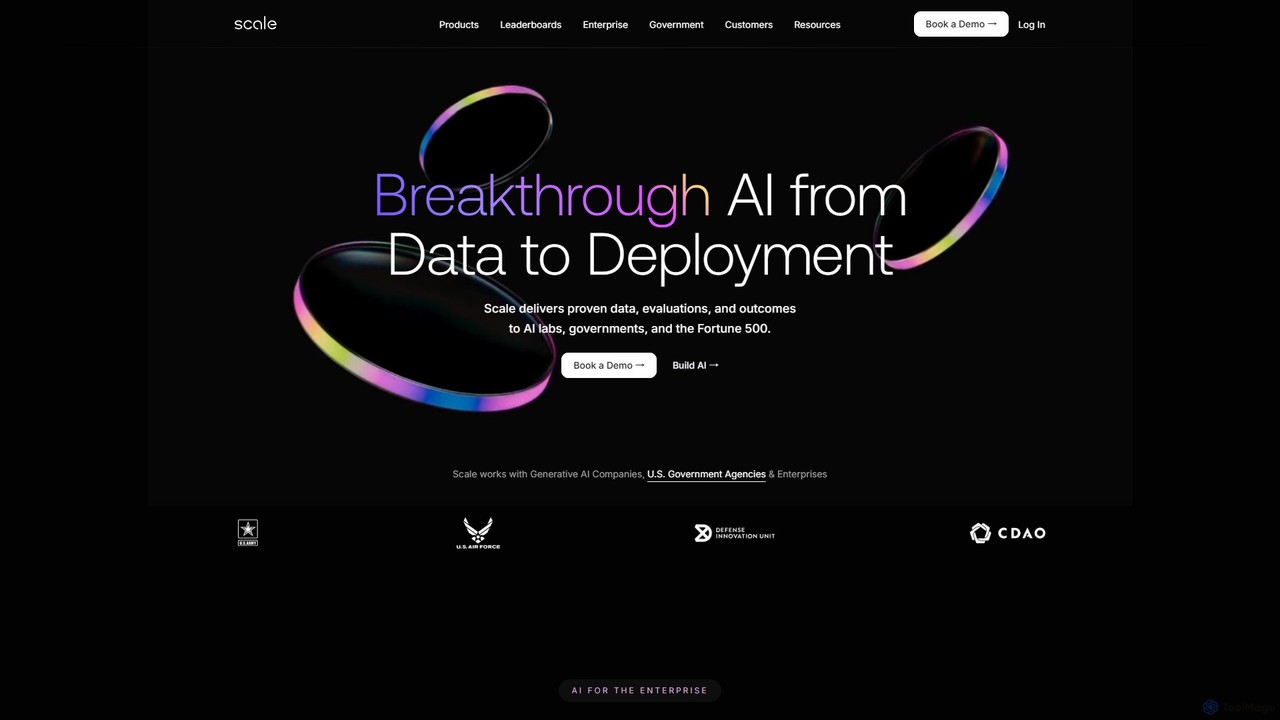
Scale AI is a full-stack platform that accelerates AI development by providing high-quality data, model evaluation, and fine-tuning …
Scale AI is a full-stack platform that accelerates AI development by providing high-quality data, model evaluation, and fine-tuning services. It caters to leading AI labs, enterprises, and government agencies, offering a comprehensive Data Engine for RLHF, data labeling, and generation to power advanced generative AI and LLMs.
Chai
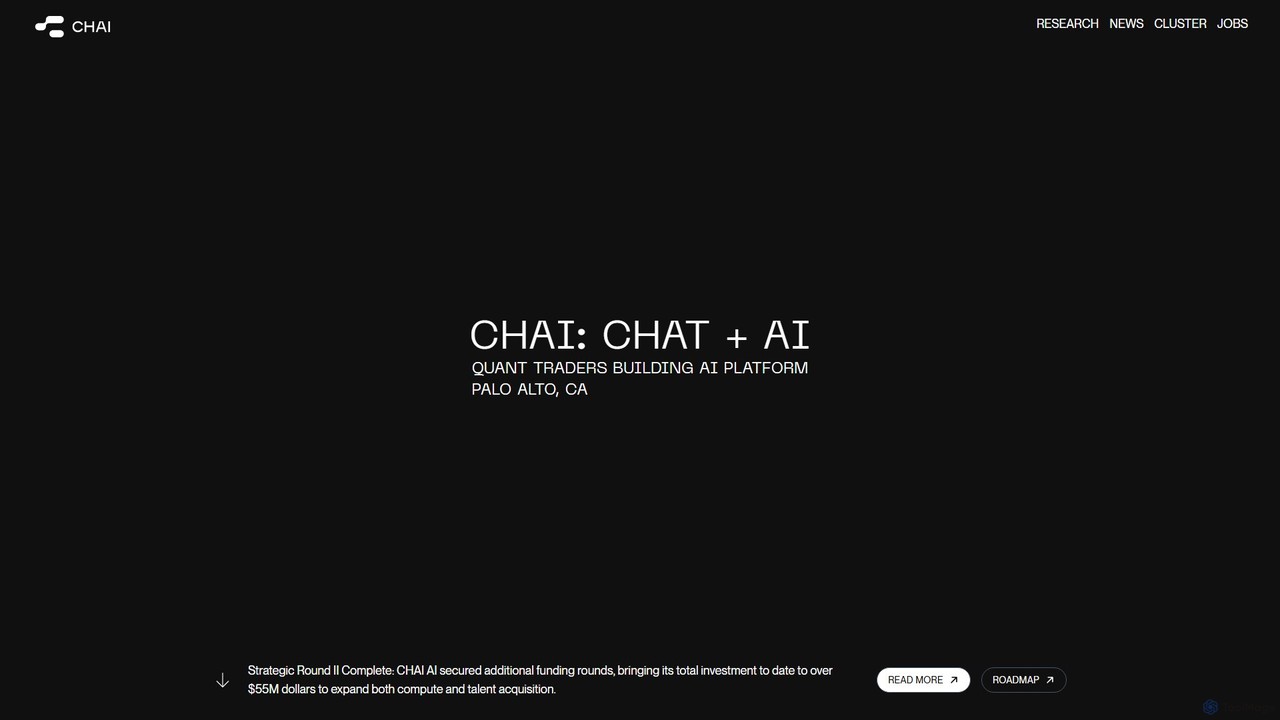
Chai is a leading conversational AI platform focused on entertainment and social interaction. It allows users to chat …
Chai is a leading conversational AI platform focused on entertainment and social interaction. It allows users to chat with a vast array of AI characters and provides a robust platform for developers to build, deploy, and refine their own large language models (LLMs) with feedback from millions of users.
Neon AI
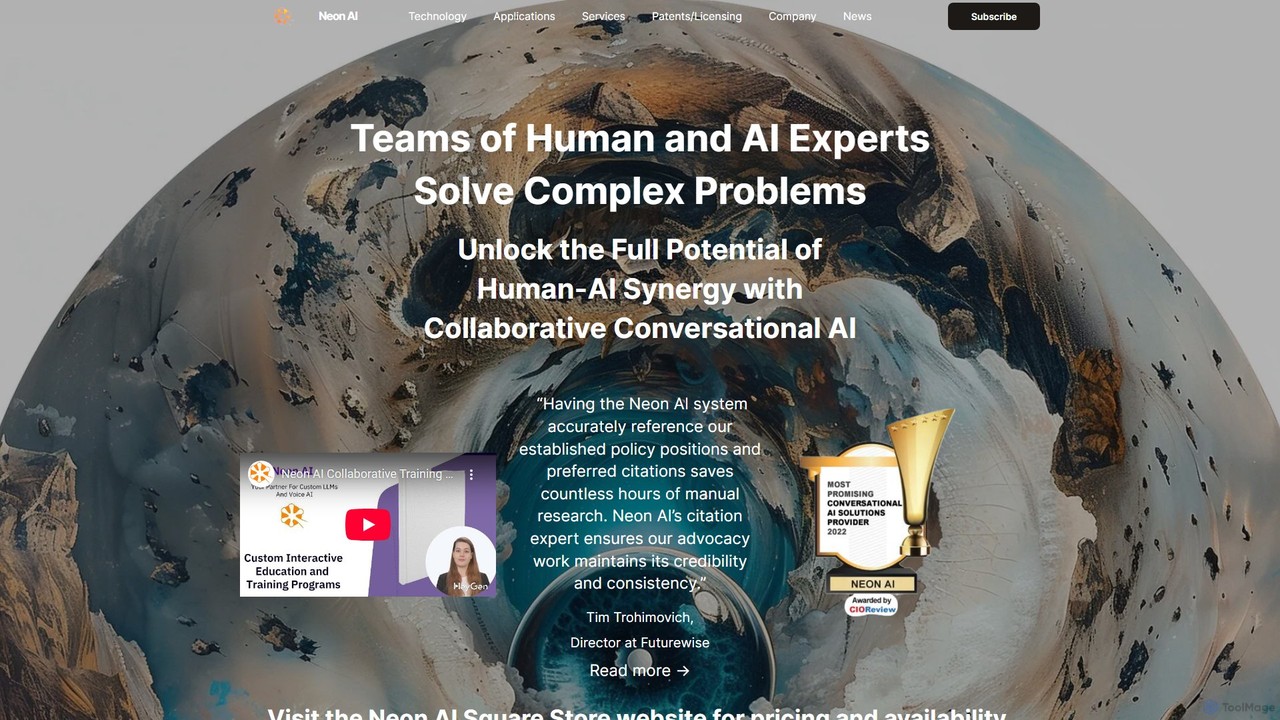
Neon AI is an advanced open-source platform for creating collaborative conversational AI applications. It specializes in building custom, …
Neon AI is an advanced open-source platform for creating collaborative conversational AI applications. It specializes in building custom, private large language models (LLMs) and voice assistants that can be deployed on-premises, ensuring data security. It fosters synergy between human experts and multiple AI agents for complex problem-solving.
Niddam
Niddam is a privacy-first AI enterprise platform offering access to over 30 LLMs. It provides a secure, open-source …
Niddam is a privacy-first AI enterprise platform offering access to over 30 LLMs. It provides a secure, open-source environment with end-to-end encryption for chatting, generating content, summarizing, and automating workflows, all while ensuring users retain complete control over their data. It also features a decentralized AI search engine.
About Platform
AI Platforms are integrated environments designed to streamline the entire lifecycle of artificial intelligence development, from data preparation and model training to deployment and monitoring. As a specialized subset of Developer Tools, these platforms provide a comprehensive suite of services, infrastructure, and APIs that empower data scientists, machine learning engineers, and developers to build, manage, and scale AI-powered applications efficiently. They abstract away much of the underlying infrastructure complexity, allowing teams to focus on innovation and model performance.
Core Features
- Model Training & Experimentation: Tools for building, training, and fine-tuning machine learning models with various frameworks.
- Data Management: Capabilities for data ingestion, storage, labeling, and versioning to support AI workflows.
- Model Deployment & Serving: Features for deploying trained models as APIs or services, enabling scalable inference.
- MLOps & Workflow Automation: Orchestration tools for automating the entire machine learning pipeline, including CI/CD for models.
- Monitoring & Governance: Dashboards and alerts for tracking model performance, drift, and ensuring compliance.
Applicable Scenarios
AI Platforms are essential for organizations and teams looking to operationalize AI at scale. They are widely adopted by enterprises developing custom AI solutions, MLOps teams automating their machine learning pipelines, and startups integrating advanced AI capabilities into their products. These platforms facilitate collaborative development, accelerate time-to-market for AI applications, and ensure robust management of AI assets across their lifecycle.
How to Choose
When selecting an AI Platform, consider its support for your preferred machine learning frameworks, scalability for future growth, and integration capabilities with existing data infrastructure. Evaluate the platform's MLOps features for automation and governance, its cost model, and the level of technical expertise required for adoption. User-friendliness, security features, and community support are also crucial factors for long-term success.
PlatformUse Cases
Developing & Deploying Custom AI Models
Data scientists and machine learning engineers leverage AI platforms to efficiently train, validate, and deploy custom machine learning models. They can upload datasets, utilize managed compute resources for training, track experiments, and then seamlessly deploy their trained models as scalable APIs for integration into various applications, significantly reducing manual infrastructure setup.
Automating MLOps Pipelines for Production
MLOps teams use AI platforms to establish automated machine learning pipelines, from data ingestion and feature engineering to model retraining and continuous deployment. The platform's orchestration capabilities ensure models are automatically updated, tested, and deployed to production environments, maintaining high performance and reliability with minimal human intervention.
Building & Scaling AI-Powered Applications
Software developers integrate AI platform services into their applications to add intelligent functionalities without deep AI expertise. They can consume deployed models via APIs for tasks like recommendation engines, natural language processing, or computer vision, allowing them to focus on application logic while the platform handles the underlying AI infrastructure and scaling.
Collaborative AI Project Management
Large teams or multiple departments collaborate on complex AI projects using a centralized AI platform. Features like shared workspaces, version control for models and datasets, and role-based access control enable seamless teamwork. This ensures consistency, reduces conflicts, and accelerates project delivery by providing a unified environment for all stakeholders.
Real-time AI Inference for Business Operations
Businesses requiring immediate AI insights, such as fraud detection or personalized customer experiences, utilize AI platforms for high-throughput, low-latency model inference. The platform provides optimized serving infrastructure that can handle millions of requests per second, ensuring real-time decision-making and enhancing operational responsiveness.
Managing & Monitoring AI Model Performance
AI platforms offer comprehensive tools for monitoring the performance and health of deployed AI models in production. MLOps engineers can track metrics like model accuracy, data drift, and prediction latency through dashboards, receiving alerts for anomalies. This proactive monitoring ensures models remain effective and allows for timely retraining or adjustments.