FydeOS
FydeOS is a fast, secure, and simple cloud-first operating system based on Chromium OS. It seamlessly integrates AI …
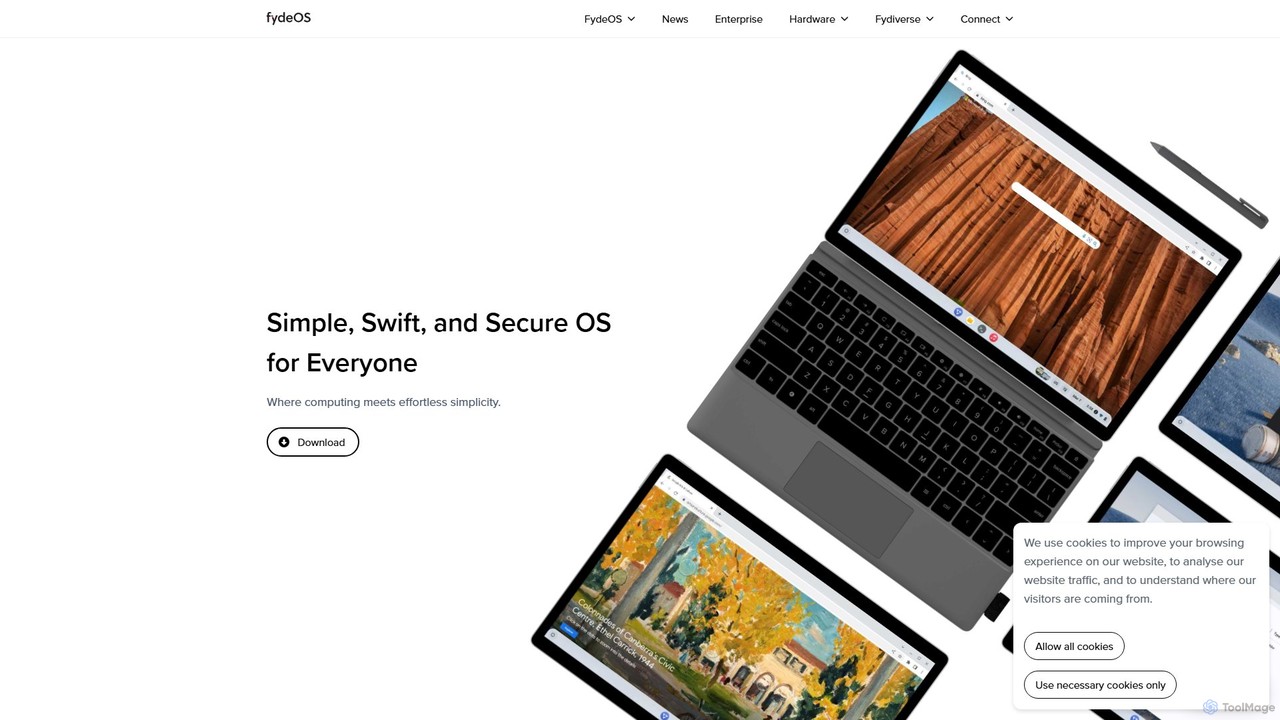
FydeOS is a fast, secure, and simple cloud-first operating system based on Chromium OS. It seamlessly integrates AI for a smarter user experience and supports Web, Android, and Linux applications. Ideal for revitalizing old hardware, enterprise device management, and privacy-conscious users seeking a ChromeOS alternative.
About Device Management
AI Device Management tools are platforms that use artificial intelligence to automate the monitoring, security, and maintenance of an organization's hardware assets. These tools leverage machine learning algorithms to analyze device health data, detect security anomalies, and predict potential failures before they occur. This proactive approach helps businesses enhance security, reduce IT operational costs, and ensure device reliability across their entire fleet, from laptops and mobile phones to IoT sensors. As a critical component of modern business IT, they transform reactive troubleshooting into predictive, automated management.
Core Features
- Predictive Maintenance: Analyzes device performance and usage data to forecast hardware failures and recommend proactive servicing.
- Automated Threat Detection: Uses behavioral analysis to identify and respond to unusual activity or potential security threats on endpoints in real-time.
- Intelligent Policy Enforcement: Dynamically applies and adjusts security and usage policies based on user context, location, and device health.
- Resource Optimization: Monitors software usage and device performance to provide recommendations for optimizing license allocation and hardware resources.
Use Cases
These tools are essential for IT departments in medium to large enterprises, especially those with significant remote workforces or extensive IoT deployments. They are widely used in sectors like finance, healthcare, and manufacturing for securing sensitive data on endpoints and ensuring the operational uptime of critical devices. Managed Service Providers (MSPs) also utilize these platforms to efficiently manage the device fleets of multiple clients.
How to Choose
When selecting an AI Device Management tool, consider the range of supported operating systems (e.g., Windows, macOS, iOS, Android, Linux). Evaluate its integration capabilities with existing IT infrastructure, such as helpdesk systems and security information and event management (SIEM) tools. Assess the sophistication of its AI-driven features, particularly in predictive analytics and automated threat response. Finally, consider the platform's scalability to support your organization's current and future device count.

Device ManagementUse Cases
Automated IT Support for a Remote Workforce
An IT administrator for a global company manages thousands of employee laptops remotely. The AI device management tool continuously monitors the health of each device. It flags a laptop with a degrading battery performance and predicts it will fail within two weeks. The system automatically creates a support ticket, orders a replacement battery, and notifies the employee with shipping details, preventing productivity loss and reducing manual intervention from the IT team.
Enhancing Mobile Device Security (BYOD/COPE)
A financial services firm implements a Bring Your Own Device (BYOD) policy. To secure corporate data, they use an AI device management tool. The AI establishes a baseline of normal application behavior for each user. When an employee installs a new, unvetted application that attempts to access sensitive contacts, the AI detects this anomaly. It automatically quarantines the corporate data container on the device and alerts the security team, preventing a potential data leak without blocking the device's personal use.
Predictive Maintenance for Industrial IoT Devices
A manufacturing company monitors thousands of sensors on its production line. An AI device management platform analyzes real-time data streams from these IoT devices, including temperature, vibration, and output metrics. The AI model identifies subtle patterns indicating that a specific sensor is degrading and likely to fail within 72 hours. It automatically alerts the maintenance team with the exact location and required part, allowing them to schedule a replacement during planned downtime, thus preventing a costly, unplanned production halt.
Intelligent Software Patch Management
A healthcare organization must ensure all devices are compliant with security regulations. Their AI device management tool scans all endpoints for vulnerabilities. Instead of just listing them, the AI prioritizes patches based on the severity of the vulnerability, the number of affected devices, and the device's role in the organization. It then intelligently schedules the deployment of critical patches during non-clinical hours to minimize disruption to patient care, while ensuring 100% compliance on critical systems.
Optimizing Software License Costs
A large enterprise aims to reduce its software expenditure. The AI device management tool monitors application usage across thousands of workstations. It identifies that 200 licenses for a premium design software are assigned to employees who haven't opened the application in over 90 days. The system generates a report recommending the reallocation of these licenses to a waiting list of new users, saving the company the cost of purchasing new licenses and ensuring optimal resource utilization.
Real-time Endpoint Threat Detection
A security operations center (SOC) analyst uses an AI device management platform to monitor endpoint security. The AI detects anomalous network traffic from a specific workstation—large data uploads to an unknown IP address outside of business hours. This behavior deviates from the user's established pattern. The system immediately flags this as a high-risk event, automatically quarantines the device from the network to prevent data exfiltration, and provides the analyst with a detailed incident report for immediate investigation.