ToolMage
Sign in

Best 1 Audiobooks AI tools for Entertainment

Popular Audiobooks AI tools in Entertainment include Just Story It, helping you work more efficiently.

Just Story It
Freemium

Just Story It

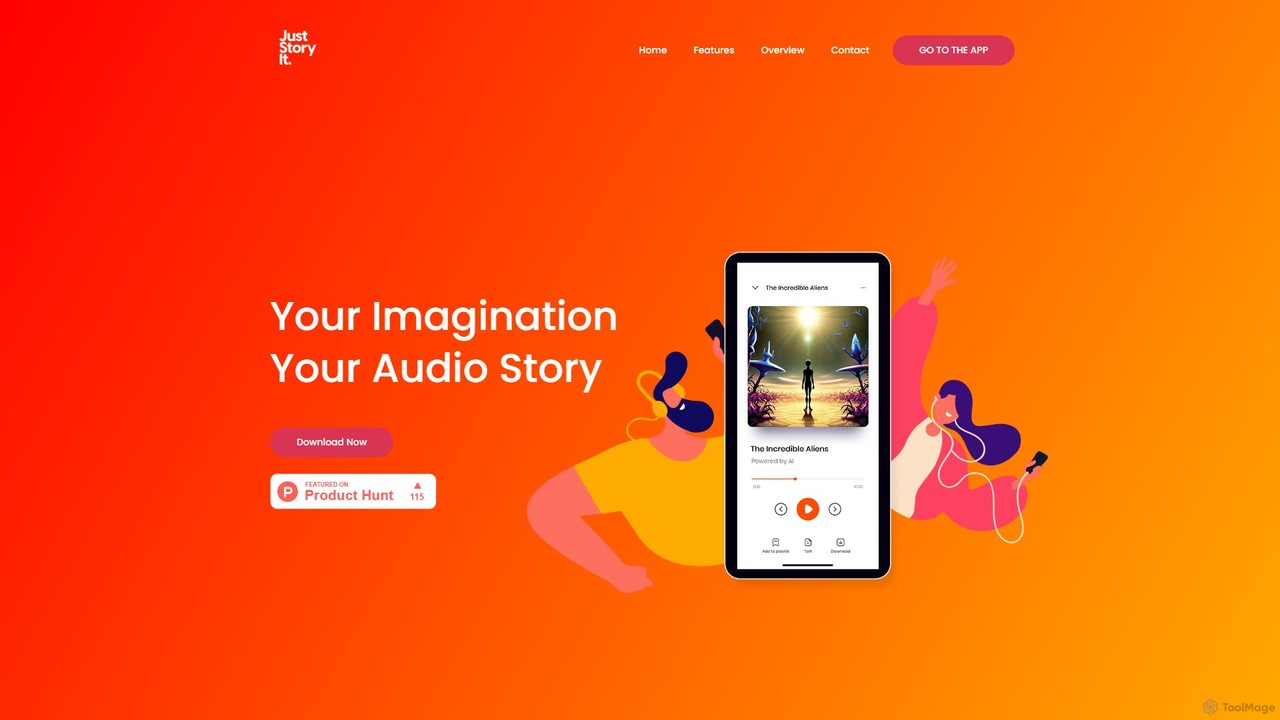
Just Story It is an AI-powered mobile application that transforms your imagination into captivating audio stories. Create unique characters, settings, and plots, and let the AI generate a complete narrative with high-quality audio and a custom cover image. Perfect for creators, parents, and anyone who loves a good story.

Storytelling
Visits 5.8KFavorites 108Likes 97

About Audiobooks

AI Audiobook tools are a class of software that use artificial intelligence to convert written text into high-quality audiobooks. These tools leverage advanced text-to-speech (TTS) and voice cloning technologies to generate natural-sounding, human-like narration. They provide a scalable and cost-effective alternative to traditional studio recording, enabling authors and publishers to produce audio content quickly. The key advantage lies in the ability to easily edit, update, and create multiple language or voice versions from a single text source.

Core Features

  • AI Voice Generation: Creates expressive and clear narration using a diverse library of AI-powered voices.
  • Voice Cloning: Replicates a specific human voice from a short audio sample for consistent and personalized narration.
  • Multi-Language Support: Translates and generates audiobooks in numerous languages and accents from one script.
  • Pronunciation Control: Allows users to fine-tune the pronunciation of specific words, acronyms, or names for accuracy.
  • Audio Mastering: Automatically applies post-production effects like equalization and normalization for professional-quality sound.

Use Cases

These tools are primarily used by independent authors, small to medium-sized publishers, and content creators who want to enter the audiobook market without the high cost of professional narrators and studios. Educational institutions also use them to convert textbooks and learning materials into accessible audio formats. Additionally, businesses leverage them to create audio versions of reports, white papers, and training materials.

How to Choose

When selecting an AI Audiobook tool, first evaluate the voice quality and naturalness by listening to samples. Consider the range of available languages, dialects, and voices. Check for customization options, such as control over pacing, pitch, and emphasis. Finally, review the pricing model (e.g., per-character or subscription) and carefully examine the licensing terms to ensure you have the rights for commercial distribution.

Audiobooks use cases

1

Publishing a First Audiobook for Indie Authors

An independent author has just published their e-book and wants to reach a wider audience on platforms like Audible or Kobo. Lacking the budget for a professional narrator and studio time, which can cost thousands, they use an AI audiobook tool. They upload their manuscript, select a suitable AI voice that matches the book's tone, and fine-tune pronunciations for character names. The tool generates the complete audiobook in industry-standard formats within hours, allowing the author to publish a cost-effective audio version and create a new revenue stream.

2

Creating Multilingual Audiobook Editions

A publishing house wants to expand the global reach of its best-selling novel. Instead of hiring separate narration teams for each language, they use an AI tool with advanced translation and multi-language TTS capabilities. They upload the original English text, and the tool automatically translates it into Spanish, German, and French. The publisher then selects region-appropriate AI voices for each language. This process drastically reduces production time and costs, enabling them to launch multiple international editions simultaneously and tap into new markets efficiently.

3

Converting Educational Materials into Audio Format

A university's accessibility department needs to provide audio versions of textbooks and research papers for students with visual impairments or learning disabilities. Manually recording this dense, technical content is slow and prone to errors. By using an AI audiobook tool, they can quickly convert PDF or text documents into clear, well-enunciated audio. The ability to create custom pronunciation dictionaries for technical jargon ensures accuracy. This makes educational content more accessible and supports diverse learning styles across the student body.

4

Personalized Storytelling with Voice Cloning

A parent living abroad wants to create a special gift for their child: a collection of bedtime stories narrated in their own voice. They use an AI audiobook tool with a voice cloning feature. By uploading a few minutes of their speech, the AI creates a digital replica of their voice. The parent can then type or paste the text of any story, and the tool generates an audiobook that sounds just like them. This creates a deeply personal and comforting experience for the child, bridging the physical distance between them.

5

Producing Audio Versions of Corporate Materials

A large corporation's HR department needs to distribute a new, lengthy compliance manual to all employees. To increase engagement and ensure the material is consumed, they decide to create an audio version. Using an AI audiobook tool, they convert the document into audio modules. They choose a professional, clear AI voice suitable for a corporate setting. Employees can now listen to the manual during their commute or while multitasking, leading to higher completion rates and better retention of important information compared to text-only distribution.

6

Rapid Prototyping for Audiobook Pitches

An audiobook producer is pitching a new project to a major publisher. To make their pitch more compelling, they need to provide a sample chapter. Instead of booking a narrator and studio for a short demo, they use an AI tool to quickly generate several versions of the first chapter. They experiment with different AI voices (male, female, different accents) and pacing to find the perfect fit. This allows them to present a high-quality, polished audio sample to the publisher at a fraction of the cost and time, increasing their chances of securing the contract.

Audiobooks FAQ

What are AI Audiobook tools?

AI Audiobook tools are software applications that use artificial intelligence, primarily advanced text-to-speech (TTS) and voice cloning technologies, to convert written text into spoken audio. Unlike simple screen readers, these tools produce high-quality, natural-sounding narration suitable for commercial distribution. They are designed to automate and streamline the audiobook production process, making it faster, more affordable, and more accessible for authors and publishers.

How do AI-generated audiobooks compare to human-narrated ones?

The primary differences lie in cost, speed, and emotional nuance.

  • Cost & Speed: AI generation is significantly faster and cheaper than hiring a professional narrator and booking a studio.
  • Emotional Nuance: Human narrators excel at conveying subtle emotions, character depth, and artistic interpretation, an area where AI is still developing.
  • Consistency & Edits: AI offers perfect consistency and allows for instant, easy edits to the script without re-recording.
The choice often depends on the project's budget, timeline, and artistic requirements. AI is an excellent option for non-fiction, educational content, and authors on a budget, while complex fiction often benefits from a human touch.

Can I use AI-generated audio for commercial audiobooks on platforms like Audible?

This depends on two key factors: the terms of service of the AI tool and the policies of the distribution platform. Many AI voice generation tools offer commercial licenses that grant you the right to use the audio for profit. However, platforms like Audible's ACX have specific submission requirements regarding audio quality and have evolving policies on AI-generated content. It is crucial to always check the latest guidelines from both the AI tool provider and the distribution platform before publishing to ensure compliance.

How to choose the right AI Audiobook tool?

To select the best tool for your needs, consider the following factors:

  • Voice Quality: Listen to samples. Does the voice sound natural, clear, and engaging, or robotic?
  • Language and Accent Support: Ensure the tool offers the specific languages, dialects, and accents you require for your target audience.
  • Customization Features: Look for options to control pace, pitch, volume, and the ability to add pauses or specify pronunciations for unique words.
  • Pricing and Licensing: Compare pricing models (subscription vs. per-character) and carefully read the license to confirm you have rights for commercial use.

What is voice cloning in the context of AI audiobooks?

Voice cloning is a technology that uses AI to analyze a short audio sample of a person's speech and create a synthetic voice model that can replicate it. In AI audiobooks, this allows for the creation of narration in a specific, consistent voice—such as the author's own voice or a custom-branded voice—without requiring that person to record the entire book. It offers a high degree of personalization and brand consistency for audiobook production.