ToolMage
Sign in

Best 2 Storytelling AI tools for Audio

Popular Storytelling AI tools in Audio include Just Story It and SagaSwipe, helping you work more efficiently.

Just Story It
Freemium

Just Story It

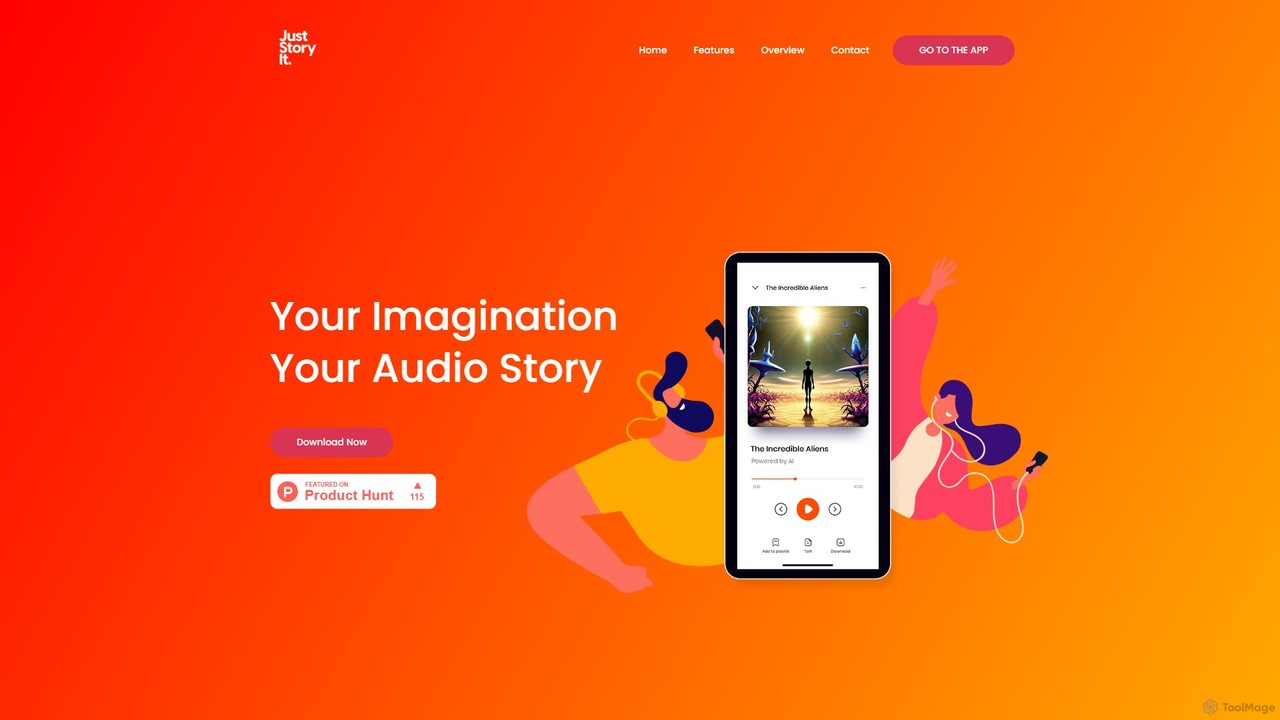
Just Story It is an AI-powered mobile application that transforms your imagination into captivating audio stories. Create unique characters, settings, and plots, and let the AI generate a complete narrative with high-quality audio and a custom cover image. Perfect for creators, parents, and anyone who loves a good story.

Storytelling
Visits 5.8KFavorites 108Likes 97
SagaSwipe
Freemium

SagaSwipe

SagaSwipe is an AI-powered mobile app for iOS and Android that offers interactive audio adventures for meditation, relaxation, and sleep. Using simple swipe gestures, users can explore infinite, uniquely generated worlds, from magical realms to serene landscapes, creating a deeply immersive and screen-free experience.

Storytelling
Visits 5.4KFavorites 155Likes 162

About Storytelling

AI Storytelling tools are a specialized category within AI Audio, designed to assist in crafting compelling narratives through intelligent automation. These innovative tools leverage advanced natural language processing (NLP) and sophisticated synthetic media generation to transform written text into engaging audio stories. They can generate human-like voices with customizable tones, emotional inflections, and even contextual soundscapes, bringing narratives to life with unprecedented ease. By automating many aspects of audio production, these platforms empower content creators, educators, and marketers to produce immersive and impactful stories that resonate deeply with audiences across various digital platforms.

Core Features

  • AI Voice Generation: Synthesize highly realistic, human-like voices with a wide range of customizable tones, emotions, and accents, suitable for diverse characters and narration styles.
  • Narrative Structuring Assistance: Provide intelligent guidance for outlining plot points, developing character arcs, and ensuring a coherent story flow, helping creators maintain engagement.
  • Dynamic Soundscape & Music Integration: Automatically generate or suggest appropriate background music and sound effects that dynamically match the story's mood, setting, and specific events, enhancing immersion.
  • Seamless Script-to-Audio Conversion: Efficiently transform written scripts directly into polished spoken audio, often supporting multiple speakers, scene transitions, and precise timing controls.
  • Granular Emotional Nuance Control: Offer fine-grained control over vocal delivery, allowing users to precisely convey specific emotions such as joy, sadness, suspense, anger, or excitement, adding depth to characters.

Applicable Scenarios

Content creators, podcasters, educators, game developers, and marketers extensively utilize AI storytelling tools to produce high-quality audio content efficiently and at scale. These tools are ideal for creating immersive audiobooks, engaging podcast episodes, interactive educational modules, captivating marketing narratives, and even dynamic in-game dialogue, significantly reducing production time and costs while enhancing audience engagement.

How to Choose

When selecting an AI storytelling tool, it is crucial to consider the quality and naturalness of the AI voices, the breadth of emotional expression available, and the flexibility in customizing vocal parameters. Evaluate the platform's ability to seamlessly integrate and synchronize sound effects and background music, and assess its support for complex narrative structures and multi-speaker scripts. Additionally, consider the ease of use, integration capabilities with existing creative workflows, and the pricing model relative to your production volume and specific needs.

Storytelling use cases

1

Creating Immersive Audiobooks

Independent authors and publishers can leverage AI storytelling tools to convert their written manuscripts into professional-grade audiobooks. By selecting diverse AI voices for different characters and narrators, and automatically adding ambient sound effects and background music, they can produce a rich, immersive listening experience without the need for expensive voice actors or complex studio setups, significantly speeding up time-to-market.

2

Developing Engaging Podcast Series

Podcasters, especially those producing narrative or educational content, can use these tools to generate consistent voiceovers, create distinct character voices for dramatized segments, and integrate dynamic soundscapes. This allows for the rapid production of high-quality, emotionally resonant episodes, enabling solo creators or small teams to compete with larger productions by maintaining a professional and captivating audio presence.

3

Generating Interactive Educational Content

Educators and e-learning platforms can utilize AI storytelling to transform lesson plans and textbook content into engaging audio lectures or interactive learning modules. By employing varied voices for different concepts or characters in a historical narrative, and adding relevant sound effects, they can make complex subjects more accessible and memorable for students, fostering a more dynamic learning environment.

4

Crafting Dynamic Marketing & Advertising Narratives

Marketing teams and advertisers can create compelling audio ads, brand stories, and promotional content with AI storytelling tools. They can quickly iterate on different voice styles, emotional tones, and background music to test audience reception, producing highly personalized and impactful audio messages that capture attention and drive engagement across various digital channels.

5

Prototyping Game Dialogue & Character Voices

Game developers can rapidly prototype dialogue for non-player characters (NPCs) and main characters using AI voices. This allows them to test narrative flow, character interactions, and emotional impact early in the development cycle, iterating quickly without waiting for voice actors. The tools can generate thousands of lines of dialogue with consistent character voices and emotional delivery.

6

Personalized News & Content Summaries

Media companies and content platforms can use AI storytelling to generate personalized audio summaries of news articles, long-form content, or user-generated stories. By adapting the voice, tone, and background audio to individual user preferences, they can deliver highly engaging and customized audio experiences, enhancing content consumption and accessibility for diverse audiences.

Storytelling FAQ

What are AI Storytelling tools?

AI Storytelling tools are advanced software applications that leverage artificial intelligence to assist in the creation, enhancement, and delivery of narratives, primarily through audio. They utilize natural language processing (NLP) to understand text and generate human-like voices, integrate contextual sound effects, and compose background music, transforming written stories into immersive audio experiences. These tools are designed to automate and streamline various aspects of audio production, making high-quality storytelling accessible to a broader range of creators.

How do AI Storytelling tools differ from general AI Audio tools?

While both fall under the broader AI Audio category, AI Storytelling tools specifically focus on narrative construction and delivery, whereas general AI Audio tools might cover broader tasks like audio editing, transcription, or music generation without a direct narrative focus. Storytelling tools emphasize features like character voice consistency, emotional inflection control, narrative flow assistance, and the synchronized integration of voices, music, and sound effects to tell a cohesive story, rather than just processing audio.

Who can benefit most from using AI Storytelling tools?

A wide range of professionals and enthusiasts can benefit significantly. This includes independent authors and publishers looking to create audiobooks efficiently, podcasters aiming for high-quality narrative episodes, educators developing engaging e-learning content, marketers crafting compelling audio ads, and game developers prototyping character dialogue. Essentially, anyone who needs to convey a story or information through rich, dynamic audio can leverage these tools to save time, reduce costs, and enhance creative output.

What are the key features to look for when choosing an AI Storytelling tool?

When selecting an AI Storytelling tool, prioritize the quality and naturalness of the AI voices, ensuring they sound human-like and offer a good range of emotions and accents. Look for robust narrative structuring capabilities, dynamic soundscape generation, and seamless script-to-audio conversion with multi-speaker support. Customization options for voice parameters, emotional nuances, and the ability to integrate with other creative software are also crucial for a flexible and powerful storytelling workflow.

Can AI Storytelling tools create unique character voices?

Yes, many advanced AI Storytelling tools offer features to create and maintain unique character voices. Users can often customize parameters like pitch, speed, tone, and emotional delivery to develop distinct vocal identities for each character in their narrative. Some tools even allow for voice cloning or fine-tuning existing AI voices to match specific character profiles, ensuring consistency and depth across an entire story without needing multiple human voice actors.