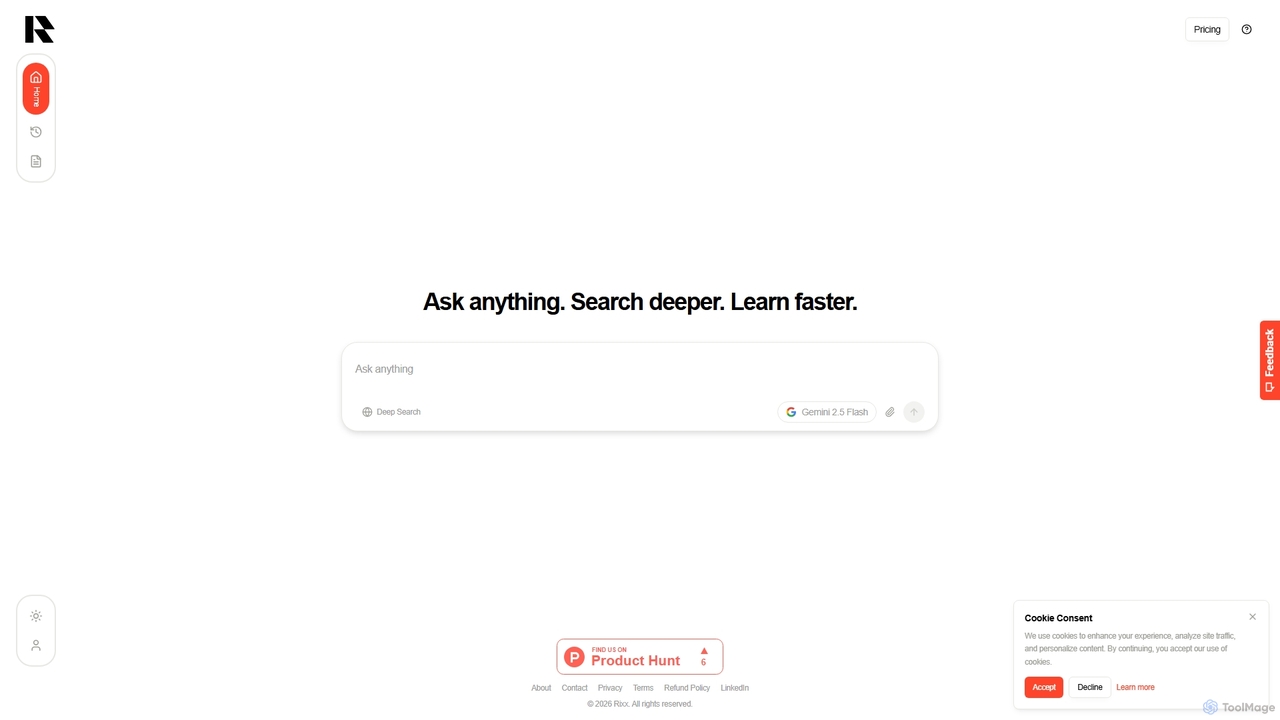
Rixx
Rixx is an AI-powered research engine designed for deep understanding, not just information retrieval. It synthesizes complex information …
Rixx is an AI-powered research engine designed for deep understanding, not just information retrieval. It synthesizes complex information from hundreds of sources into structured, verifiable answers, acting as a tireless research assistant for professionals, students, and engineers seeking profound insights.
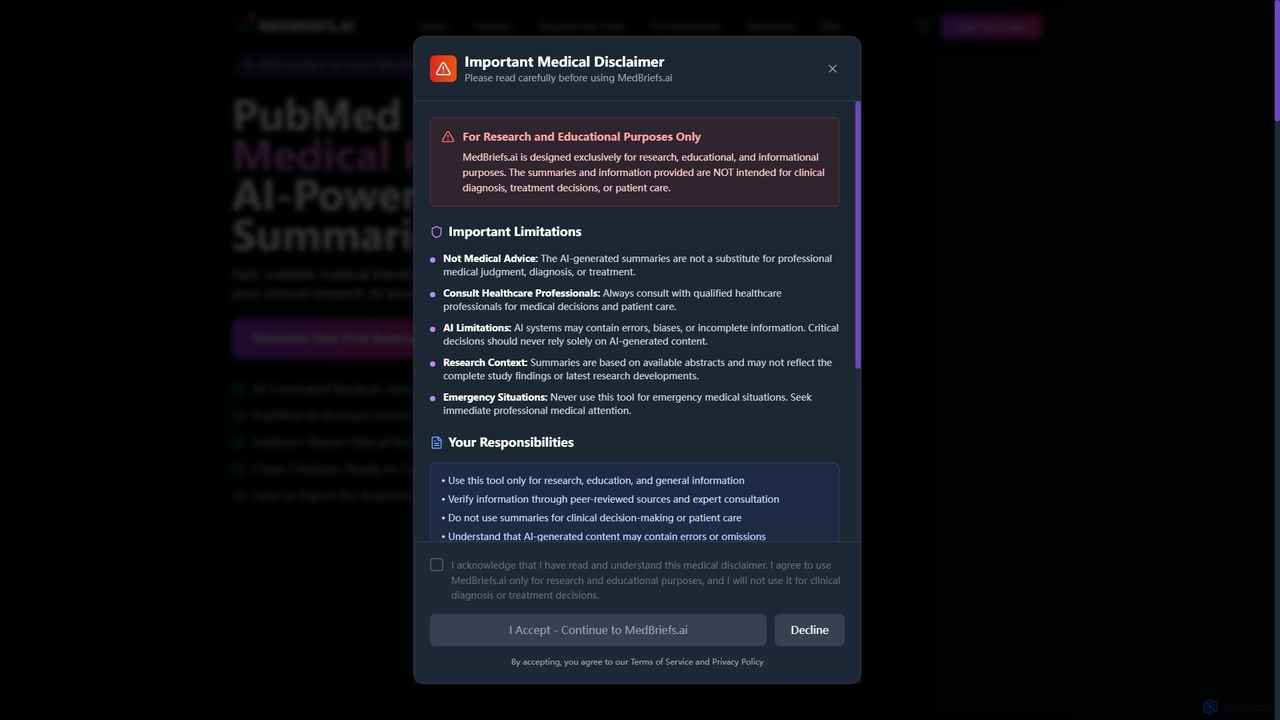
Medbriefs
Medbriefs is an AI-powered research assistant that generates fast, credible summaries of medical literature from PubMed abstracts. It …
Medbriefs is an AI-powered research assistant that generates fast, credible summaries of medical literature from PubMed abstracts. It streamlines the research process for clinicians, academics, and students by providing clear insights and formatted citations in seconds.
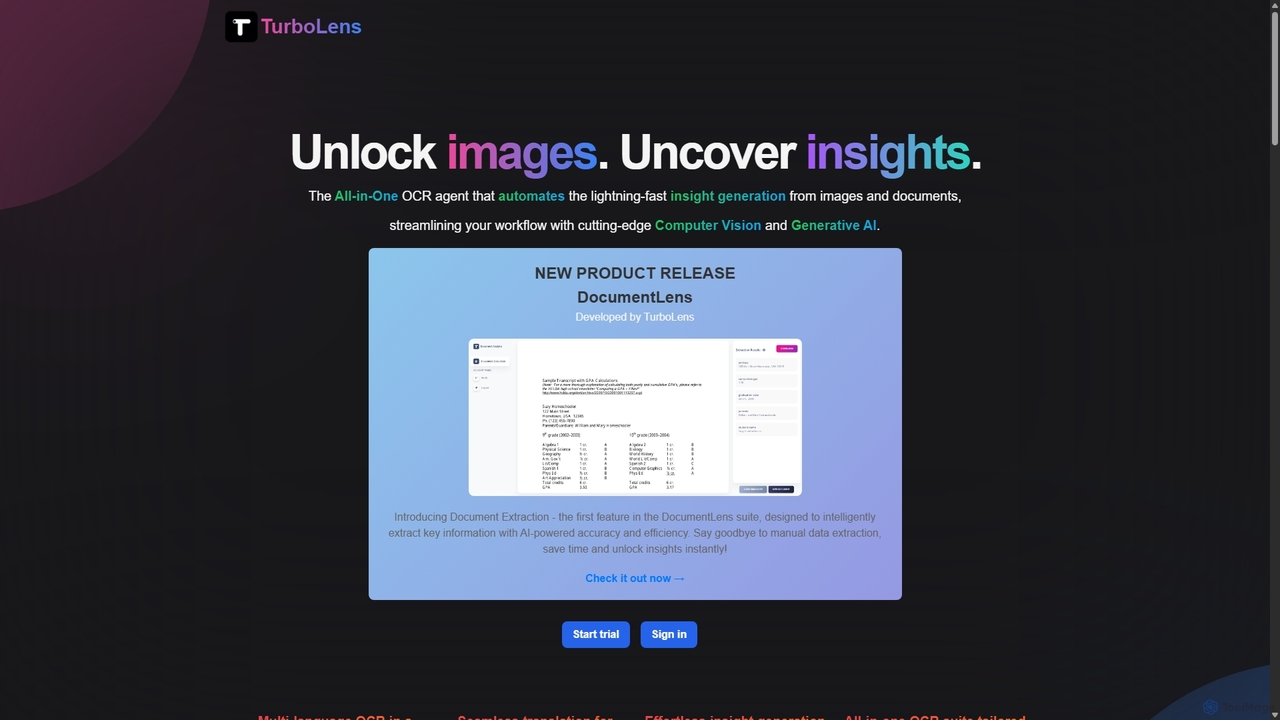
TurboLens
TurboLens is an all-in-one AI-powered OCR agent that automates insight generation from images and documents. It leverages Computer …
TurboLens is an all-in-one AI-powered OCR agent that automates insight generation from images and documents. It leverages Computer Vision and Generative AI to extract text, handwritten notes, tables, and math formulas, offering in-image translation and customizable workflows to streamline data processing.

Epsilon
Epsilon is an advanced AI search engine designed for scientific research. It scans over 200 million academic papers …
Epsilon is an advanced AI search engine designed for scientific research. It scans over 200 million academic papers and patents to deliver synthesized, evidence-based answers with inline citations. It dramatically accelerates literature reviews, evidence gathering, and data synthesis, helping researchers, students, and professionals save countless hours of work.
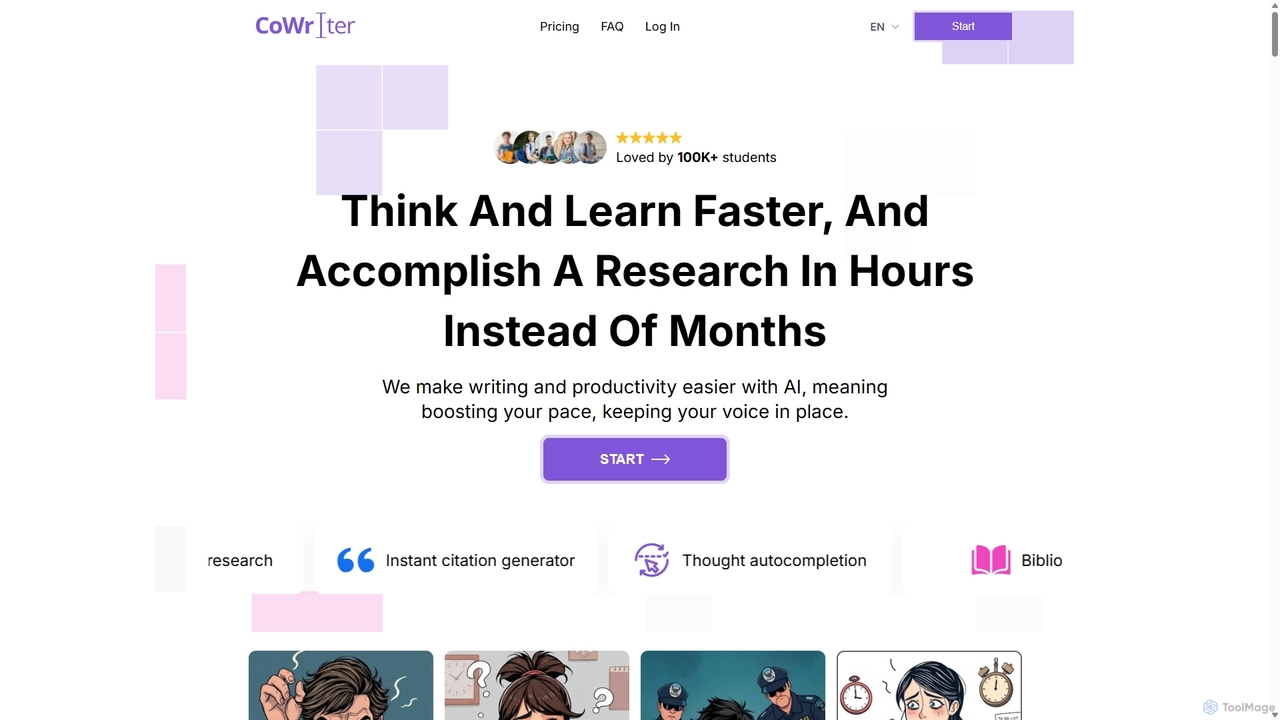
CoWriter AI
CoWriter AI is an advanced AI writing copilot designed for students, researchers, and professionals. It accelerates the writing …
CoWriter AI is an advanced AI writing copilot designed for students, researchers, and professionals. It accelerates the writing and research process, helping users create high-quality, original academic papers, theses, and essays in hours instead of months. Key features include AI detection bypassing, plagiarism checking, instant citation generation, and intelligent thought autocompletion, all while maintaining the user's unique voice.

Wordvice AI
Wordvice AI is a comprehensive AI-powered writing assistant designed for academics, students, and professionals. It offers a suite …
Wordvice AI is a comprehensive AI-powered writing assistant designed for academics, students, and professionals. It offers a suite of tools including a proofreader, paraphraser, summarizer, translator, and plagiarism checker to enhance writing clarity, accuracy, and style. Backed by a team with expertise in professional editing, Wordvice AI helps users produce polished, publication-ready documents.
ArXiv Pulse
ArXiv Pulse is an AI-powered service that helps researchers and innovators stay updated with the latest scientific papers …
ArXiv Pulse is an AI-powered service that helps researchers and innovators stay updated with the latest scientific papers from arXiv. It delivers personalized, easy-to-read summaries of relevant preprints directly to your inbox, saving you time and preventing information overload.

Effidit
Effidit is an AI-powered writing assistant from Tencent AI Lab, designed to enhance writing efficiency in both Chinese …
Effidit is an AI-powered writing assistant from Tencent AI Lab, designed to enhance writing efficiency in both Chinese and English. It offers intelligent proofreading, text completion, rewriting, expansion, and specialized modes for general and academic writing, helping users create high-quality, error-free content.
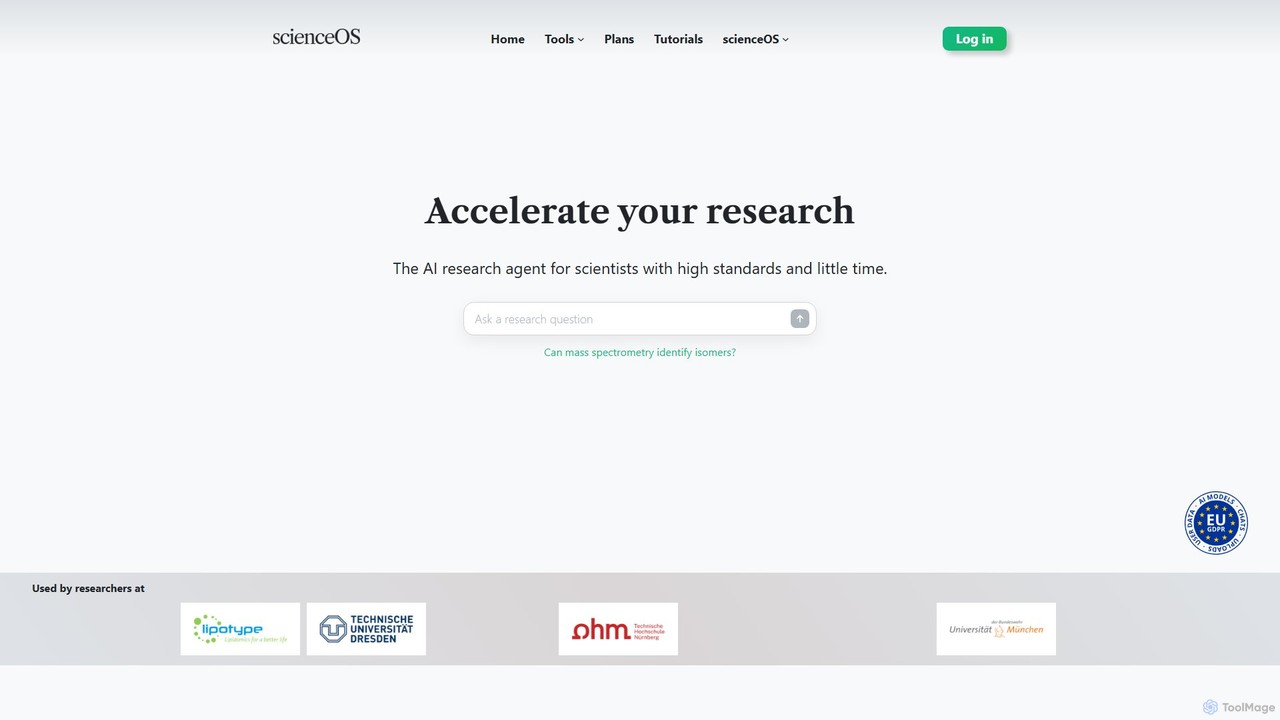
scienceOS
scienceOS is an AI-powered research agent designed for scientists and researchers. It accelerates scientific discovery by allowing users …
scienceOS is an AI-powered research agent designed for scientists and researchers. It accelerates scientific discovery by allowing users to chat with a database of over 225 million papers, analyze multiple PDF documents simultaneously, and manage references with an integrated AI library. The platform helps generate overviews, create diagrams, discover related papers, and perform citation analysis, streamlining the entire research workflow.
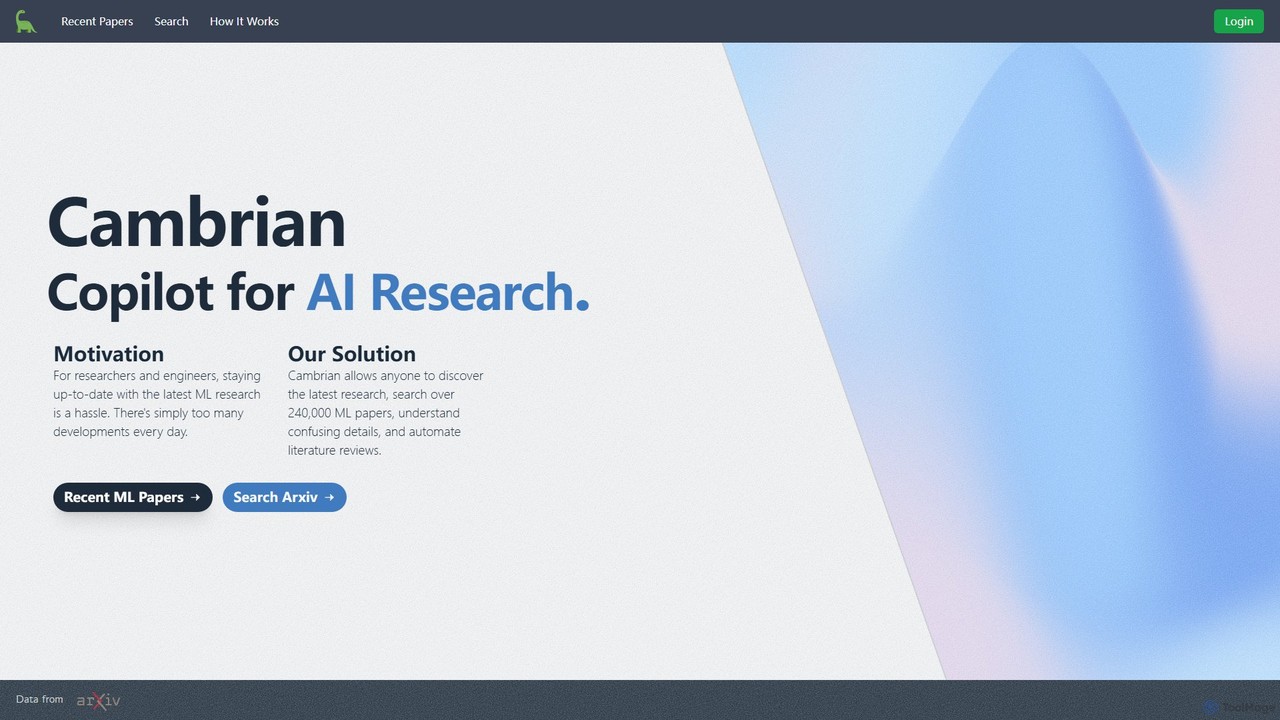
cambrianml
Cambrian is an AI copilot for machine learning research, enabling users to discover the latest papers, perform semantic …
Cambrian is an AI copilot for machine learning research, enabling users to discover the latest papers, perform semantic searches across over 240,000 ML articles, and interactively chat with PDFs to understand complex concepts. It streamlines literature reviews and helps researchers stay current in the rapidly evolving field of AI.
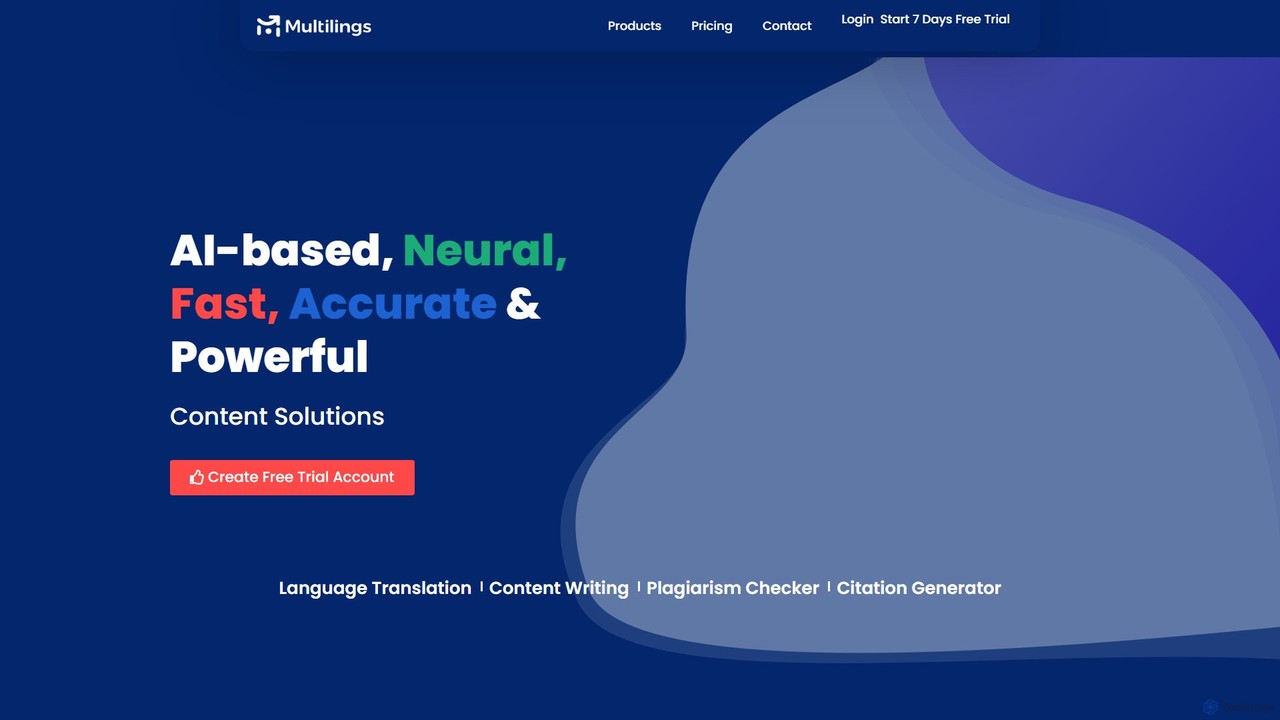
multilings
multilings is an all-in-one AI-powered content suite offering a writing assistant, language translator for 75+ languages, plagiarism checker, …
multilings is an all-in-one AI-powered content suite offering a writing assistant, language translator for 75+ languages, plagiarism checker, and citation generator. It's designed for marketers, writers, students, and researchers to create original, impactful, and multilingual content efficiently. The platform leverages advanced neural networks to ensure high accuracy and natural-sounding output.
Goatstack
Goatstack is an AI-powered platform that helps researchers, engineers, and enthusiasts stay updated with trending AI research papers. …
Goatstack is an AI-powered platform that helps researchers, engineers, and enthusiasts stay updated with trending AI research papers. It provides daily updates, personalized topics, and automated AI-generated summaries to accelerate literature discovery and knowledge acquisition in the fast-paced field of AI.
Pubcompare
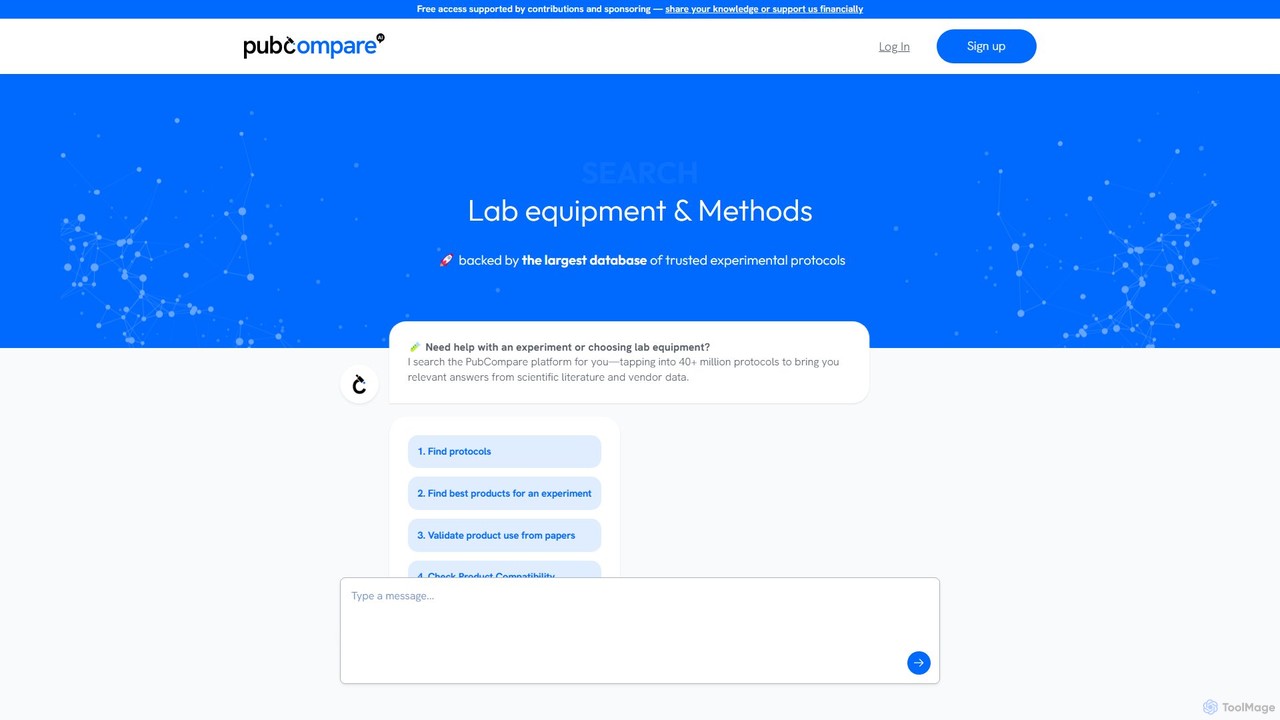
Pubcompare is an AI-powered search engine with the largest database of trusted experimental protocols. It helps scientists and …
Pubcompare is an AI-powered search engine with the largest database of trusted experimental protocols. It helps scientists and researchers discover, compare, and optimize methodologies from over 40 million protocols, saving significant time, reducing errors, and enhancing research reproducibility.
PenPilot
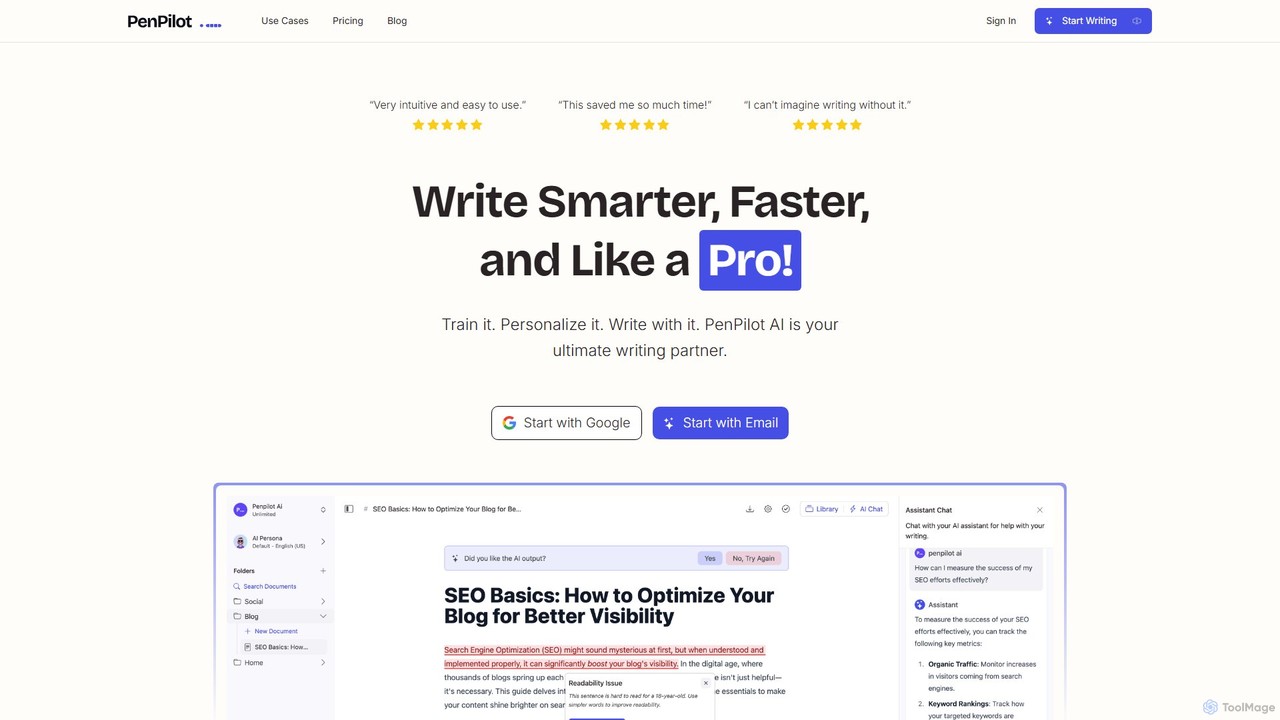
PenPilot is a personalized AI writing partner that helps you create high-quality, natural-sounding content faster. Fine-tune the AI …
PenPilot is a personalized AI writing partner that helps you create high-quality, natural-sounding content faster. Fine-tune the AI with your own data and style, use custom personas, and leverage powerful tools for SEO, marketing, academic writing, and more. Includes a plagiarism and readability checker.
Trinka
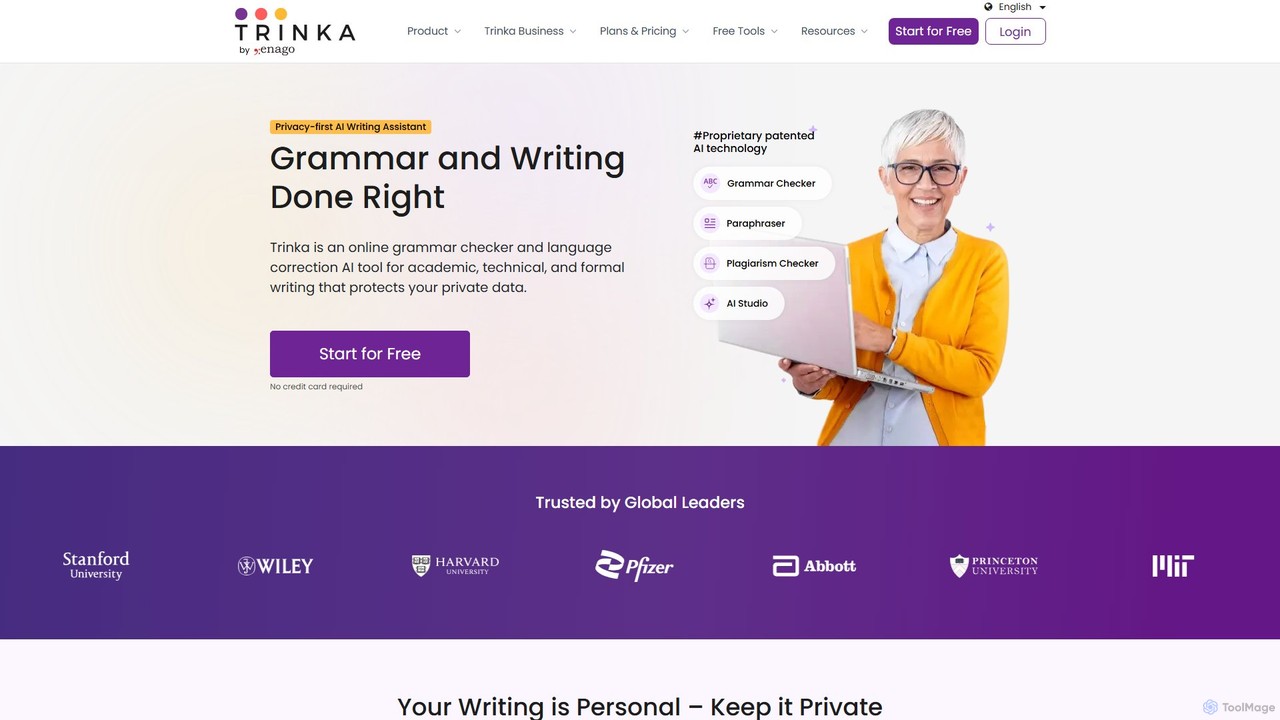
Trinka is an AI-powered writing assistant and grammar checker specifically designed for academic and technical writing. It goes …
Trinka is an AI-powered writing assistant and grammar checker specifically designed for academic and technical writing. It goes beyond basic grammar correction to improve style, tone, and clarity. Key features include a LaTeX checker, plagiarism detection, and publication readiness checks, making it an essential tool for researchers, students, and professionals.
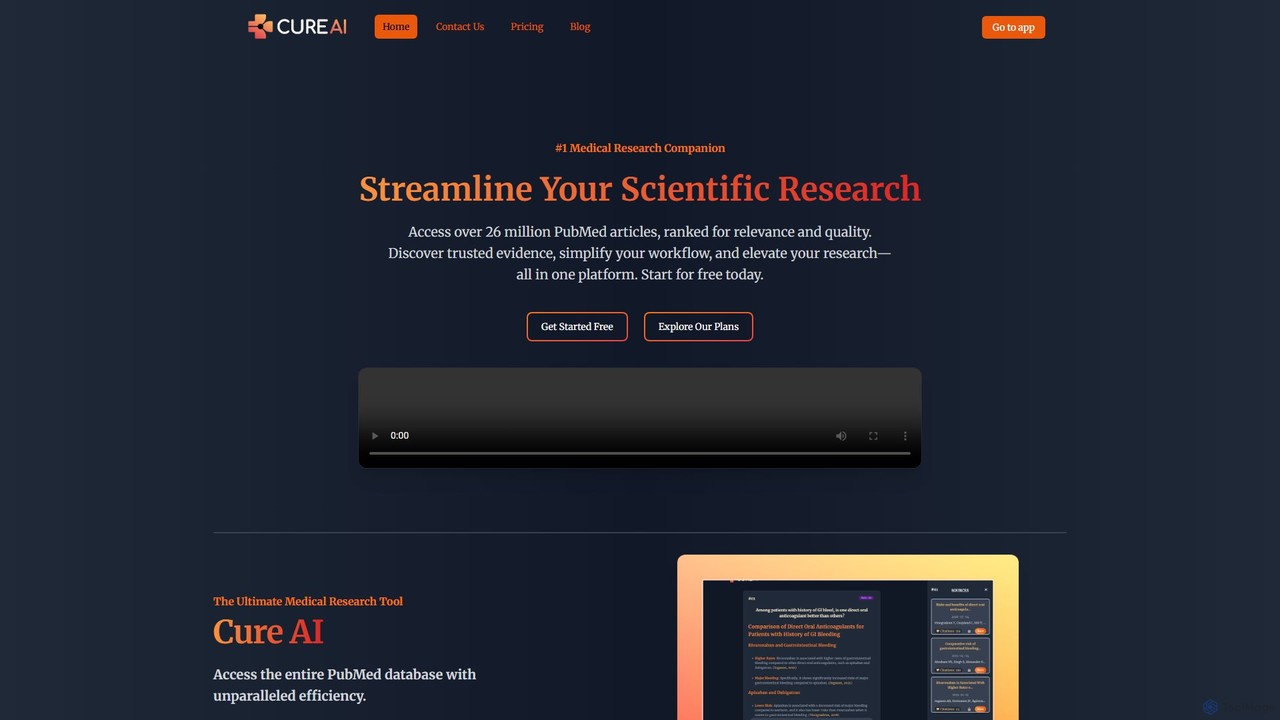
Cure AI
Cure AI is an AI-powered medical research companion that streamlines scientific literature review. It provides access to over …
Cure AI is an AI-powered medical research companion that streamlines scientific literature review. It provides access to over 26 million PubMed articles, using AI to rank evidence, generate insights, and simplify the research workflow from query to citation.
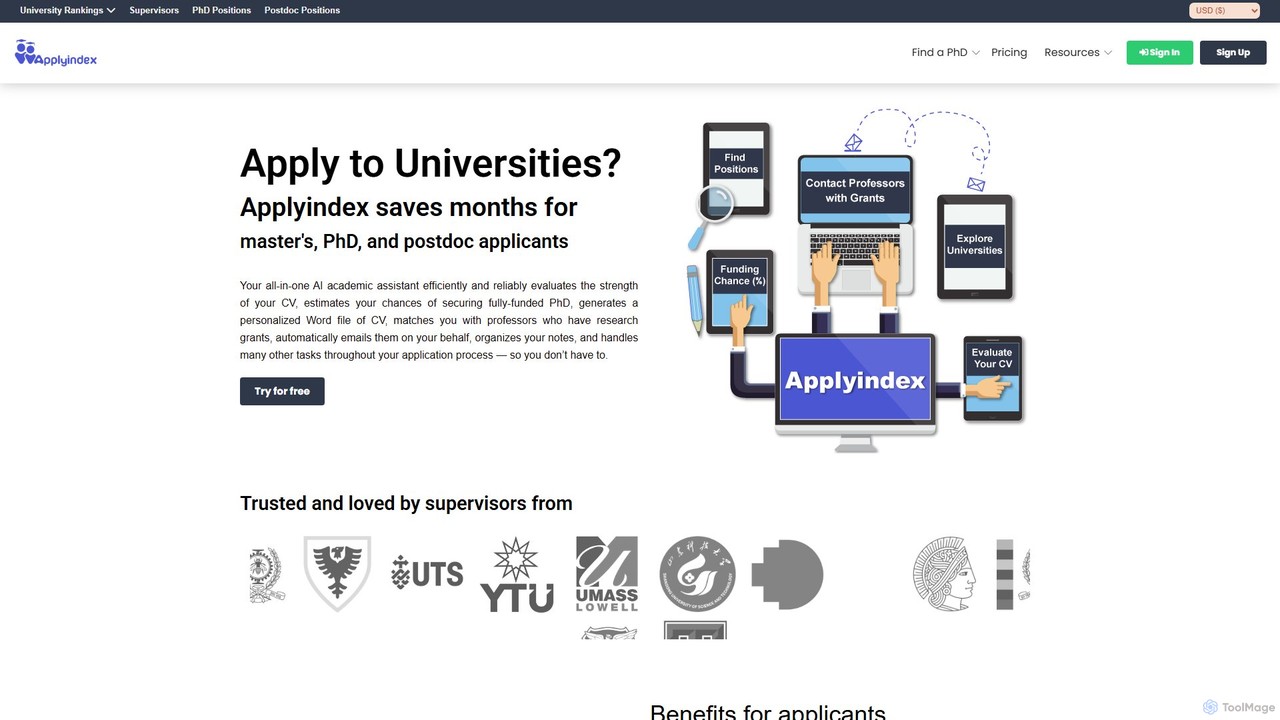
Applyindex
Applyindex is an all-in-one AI academic assistant designed to streamline the university application process for Master's, PhD, and …
Applyindex is an all-in-one AI academic assistant designed to streamline the university application process for Master's, PhD, and postdoc candidates. It saves months of effort by evaluating CV strength, matching applicants with funded positions and supervisors, generating personalized documents, and automating communication, all on a single platform.
word_spinner
Word Spinner is an all-in-one AI writing assistant designed to humanize AI-generated text, rewrite content, and bypass AI …
Word Spinner is an all-in-one AI writing assistant designed to humanize AI-generated text, rewrite content, and bypass AI detection. It offers features like a plagiarism checker, pre-made templates, and a special Scholar Mode for academic research, supporting over 100 languages.

ag11lab
ag11lab is an AI-powered text editor designed to transform ideas into structured documents like essays, papers, and books …
ag11lab is an AI-powered text editor designed to transform ideas into structured documents like essays, papers, and books effortlessly. It automates the writing process, helping students, researchers, and professionals save time and enhance the quality of their work with features like an LLM consensus mechanic and real-time data integration.
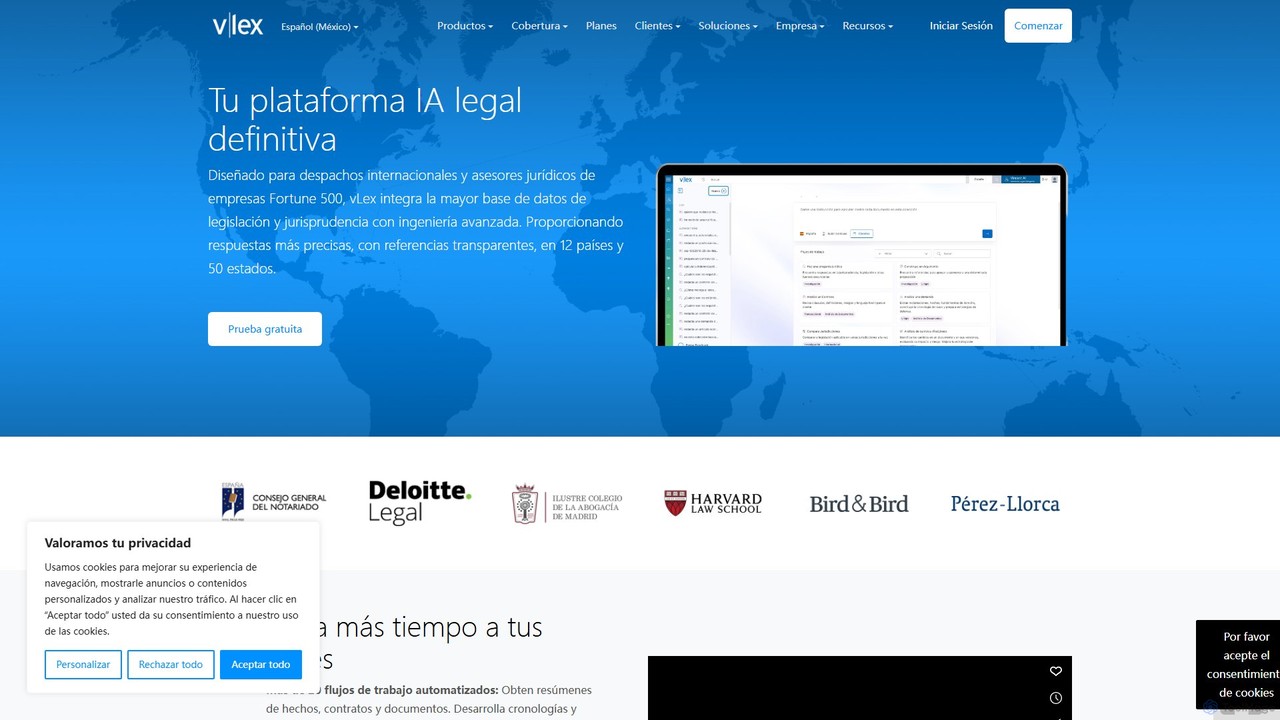
vlex
vLex is an AI-powered legal intelligence platform providing access to a vast global library of laws and case …
vLex is an AI-powered legal intelligence platform providing access to a vast global library of laws and case law. It features Vincent, an AI legal research assistant that analyzes documents to find relevant precedents, saving legal professionals hours of work. Ideal for law firms, corporate counsel, and academic institutions.
About Academic Research
Academic Research AI tools are a specialized category of educational technology designed to assist students, researchers, and academics throughout the entire research lifecycle. These tools leverage natural language processing (NLP) and machine learning to automate and enhance tasks such as literature discovery, data analysis, and manuscript writing. They significantly accelerate the process of gathering insights from vast amounts of scholarly information, improving the efficiency and quality of research outputs. Many platforms also offer advanced features for citation management and hypothesis generation, acting as a powerful digital research assistant.
Core Features
- Automated Literature Search & Summary: Quickly finds, filters, and synthesizes relevant academic papers from vast databases, generating concise summaries.
- Academic Writing Assistance: Provides grammar correction, style suggestions for academic tone, paraphrasing, and plagiarism checks.
- Data Analysis & Visualization: Helps in analyzing complex datasets, identifying patterns, and generating charts or graphs to represent findings.
- Citation & Reference Management: Automatically generates citations in various formats (APA, MLA, Chicago, etc.) and organizes bibliographies.
- Hypothesis Generation: Analyzes existing literature to identify research gaps and suggest novel research questions or hypotheses.
Use Cases
These tools are primarily used by postgraduate students, university professors, and researchers in both academic institutions and corporate R&D departments. They are invaluable for tasks like conducting systematic reviews, writing a dissertation or thesis, preparing research papers for journal submission, and analyzing large volumes of qualitative or quantitative data.
How to Choose
When selecting an AI tool for academic research, consider these factors: the tool's integration with major academic databases (e.g., Scopus, PubMed), the range of supported citation styles, its data analysis capabilities specific to your field (STEM, humanities, etc.), and its policies on data privacy and intellectual property. Also, evaluate the accuracy of its summaries and the quality of its writing suggestions.
Academic ResearchUse Cases
Accelerating Literature Reviews for a PhD Thesis
A PhD candidate in sociology needs to conduct a comprehensive literature review covering decades of research, a process that could manually take months. By using an AI research tool, they can input keywords and research questions to scan thousands of academic papers in hours. The tool categorizes papers by theme, identifies seminal works, and generates annotated summaries for each cluster. This allows the student to quickly grasp the state of the field, identify research gaps, and build a strong theoretical framework for their thesis, reducing the review time by over 80%.
Drafting and Polishing a Research Paper
A university professor is preparing a manuscript for submission to a high-impact journal. They use an AI academic writing assistant to improve the clarity and flow of their arguments. The tool suggests alternative phrasing to avoid jargon, ensures consistent terminology, and checks for grammatical errors and adherence to academic style guides. Crucially, it integrates with their reference manager to automatically format in-text citations and the bibliography according to the journal's specific requirements (e.g., APA 7th ed.), saving hours of tedious manual formatting and reducing the risk of citation errors.
Analyzing Qualitative Interview Data
A social scientist has conducted 50 in-depth interviews for a research project, resulting in hundreds of pages of transcripts. Manually coding this data is time-consuming and prone to bias. They use an AI analysis tool to process the transcripts. The AI automatically identifies recurring themes, keywords, and sentiment patterns across all interviews. It generates a thematic map and provides quotes as evidence for each theme, allowing the researcher to quickly validate the findings and develop a nuanced analysis for their publication, completing the initial coding phase in days instead of weeks.
Generating Novel Research Hypotheses
A biomedical research team is exploring new treatment avenues for a specific disease. They use an AI hypothesis generation tool to analyze thousands of published papers, clinical trial data, and genomic databases. The AI identifies previously unnoticed correlations between different biological pathways and the disease. Based on these connections, it proposes several novel, testable hypotheses, such as a specific gene's potential role in the disease's progression. This directs the team's experimental work towards more promising and innovative research paths, potentially leading to a breakthrough faster.
Creating a Systematic Review Map
A public health research group needs to conduct a systematic review to inform policy decisions. The first step is to map the existing evidence, which involves screening thousands of article titles and abstracts. They use an AI-powered review tool that employs active learning to prioritize the most relevant studies for screening. The tool visualizes the research landscape, showing clusters of studies on specific sub-topics and highlighting areas with little or no research. This enables the team to efficiently define the scope of their full review and identify key evidence gaps, making the entire systematic review process more targeted and manageable.
Preparing a Data-Driven Grant Proposal
A research lab is applying for a major funding grant. To strengthen their proposal, they need to demonstrate a deep understanding of the current research landscape and justify their proposed project's novelty. They use an AI research tool to quickly synthesize the last five years of literature in their field, generating a concise summary of key findings and identifying undisputed gaps. The tool also helps draft sections of the proposal, such as the literature review and methodology, ensuring the language is precise and persuasive. This data-driven approach enhances the proposal's credibility and significantly increases its chances of being funded.