CloudaQube
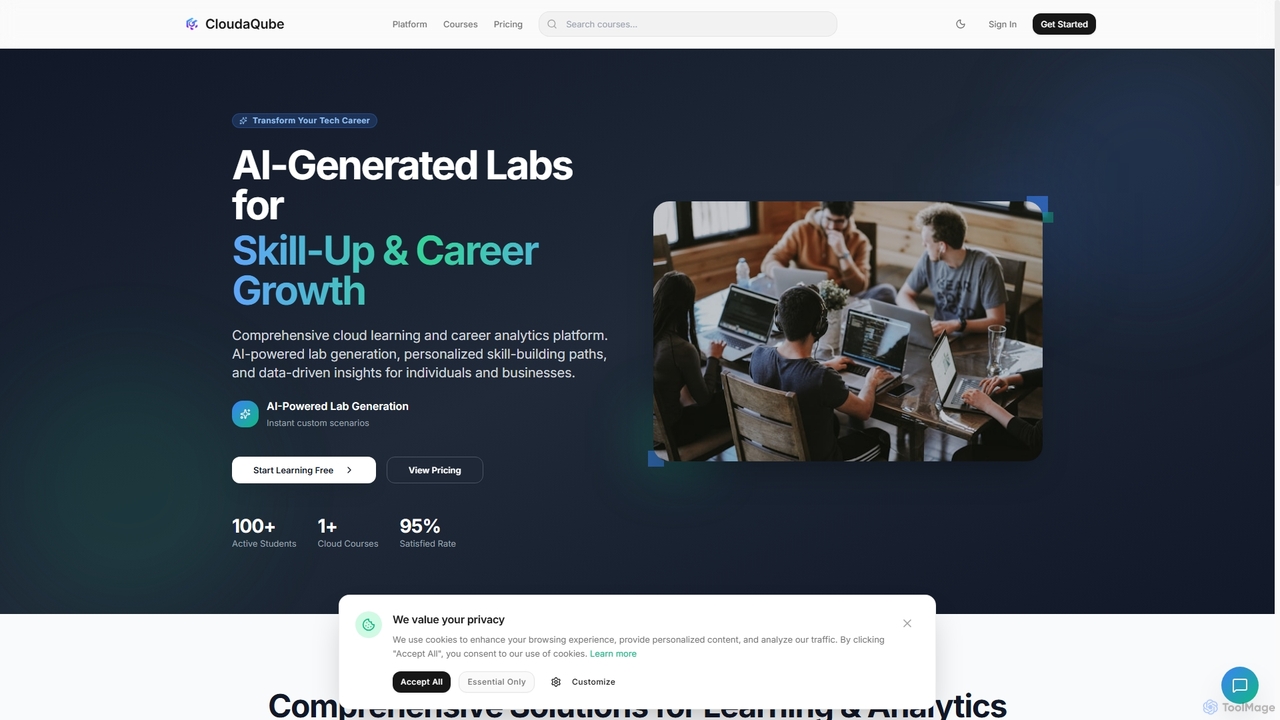
CloudaQube is an AI-driven lab training platform designed to transform tech careers through comprehensive cloud learning and career …
CloudaQube is an AI-driven lab training platform designed to transform tech careers through comprehensive cloud learning and career analytics. It offers AI-powered lab generation, personalized skill-building paths, and data-driven insights for individuals and businesses aiming to master AWS, Azure, and Google Cloud technologies.
eKnow
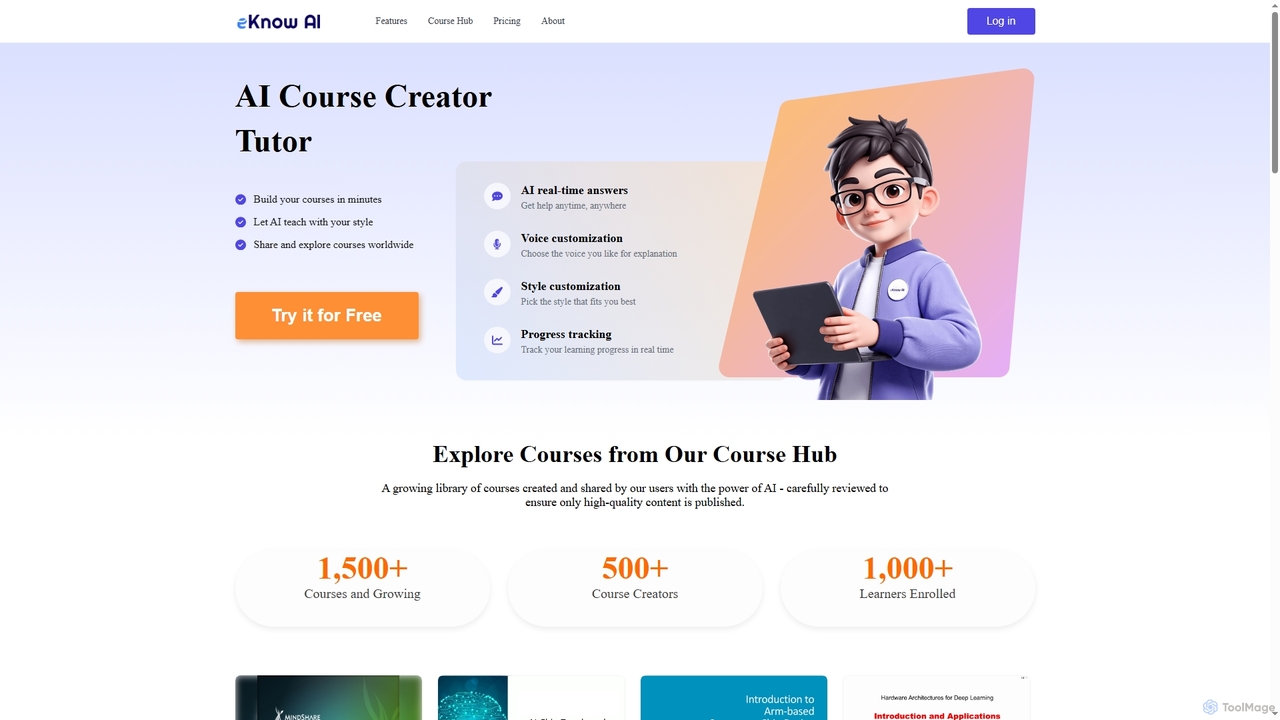
eKnow is an AI-powered platform that transforms lecture notes, PDFs, and presentations into interactive, personalized online courses within …
eKnow is an AI-powered platform that transforms lecture notes, PDFs, and presentations into interactive, personalized online courses within minutes. It offers an AI tutor for real-time answers, customizable learning styles, and a global Course Hub for sharing and exploring educational content.
Google Skills
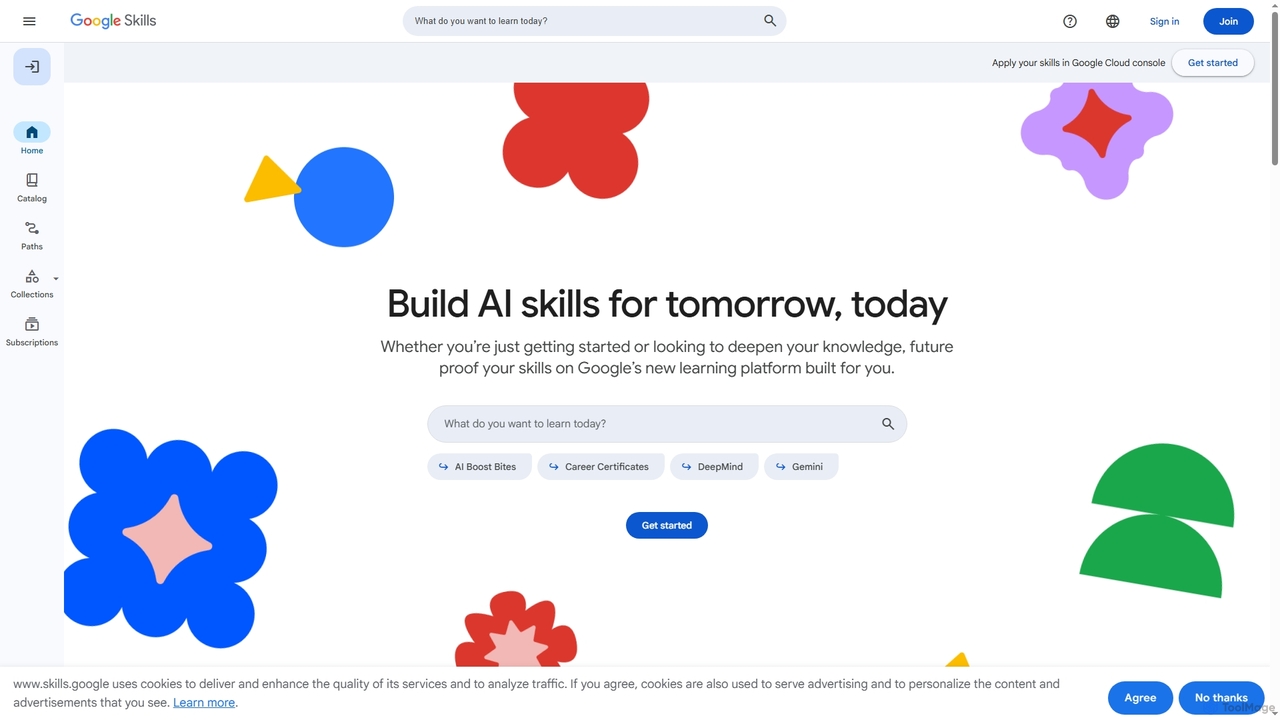
Google Skills is an online learning platform designed to help individuals and teams build and validate in-demand technical …
Google Skills is an online learning platform designed to help individuals and teams build and validate in-demand technical skills, particularly in AI and cloud technologies. It offers a range of learning paths, including hands-on labs, courses, skill badges, and industry-recognized certifications from Google experts, enabling users to future-proof their careers and enhance workforce capabilities.
InstructorHub
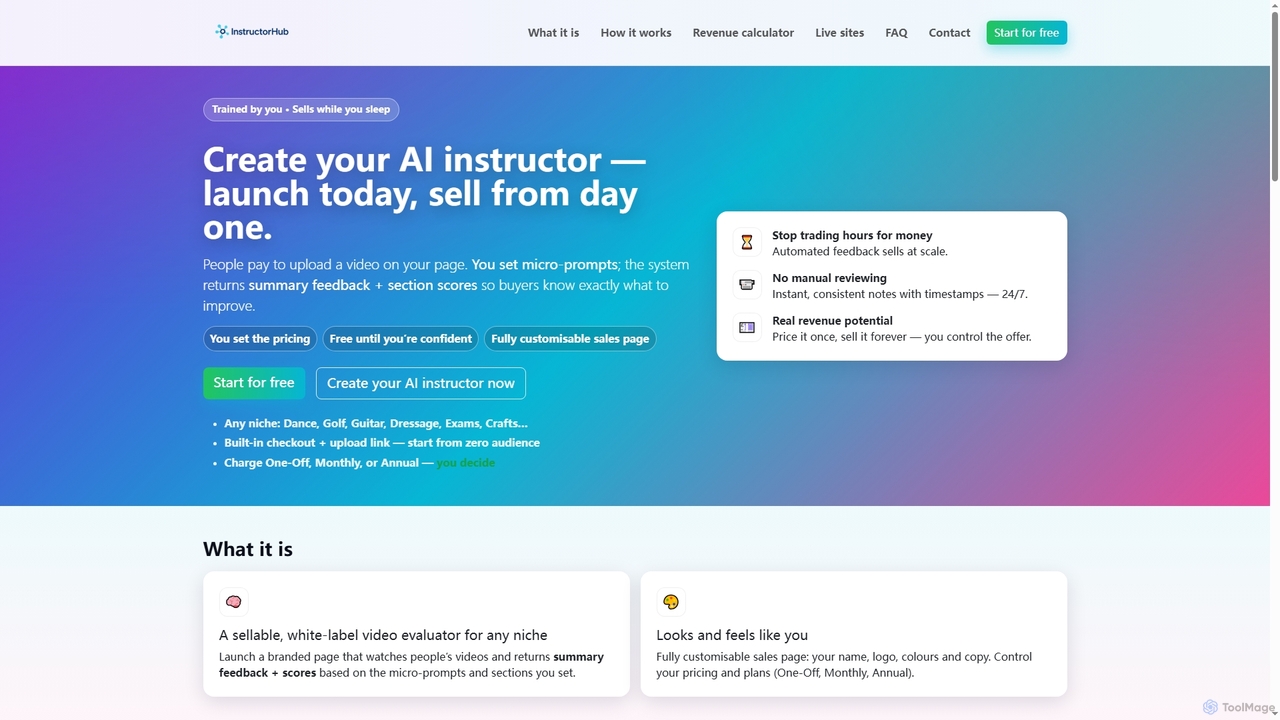
InstructorHub is an AI-powered platform that enables experts to create their own virtual instructors. It analyzes user-submitted videos, …
InstructorHub is an AI-powered platform that enables experts to create their own virtual instructors. It analyzes user-submitted videos, provides personalized feedback with scores and timestamps, and allows instructors to monetize their expertise through one-off, monthly, or annual plans. Ideal for any skill demonstrable via video, from dance to golf.
iprevail
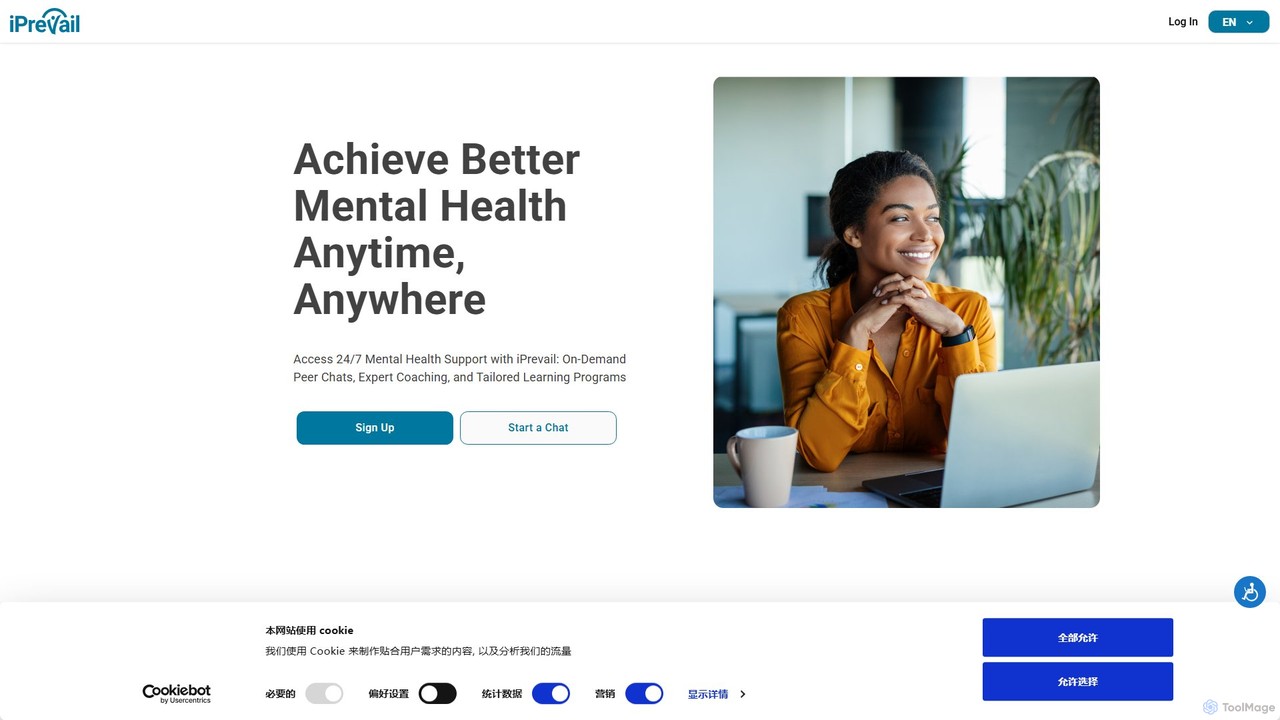
iPrevail is an AI-powered mental health and wellness platform offering on-demand support. It provides personalized programs based on …
iPrevail is an AI-powered mental health and wellness platform offering on-demand support. It provides personalized programs based on Cognitive Behavioral Therapy (CBT), peer coaching, and a supportive community to help users manage stress, anxiety, depression, and other emotional challenges effectively and confidentially.

Refocus
Refocus is a global online educational platform offering intensive, job-oriented courses in high-demand digital fields like Data Analytics, …
Refocus is a global online educational platform offering intensive, job-oriented courses in high-demand digital fields like Data Analytics, Digital Marketing, and Project Management. It focuses on practical skills, mentorship, and career support to help individuals switch to or advance in the tech industry.
Outlier
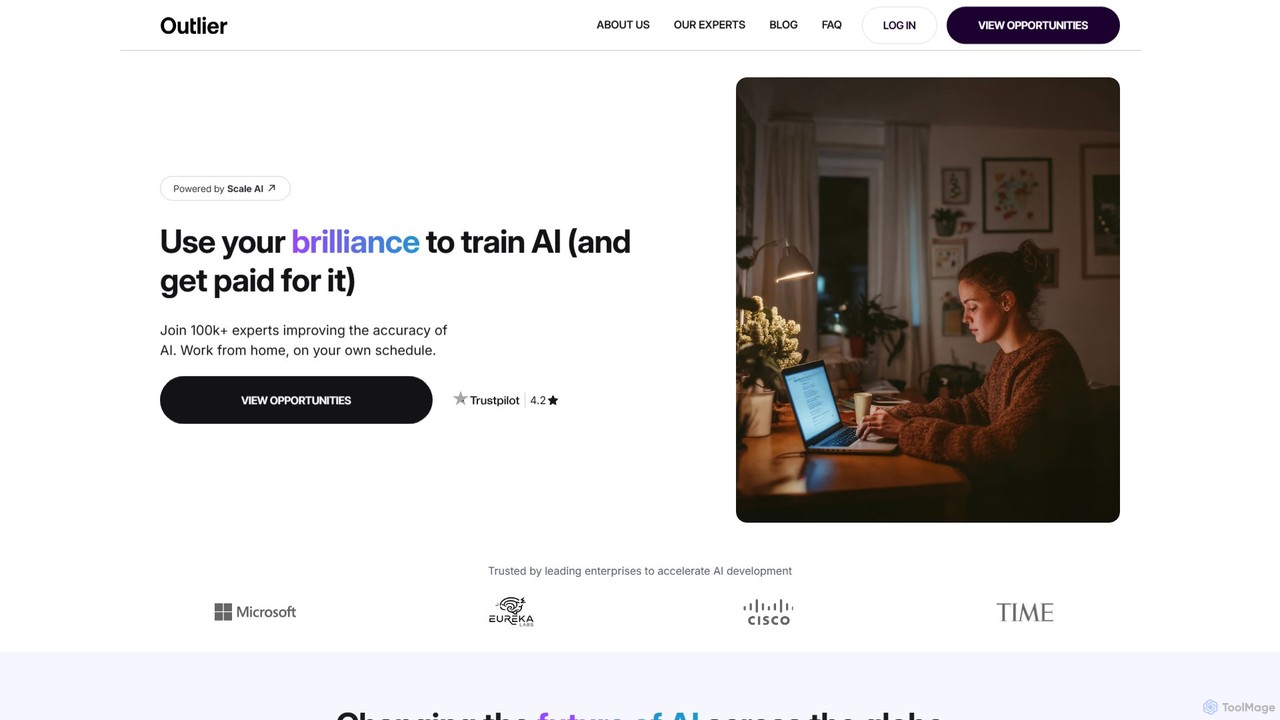
Outlier is a platform powered by Scale AI that connects domain experts with opportunities to train the next …
Outlier is a platform powered by Scale AI that connects domain experts with opportunities to train the next generation of AI models. Freelancers can use their knowledge in fields like coding, math, and languages to complete tasks, improve AI accuracy, and earn money with a flexible, remote work schedule.
Butter
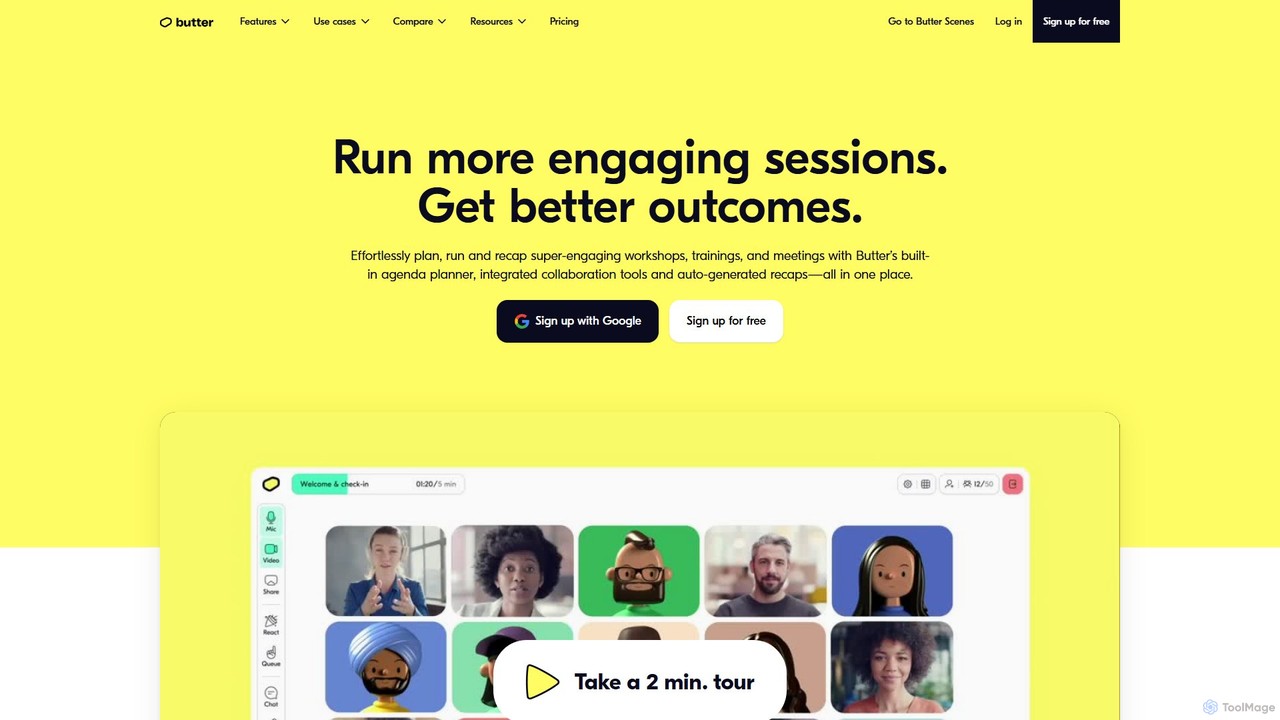
Butter is an AI-powered virtual collaboration platform designed for facilitators to run highly engaging and interactive workshops, training …
Butter is an AI-powered virtual collaboration platform designed for facilitators to run highly engaging and interactive workshops, training sessions, and meetings. It integrates interactive tools, agendas, and AI-driven recaps into a single window, eliminating tool-juggling and Zoom fatigue.
About Online Learning
Online Learning AI tools are a category of artificial intelligence applications designed to enhance and personalize digital education. These tools leverage advanced algorithms, machine learning, and natural language processing to deliver adaptive content, intelligent tutoring, and automated assessment. They aim to improve learning outcomes, make education more accessible, and streamline administrative tasks for educators and institutions.
Core Features
- Adaptive Learning Paths: Dynamically adjusts course material and difficulty based on individual learner progress and performance.
- Intelligent Tutoring Systems: Provides personalized guidance, explanations, and hints, acting as a virtual mentor for students.
- Automated Assessment & Feedback: Grades assignments, quizzes, and offers instant, constructive feedback to learners.
- Content Curation & Generation: Assists educators in discovering, organizing, and even creating relevant learning materials.
- Language Learning Support: Offers features like pronunciation correction, grammar checks, and AI-driven conversational practice.
Applicable Scenarios
These AI tools are invaluable for individual learners seeking self-paced skill acquisition or exam preparation, offering customized study plans. Educational institutions utilize them to supplement traditional teaching, manage large classes efficiently, and implement effective blended learning models. Furthermore, corporations deploy AI online learning solutions for employee upskilling, compliance training, and continuous professional development, ensuring a highly adaptable workforce.
How to Choose
When selecting an Online Learning AI tool, consider its alignment with specific learning objectives and the target audience's needs. Evaluate the depth of content customization and adaptability it offers for personalized learning journeys. Assess its integration capabilities with existing Learning Management Systems (LMS) or other educational platforms. Finally, examine the quality and scope of its automated feedback and progress tracking features to ensure comprehensive learner support.
Online LearningUse Cases
Personalized Exam Preparation
Students preparing for standardized tests or professional certifications can utilize AI online learning tools to generate tailored study plans. The AI analyzes their strengths and weaknesses, recommends specific topics for review, and provides adaptive practice questions, ensuring efficient and targeted preparation. This leads to improved retention and higher success rates.
Corporate Skill Development & Upskilling
Companies deploy AI-powered online learning platforms to train employees on new technologies, compliance regulations, or soft skills. The AI adapts the training modules to each employee's current knowledge level and learning pace, making professional development more engaging and effective. This ensures a skilled workforce ready for future challenges.
Interactive Language Acquisition Practice
Language learners can engage with AI chatbots and virtual tutors for immersive practice. These tools offer real-time pronunciation feedback, grammar correction, and conversational simulations, mimicking native speaker interactions. This accelerates fluency development and builds confidence in speaking a new language.
Automated Grading and Feedback for Educators
Educators in higher education or K-12 can leverage AI tools to automate the grading of essays, coding assignments, or complex problem sets. The AI not only assigns scores but also provides detailed, constructive feedback to students, highlighting areas for improvement, significantly reducing the grading workload and speeding up the learning cycle.
Adaptive Course Content Delivery in MOOCs
Massive Open Online Courses (MOOCs) and other large-scale online platforms use AI to deliver highly personalized content. The AI continuously monitors student engagement and performance, dynamically adjusting the sequence, difficulty, and type of learning materials presented. This keeps learners motivated and ensures content relevance for diverse audiences.
Enhancing Accessibility for Diverse Learners
AI online learning tools can provide crucial accessibility features, such as real-time captioning for lectures, translation services for multilingual students, or text-to-speech functionalities for visually impaired learners. These capabilities ensure that educational content is accessible and inclusive for a wider range of students, breaking down learning barriers.