ToolMage
Sign in

Best 1 Comics AI tools for Entertainment

Popular Comics AI tools in Entertainment include Manga Translator, helping you work more efficiently.

Manga Translator
Freemium

Manga Translator

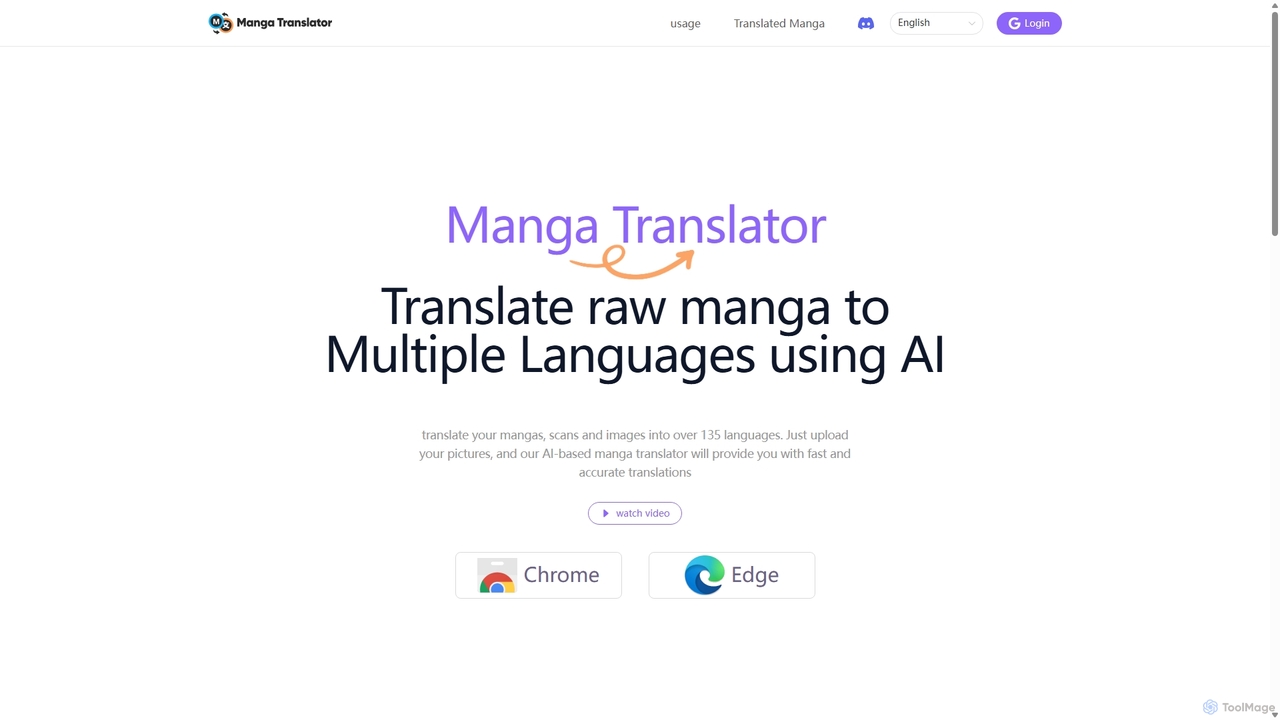
An AI-powered browser extension for Chrome and Edge that instantly translates manga, manhua, and comics into over 135 languages. Enjoy your favorite series without language barriers, with support for on-page translation, image uploads, and both vertical and horizontal text.

Chrome Extensions
Visits 29KFavorites 133Likes 132

About Comics

AI Comics tools are a specialized class of generative AI designed to create comic strips, panels, and graphic novel pages from text prompts or scripts. These tools leverage advanced diffusion models trained on sequential art to interpret narrative descriptions and generate corresponding visual panels with consistent characters and styles. They empower writers, artists, and marketers to rapidly visualize stories, prototype concepts, and produce complete comic content without extensive manual illustration. This technology significantly accelerates the creative workflow, making visual storytelling more accessible to everyone.

Core Features

  • Sequential Panel Generation: Creates a series of related comic panels from a single story prompt or script, maintaining narrative flow.
  • Character Consistency: Employs techniques like character LoRA or consistent IDs to maintain a character's appearance across different panels and poses.
  • Style Control & Transfer: Allows users to specify or replicate distinct artistic styles, such as manga, American superhero, or webtoon aesthetics.
  • Automated Layouts: Arranges generated panels into standard comic strip or page layouts, including gutters and borders.
  • Text & Bubble Integration: Automatically places dialogue and narration into speech bubbles and caption boxes within the panels.

Use Cases

These tools are ideal for independent comic creators, webtoon artists, and writers looking to visualize their scripts. Marketing teams use them to create engaging, narrative-driven ad campaigns and social media content. Educators also find them useful for developing illustrative materials that simplify complex topics for students.

How to Choose

When selecting an AI Comics tool, evaluate the robustness of its character consistency features, as this is crucial for storytelling. Consider the variety of art styles available and the level of control you have over panel composition and layout. Also, check the supported export formats (e.g., PNG, PDF, layered files) and the pricing model—whether it's based on subscriptions or per-generation credits.

Featured tool rankings

Comics use cases

1

Rapid Storyboarding for Writers

A screenwriter or novelist who lacks drawing skills can use an AI Comics tool to quickly visualize key scenes from their script. By inputting scene descriptions and character actions, they can generate a visual storyboard in minutes. This helps them assess the narrative pacing, pitch their story to producers or artists more effectively, and identify potential plot holes. The process transforms a text-only script into a tangible visual prototype, facilitating clearer communication and faster creative iteration without needing to hire an illustrator for early-stage concepts.

2

Generating Daily Webtoons for Social Media

A social media manager for a brand aims to increase engagement by publishing a daily webtoon series. Using an AI Comics tool with strong character consistency, they can establish a recurring cast of characters. Each day, they input a short script or a simple scenario related to their brand or industry trends. The AI generates a 3-4 panel comic strip in the brand's predefined art style. This allows for consistent, high-quality content production at a scale and speed that would be unfeasible with a traditional artist, keeping the audience engaged with fresh content daily.

3

Creating Educational Comic Strips

An educator wants to explain a complex historical event, like the Space Race, to middle school students in an engaging way. They use an AI Comics tool to create a short, informative comic strip. They input prompts for each panel, such as 'Panel 1: Sputnik 1 orbiting Earth, looking small and lonely' and 'Panel 2: Anxious scientists at NASA looking at screens.' The AI generates the visuals, and the teacher adds simple, explanatory text in the captions. This visual medium makes the information more digestible and memorable for students compared to a standard textbook passage.

4

Accelerating Indie Comic Production

An independent comic artist is working on a graphic novel but is slowed down by the time-consuming process of drawing backgrounds and environments. They use an AI Comics tool as a creative assistant. For a scene set in a 'cyberpunk city alley at night,' they generate multiple background options with the AI. They then select the best one, import it into their primary drawing software, and paint their main characters over it. This hybrid workflow allows the artist to focus their energy on character performance and storytelling, significantly cutting down production time for each page.

5

Developing Visuals for Marketing Campaigns

A marketing team is launching a new tech product and wants to explain its benefits through a short, engaging story. Instead of a standard video, they opt for a graphic novel-style campaign. Using an AI Comics tool, they can quickly iterate on different visual styles and character designs that align with their brand identity. They generate a series of panels depicting a character struggling with a problem that the new product solves. This visual storytelling approach is more memorable than bullet points and can be easily adapted for different platforms, from social media carousels to website landing pages.

6

Creating Personalized Comic Gifts

A user wants to create a unique anniversary gift for their partner. They decide to make a short comic strip that tells the story of how they met. Using an accessible AI Comics tool, they input simple prompts like 'A man and a woman meet in a rainy bookstore' and 'They share an umbrella and smile.' The tool generates a charming, stylized comic strip. The user can then add their own personalized dialogue in the speech bubbles. The final result is a highly personal and creative gift that took only a short amount of time to produce, offering a memorable alternative to traditional presents.

Comics FAQ

What are AI Comics tools?

AI Comics tools are specialized software that use generative artificial intelligence to create sequential visual narratives like comic strips and graphic novel pages. Unlike standard image generators that create single, standalone pictures, these tools are designed for storytelling. Their core features often include generating multiple panels from a single prompt, maintaining character consistency across those panels, controlling artistic styles, and automatically arranging panels into a readable layout. They are built to understand narrative structure, helping users turn scripts or ideas into a complete visual story.

How do AI Comics generators differ from standard AI Image generators?

The primary difference lies in their purpose: storytelling versus single image creation. While both use similar core technology, AI Comics tools have specialized features for narrative continuity.

  • Sequential Logic: Comic generators are designed to create a series of related images that form a coherent story, whereas image generators focus on optimizing a single, isolated prompt.
  • Character Consistency: This is a key feature in comic tools, allowing a character to look the same across multiple panels. Most standard image generators struggle with this.
  • Layout and Formatting: Comic tools often include features for automatically arranging panels into strips or pages, complete with gutters and borders, which is outside the scope of image generators.
  • Comic-Specific Elements: They may also include functionality for adding speech bubbles, captions, and sound effects.
How should I choose the right AI Comics tool?

Selecting the best tool depends on your specific needs. Consider the following factors:

  • Character Consistency: How well does the tool maintain a character's appearance? Look for features like 'character sheets,' 'consistent ID,' or the ability to use reference images.
  • Style Versatility: Does the tool offer a wide range of art styles, or does it excel at a specific one (e.g., anime, vintage)? Can you upload your own style references?
  • Control and Customization: How much control do you have over camera angles, character poses, and panel composition? Some tools are more automated, while others offer granular control.
  • Ease of Use: Is the interface intuitive for your skill level? Some tools are simple prompt-based systems, while others have more complex, timeline-based editors.
  • Export Options: Can you export high-resolution images, individual panels, or entire pages in formats like PNG, JPG, or PDF?
Can AI Comics tools create a complete, professional-quality comic book?

AI Comics tools are powerful assistants but typically do not produce a final, professional-quality comic book autonomously. They excel at accelerating the most time-consuming parts of the process, such as panel illustration, storyboarding, and background creation. However, a professional comic book requires nuanced storytelling, precise panel-to-panel pacing, lettering, and a consistent artistic vision that often necessitates human oversight and refinement. Creators commonly use these tools in a hybrid workflow: generating base assets with AI and then using traditional digital art software for final composition, editing, and lettering to achieve a polished, professional result.

Who are AI Comics tools best suited for?

AI Comics tools cater to a diverse range of users, each with different goals:

  • Writers and Screenwriters: To quickly visualize scripts and storyboards without needing artistic skills.
  • Independent Artists and Small Studios: To accelerate their workflow, generate backgrounds, or experiment with styles, allowing them to produce content faster.
  • Marketers and Social Media Managers: To create unique, narrative-driven visual content for campaigns and daily posts, increasing audience engagement.
  • Educators and Trainers: To develop engaging, easy-to-understand visual aids for complex subjects.
  • Hobbyists and Enthusiasts: For anyone who wants to tell a story visually but lacks the time or technical drawing skills to do so from scratch.