iago
iago is an AI-powered Japanese learning platform that uses a gamified, story-driven approach. Master real-world conversations, perfect your …
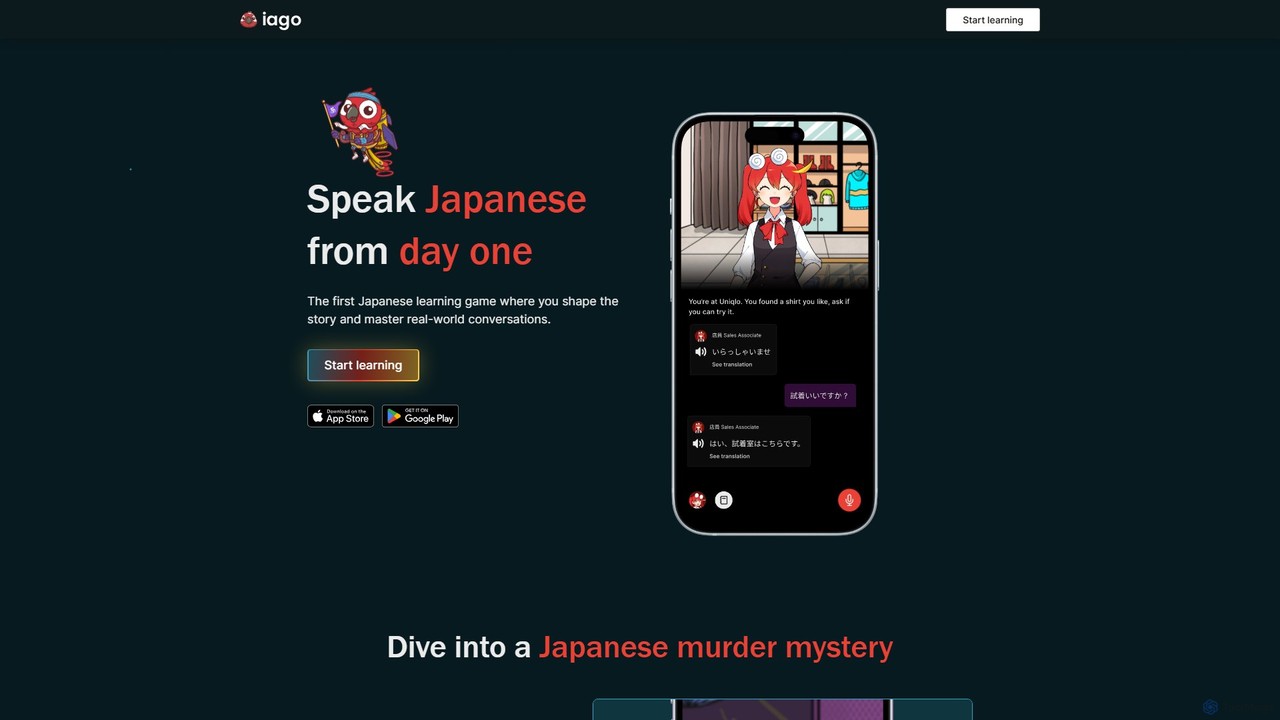
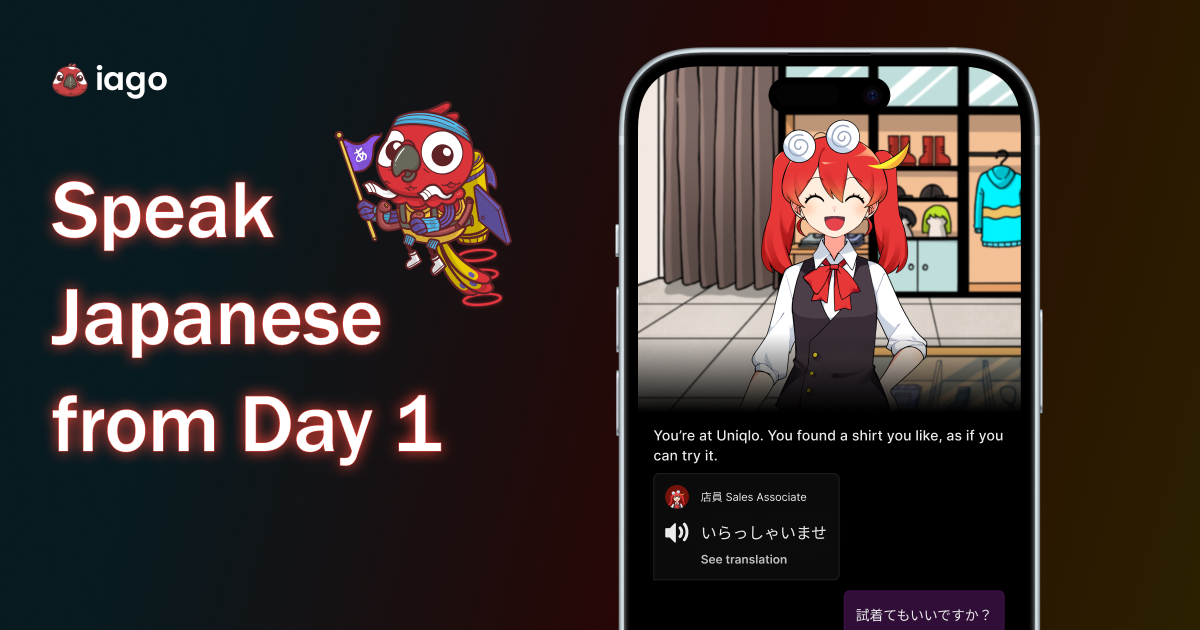
iago is an AI-powered Japanese learning platform that uses a gamified, story-driven approach. Master real-world conversations, perfect your pronunciation with instant feedback, and learn immersively by watching your favorite shows with its browser extension. It's designed for beginners and intermediate learners who want to speak Japanese from day one.
About Gamification
Gamification AI tools are platforms that integrate game-like elements and mechanics into non-game contexts to drive engagement and motivation. Leveraging AI, these tools analyze user behavior to personalize challenges, rewards, and progress tracking, making experiences more interactive and compelling. They are widely applied across various sectors, including entertainment, education, marketing, and corporate training, to enhance user participation and achieve specific objectives.
Core Features
- Adaptive Challenge Systems: AI dynamically adjusts difficulty and task complexity based on individual user performance and progress.
- Personalized Reward Mechanisms: Delivers tailored incentives, badges, and virtual currency that resonate most with specific user profiles.
- Behavioral Analytics & Insights: Tracks user interactions, identifies engagement patterns, and provides data-driven recommendations for optimizing gamified experiences.
- Progress Tracking & Visualizations: Offers clear, engaging visual representations of user achievements, milestones, and overall journey.
- Automated Feedback Loops: Provides instant, constructive feedback to users, guiding them through tasks and reinforcing desired behaviors.
Applicable Scenarios
Gamification AI tools are invaluable for organizations seeking to boost user engagement and motivation. In corporate training, they transform mundane learning modules into interactive quests, significantly improving knowledge retention. Marketing teams utilize them to create dynamic loyalty programs and interactive campaigns that increase customer lifetime value. Educational platforms deploy AI gamification to make learning more captivating, adapting content to student progress and fostering a competitive yet collaborative environment.
How to Choose
When selecting a Gamification AI tool, prioritize platforms offering robust customization options to align with your brand and objectives. Evaluate the sophistication of its AI for personalization and adaptive learning capabilities. Consider its integration potential with existing systems (CRM, LMS) and the depth of its analytics features for actionable insights. Finally, assess the user-friendliness of its interface for both administrators and end-users, ensuring a seamless experience.

GamificationUse Cases
Enhancing Employee Training Engagement
HR departments and corporate trainers utilize AI gamification tools to transform mandatory compliance courses or skill development programs into engaging, interactive experiences. By introducing points, badges, leaderboards, and personalized challenges, employees are motivated to complete modules, retain information better, and apply new skills. The AI adapts the learning path based on individual performance, ensuring a more effective and enjoyable training journey, leading to higher completion rates and improved knowledge application.
Boosting Customer Loyalty Programs
Marketing and customer retention teams leverage AI gamification to create dynamic and personalized loyalty programs. Instead of static reward systems, customers engage with challenges, quests, and interactive content that earn them points, discounts, or exclusive access. The AI analyzes purchasing history and preferences to offer relevant gamified experiences, increasing repeat purchases, brand advocacy, and overall customer lifetime value. This makes the loyalty journey more exciting and tailored to individual customer behaviors.
Enhancing Educational Learning Platforms
Educators and e-learning platform developers integrate AI gamification to make learning more engaging and effective for students of all ages. By turning lessons into quests, quizzes into challenges, and progress into level-ups, students are more motivated to participate. The AI analyzes learning patterns and adapts content difficulty, providing personalized feedback and recommending resources. This approach fosters a more interactive and enjoyable learning environment, leading to improved academic performance and sustained interest in subjects.
Optimizing Health and Wellness Apps
Developers of health, fitness, and wellness applications use AI gamification to encourage users to adopt and maintain healthy habits. Users can track progress, earn virtual rewards for achieving fitness goals, participate in personalized challenges, and compete with friends. The AI analyzes individual health data and behavioral patterns to suggest adaptive goals and provide motivational feedback, making the journey towards better health more engaging and sustainable. This significantly increases user adherence to health regimens.
Driving User Engagement in Community Platforms
Community managers and social platform developers deploy AI gamification to foster more active and vibrant online communities. By introducing reputation systems, achievement badges, and interactive events, users are encouraged to contribute content, help others, and participate in discussions. The AI identifies influential users and engagement patterns, allowing for targeted incentives and personalized community experiences. This strategy boosts user retention, content creation, and overall community health, transforming passive users into active contributors.
Improving Product Onboarding and Adoption
Product managers and UX designers utilize AI gamification to create more intuitive and engaging onboarding experiences for new users. By guiding users through interactive tutorials, progress bars, and small challenges that unlock features, the learning curve is reduced, and feature adoption is accelerated. The AI tracks user interaction with the product, identifies pain points, and adapts the onboarding flow to provide personalized tips and encouragement. This leads to higher user retention and faster time-to-value for new customers.