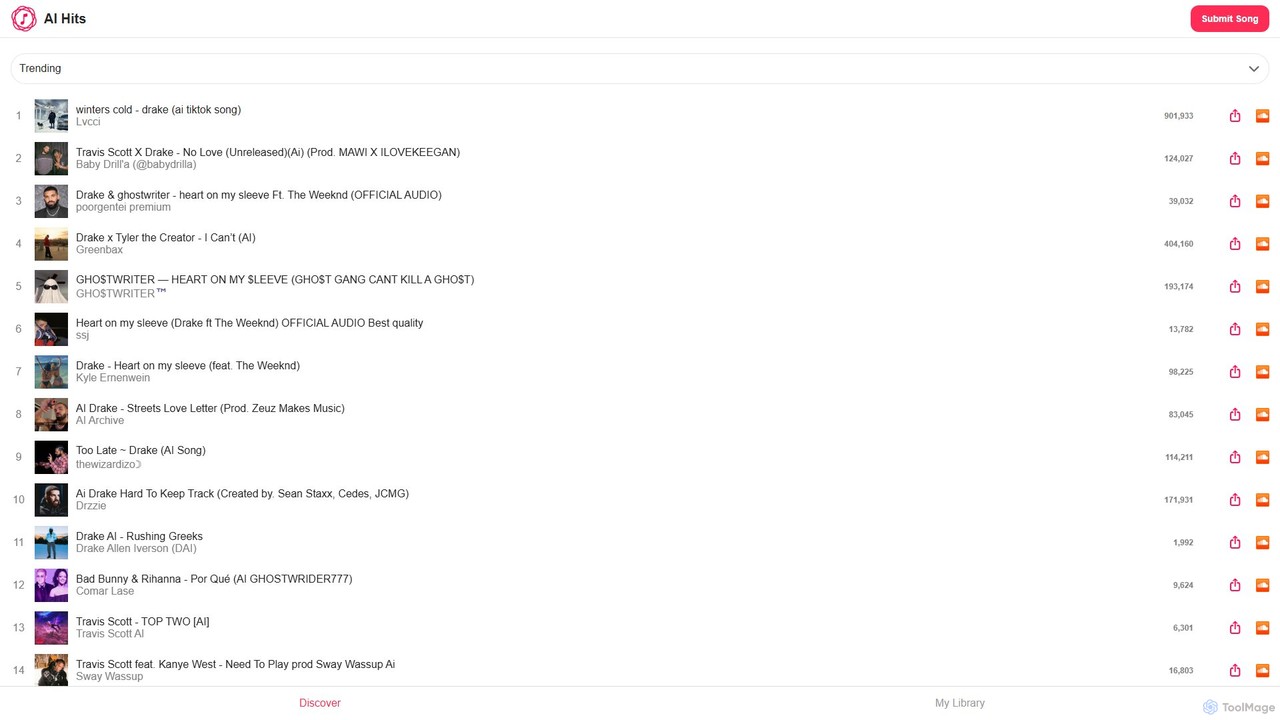
AI Trends tools are specialized platforms that leverage artificial intelligence to identify, analyze, and predict emerging patterns and shifts within various sectors, particularly in entertainment. These tools utilize advanced machine learning algorithms to process vast datasets, including social media, viewership figures, market data, and cultural indicators. Their primary value lies in providing actionable insights that help creators, marketers, and strategists anticipate audience preferences, optimize content development, and capitalize on future opportunities in the dynamic entertainment landscape.
Core Features
- Predictive Analytics: Forecast future trends in content consumption, audience behavior, and market shifts within entertainment.
- Sentiment Analysis: Gauge public opinion and emotional responses towards entertainment content, personalities, or events from social media and reviews.
- Audience Segmentation: Identify distinct viewer groups based on their preferences, engagement patterns, and demographic data to tailor content and marketing.
- Content Performance Tracking: Monitor the real-time performance of movies, music, games, or shows, identifying what resonates and why.
- Emerging Creator/Genre Detection: Automatically spot up-and-coming artists, creators, or nascent entertainment genres before they go mainstream.
Applicable Scenarios
Entertainment studios use these tools to greenlight projects with higher potential, analyzing scripts and concepts against predicted audience tastes. Music labels leverage them to discover new artists and predict song virality, optimizing release strategies. Game developers employ AI trends analysis to understand player engagement and design features that align with evolving gaming preferences, ensuring their titles remain relevant and captivating.
How to Choose
When selecting an AI Trends tool for entertainment, consider its data sources and their relevance to your niche (e.g., film, music, gaming). Evaluate the accuracy and granularity of its predictive models, as well as its ability to provide actionable insights rather than just raw data. Look for user-friendly dashboards and robust visualization features that make complex trends easy to understand and communicate. Finally, assess its integration capabilities with existing analytics or content management systems.