ToolMage
Sign in

Best 1 Virtual Characters AI tools for Entertainment

Popular Virtual Characters AI tools in Entertainment include Sciedu, helping you work more efficiently.

Sciedu
Freemium

Sciedu

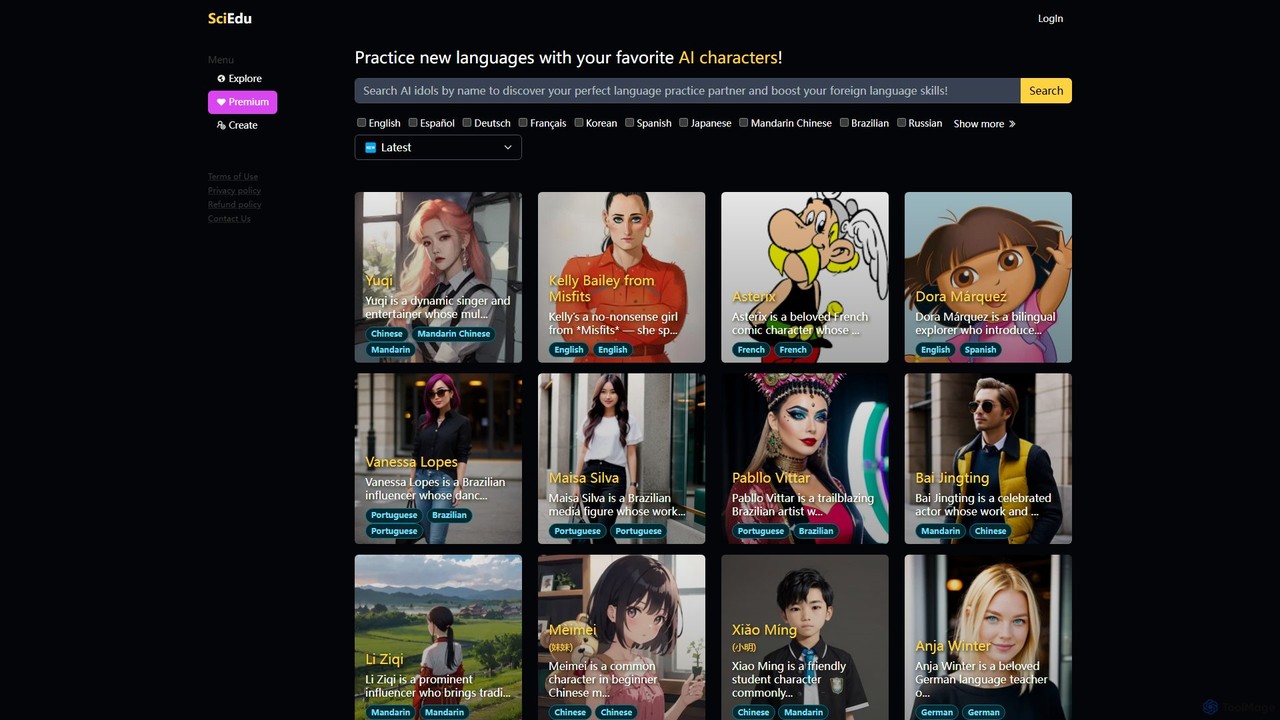
Sciedu is an AI-powered language learning platform where you can practice speaking and texting by chatting with AI-powered virtual idols. Choose from a diverse roster of celebrities, fictional characters, and cultural icons to make language practice immersive, engaging, and fun. It offers a personalized, interactive way to master languages like English, Spanish, Japanese, and Korean.

Language Learning
Visits 4.8KFavorites 164Likes 159

About Virtual Characters

Virtual Characters are AI tools for creating, animating, and deploying interactive digital avatars. These platforms use generative AI for visual design, advanced text-to-speech for realistic voices, and large language models for natural, unscripted conversations. They provide a powerful medium for entertainment, marketing, and education by enabling engaging interactions that transcend simple text-based communication. By merging a visual presence with conversational intelligence, these tools make digital interactions more human-like and memorable.

Core Features

  • Avatar Customization: Design unique characters by adjusting appearance, clothing, voice, and personality traits.
  • Real-time Animation: Animate characters via live motion capture, webcam tracking, or automated responses to text and voice inputs.
  • AI-driven Dialogue: Equip characters with conversational AI to handle dynamic, unscripted interactions with users.
  • Multi-platform Deployment: Easily embed or integrate virtual characters into websites, mobile apps, live streams, and virtual reality environments.
  • Voice Synthesis & Cloning: Generate unique synthetic voices or clone existing ones to give your character a distinct vocal identity.

Use Cases

Virtual Characters are widely used in the entertainment sector by VTubers and game developers. In business, they serve as brand ambassadors, AI customer service agents, or interactive training facilitators. Educational institutions also leverage them to create virtual tutors or historical figures for immersive learning experiences, making education more engaging.

How to Choose

When selecting a tool, consider the desired visual style (photorealistic vs. stylized). Evaluate the level of interactivity required, from pre-scripted animations to real-time AI conversations. Assess the technical requirements, platform compatibility (web, mobile, streaming software), and the pricing model to ensure it aligns with your project's scope and budget.

Virtual Characters use cases

1

Live Streaming as a Virtual YouTuber (VTuber)

A content creator wants to build an online presence on platforms like Twitch and YouTube without revealing their identity. Using a Virtual Character tool, they design a unique 2D or 3D anime-style avatar. The software uses their webcam to track facial expressions, head movements, and blinking in real-time, mapping these motions directly onto the avatar. This allows them to stream games, host talk shows, and interact with their audience through a dynamic, expressive digital persona, fostering a strong community while maintaining personal privacy.

2

Creating an AI Brand Ambassador for a Website

A marketing team aims to increase user engagement on their company website. They use a virtual character platform to create a friendly and knowledgeable AI brand ambassador. This character is embedded on the homepage and key product pages. Powered by a conversational AI trained on company data, the ambassador can answer visitor questions about products, guide them through the website, and even collect leads. This provides a 24/7 interactive experience that is more personal than a standard chatbot, helping to improve conversion rates and brand perception.

3

Developing Interactive Corporate Training Modules

A corporate training department needs to create more engaging learning materials for new software. Instead of a static video tutorial, they use a virtual character tool to build an interactive mentor. This AI mentor guides employees through simulations, provides real-time, spoken feedback, and can answer context-specific questions. For example, if an employee gets stuck, they can ask the virtual mentor, 'How do I export this report?' and receive an immediate, helpful response. This approach increases knowledge retention and makes the training process more efficient and enjoyable for staff.

4

Automating Social Media Video Content Creation

A social media manager needs to produce daily short-form video updates for platforms like TikTok and Instagram Reels. Filming and editing new videos every day is time-consuming. By using a virtual character tool, they can automate this process. They select a pre-designed avatar, input the daily news script, and the AI generates a video with the character speaking the lines, complete with gestures and facial expressions. This allows the manager to produce consistent, branded video content in a fraction of the time, freeing them up to focus on strategy and community engagement.

5

Building an Interactive AI Companion App

A developer is creating a mobile app focused on mental wellness and companionship. They integrate a virtual character API to serve as the app's core feature: an AI companion. Users can customize their companion's appearance and personality. The character engages in empathetic conversations, remembers past interactions, and can guide users through mindfulness exercises. The visual presence of the character, capable of showing expressions like smiling or nodding, creates a stronger emotional connection than a text-only interface, making the app a more effective tool for combating loneliness.

6

Designing NPCs for Independent Game Development

An independent game developer with a small team needs to populate their open-world game with lively, interactive non-player characters (NPCs). Using a virtual character tool, they can rapidly design, customize, and generate animations for dozens of NPCs without a dedicated animation team. They can create a base character model and then quickly produce variations in clothing and appearance. Furthermore, by integrating a conversational AI module, they can make NPCs respond dynamically to player questions, moving beyond repetitive, pre-scripted dialogue and making the game world feel more alive and immersive.

Virtual Characters FAQ

What are AI Virtual Characters?

AI Virtual Characters are interactive, animated digital avatars powered by artificial intelligence. Unlike static avatars, they combine a visual representation with AI capabilities like natural language processing for conversation and real-time animation. This allows them to communicate with users in a more human-like manner, showing expressions and gestures. They are used in applications ranging from virtual influencers and customer service agents to interactive characters in games and educational simulations.

How do I choose the right Virtual Character tool?

To choose the right tool, consider these factors:

  • Visual Style: Determine if you need a photorealistic, cartoon, or anime-style character. Different tools specialize in different aesthetics.
  • Interactivity Level: Decide if your character will use pre-scripted responses or require real-time, AI-driven conversations.
  • Animation Method: Check if the tool supports your preferred animation input, such as webcam tracking, motion capture suits, or text-to-animation.
  • Platform Integration: Ensure the tool can be deployed on your target platform, whether it's a website, mobile app, or streaming software like OBS.
  • Technical Skill: Evaluate if the tool is a user-friendly, no-code platform or a more complex SDK requiring development knowledge.
What's the difference between a Virtual Character and a simple chatbot?

The primary difference is embodiment and multi-modal interaction. A simple chatbot is typically a text- or voice-based interface without a visual form. A Virtual Character, however, is an embodied agent—a visual avatar that can express emotions through facial expressions and body language. This visual presence makes the interaction more engaging and personal. While both may use similar conversational AI, Virtual Characters provide a richer, more human-like experience by combining dialogue with non-verbal visual cues.

Do I need animation or coding skills to create a Virtual Character?

Not necessarily. The field offers a wide range of tools for different skill levels. Many modern platforms are no-code or low-code, providing user-friendly interfaces with pre-made templates, drag-and-drop character builders, and automated animation from webcam input. These are ideal for content creators, marketers, and educators. For developers or users seeking deep customization, there are also advanced SDKs (Software Development Kits) and APIs that require coding skills to integrate characters into custom applications, games, or complex interactive experiences.

What are the main applications for AI Virtual Characters?

AI Virtual Characters have diverse applications across various industries. Key use cases include:

  • Entertainment: Powering Virtual YouTubers (VTubers), creating interactive characters for games, and developing virtual companions in apps.
  • Marketing & Sales: Serving as 24/7 brand ambassadors on websites, guiding customers through sales funnels, and featuring in promotional video content.
  • Customer Support: Acting as visually engaging AI agents that can handle FAQs, resolve issues, and provide a more personal support experience than traditional chatbots.
  • Education & Training: Functioning as virtual tutors, language practice partners, or mentors in corporate training simulations to make learning more interactive.