Best of the Year 8 results Event Management AI Tools

Popular AI tools in the Event Management field include Ticket Tailor、Grasshopper Signup、Eventswow、In The Bulletin、EventConnect、Wakao、Enqufy、Vibeticketing, etc., helping you quickly improve efficiency.

Vibeticketing

Vibeticketing

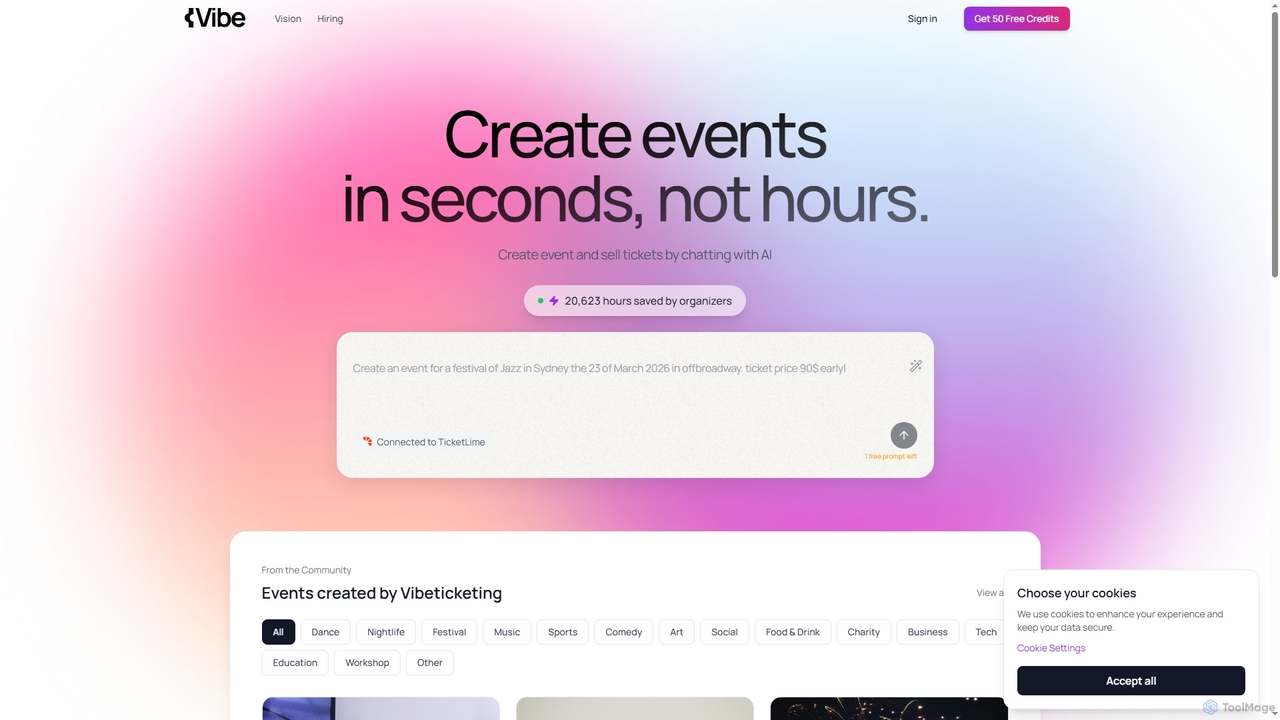
Vibeticketing is an AI-powered event creation platform that allows organizers to generate professional event listings and sell tickets …

2.4K
In The Bulletin

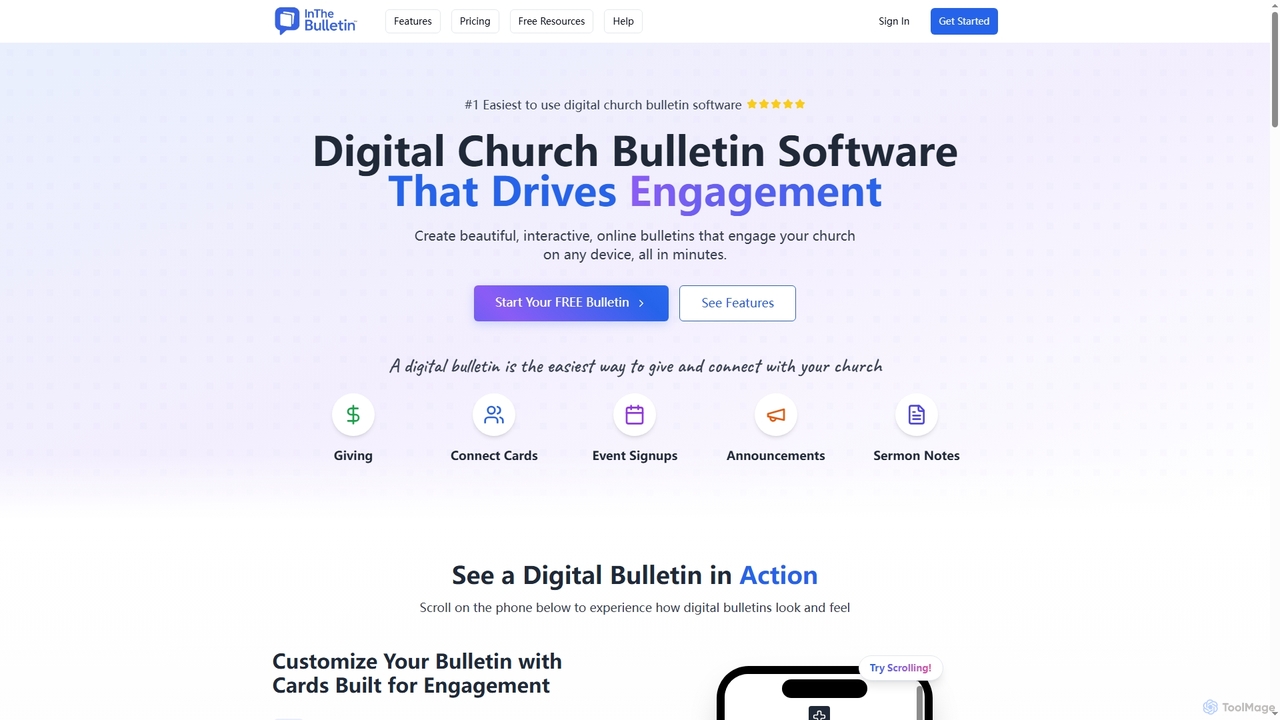
In The Bulletin

In The Bulletin is an easy-to-use digital church bulletin software designed to help churches create interactive, mobile-friendly online …

6.5K
Eventswow

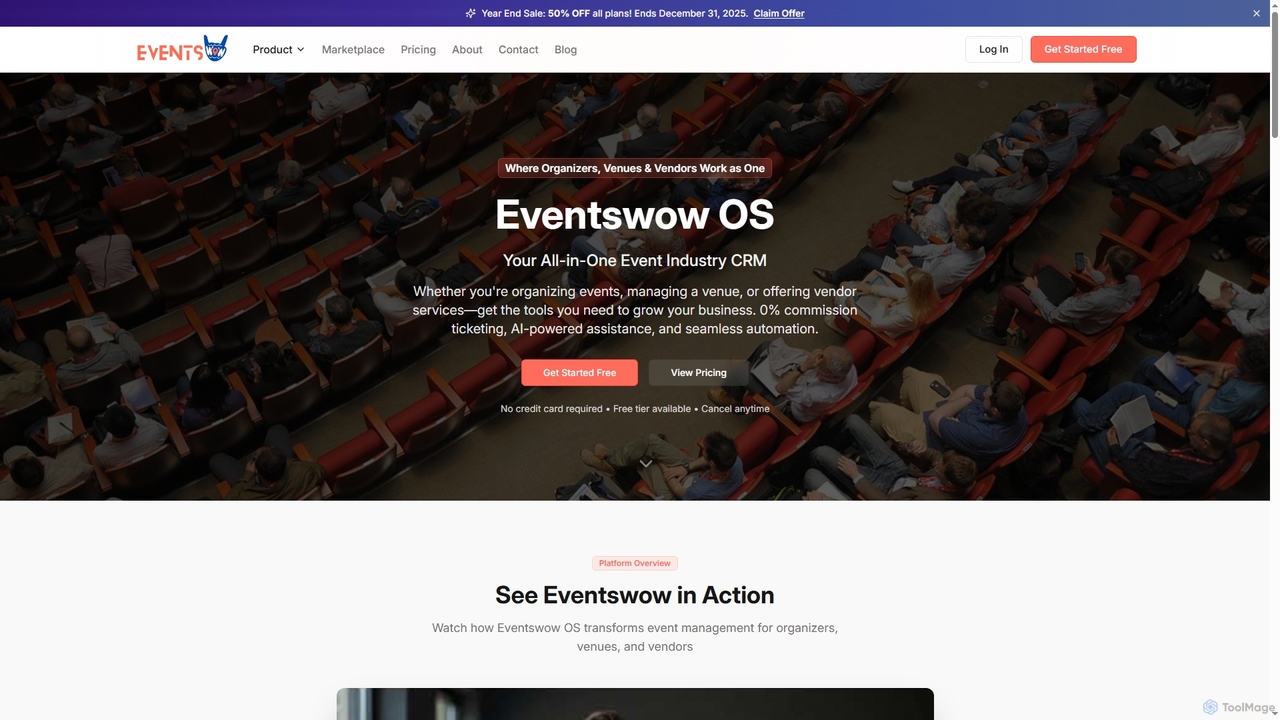
Eventswow

Eventswow is an all-in-one event industry CRM designed for organizers, venues, and vendors. It streamlines event management with …

7.6K
Wakao

Wakao

Wakao is an AI-powered social activity platform designed to help individuals, creators, and businesses discover, create, and manage …

2.5K
Enqufy

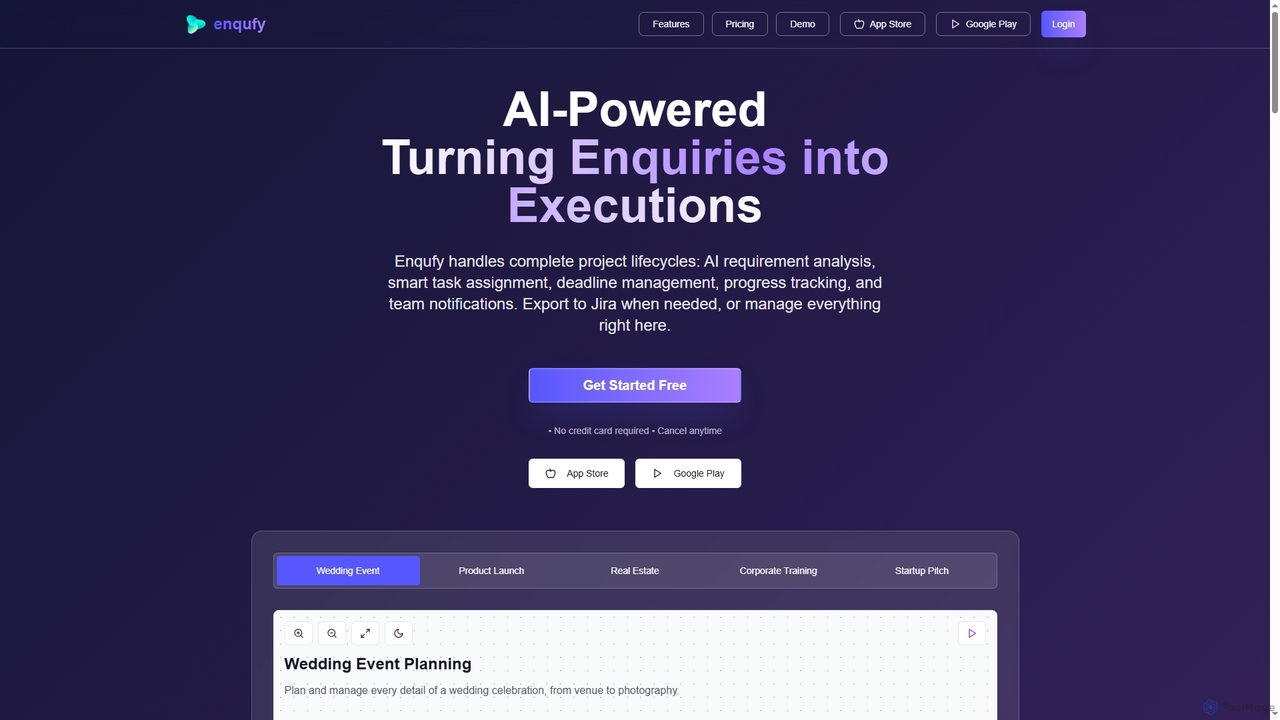
Enqufy

Enqufy is an AI-powered workflow automation platform designed to transform enquiries into structured, actionable project lifecycles. It streamlines …

2.5K
EventConnect

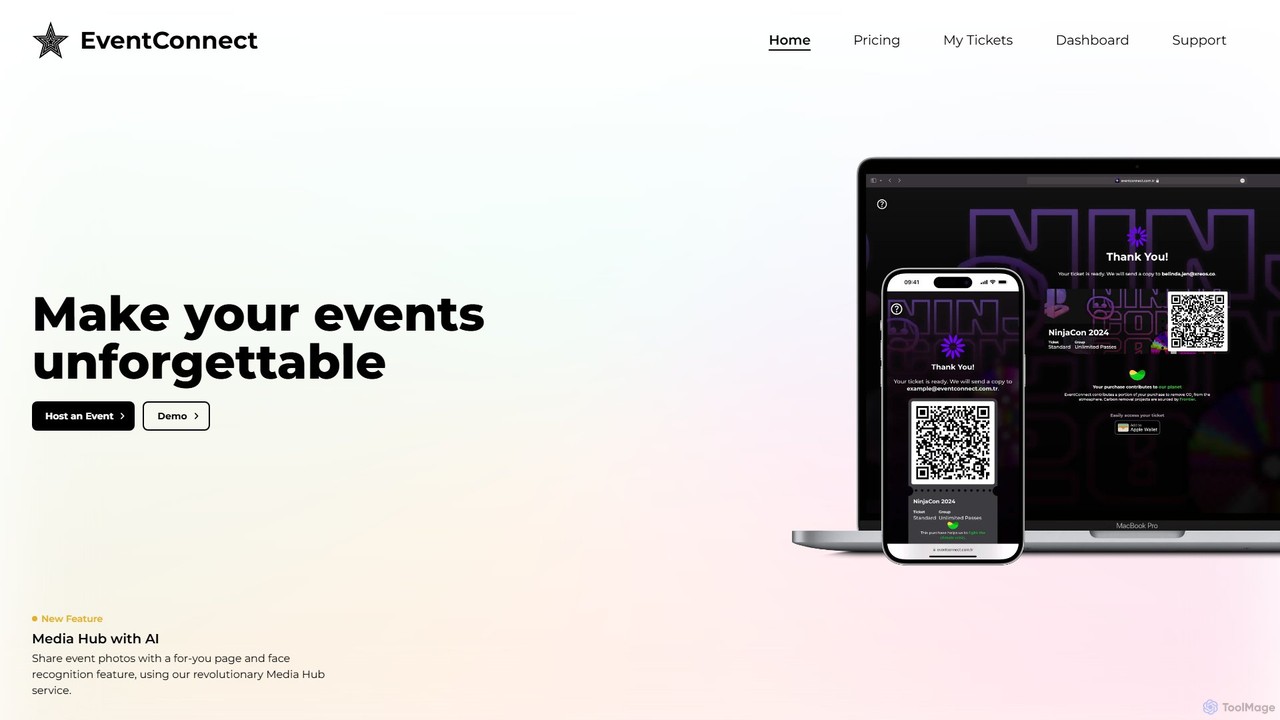
EventConnect

EventConnect is an all-in-one event management platform that simplifies ticket sales, payment collection, and attendee engagement. It features …

3.4K
Grasshopper Signup

Grasshopper Signup

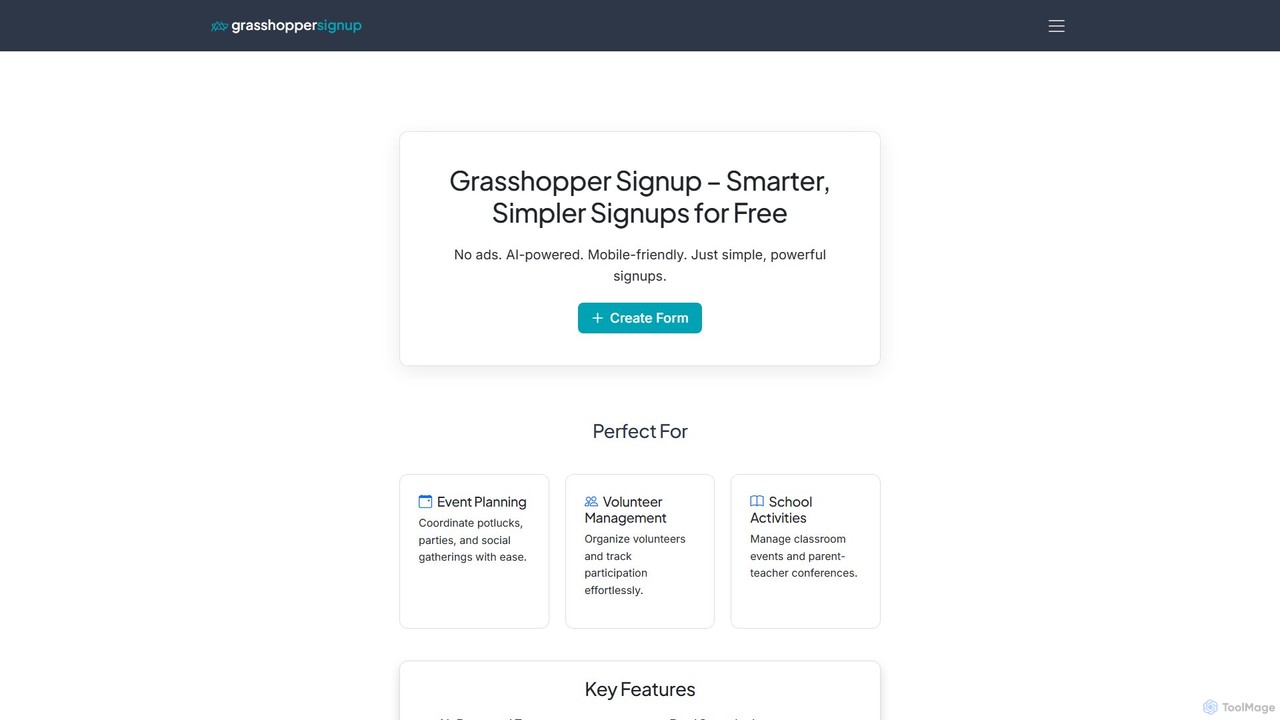
Grasshopper Signup is an ad-free, AI-powered tool for creating smart and simple online signup forms. Ideal for event …

94.1K
Ticket Tailor

Ticket Tailor

Ticket Tailor is a user-friendly and affordable online ticketing platform for event creators of all sizes. It offers …

7.1M

About Event Management

Event Management AI tools are a category of AI-powered solutions designed to streamline and enhance various aspects of planning, executing, and analyzing events. These sophisticated tools leverage artificial intelligence, machine learning, and natural language processing to automate repetitive tasks, personalize attendee experiences, and provide data-driven insights. By optimizing everything from initial registration and intricate scheduling to targeted marketing and comprehensive post-event analytics, they significantly improve operational efficiency, reduce manual labor costs, and elevate the overall impact and success of conferences, webinars, festivals, and corporate gatherings. They empower organizers to deliver more engaging, memorable, and measurable events.

Core Features

  • Automated Scheduling & Logistics: AI algorithms meticulously optimize session timings, speaker assignments, and venue resource allocation, minimizing conflicts and maximizing the seamless flow of your event.
  • Personalized Attendee Engagement: AI-driven engines provide tailored recommendations for sessions, workshops, networking matches, and relevant content based on individual attendee profiles, interests, and real-time behavior.
  • Intelligent Marketing & Promotion: AI assists in crafting highly targeted marketing campaigns, optimizing ad spend across multiple channels, and predicting attendee interest and registration likelihood to boost event attendance.
  • Real-time Analytics & Reporting: Comprehensive dashboards offer instant, actionable insights into attendance rates, engagement levels, feedback sentiment, and overall event ROI, enabling organizers to make swift, informed adjustments.
  • Virtual & Hybrid Event Platform Integration: These tools seamlessly connect with leading virtual and hybrid event platforms, ensuring enhanced functionality, synchronized data, and a consistent experience across all event formats.
  • Smart Budget Management: AI can analyze historical data and current market trends to help forecast expenses, track spending, and identify potential cost-saving opportunities throughout the event lifecycle.

Applicable Scenarios

Event Management AI tools are indispensable for professional event planners, marketing teams, corporate communication departments, and even educational institutions. They are extensively used to organize large-scale international conferences with thousands of attendees, manage intricate logistics for multi-day music festivals, and personalize experiences for complex virtual summits. Furthermore, these tools support small businesses in automating workshop registrations, managing attendee communications, and streamlining post-event follow-ups, ensuring a professional, efficient, and impactful process regardless of event size.

How to Choose

When selecting Event Management AI tools, it's crucial to consider the specific types of events you frequently manage (e.g., virtual, hybrid, in-person) and the typical scale of your operations. Evaluate the breadth and depth of features, prioritizing robust automation capabilities, advanced personalization options, and comprehensive analytics. Look for seamless integration with your existing CRM, marketing automation, and communication platforms to ensure a unified tech stack. Additionally, assess the vendor's customer support, scalability options, and pricing model to ensure it aligns perfectly with your budget, technical expertise, and long-term event strategy.

Event ManagementUse Cases

1

Automating Conference Registration & Check-in

Conference organizers use AI tools to automate the entire registration process, from form creation and payment processing to sending personalized confirmation emails. On-site, AI-powered facial recognition or QR code scanning speeds up check-in, reducing queues and improving the attendee's first impression. This frees up staff to focus on more critical tasks, ensuring a smooth start to any event.

2

Personalizing Attendee Agendas & Networking

For large events, AI analyzes attendee profiles, interests, and past interactions to recommend relevant sessions, workshops, and potential networking connections. This ensures each attendee receives a tailored experience, maximizing their engagement and the value they derive from the event, leading to higher satisfaction and better outcomes for all participants.

3

Optimizing Event Marketing Campaigns

Marketing teams leverage AI to identify target audiences, predict registration likelihood, and optimize ad placements across various channels. AI can also generate personalized email content and social media posts, significantly increasing conversion rates and reducing customer acquisition costs for events, leading to more effective promotional efforts.

4

Real-time Monitoring of Event Engagement

During live events, AI-powered dashboards provide real-time insights into session attendance, audience sentiment (via chat analysis), and interaction levels. Event managers can quickly identify popular or underperforming segments, allowing for immediate adjustments to content or scheduling to maintain attendee interest and satisfaction throughout the event duration.

5

Streamlining Post-Event Feedback & Analysis

After an event, AI tools automate the collection and analysis of attendee feedback from surveys, social media, and session ratings. They can identify key themes, sentiment trends, and areas for improvement, generating comprehensive reports that inform future event strategies and demonstrate ROI to stakeholders, making post-event evaluation highly efficient.

6

Managing Complex Hybrid Event Logistics

For hybrid events, AI helps coordinate simultaneous in-person and virtual components, managing dual schedules, speaker availability across time zones, and technical requirements for streaming. It ensures a cohesive experience for all participants, regardless of their attendance method, simplifying a traditionally complex logistical challenge and enhancing overall event reach.

Event ManagementFrequently Asked Questions