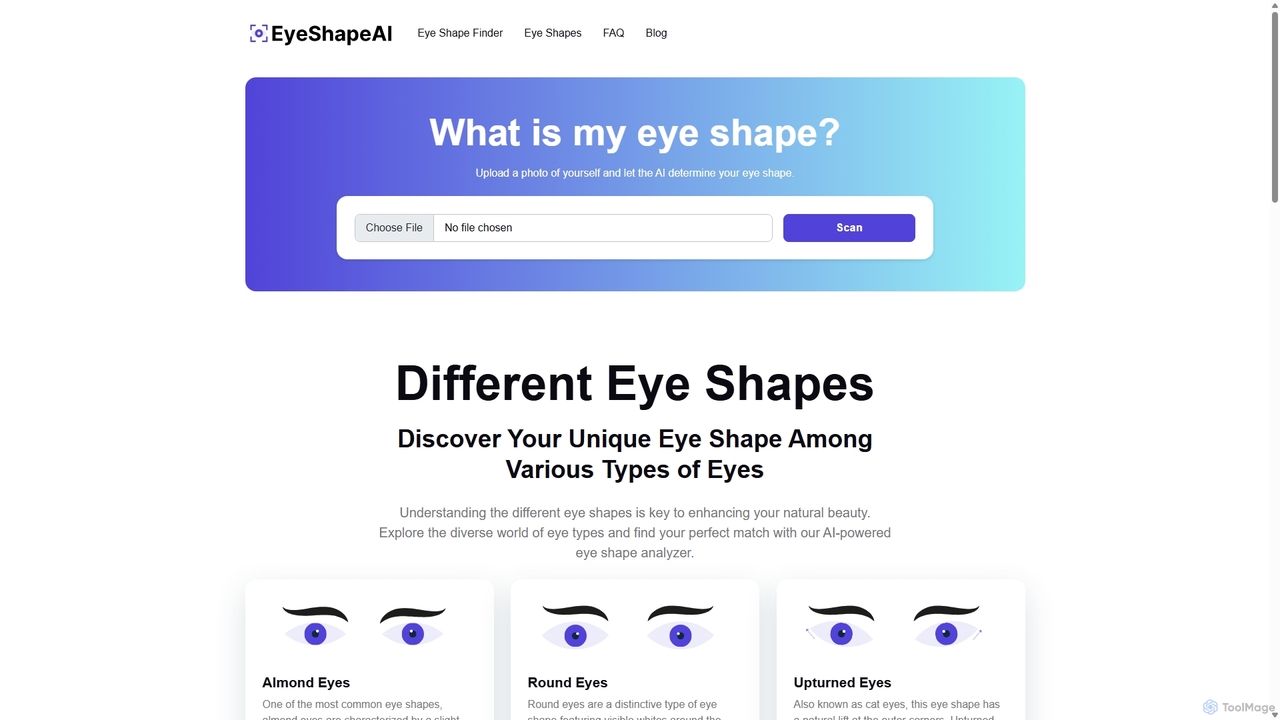
eye_shapes
eye_shapes is an AI-powered tool that analyzes your facial photo to accurately determine your eye shape. By simply …
eye_shapes is an AI-powered tool that analyzes your facial photo to accurately determine your eye shape. By simply uploading an image, you can discover if you have almond, round, upturned, or other eye types. This knowledge helps you perfect your makeup application, choose the most flattering eyewear, and enhance your natural beauty with confidence. The tool provides personalized insights and tips tailored to your specific eye characteristics, making it an essential guide for beauty enthusiasts.
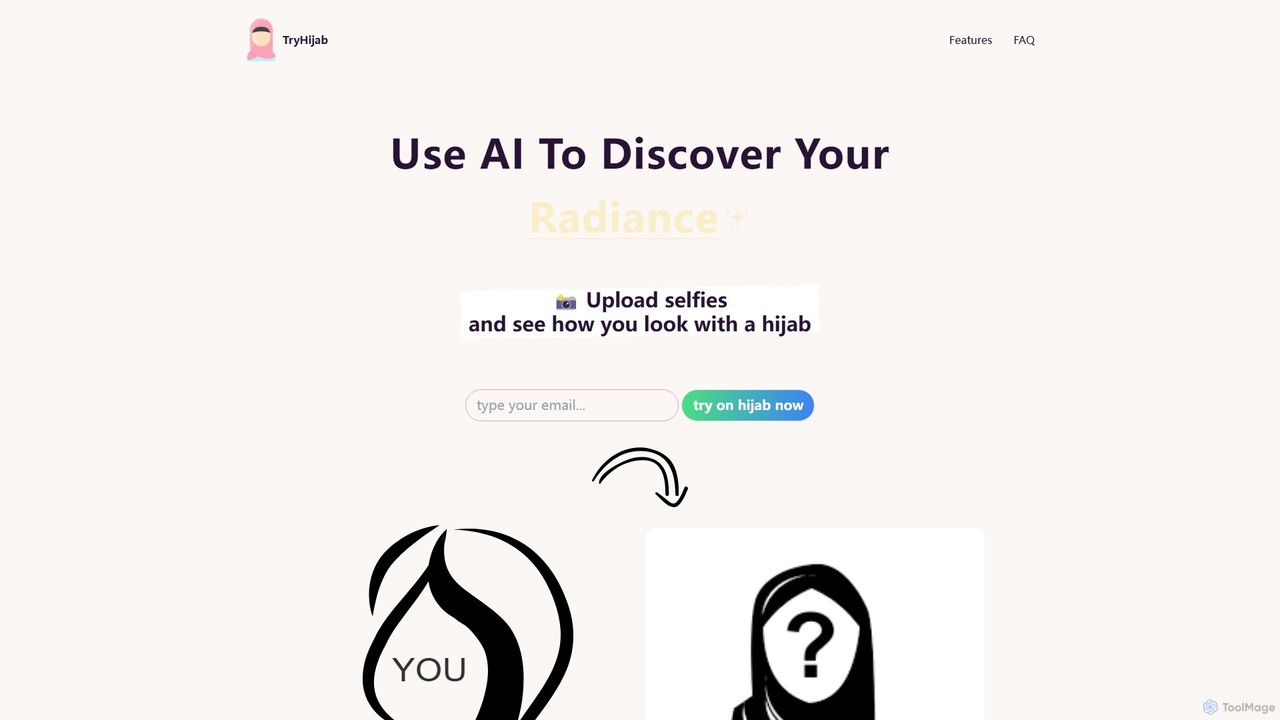
TryHijab
TryHijab is an AI-powered tool that allows you to virtually try on a hijab using your selfies. Simply …
TryHijab is an AI-powered tool that allows you to virtually try on a hijab using your selfies. Simply upload a photo, and the AI will generate realistic, high-definition images of you wearing various beautiful hijab styles. It's a private and inspiring way to explore modest fashion, discover your unique radiance, and visualize a significant personal or spiritual choice without needing a physical hijab.
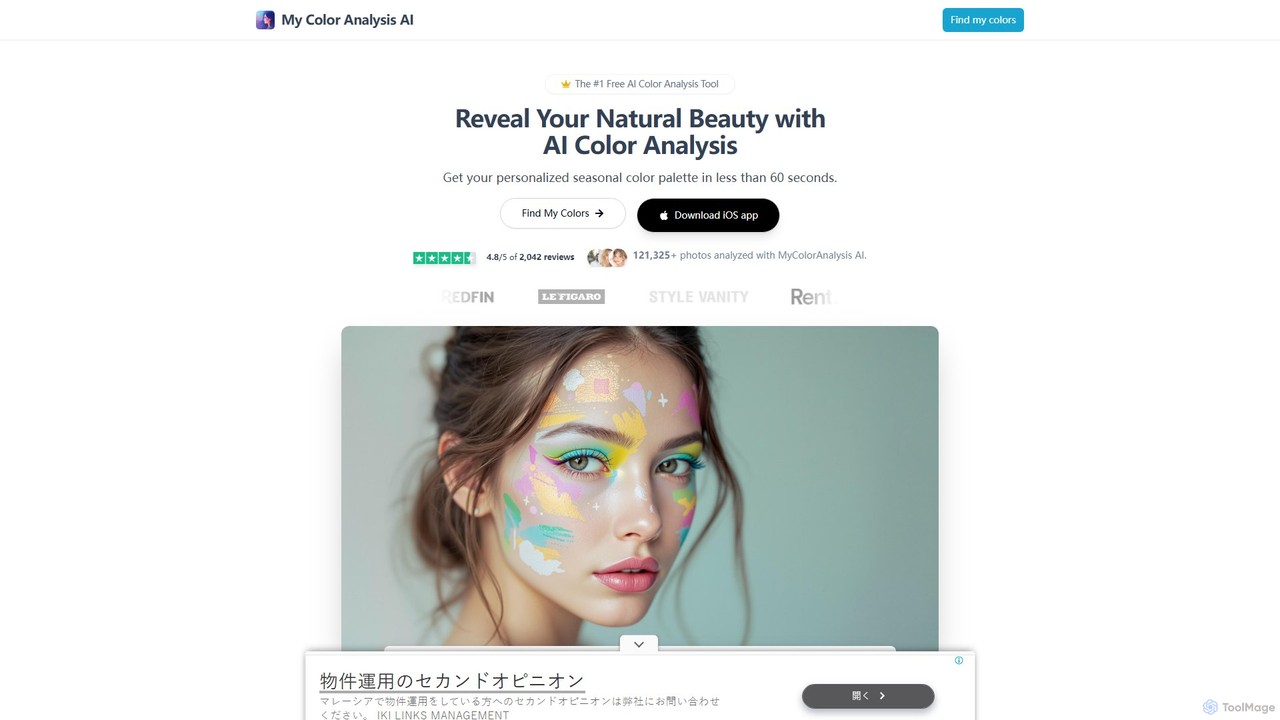
My Color Analysis AI
My Color Analysis AI is a leading tool that uses artificial intelligence to determine your personal seasonal color …
My Color Analysis AI is a leading tool that uses artificial intelligence to determine your personal seasonal color palette in seconds. By analyzing a selfie, it provides personalized color recommendations for clothing, makeup, and hair, helping you enhance your natural beauty and shop with confidence. It also offers an expert analysis service for more detailed guidance.
About Style
AI Style tools are a specialized category of fashion technology that analyzes, identifies, and personalizes clothing combinations and aesthetics. These tools leverage computer vision and machine learning to understand visual elements like color palettes, patterns, silhouettes, and garment pairings. Their primary value lies in translating fashion concepts into practical, personalized recommendations for consumers and scalable styling solutions for businesses. This enables users to discover their personal style, curate outfits, and receive suggestions that align with their preferences and existing wardrobe.
Core Features
- Style Recognition: Automatically identifies and tags fashion styles (e.g., minimalist, bohemian, streetwear) from images or product feeds.
- Personalized Outfit Generation: Creates complete, stylistically coherent outfits based on a user's preferences, body type, or existing clothing items.
- Virtual Styling & Try-On: Allows users to digitally mix and match garments on a model or their own avatar to visualize different looks.
- Aesthetic-Based Recommendations: Suggests products that match the visual style of an item a user is viewing, enhancing cross-selling.
- Wardrobe Analysis: Digitizes a user's closet via photos to provide styling suggestions and identify gaps.
Applicable Scenarios
These tools are primarily used by e-commerce platforms to enhance user experience and increase sales through personalized recommendations. They are also valuable for personal styling apps, fashion content creators seeking to generate diverse looks, and individuals looking to refine their personal style and manage their wardrobe more effectively.
Selection Criteria
When choosing an AI Style tool, consider the accuracy of its style recognition and the relevance of its recommendations. Evaluate the size and diversity of its underlying fashion database. For business use, assess its integration capabilities with e-commerce platforms like Shopify or Magento and the level of customization available for the recommendation engine.
StyleUse Cases
Personal Wardrobe Digitalization and Styling
For individuals seeking to maximize their existing wardrobe, AI Style tools offer a digital closet solution. Users can upload photos of their clothing items, and the AI categorizes each piece by type, color, and style. Based on this digital inventory, the tool can generate daily outfit suggestions tailored to the weather, user's calendar events, or specific style preferences. This process helps users rediscover old items, create new combinations, and reduce decision fatigue when getting dressed.
Enhancing E-commerce Product Discovery
Online fashion retailers use AI Style tools to power 'Shop the Look' or 'Complete the Outfit' features. When a customer views a product, such as a blazer, the AI analyzes its style, color, and cut. It then recommends complementary items like trousers, a shirt, and shoes from the store's inventory that create a cohesive, stylish outfit. This not only improves the user experience by providing styling inspiration but also significantly increases the average order value through effective cross-selling.
Content Creation for Fashion Influencers
Fashion content creators and bloggers can use AI Style tools to streamline their workflow. By inputting a single 'hero' item, like a new handbag, the tool can generate dozens of unique outfit combinations from a virtual closet of fashion items. This allows creators to quickly visualize and plan a wide variety of content (e.g., Instagram posts, blog articles) around one product without needing to physically own or style every single piece. It helps maintain a fresh and diverse feed while saving time and resources.
Brand Style Consistency Analysis
Fashion brands can use AI Style tools to ensure visual consistency across jejich marketing campaigns and social media channels. A brand manager can upload a set of campaign images, and the AI will analyze the overall aesthetic, identifying the dominant styles, color palettes, and garment types. This analysis can be compared against the brand's established style guide to flag any inconsistencies, ensuring that all visual communication reinforces a strong and coherent brand identity.
Virtual Stylist for Special Occasions
Users planning for an event, like a wedding or a job interview, can use an AI Style tool as a virtual stylist. By providing details about the event (e.g., dress code, location, season), their personal preferences, and body type, the AI can curate a selection of complete, appropriate outfits. It can pull items from various online retailers, allowing the user to visualize and purchase a head-to-toe look without the need for extensive searching or professional consultation, simplifying event preparation.
Style-Based Visual Search for Shopping
Instead of relying on text-based searches, shoppers can use AI Style tools for visual discovery. A user can upload a screenshot from social media or a photo of someone's outfit they admire. The AI analyzes the image to identify the style, specific garments, and similar alternatives. It then presents a shoppable list of visually similar items available from partner retailers. This transforms inspiration found anywhere into an immediate and seamless shopping experience, bridging the gap between seeing a style and owning it.