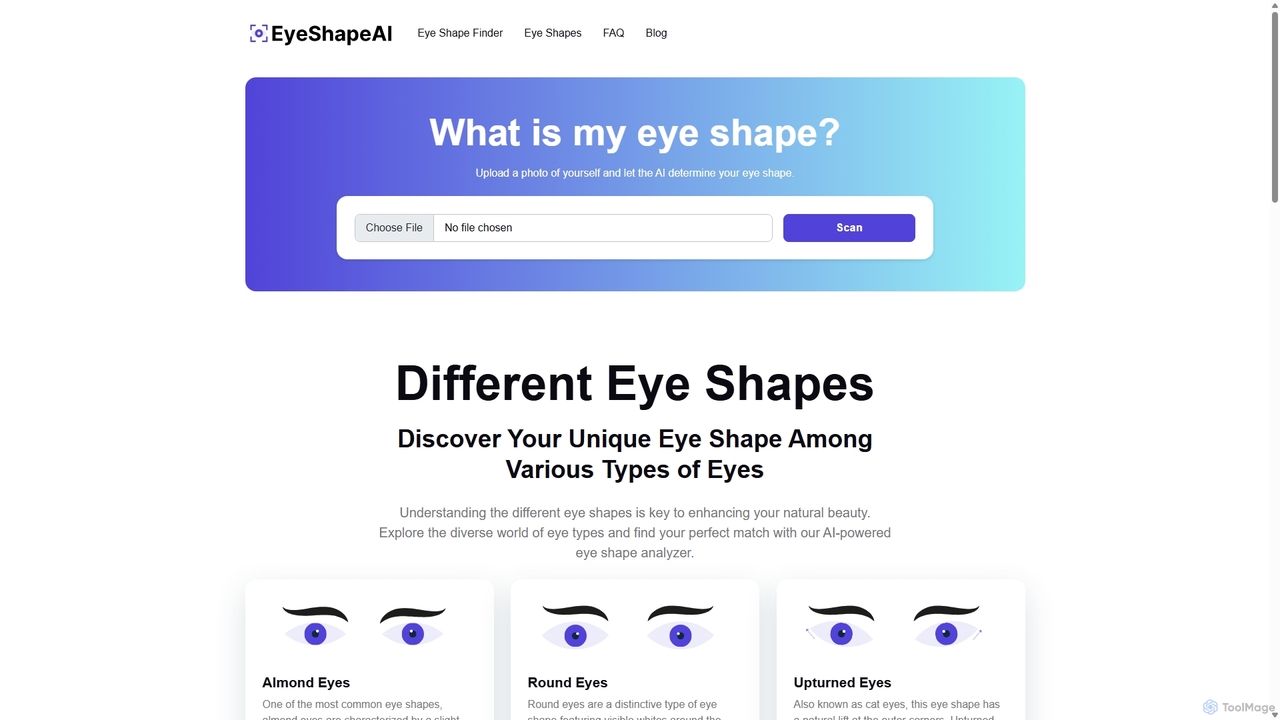
Facial Analysis tools are AI-powered applications that digitally interpret and quantify human facial features, expressions, and characteristics. Leveraging computer vision and machine learning, these tools detect key facial landmarks, analyze skin conditions, estimate age, and recognize emotions. They are widely used in the beauty industry for personalized skincare recommendations, in market research to gauge audience reactions, and in virtual try-on applications. Unlike general photo editors, Facial Analysis tools provide data-driven insights rather than just aesthetic modifications.
Core Features
- Skin Health Analysis: Identifies and scores skin concerns such as wrinkles, spots, acne, and texture.
- Demographic Estimation: Estimates attributes like age and gender based on facial characteristics.
- Emotion Recognition: Detects primary emotions (e.g., happiness, sadness, anger) from facial expressions.
- Facial Landmark Detection: Pinpoints key features like eyes, nose, and mouth for precise measurements and mapping.
- Virtual Try-On Support: Maps facial geometry to realistically simulate the application of makeup or accessories.
Applicable Scenarios
These tools are primarily used by beauty brands, dermatologists, and app developers. For example, a cosmetics company can integrate this technology into its app to offer personalized product suggestions based on a user's skin analysis. Market researchers also use it to analyze focus group reactions to new products or advertisements in real-time.
Selection Criteria
When selecting a tool, consider the accuracy of its analysis, the specific features it offers (e.g., skin analysis vs. emotion detection), its API integration capabilities for custom applications, and its data privacy policies, which are crucial when handling biometric data.